“Serbska Pratyja 2026” presented in Striesow
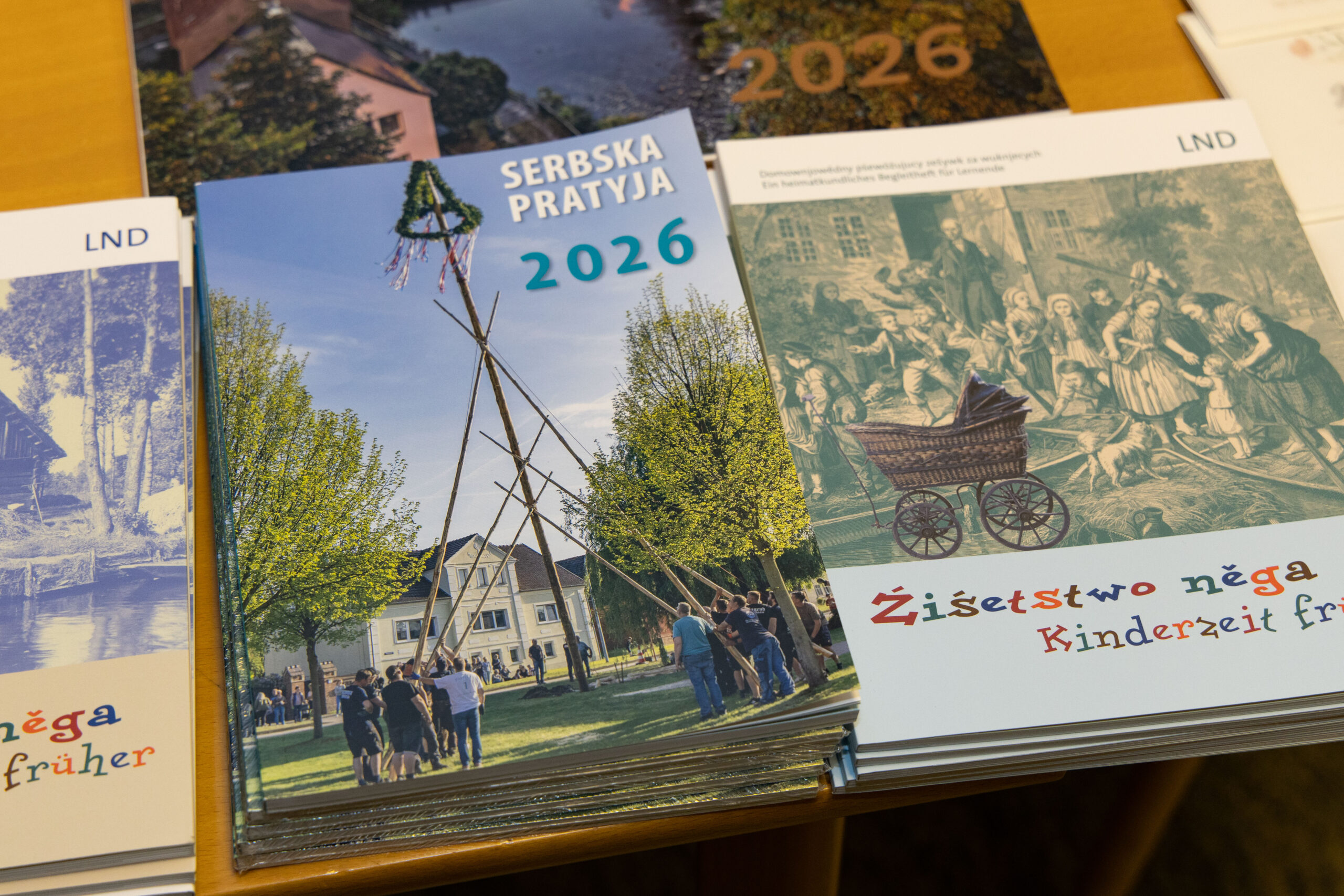
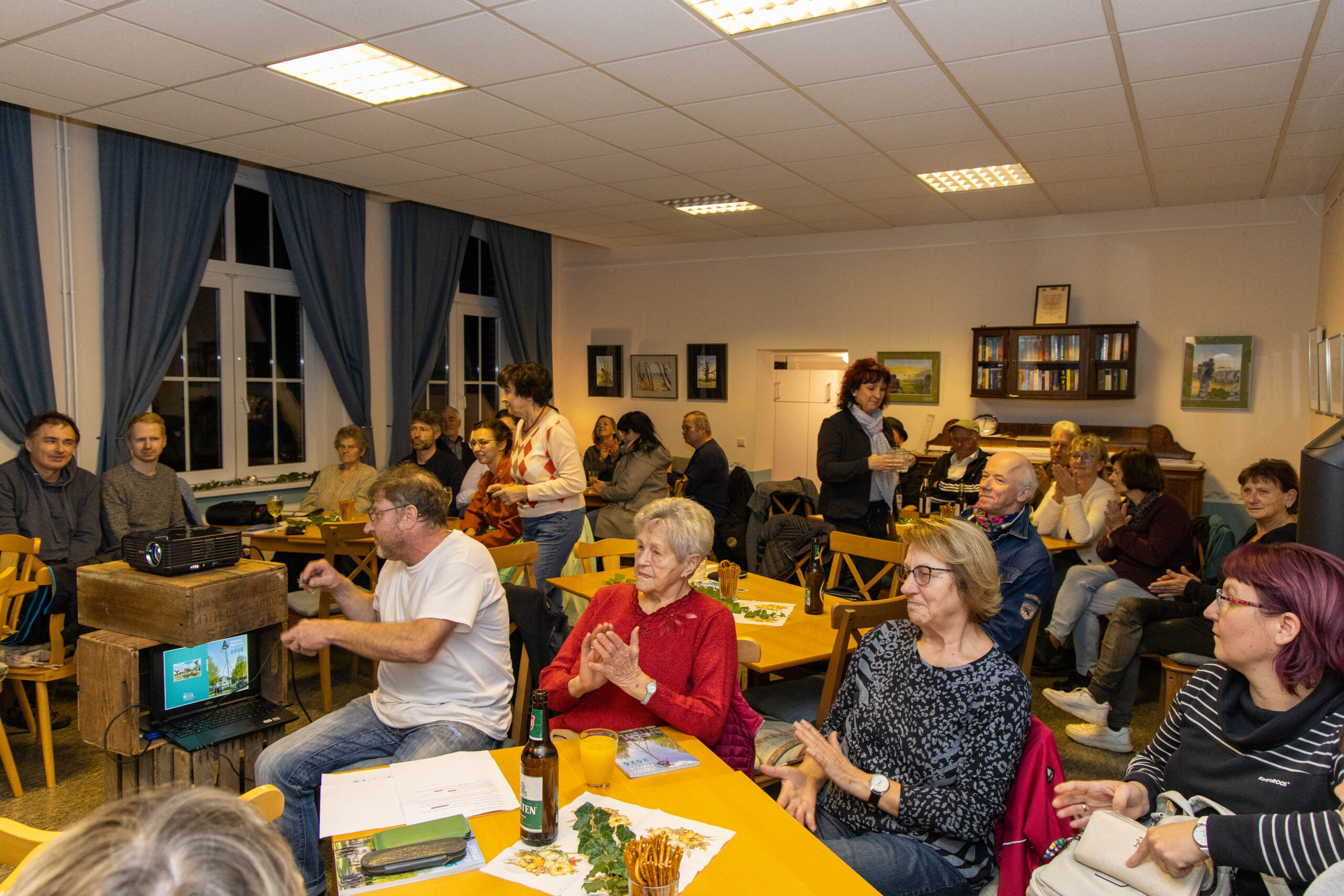
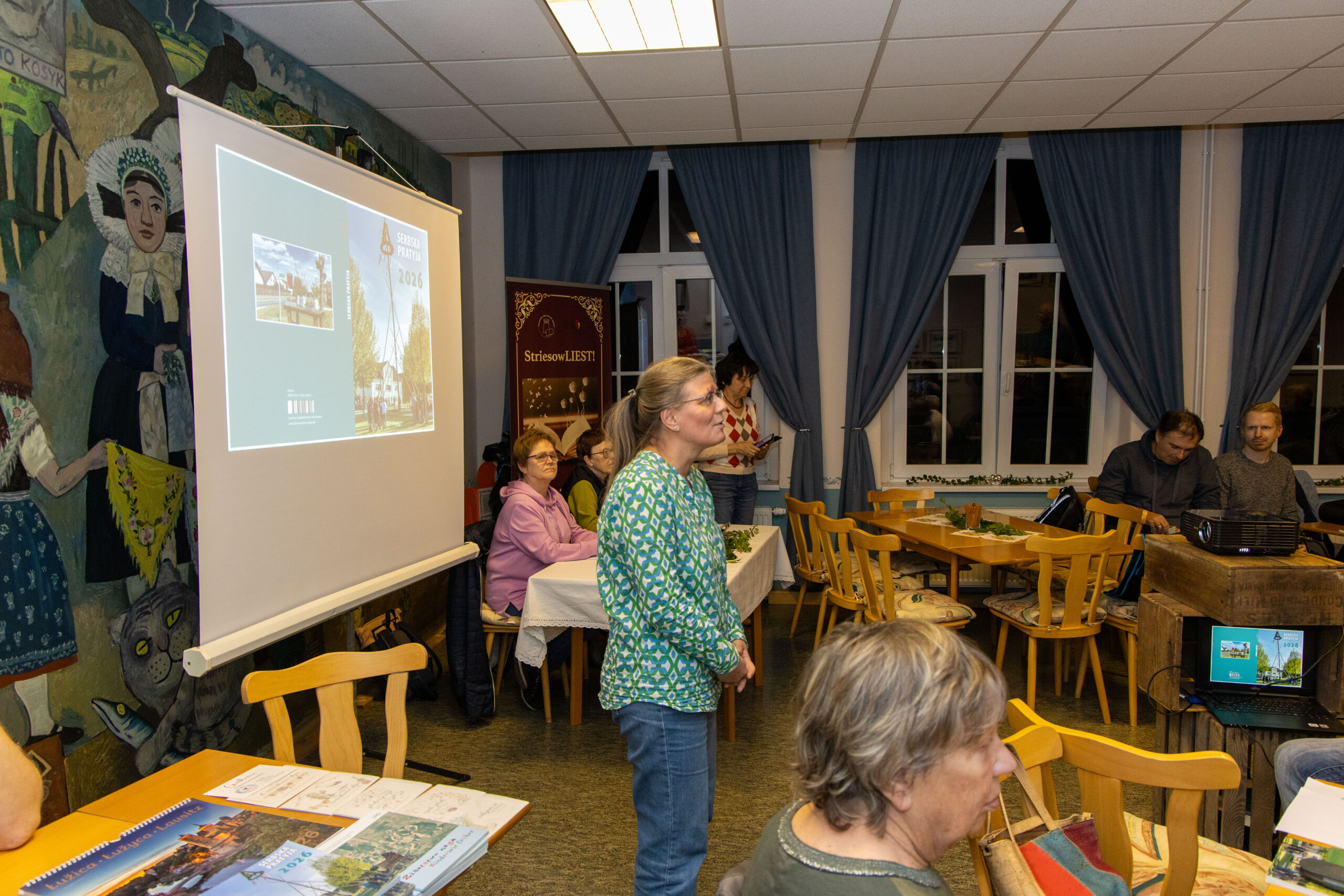
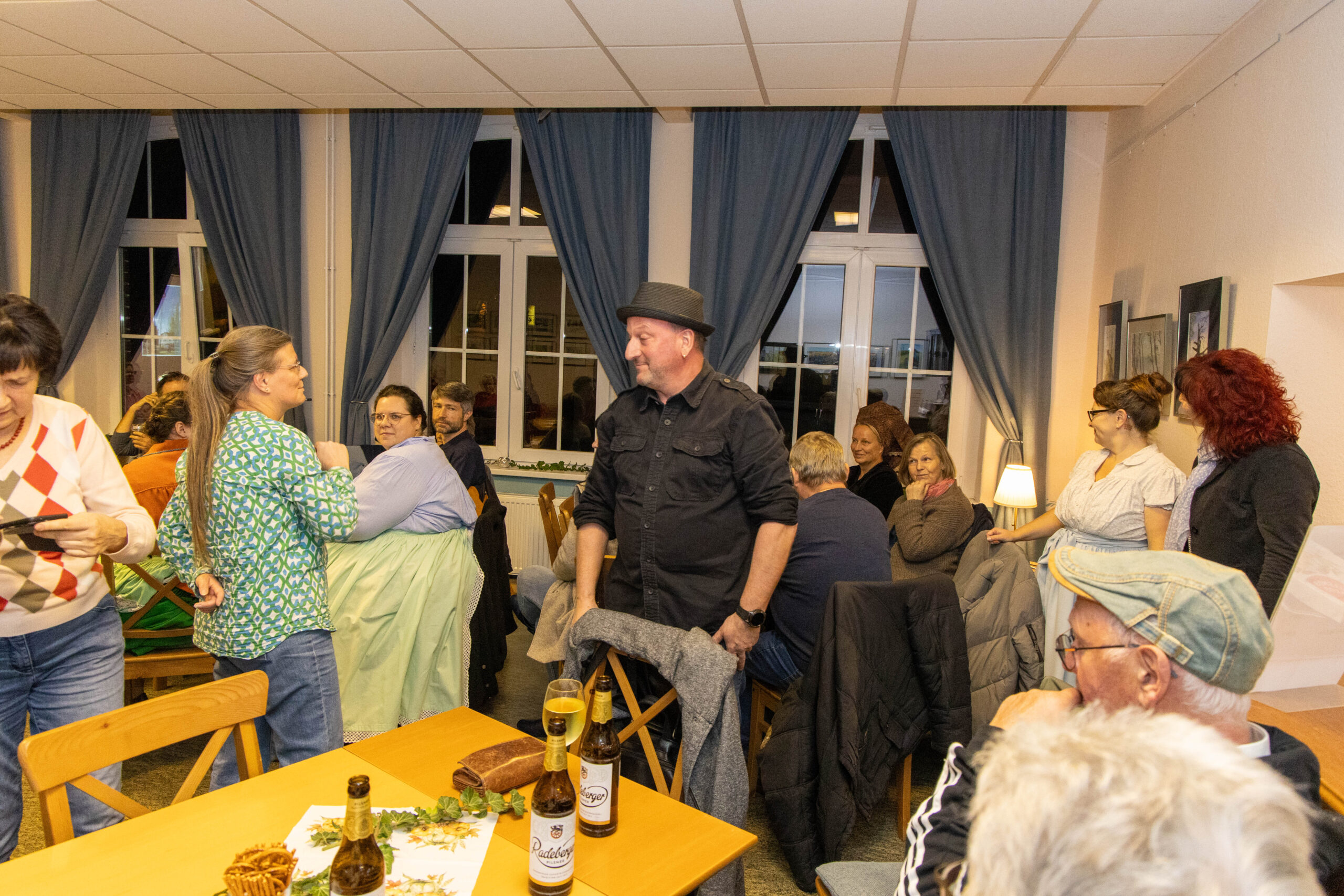
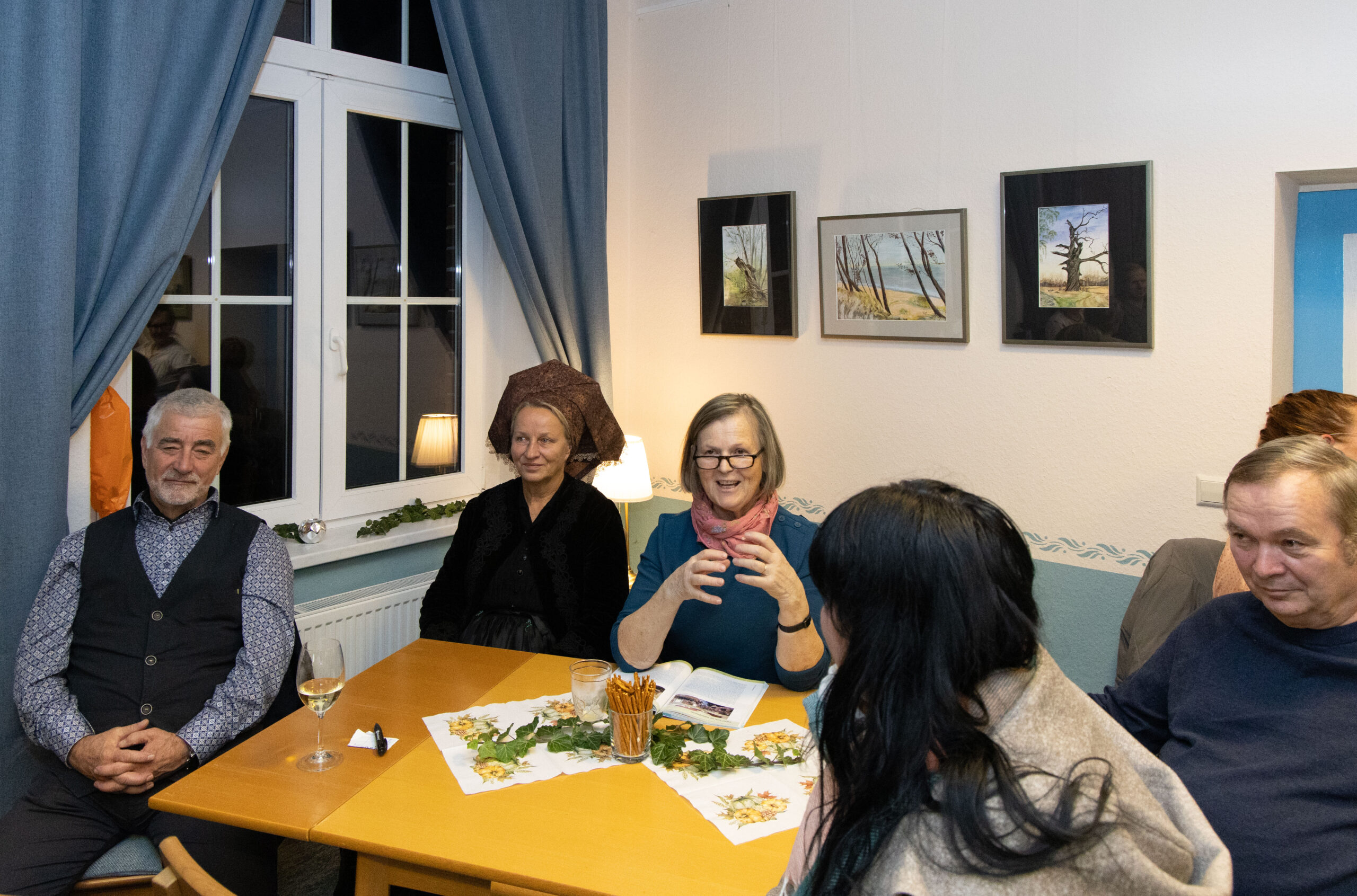
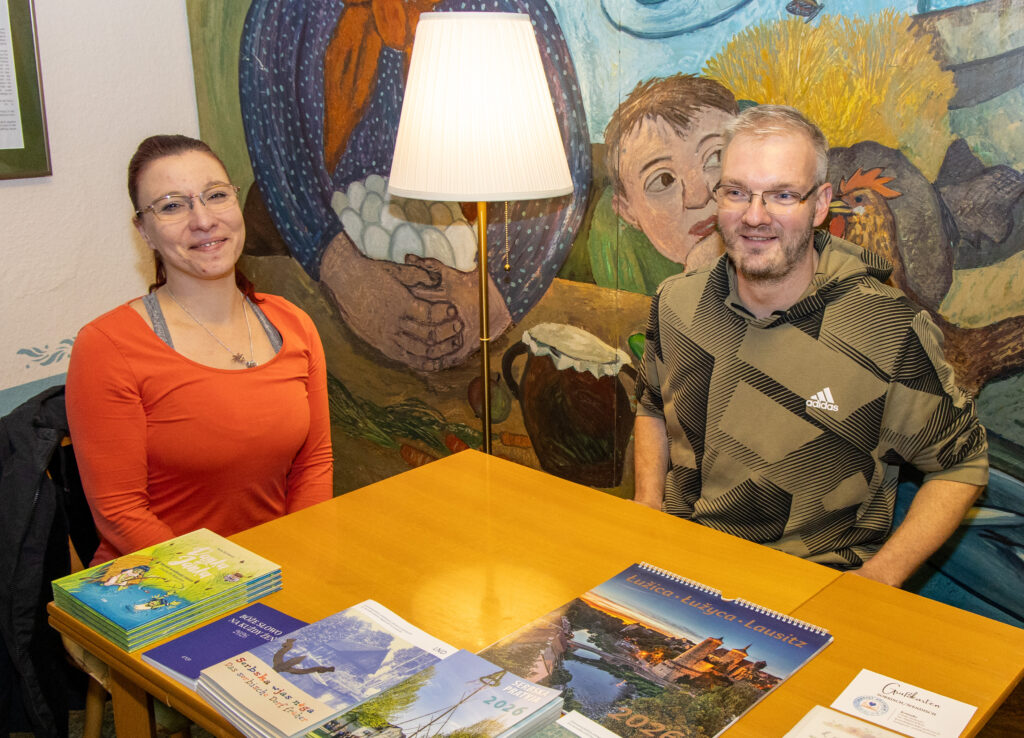
The annual Low German calendar “Serbska Pratyja”, published by Domowina-Verlag, chose the town of Striesow this time. The presentation was attended by authors and contributors as well as interested members of the public. The former Striesow village school – now used by the local traditional association – experienced a kind of revival on this evening: some of the older visitors knew the one-class school from their own school days, having sat in this room many decades ago. However, most of them only learned a lot about the history of the school and the history of the town during the presentation of the calendar.
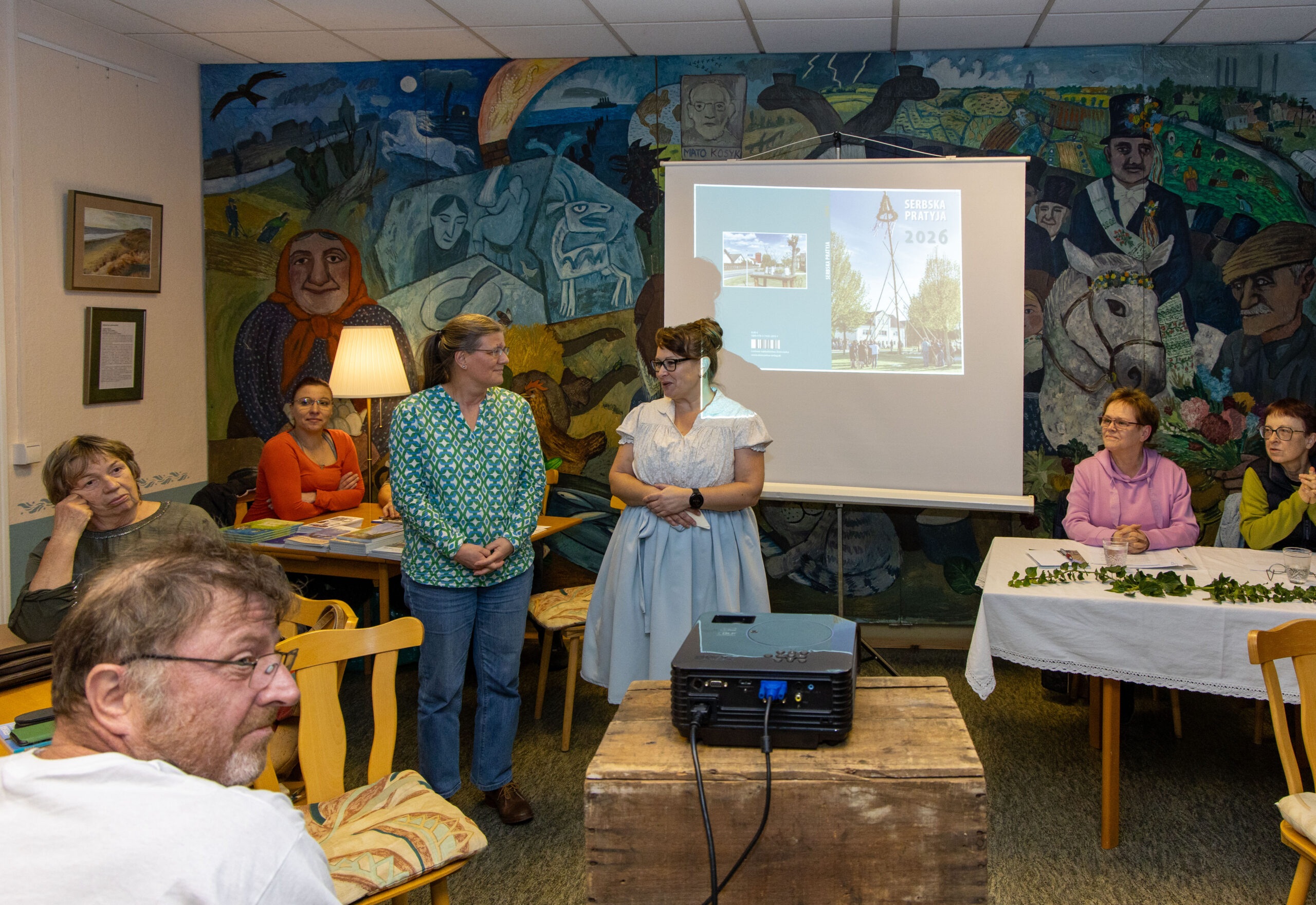
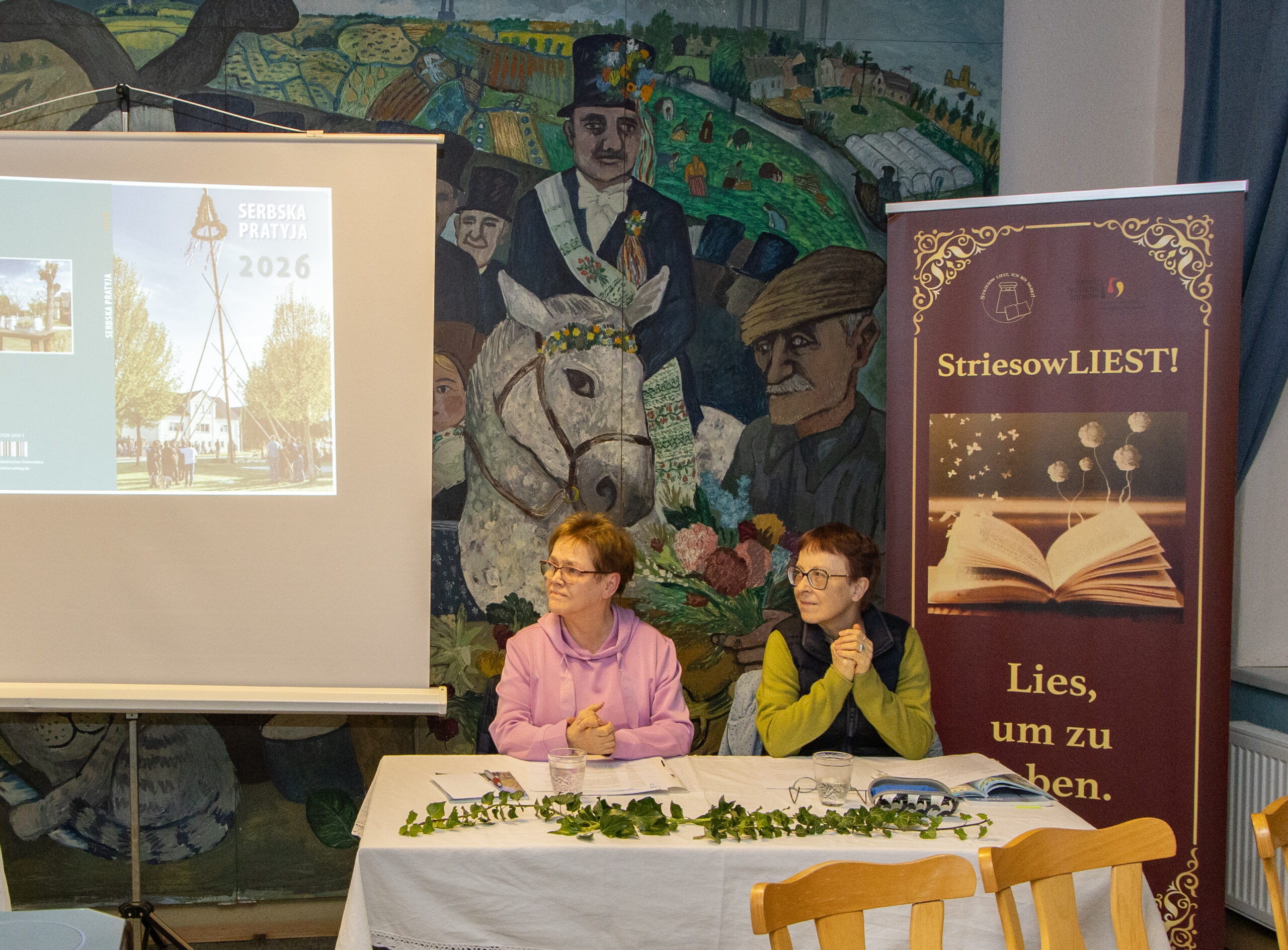
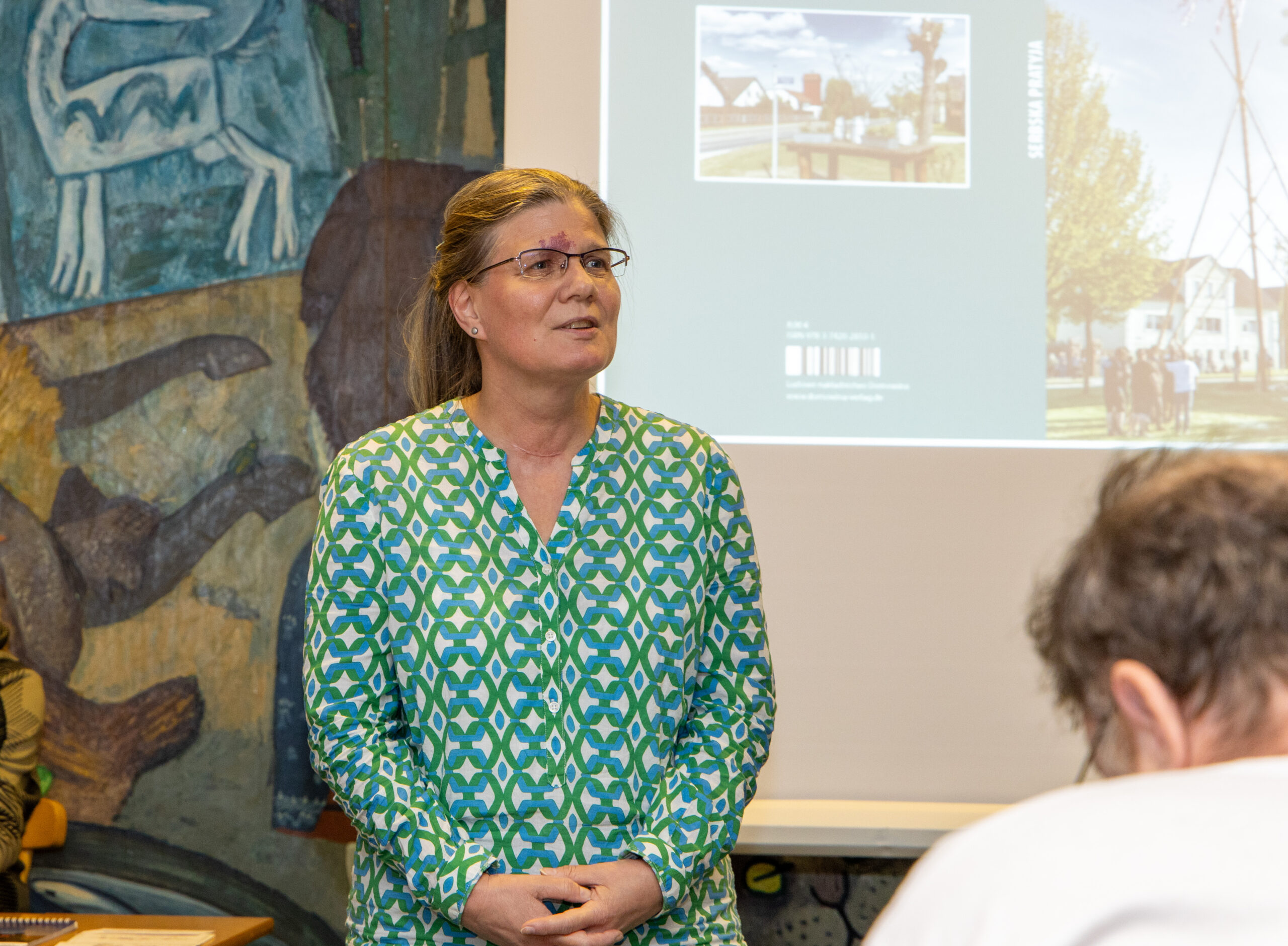
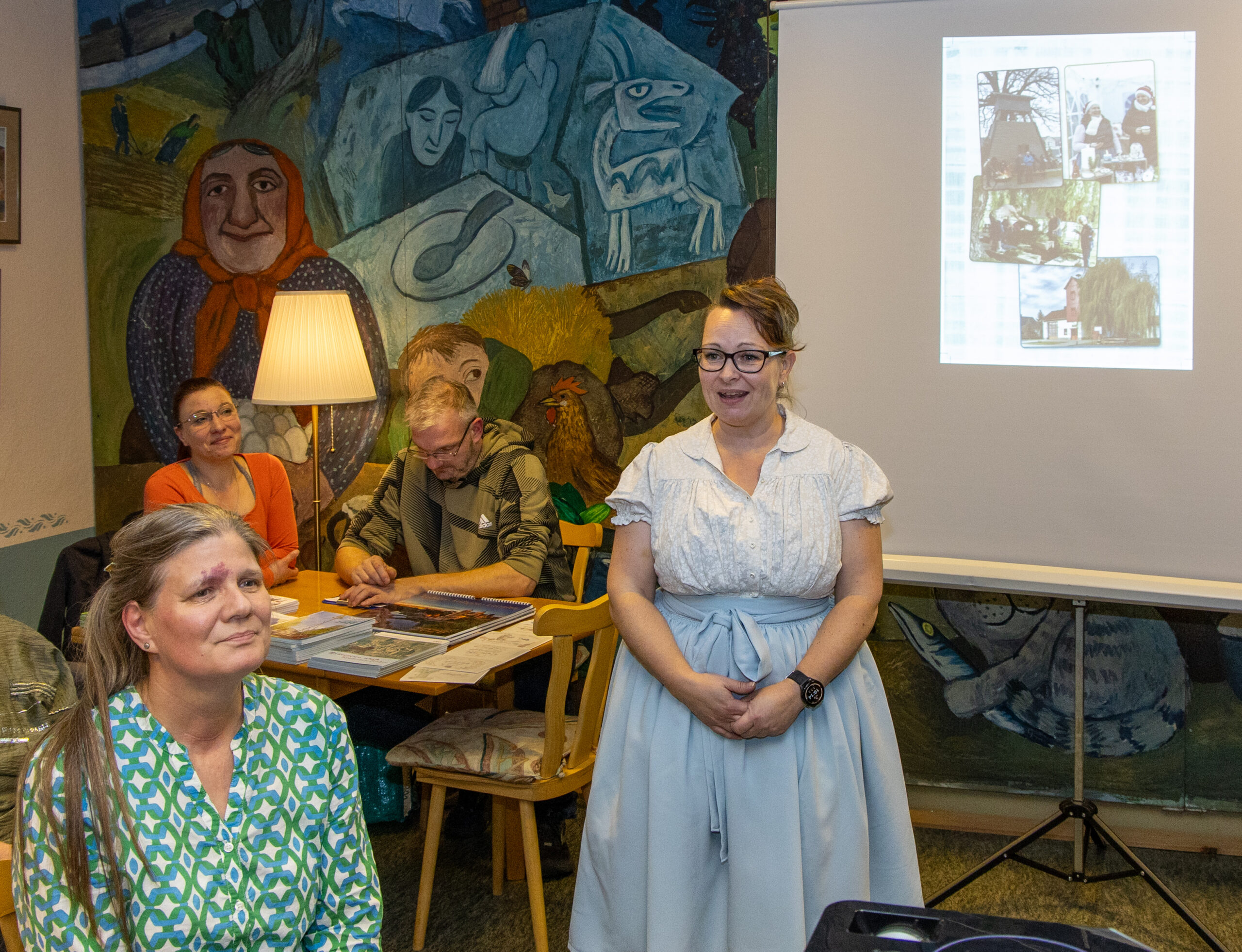
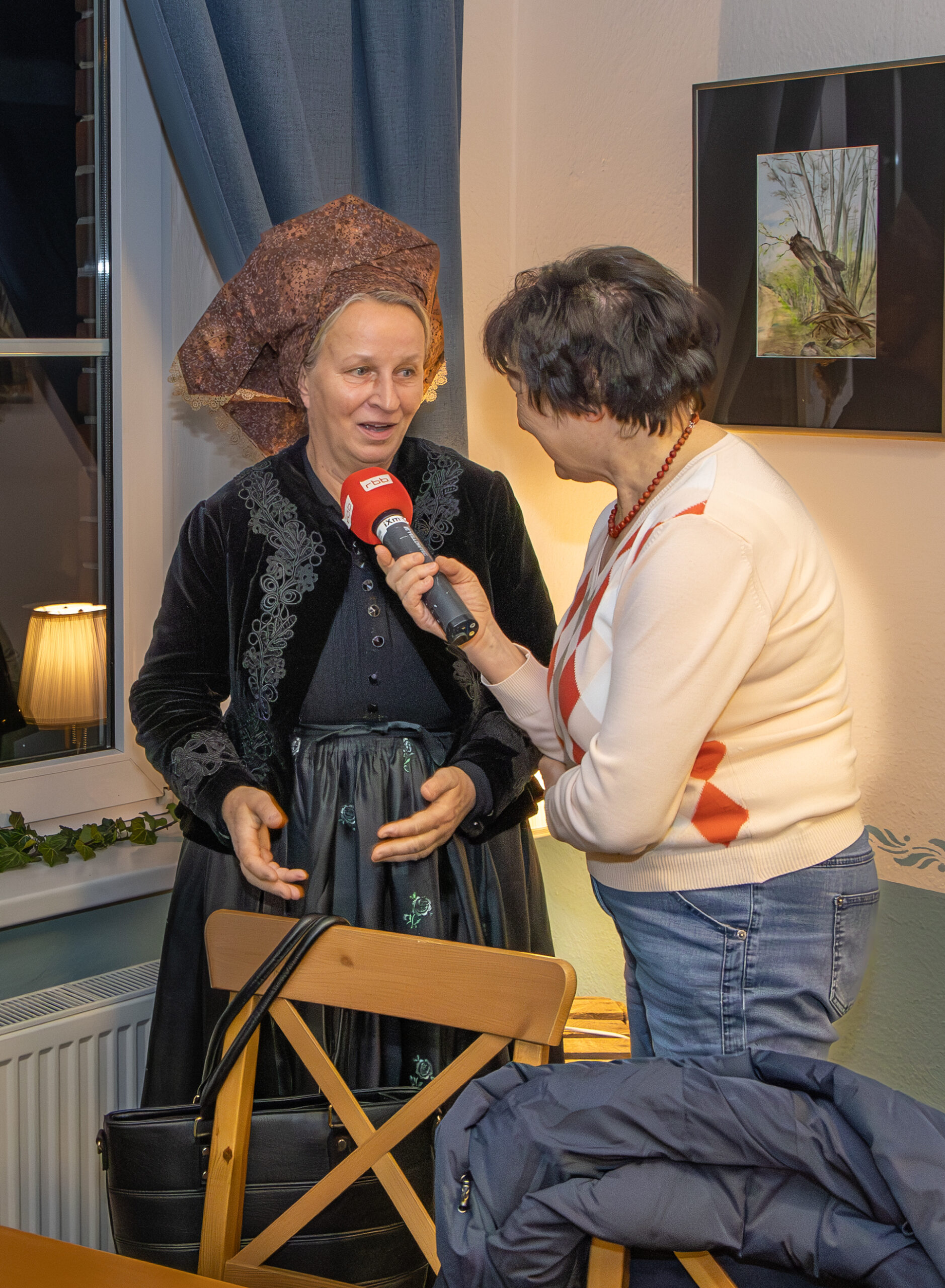
Striesow is a part of the municipality of Dissen-Striesow(Dešno-Strjažow) and is administered by the Amt Burg. Kerstin Otto-Böttcher, Chairwoman of the Striesow Traditional Association, welcomed the visitors to the presentation event and especially the editor Janka Pötschke de Levano and the editors Ingrid Hustädt and Martina Gollasch. Both divided the performance into a lecture held alternately in German and Lower Sorbian. The German-language part would almost not have been necessary, as the vast majority of visitors speak Lower Sorbian, as a brief survey at the beginning of the event revealed.
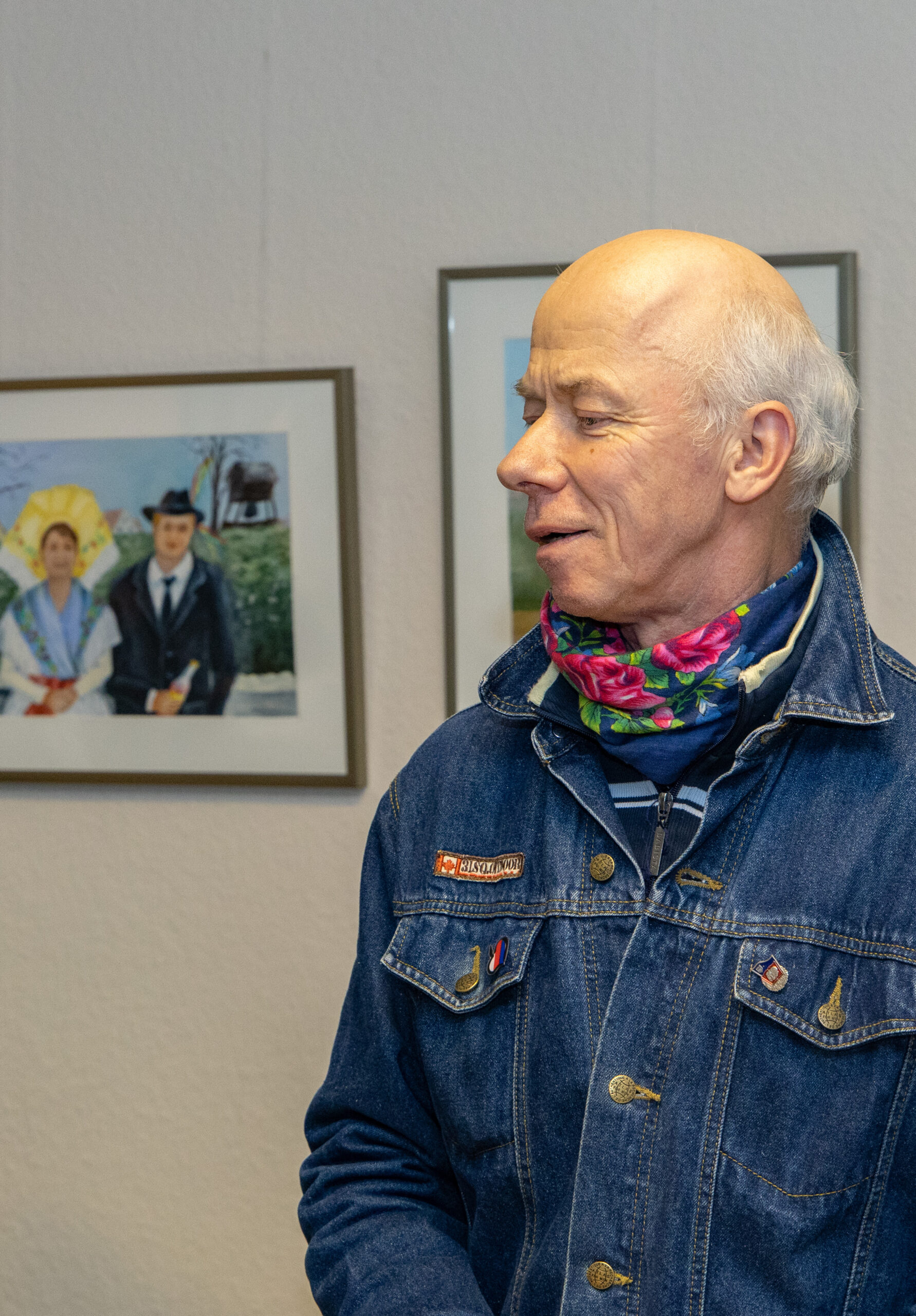
A well-crafted chronicle not only lists facts and figures, but also goes into major and minor episodes. It shows the work of the people, their worries and needs. Fires and floods have alternated over the centuries. The devastating fire of 1897, which affected 18 farms, is still etched in the “village memory”. In the same year, the village was severely affected by devastating floods in addition to the conflagration. These events and many others have been compiled by history-loving residents such as (first name?) Kuba and supplemented with historical photos.
The suppression of the Sorbian language after the National Socialists seized power was documented in the calendar, as was the slow revival of the Low Sorbian language and culture, especially after the political change. In hardly any other village do the farmsteads still have the Wendish name on an enamel sign next to the obligatory house number. The people of Striesow are proud of their bell tower, which once determined the daily routine, from the start of school to the evening peal. A peal of bells between the usual times was dedicated to special events, from weddings to funerals, from fires to floods – and the start of the war on September 1, 1939, as the chronicle reports.
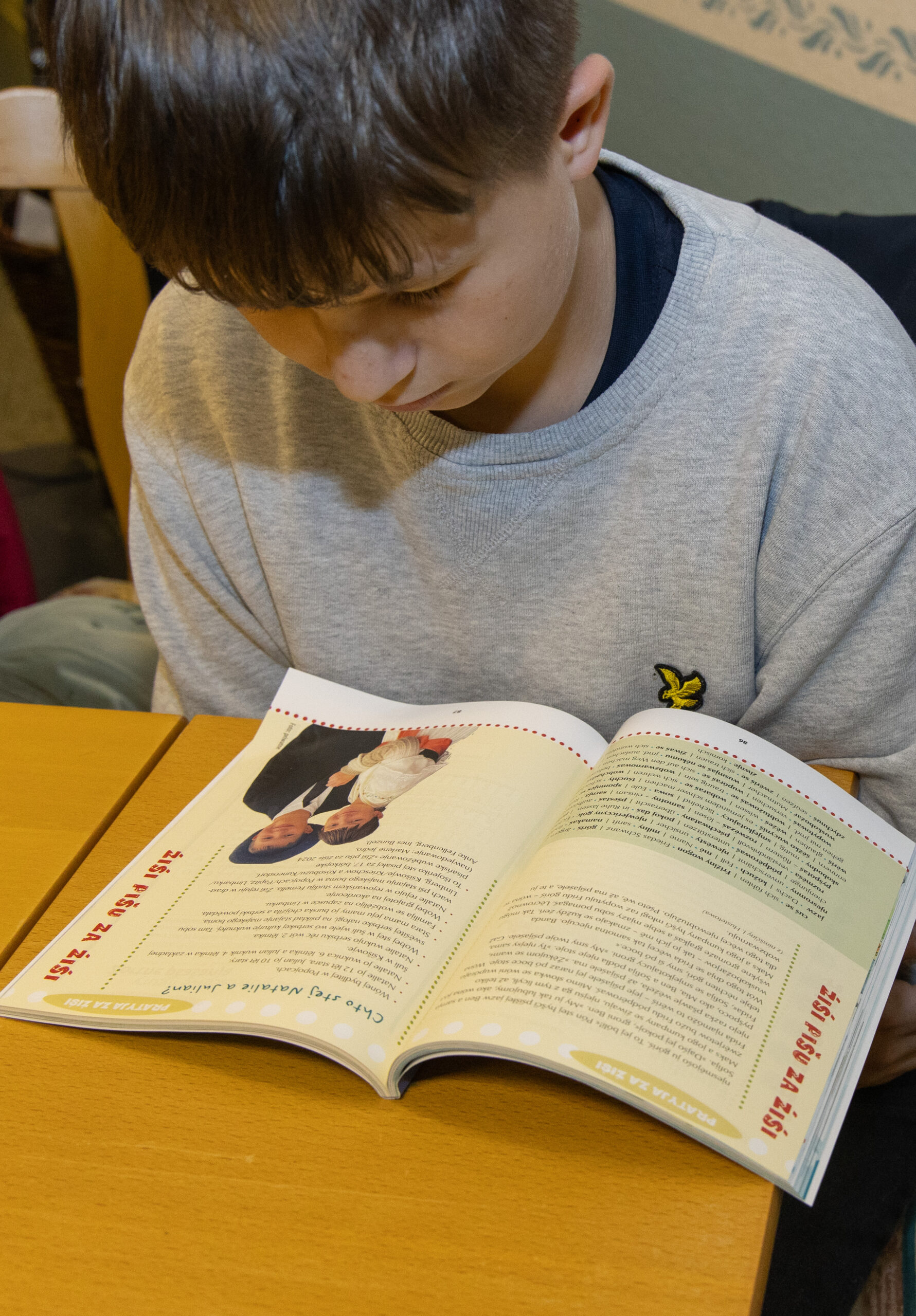
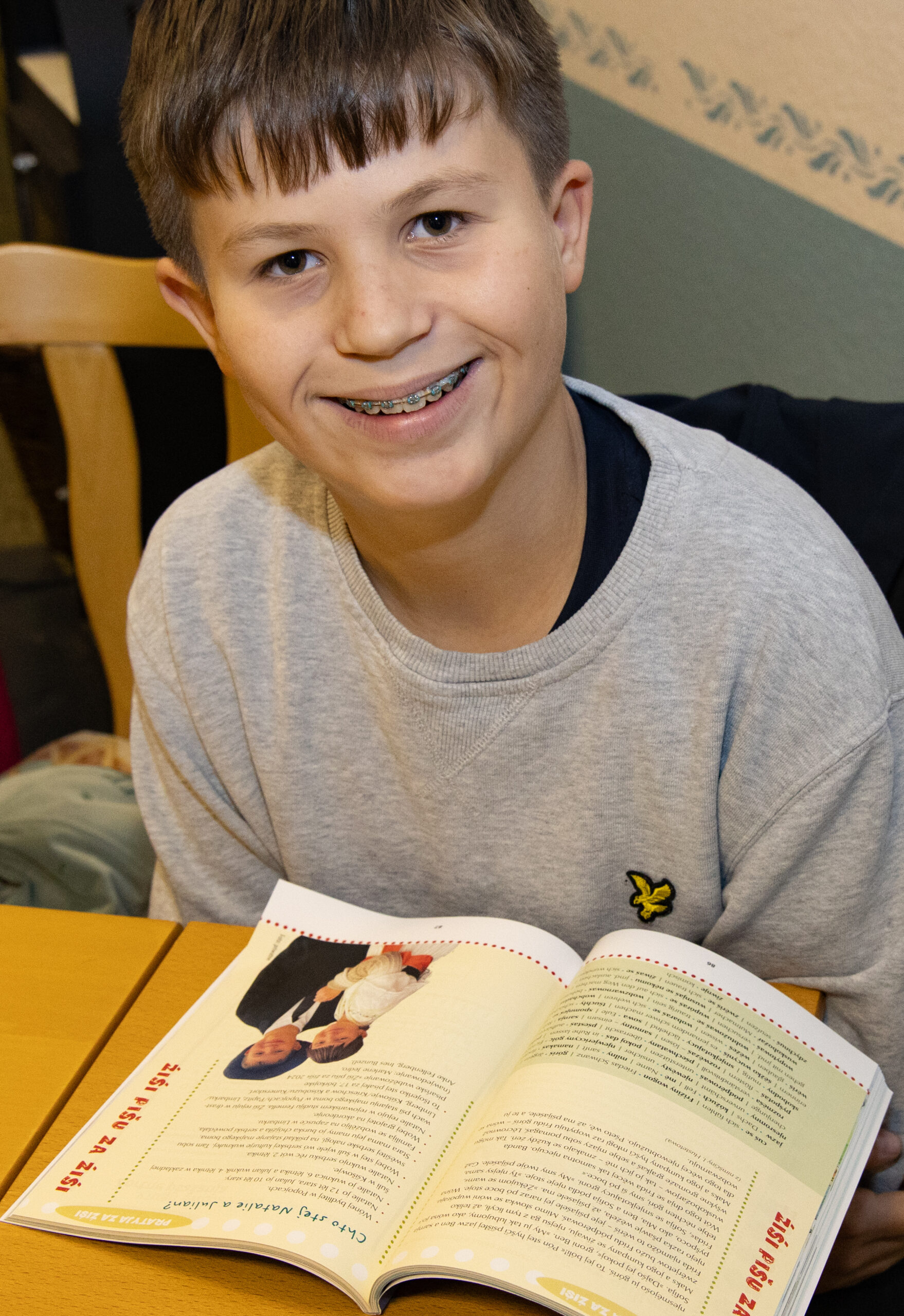
In Pratyja 2026 there is a section edited by Ingrid Hustädt that relates in particular to childhood and youth. The chronicle is therefore not only a retrospective, but is also “placed in the hands” of the village youth on this day, as they should remain connected to their village and be encouraged to continue what their parents and grandparents lived and continue to live.
Peter Becker, 08.11.25