
On the Road with “Milena” – A Tour Guide’s Experiences Over Two Decades
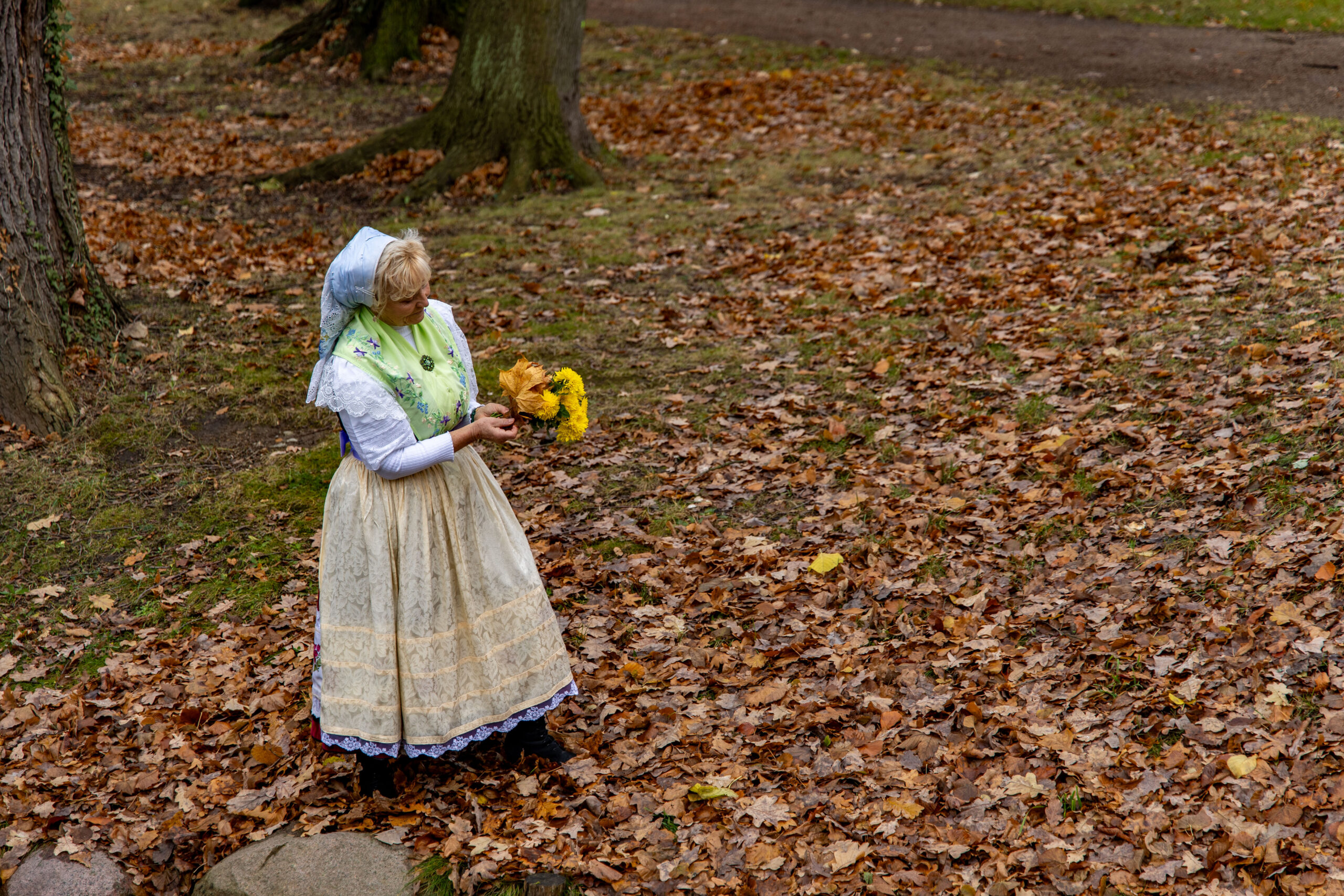
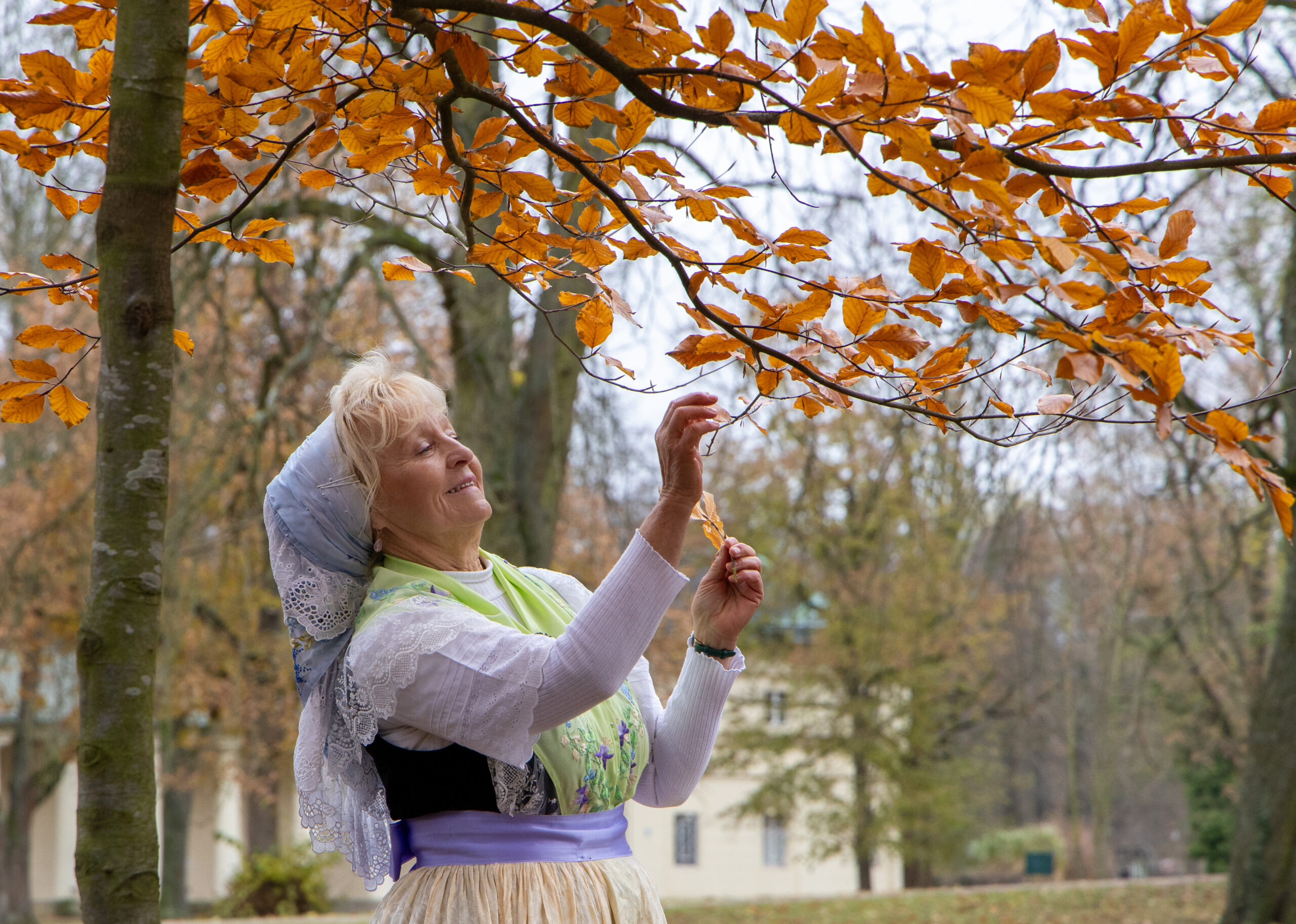
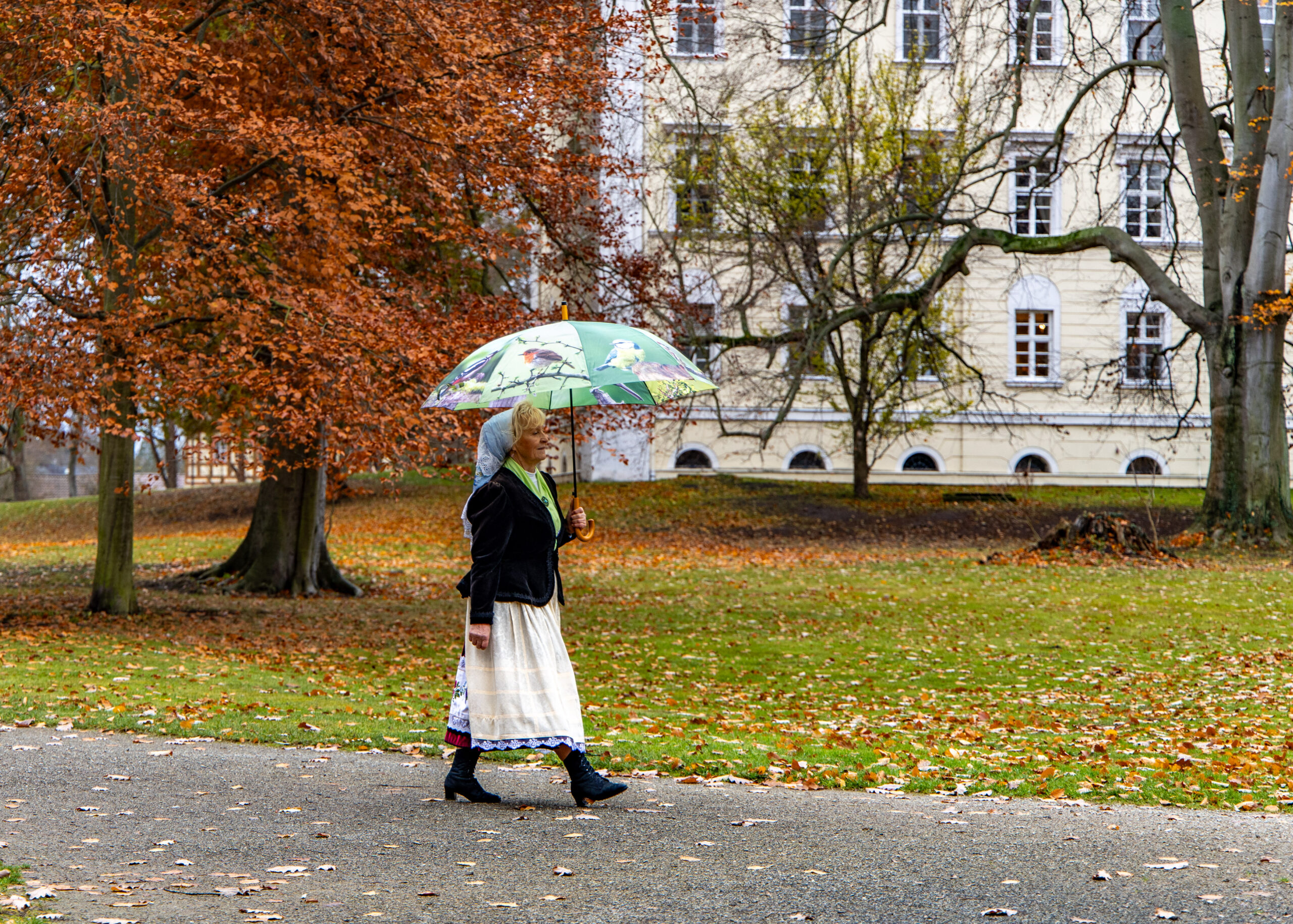
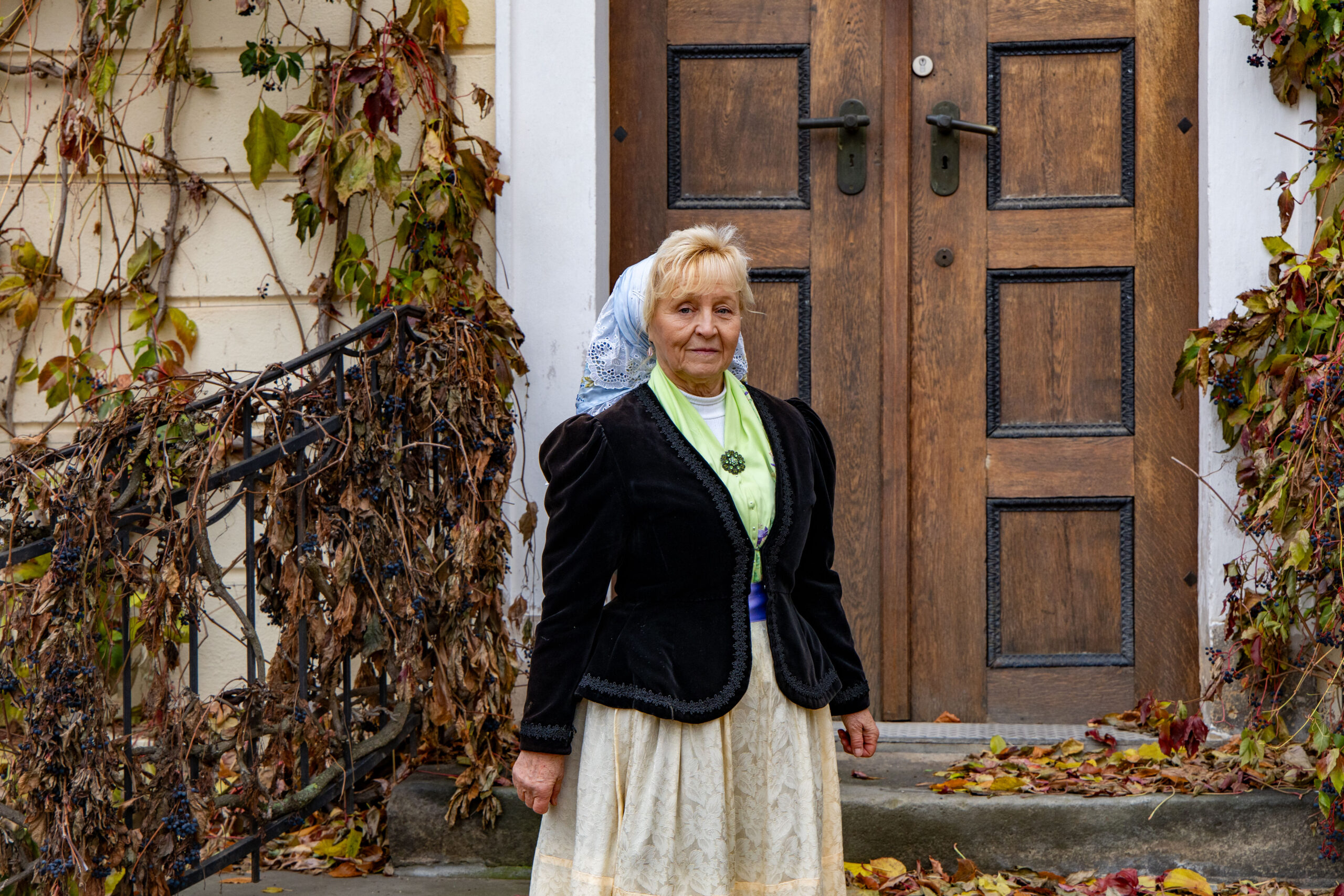
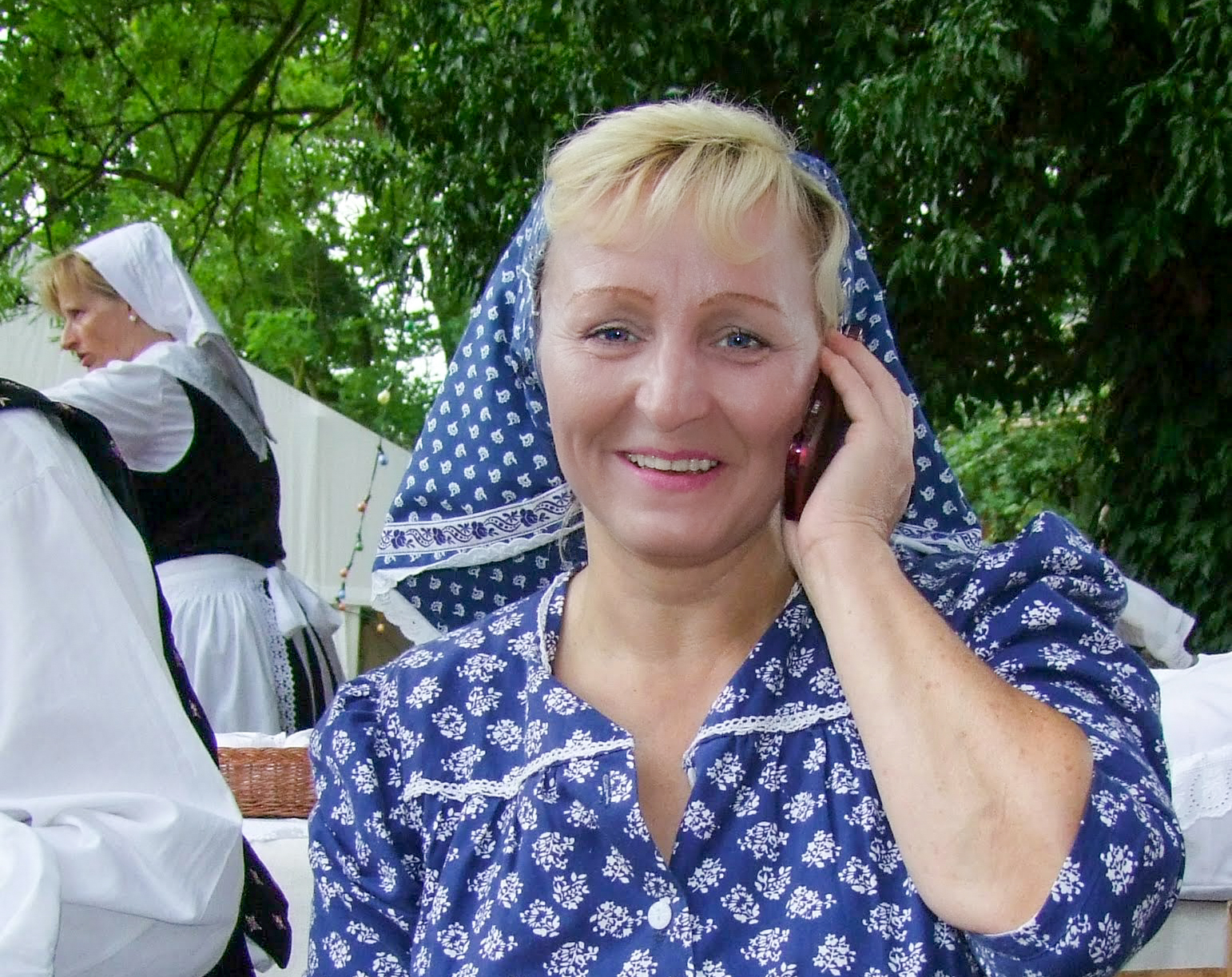
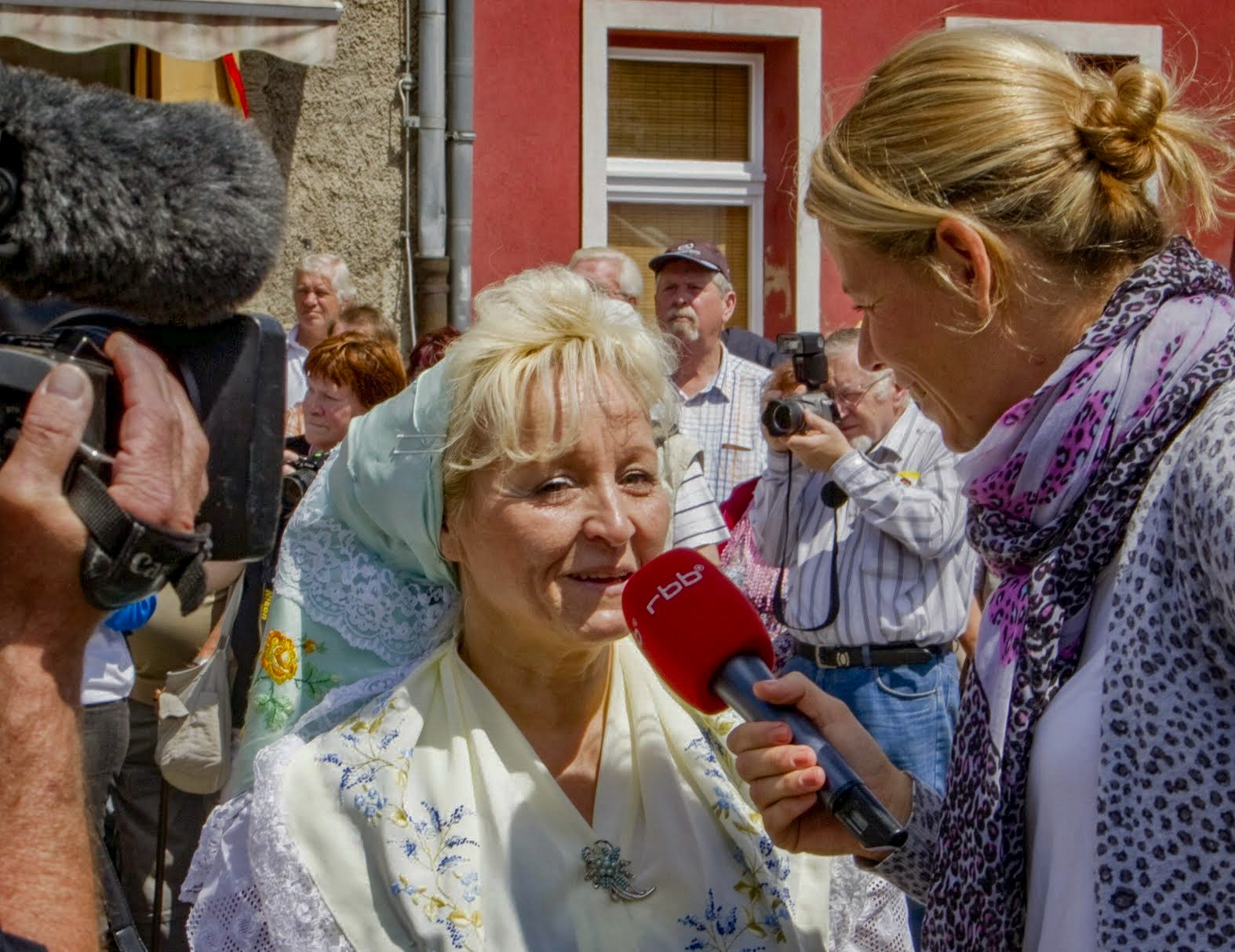
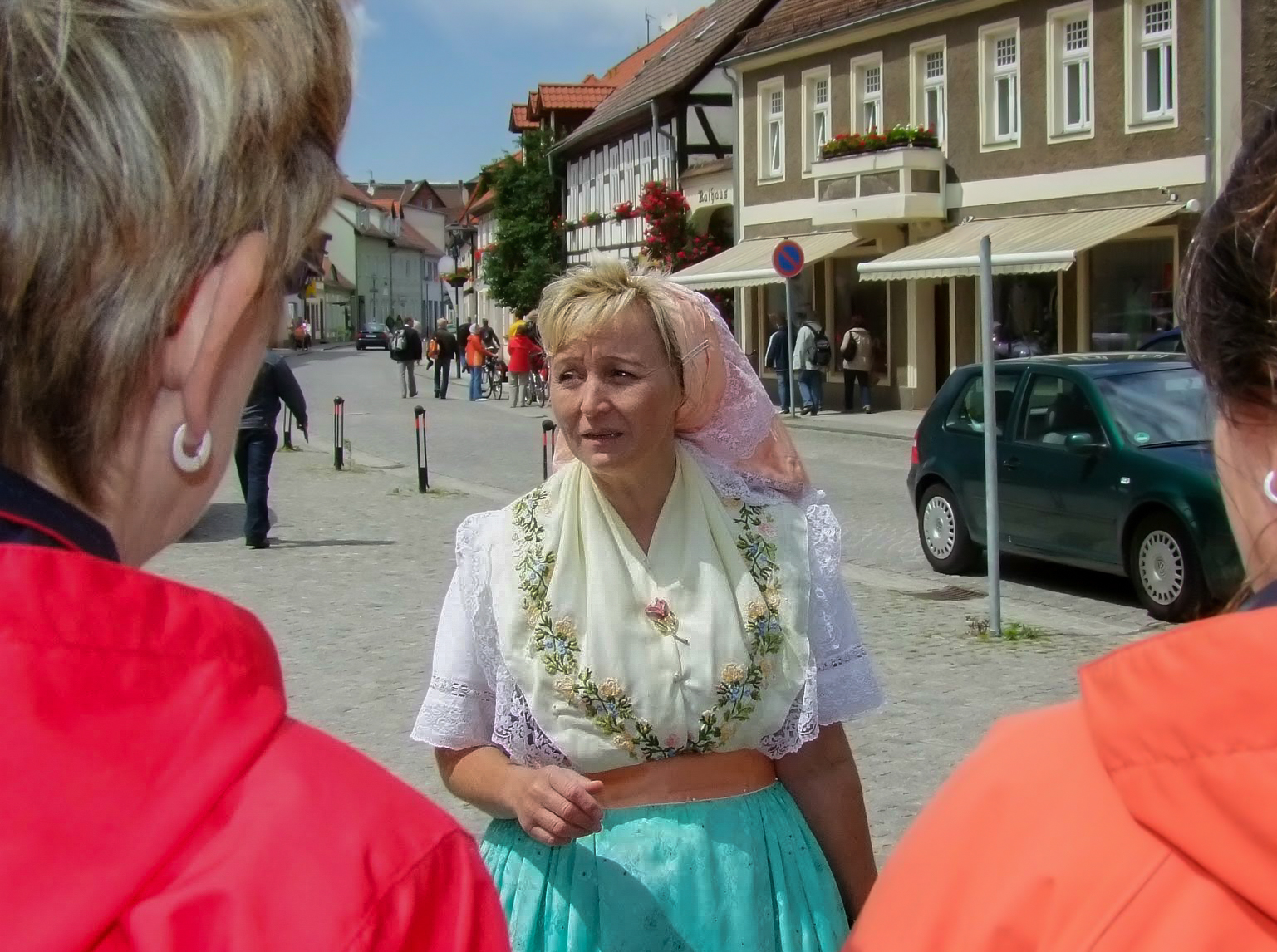
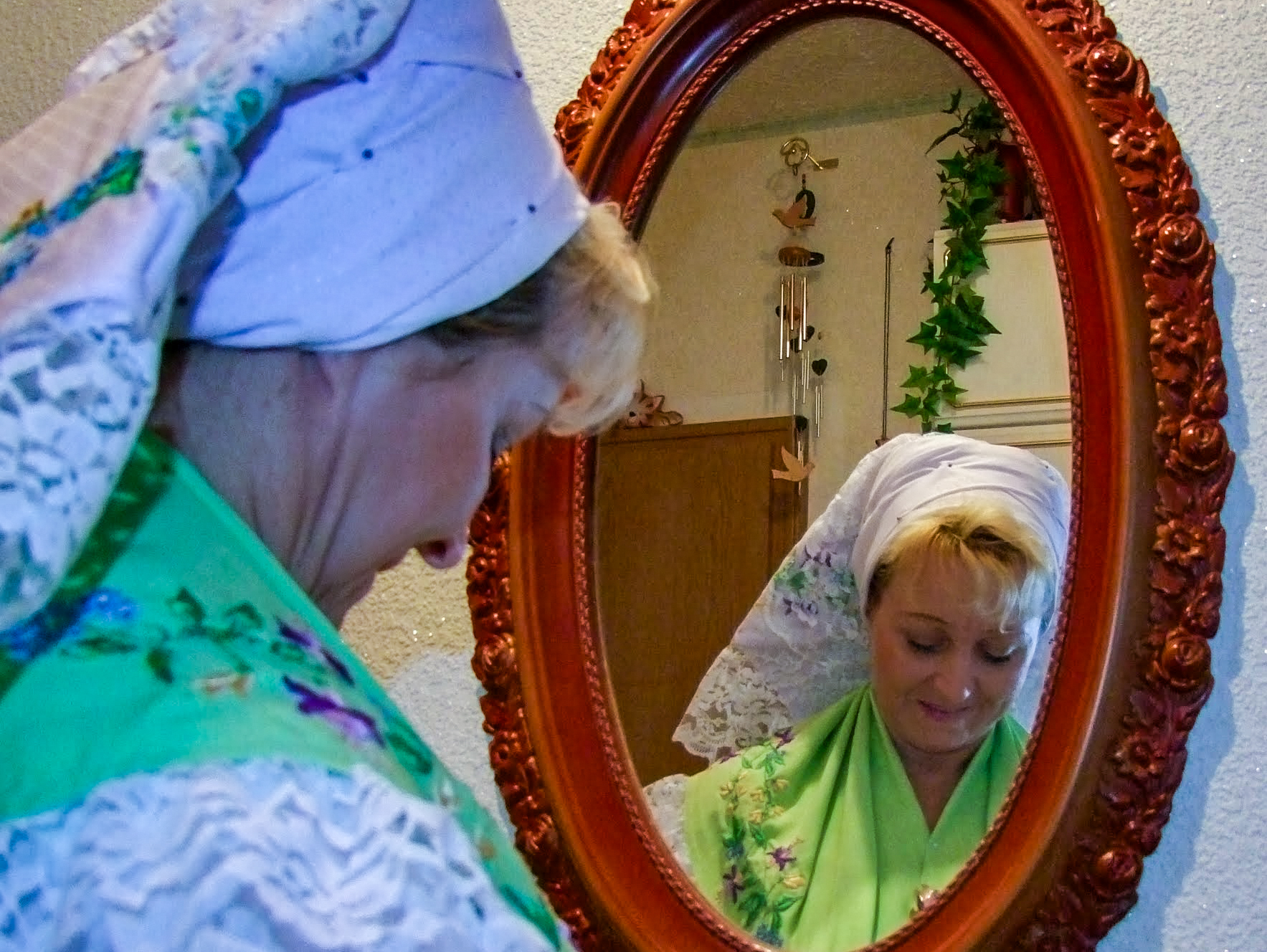
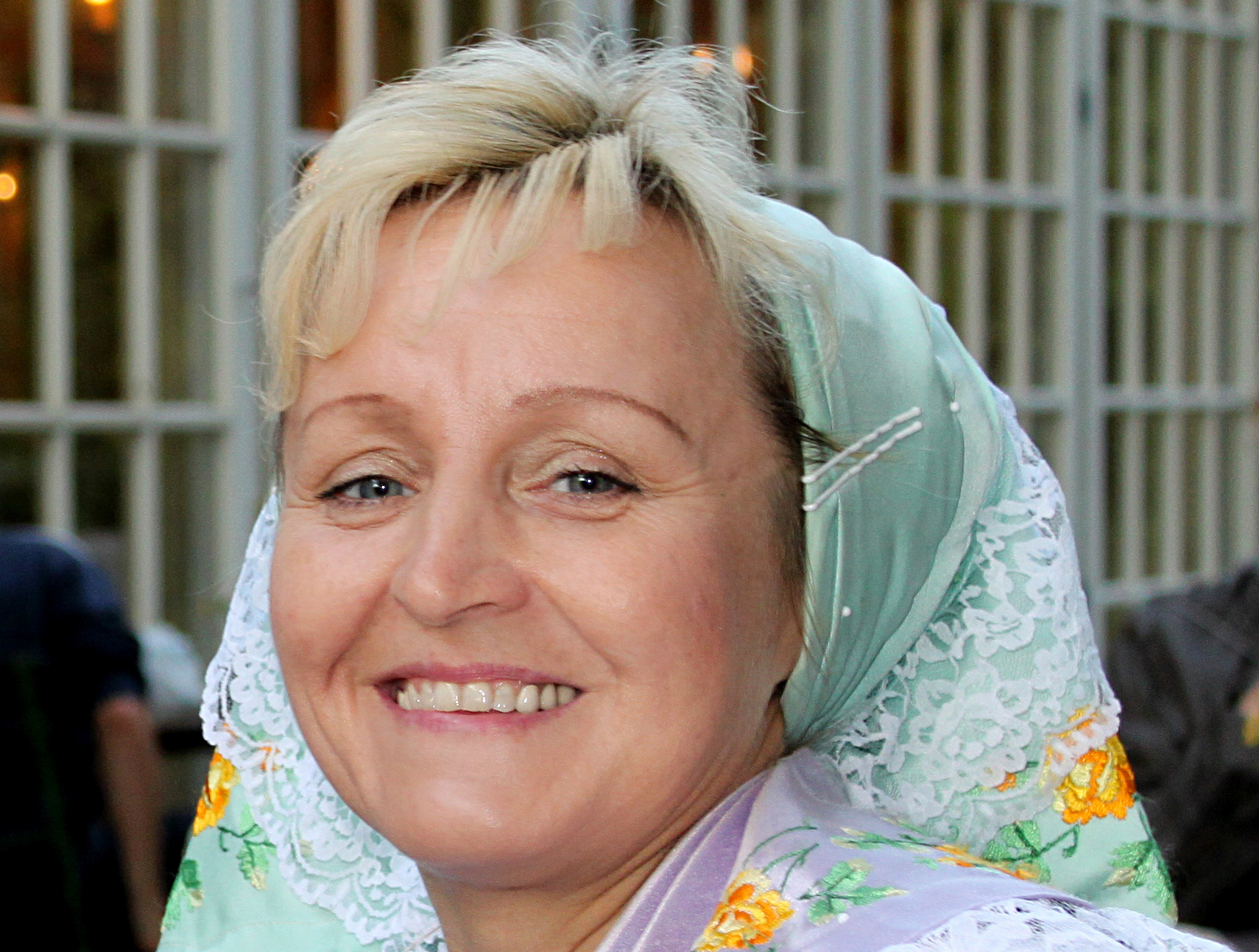
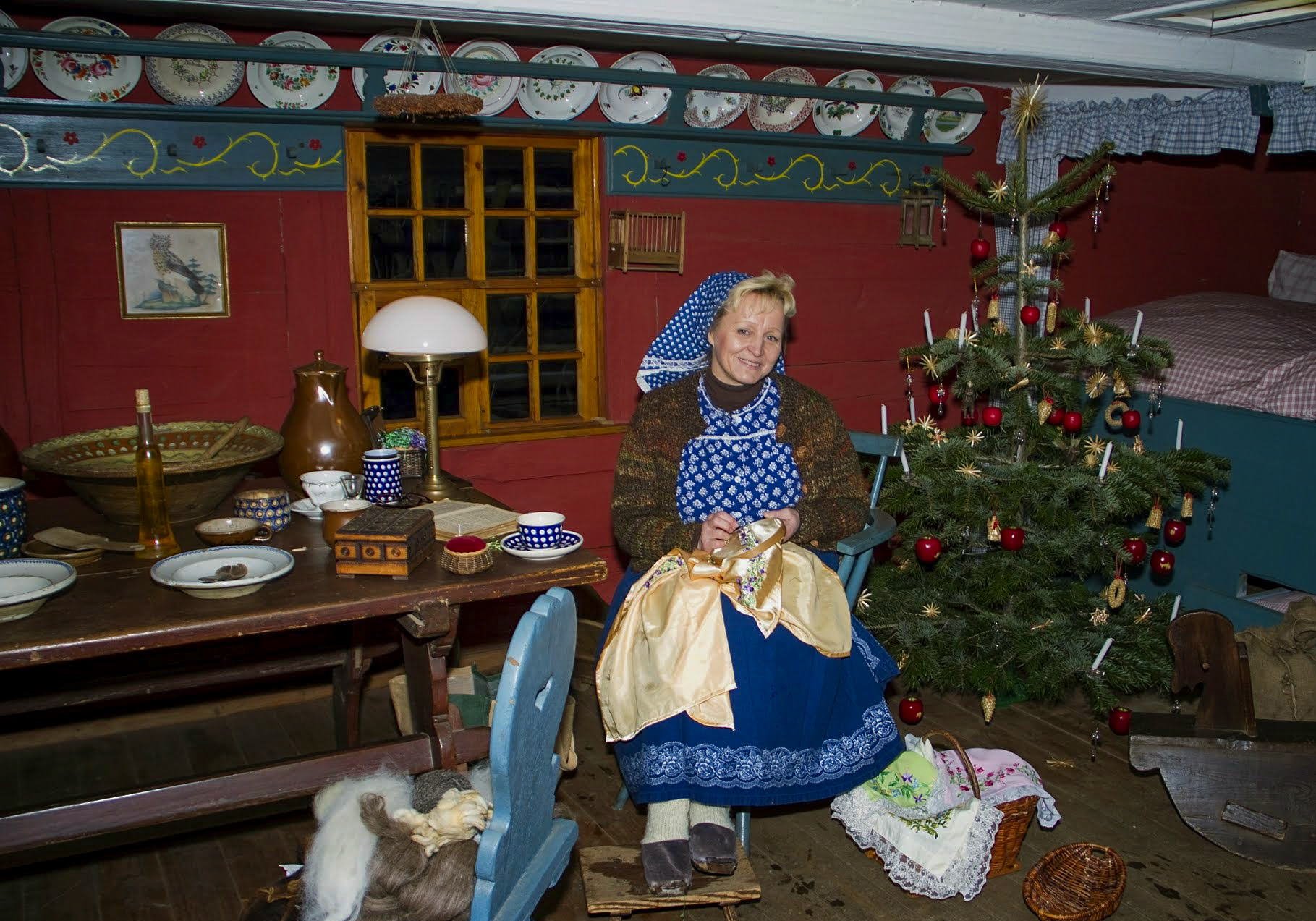
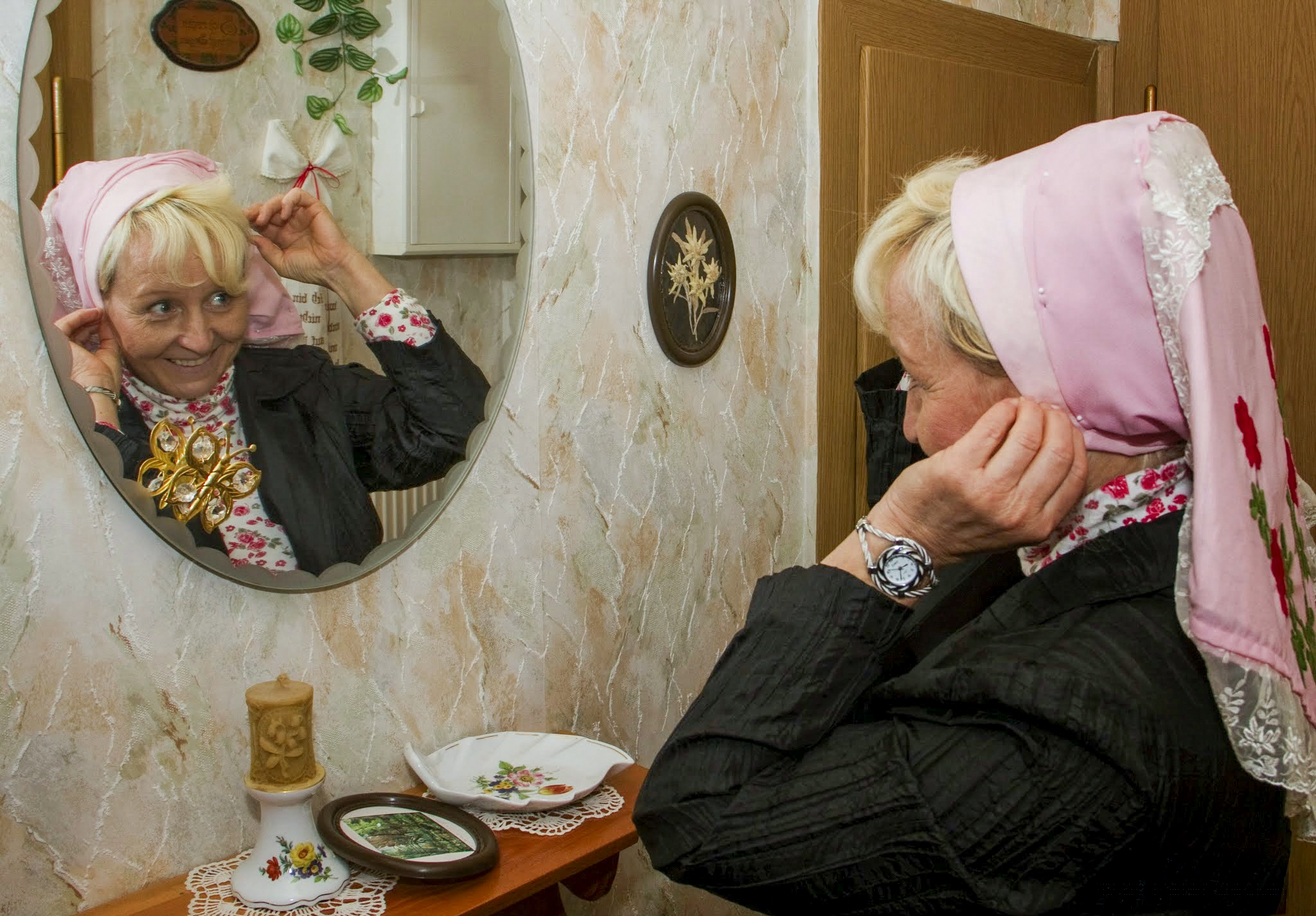
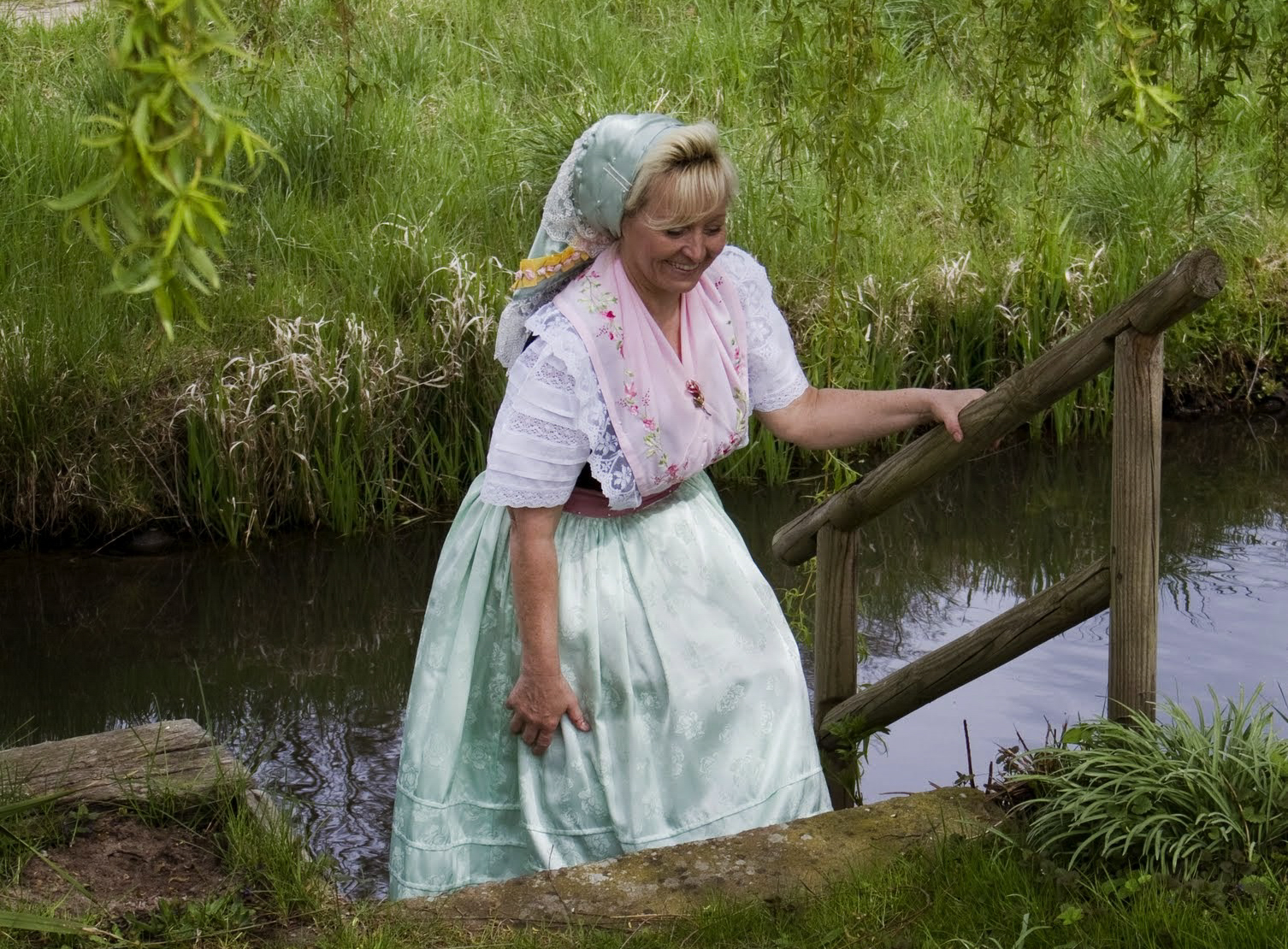
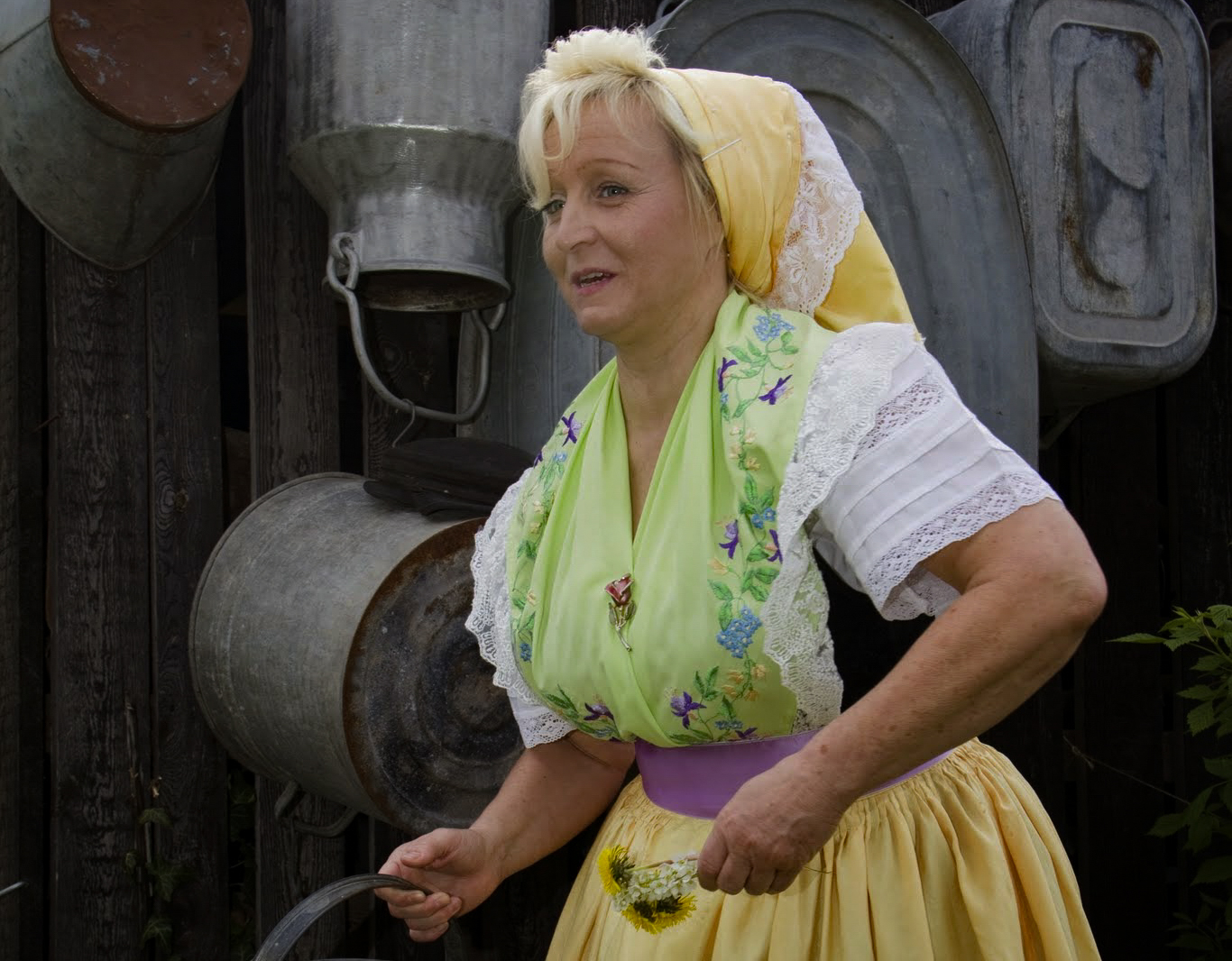
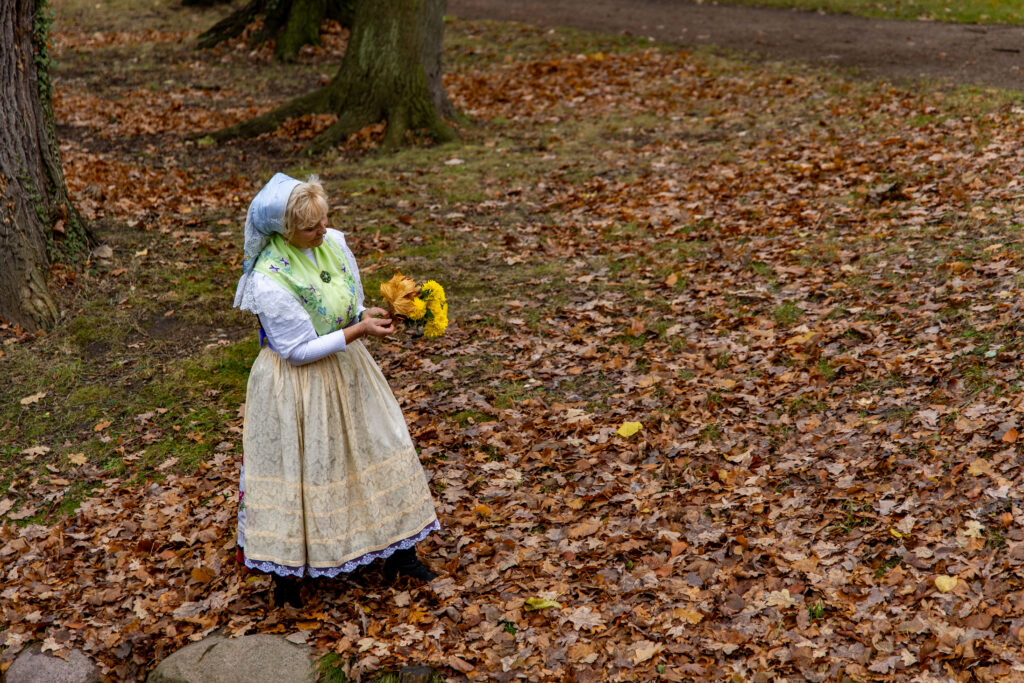
Monika Baumgart, “Milena,” doesn’t regret her decision to go into business for herself for a single second. A trained sales specialist, she worked her way from job creation programs to internships after the fall of the Berlin Wall, which is how she ended up at the tourism association in Raddusch. During her internship, which lasted several months, she was tempted to try on a traditional costume—“just for fun.” Visitors who happened to be there suddenly took notice of her; she suddenly felt she was being noticed, but at the time she was not yet able to fully answer their questions about the traditional costume and the Sorbian people. “I was suddenly seen as a ‘real’ Spreewald native—someone who was expected to be knowledgeable and have an answer for every question,” she says, looking back on that time, which served as her motivation. “I then became more and more immersed in it, spent nights on end studying traditional costumes and customs, even learned the Lower Wendish language, and started embroidering parts of the costume myself.” Facing unemployment again after her internship, she gave herself a push: “Now make something of it—you’ve got what it takes and people like you—go ahead and start your own business!” Monika Baumgart recalls that time 20 years ago. The project “On the Road with Milena” was born, and she offered her services as a Lübbenau city and Spreewald tour guide dressed in traditional costume. Milena is of Old Slavic origin and means something like “lovely” or “charming.”
Since then, she has been guiding guests through Lübbenau and the Spreewald, hosting evening events, and performing wherever she is booked—mostly in hotels. Sometimes she also plays the “opposite” of the Spreewald woman dressed in traditional costume, appearing as an “old auntie”—someone who, in the Spreewald dialect, “can’t keep up with the times”—always having the audience in stitches.
The ritual foot-washing sessions have become legendary—they took place during their mustard and horseradish evenings back then at the Kaupen 6 restaurant in Lehde. “Many a brave man subjected himself to the hot and spicy mustard water—which invigorated all the senses (!)—(or was encouraged to do so by his wife…)” she recalls today. Since the pandemic, those evenings there are a thing of the past, but they are an inseparable part of “Milena’s” history.
A lot can happen in 20 years, especially at outdoor events like guided tours. “Everyone can picture what it’s like to be out in traditional costume in a storm or rain, but the heat can sometimes be worse,” recalls “Milena,” thinking back on some of those experiences. “Sometimes we take it with a sense of humor—like when the group makes it to a restaurant just in time, the rain doesn’t let up, but the enjoyment of beer only increases. Sometimes fate isn’t kind at all—I once set out for Mallenchen, where we live, in a completely soaked traditional costume and ended up getting the car soaked right away,” recalls the tour guide. But there are also the beautiful moments, mostly the completely spontaneous ones. Monika Baumgart: “Once I was out with a group in the Lübbenau castle district when suddenly someone broke away from another group and came over to me. It was none other than Federal President Steinmeyer, who—with his flustered security guards in tow—simply wanted to take a closer look at a woman from the Spreewald in traditional dress.” After a brief chat, both groups went their separate ways. Another encounter has also made its way into her long-term memory: a guided tour for the blind and visually impaired. “During that tour, I even let them touch my traditional costume—sometimes it turned into more than necessary…!” she recalls with a gentle smile, looking back on that special tour.
See also https://spreewald-milena.de/
Peter Becker, November 18, 26

