
Kurt Vorwachs and His Spreewald in a Nutshell
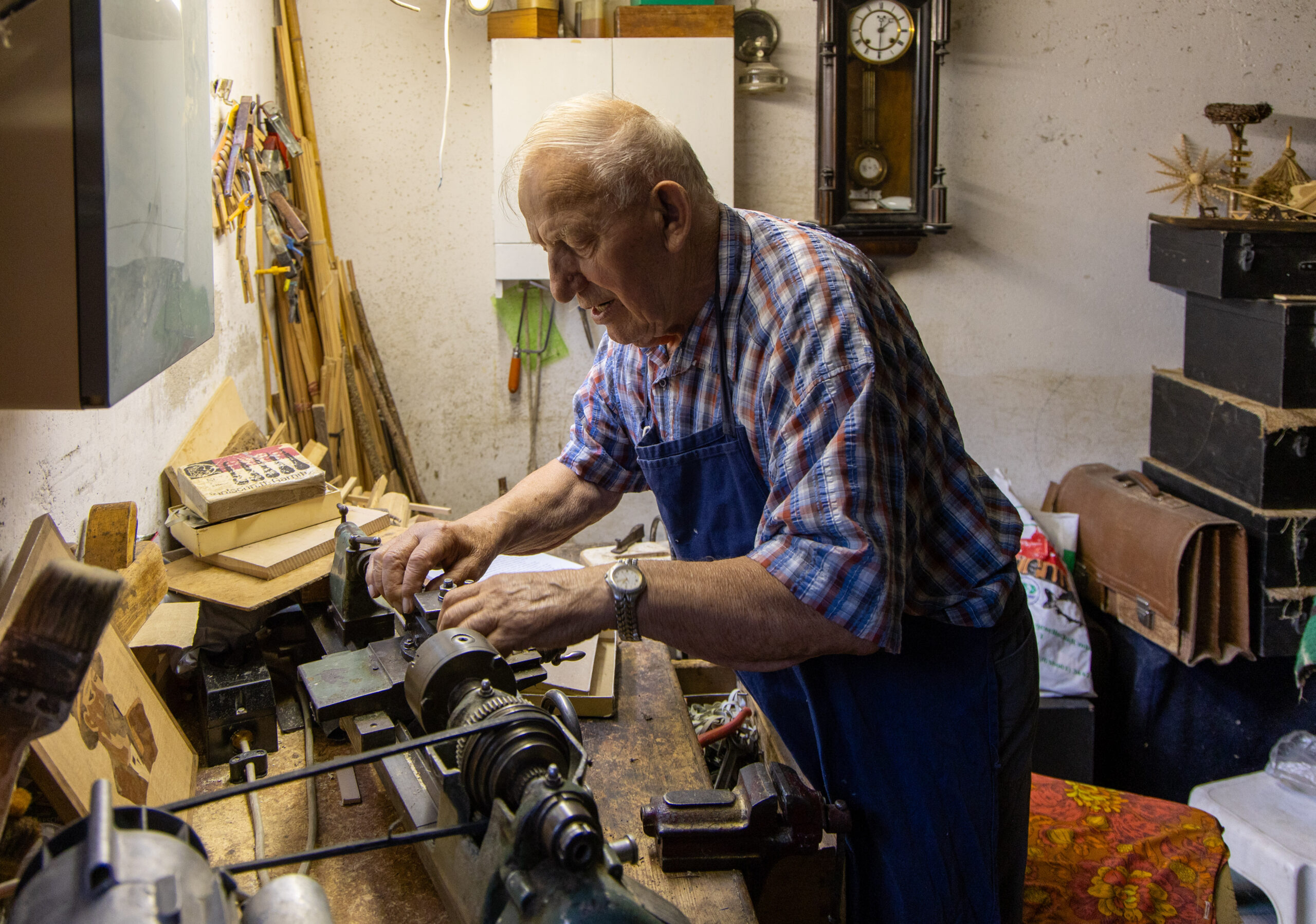
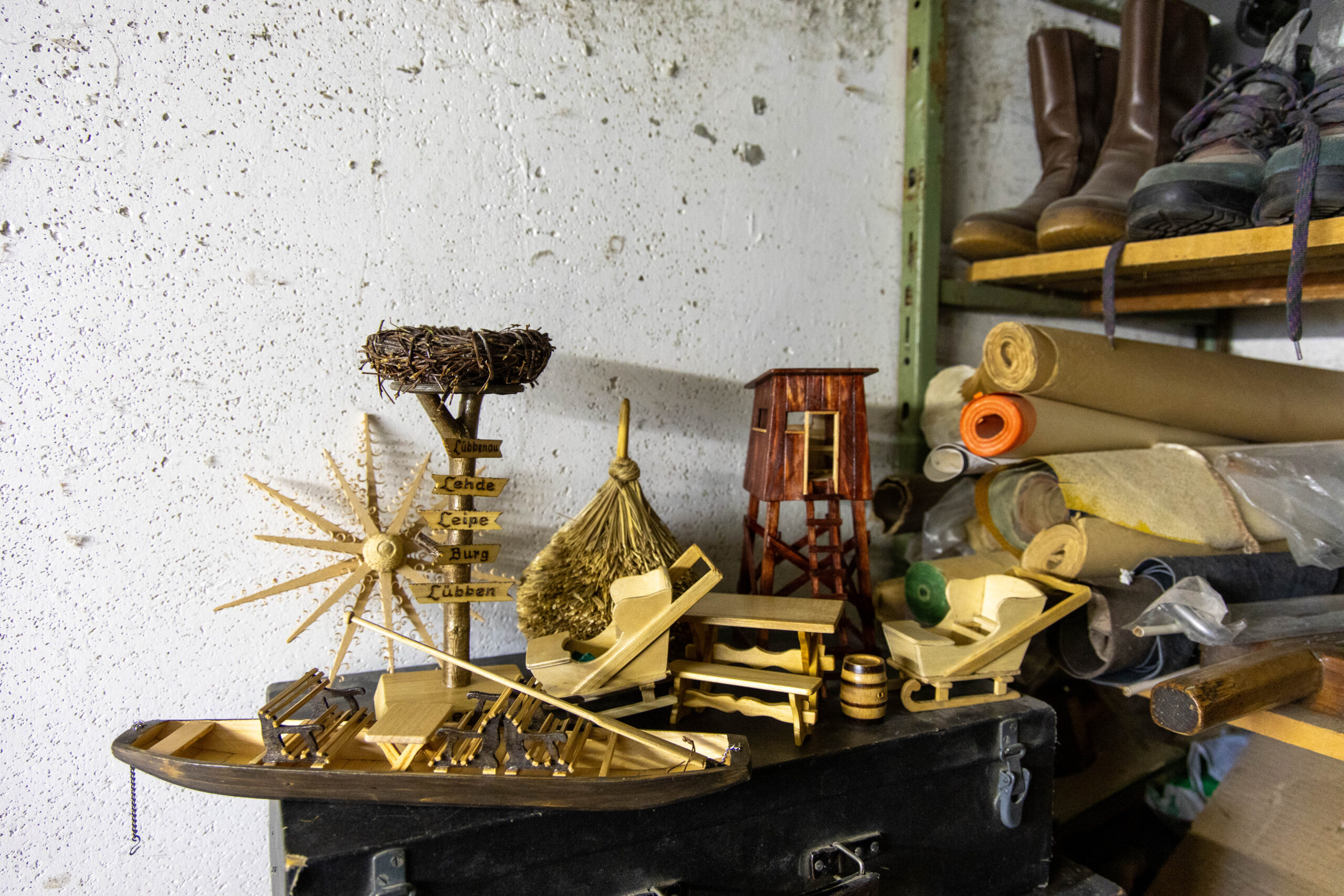
Time and again, 91-year-old Kurt Vorwachs, who lives on Schillerstraße in Lübbenau, finds himself drawn to the“Touristenstation”in the Old Town on Dammstraße—and has been doing so for decades. The “Station,” as it is known among the residents of Lübbenau, remains in parts almost exactly as it was when it was built over 60 years ago as the “Station for Young Scientists and Technicians.” It is now operated by AWO Integrations- und Service GmbH, under the name “AWO Tours.” The walls and ceilings of the workshops still feature the GDR-style Sprelacart design. Here, Kurt Vorwachs and “his guys” build wooden models of Spreewald houses, bridges, boats, and whatever else his hobbyists come up with and ask for. The groups have gotten smaller in the meantime, but Kurt Vorwachs can’t—and won’t—give it up; he’s driven by the desire to pass on his extensive knowledge of woodworking. Sebastian Liedtke, the AWO facility director: “We like to talk about the old days—how he used to experience everything here. I’m amazed at how fit he is, and I’m happy that I can continue to offer him meaningful activities.”
Between his appointments on Dammstraße, Kurt Vorwachs handles his daily tasks with his usual ease. He drives to the Spreewald to go shopping or sometimes just for fun. He often goes to the station, too, where he checks to make sure everything is in order and sits on a bench watching the many sightseeing boats glide by. His wife then asks him to bring some water from the Spree in a pitcher, because her houseplants don’t tolerate the hard tap water very well.
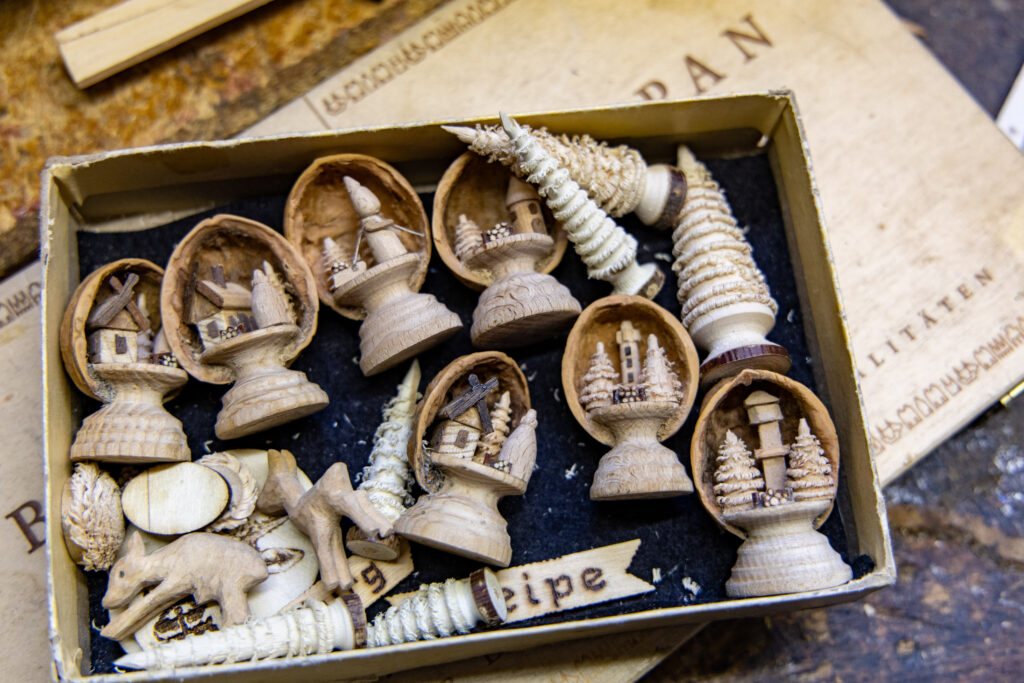
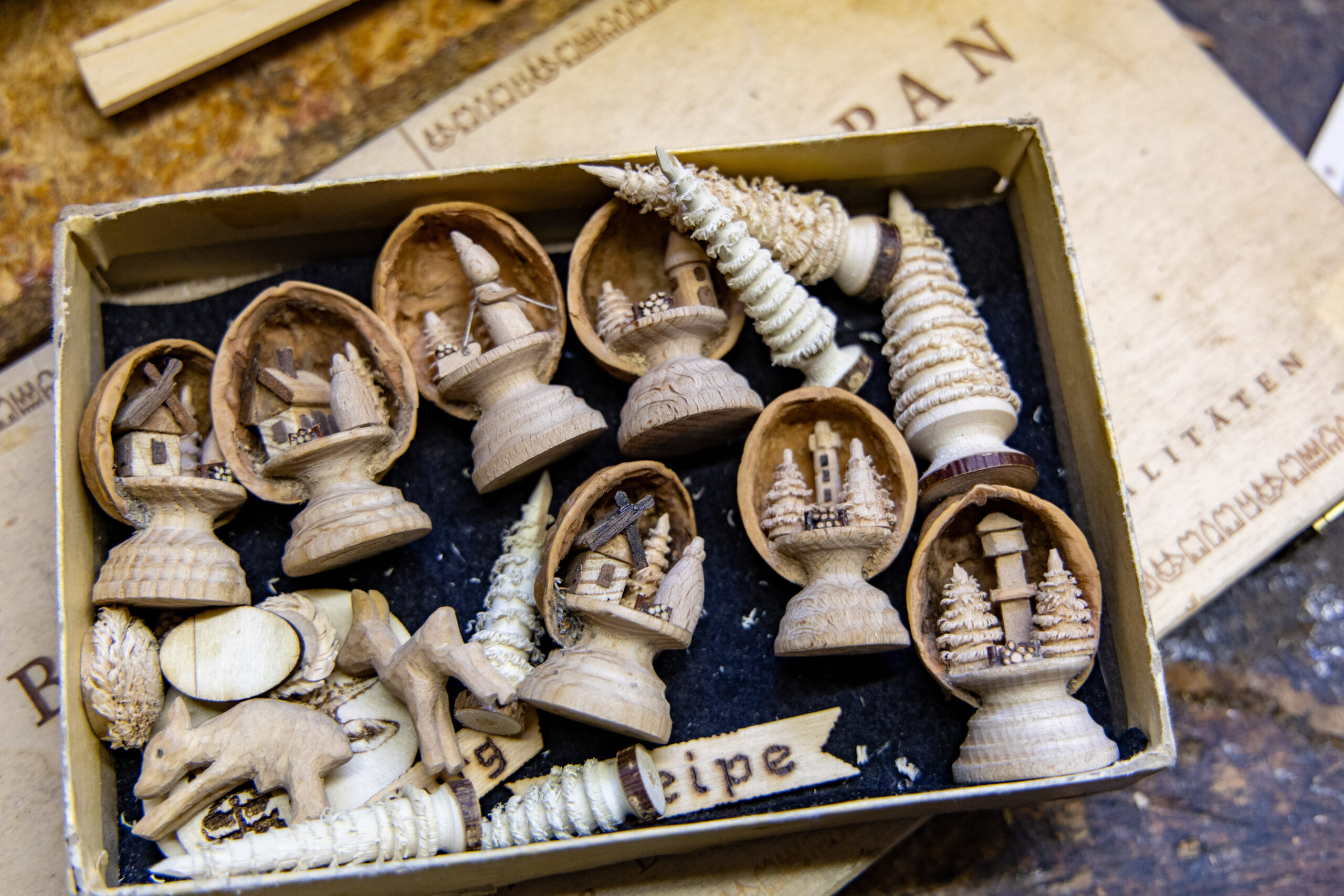
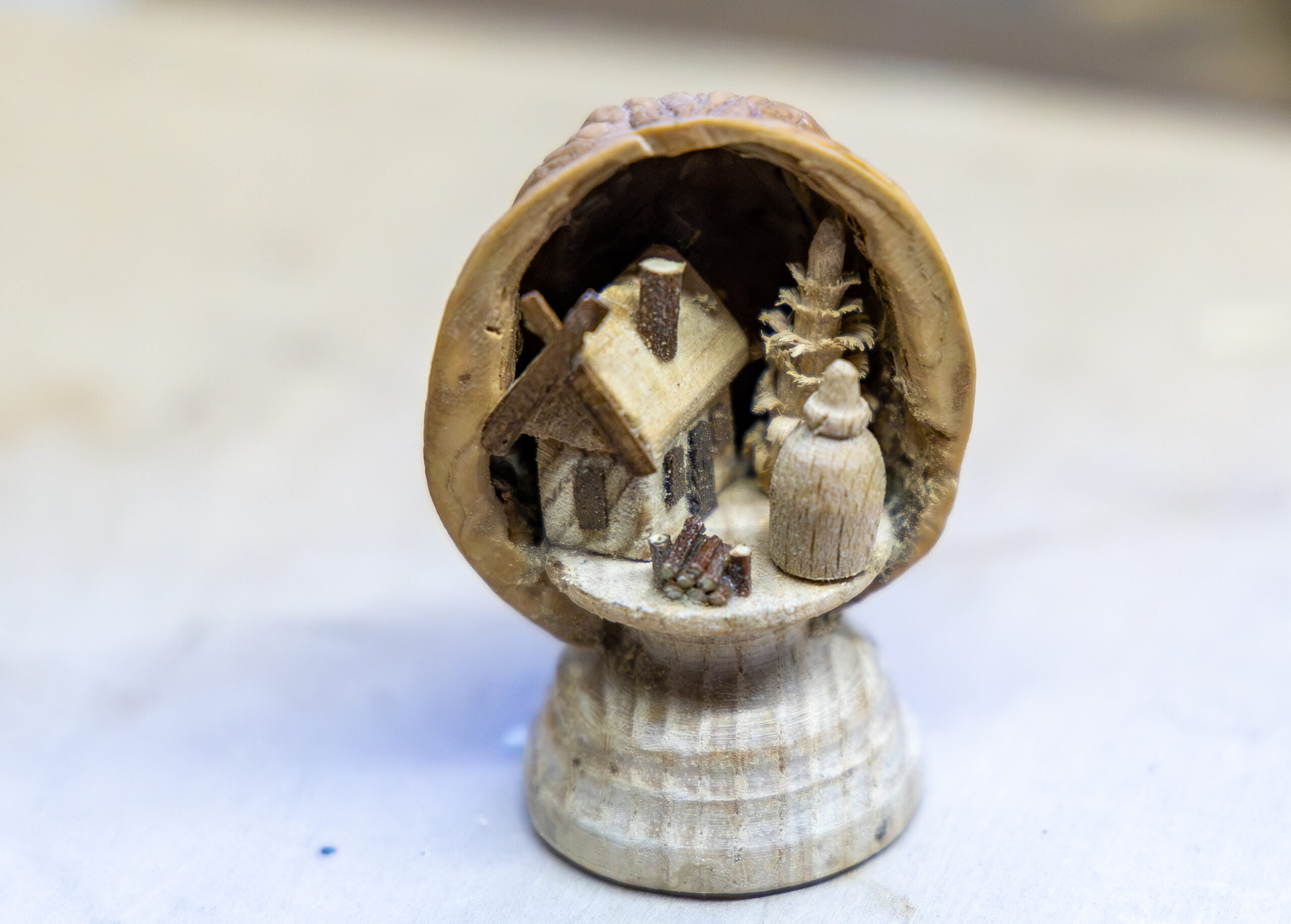
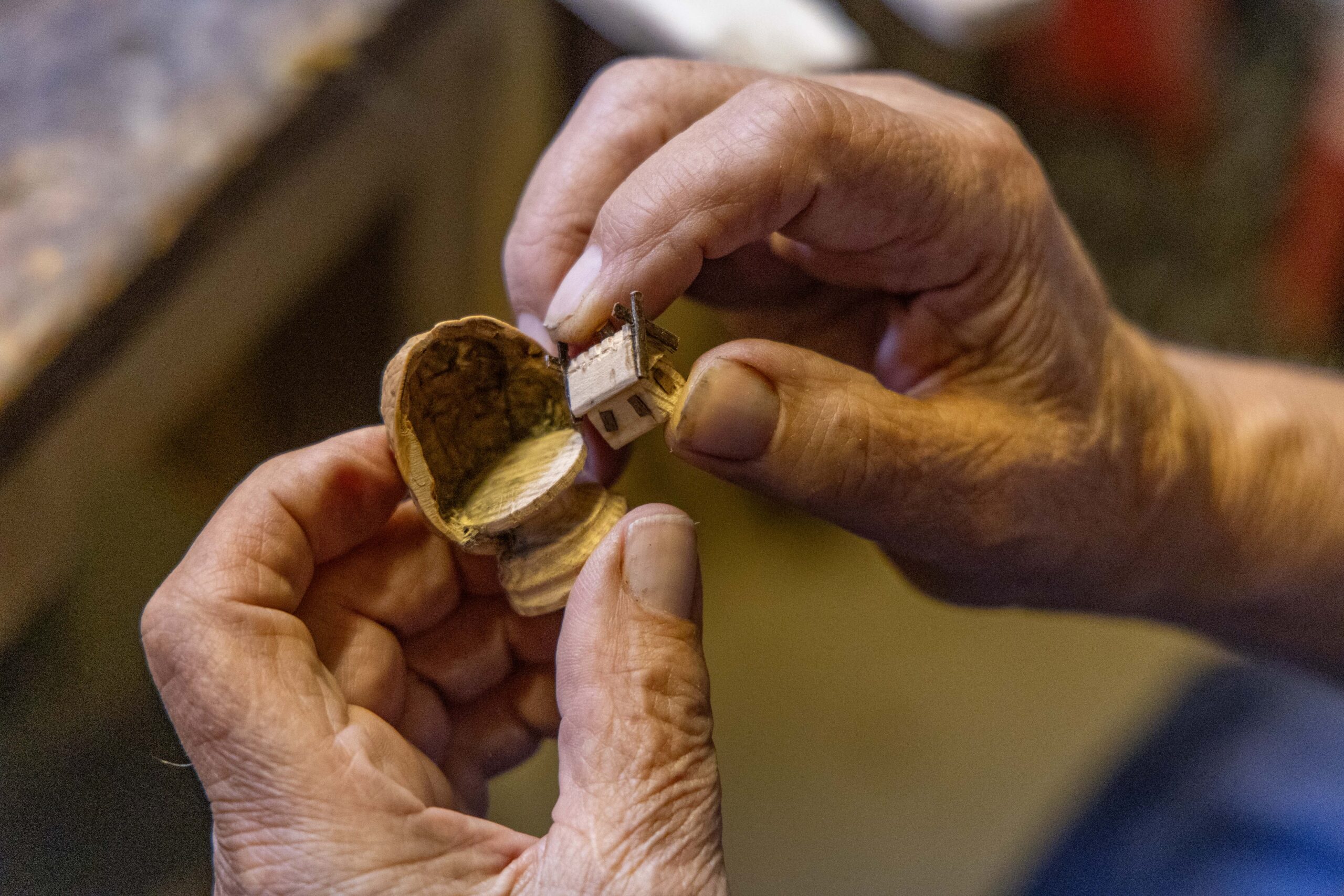
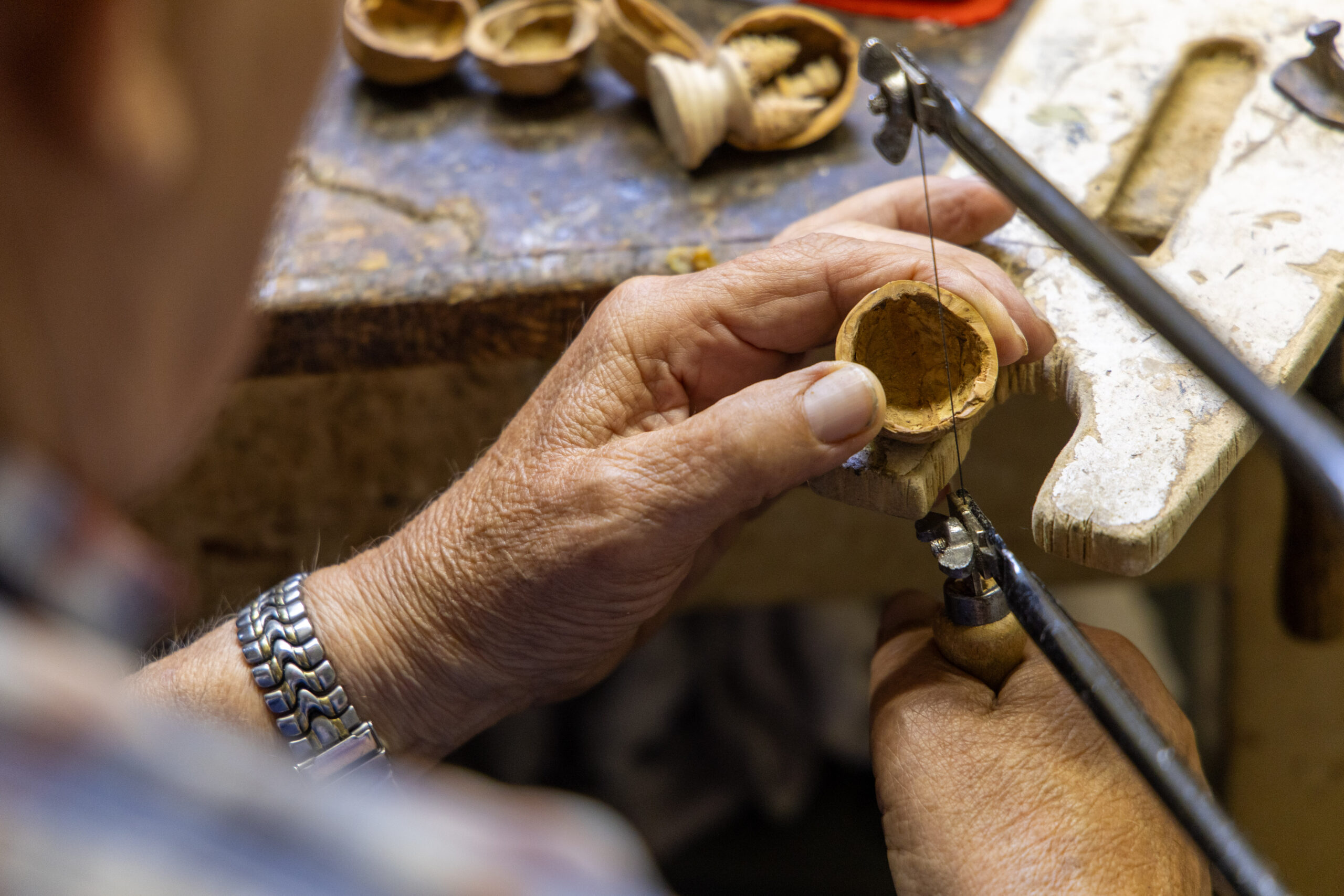
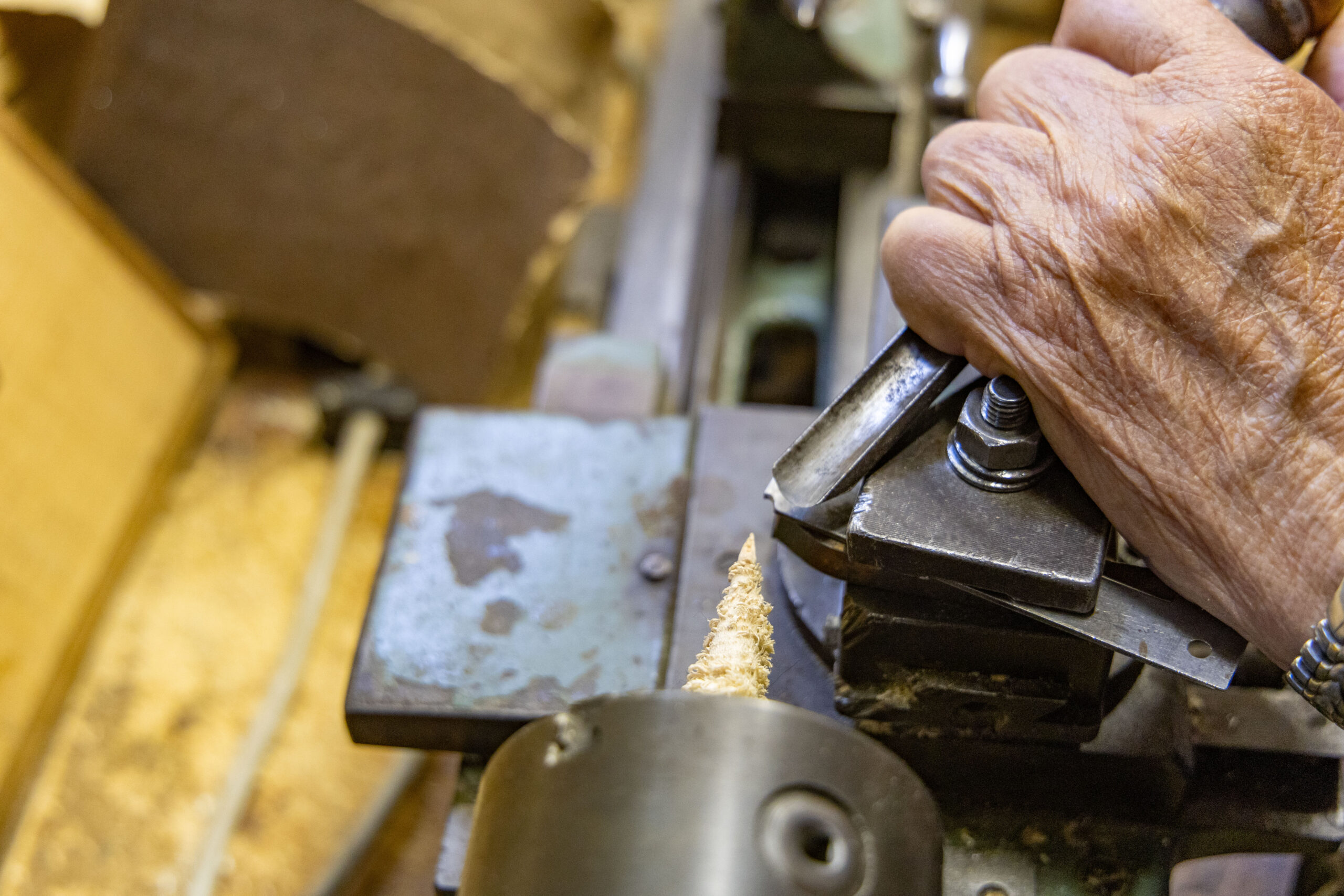
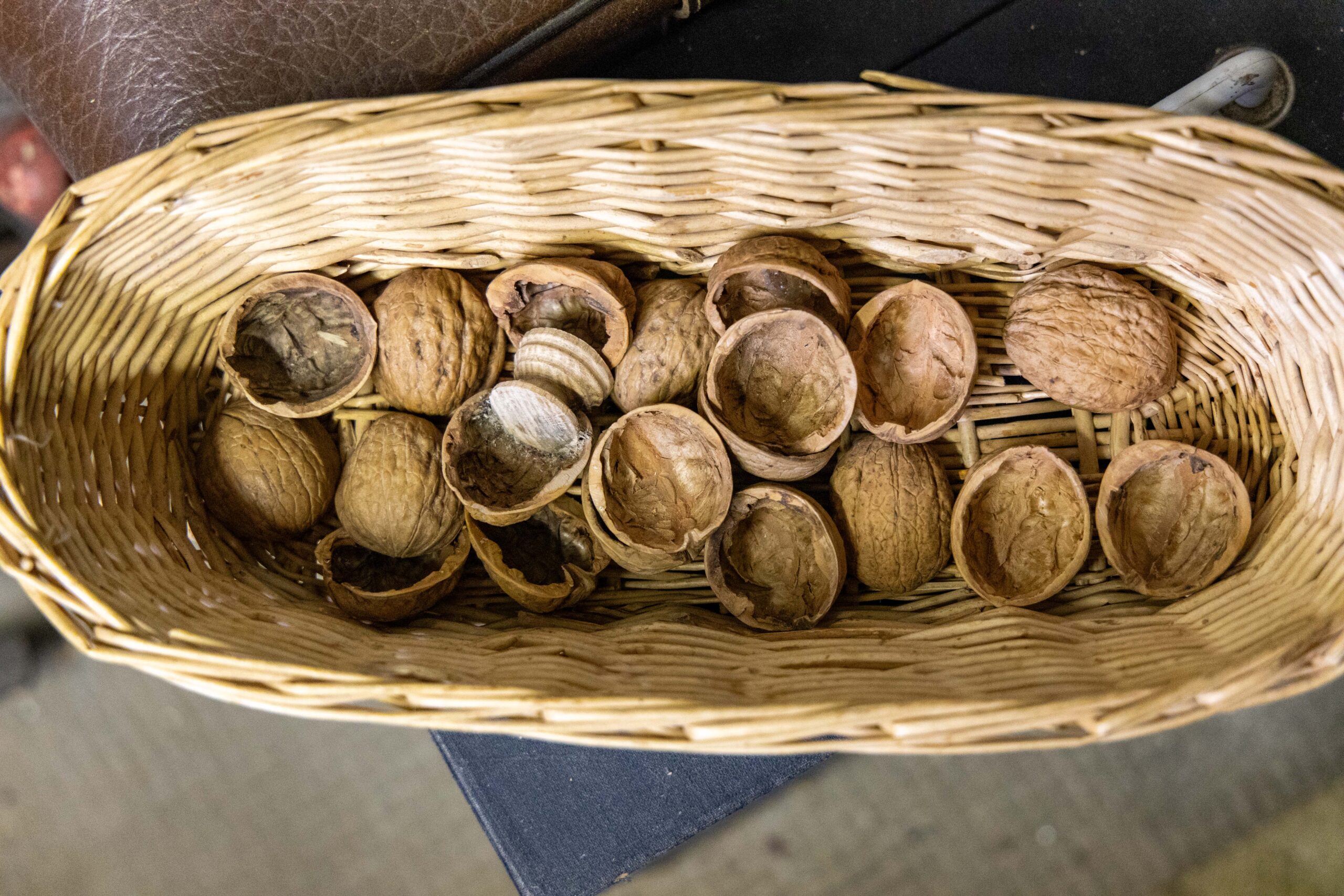
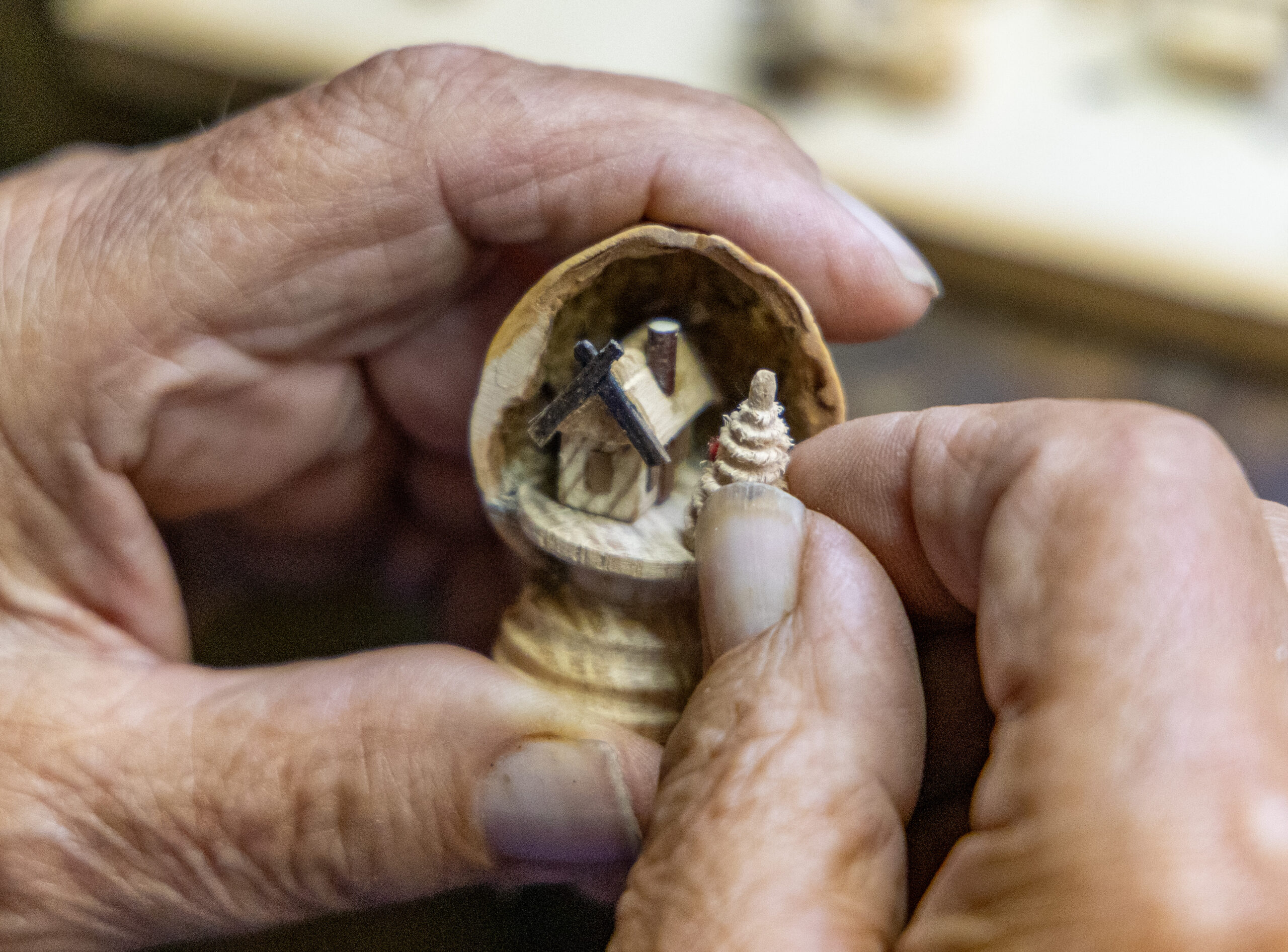
Since the appointments on the ward are sometimes far apart, he often gets bored. One night, he had the idea to give miniatures a try. His basement workshop on Schillerstraße has everything he needs—there’s even room for a small wood lathe. Using walnut halves, he carves Spreewald scenes—featuring self-made haystacks and log cabins—with a hand that remains as steady as ever. He’s already given dozens of them away to friends and acquaintances, and people keep asking for more—and Kurt is happy when he can bring joy to others.
Born on the other side of the Neisse River, where his parents ran a tailor shop, he was fascinated from an early age by anything made of wood. His early works were still a bit rough around the edges, but very practical. Ultimately, his rabbit hutches also helped provide for his family of five. In Lübbenau—the family’s place of refuge after 1945—Kurt was able to finish school and complete a carpentry apprenticeship at what was then known as LOWA in Vetschau (formerly Waggonausrüstungen). Woodworking was his thing; he soaked up every tip and trick his mentors taught him. To this day, he still owns his apprentice’s toolbox, which contains the rarest woods for his marquetry work—another specialty of his craft. At LOWA, he led a model aircraft building group at that time. He built scale models of the MIG 15—the GDR Air Force’s jet fighter at the time—that were true to scale and highly detailed. He would have liked to become a pilot himself, but “because of his eyes,” that wasn’t possible. After completing his basic military service, he worked as a carpenter at the Calau furniture factory and the Lübbenau power plant. Through the “sponsor brigade”—which was mandatory at the time—he came into contact with schools. When a position was posted at “Station,” he applied for it. He was granted this as well, though on the condition that he qualify as a vocational arts teacher.
In addition to providing after-school childcare through model-building activities, he took special care of the station’s new schoolboat at that time. It was intended to replace the now-obsolete boat, which was still supposed to take the children from Leip to school in Lübbenau. However, it was no longer needed starting in 1969, since Leipe gained a road connection to Burg. The boat was converted into a station boat and was used for expeditions. “We even turned it into a ‘cruise ship’ sometimes. The kids could sleep in it, which they really enjoyed,” recalls Kurt Vorwachs, a smile flitting across his face. “That was a wonderful and eventful time!” With the 6-PS outboard motor, we’d head out across the Spreewald to watch the deer rut or to camp somewhere—back then, you didn’t need a permit for that yet. Everything we needed—from the sausage to the grill—was on board.
Kurt Vorwachs is looking forward to the start of the school year in the summer of 2026, when he’ll be able to return to the ward and his children will be waiting for him there. He brings the wood from his workshop in the basement. “The kids keep me on my toes; they challenge me and don’t give my age a second thought—and that’s a good thing,” says Kurt Vorwachs, who has mentored generations of Lübbenau hobbyists—now long since grown adults. (see the 2019 post)
Peter Becker, July 28, 26

