
Kemmen Manor—a crowd favorite on National Historic Preservation Day
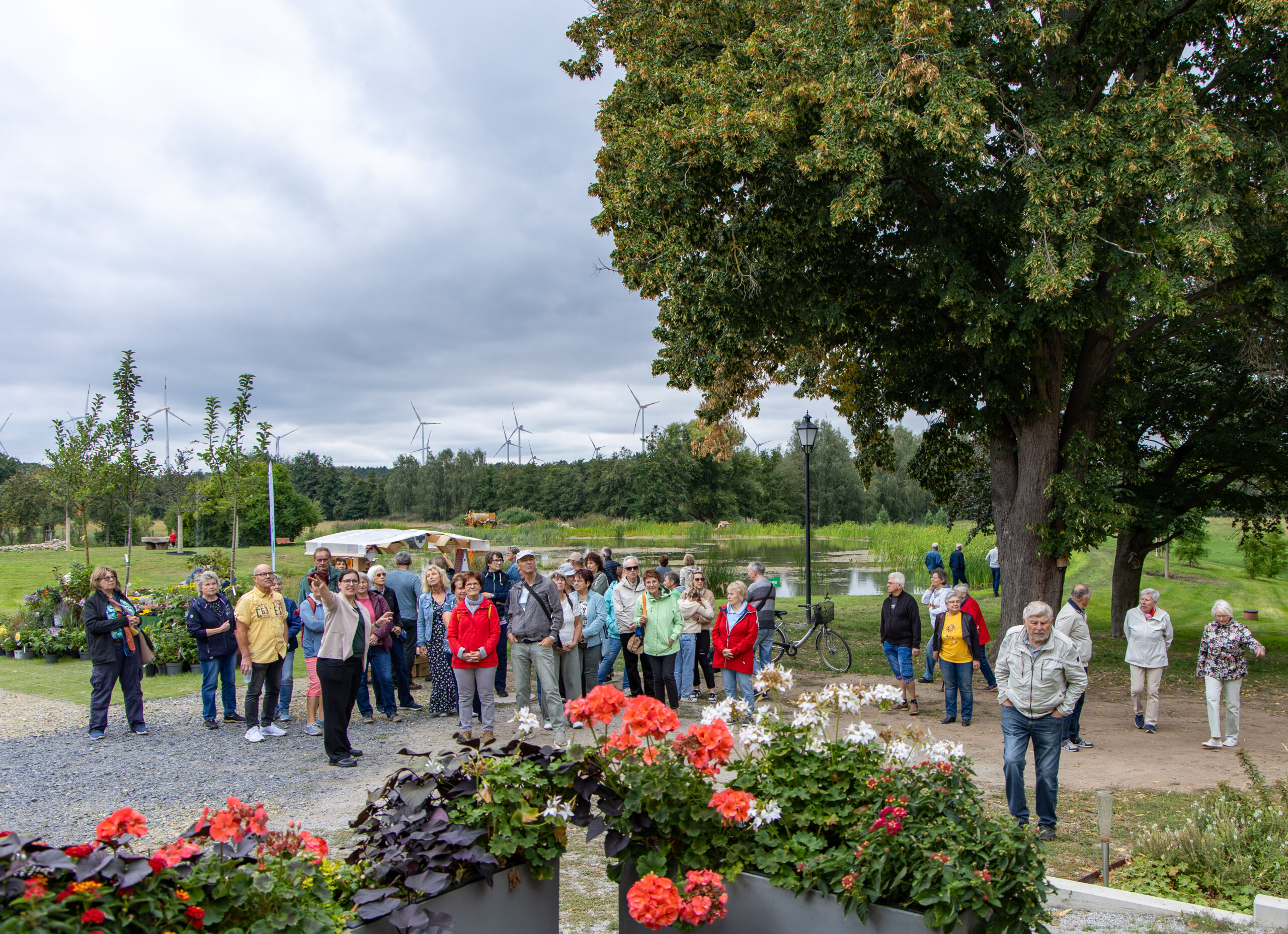
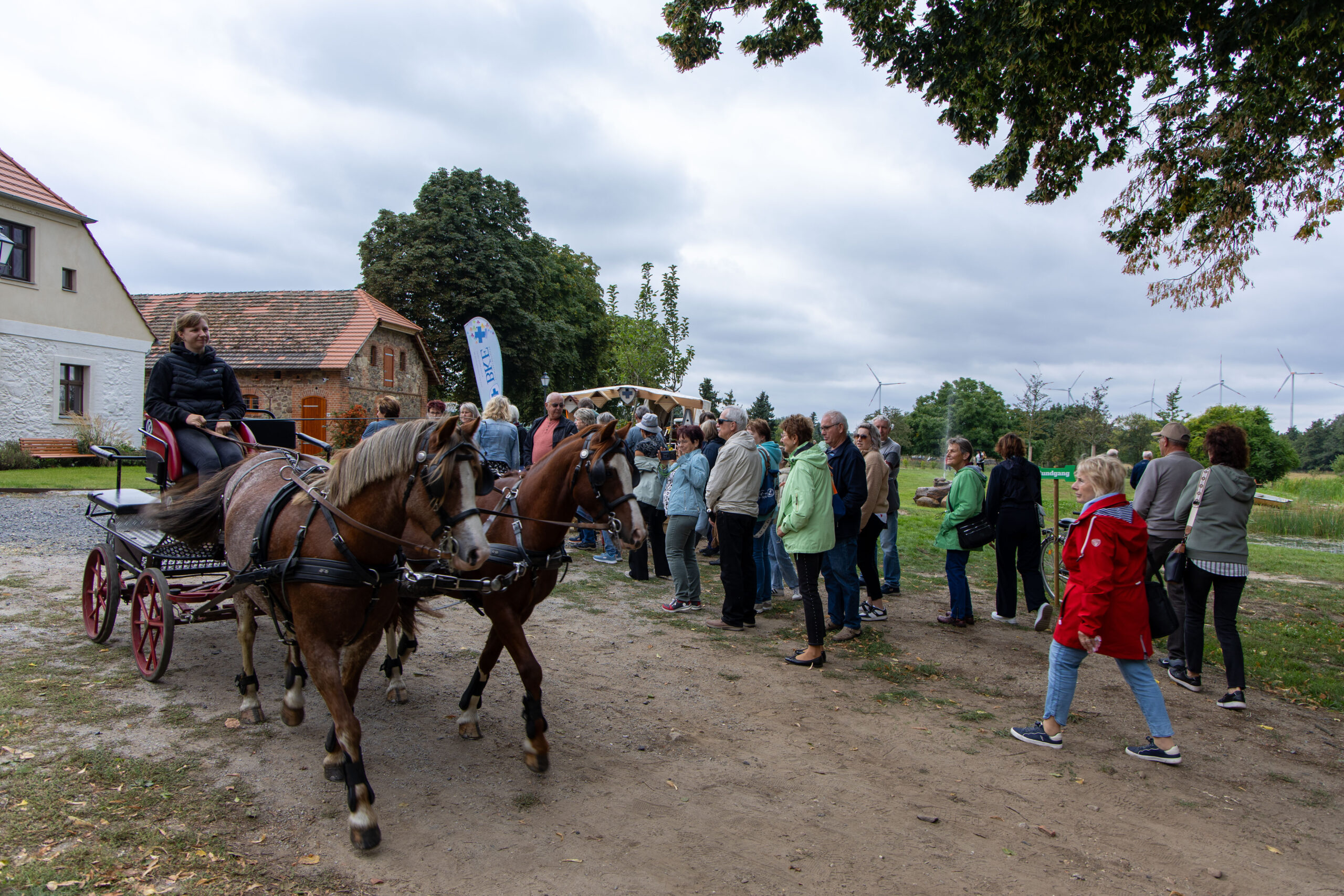
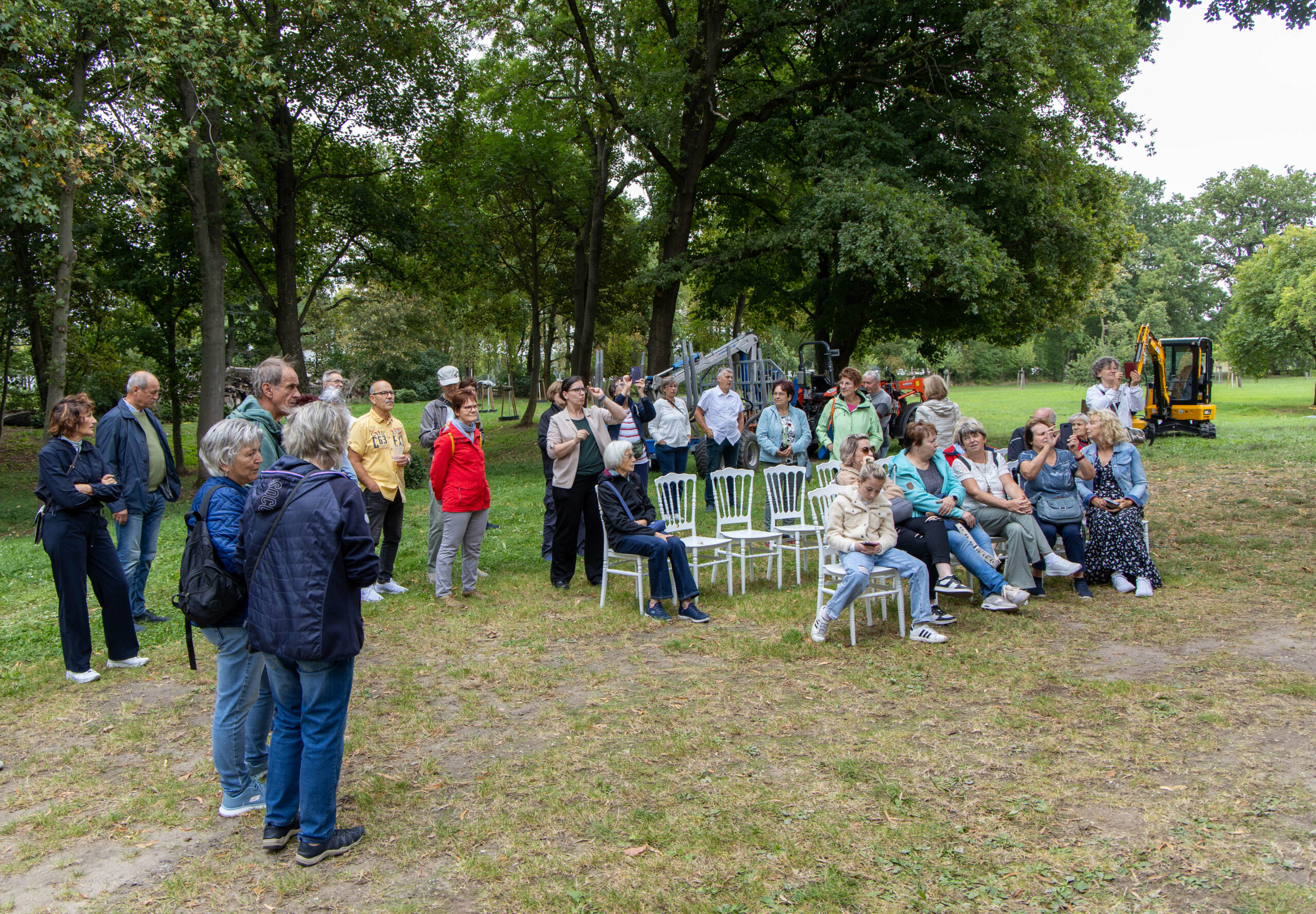
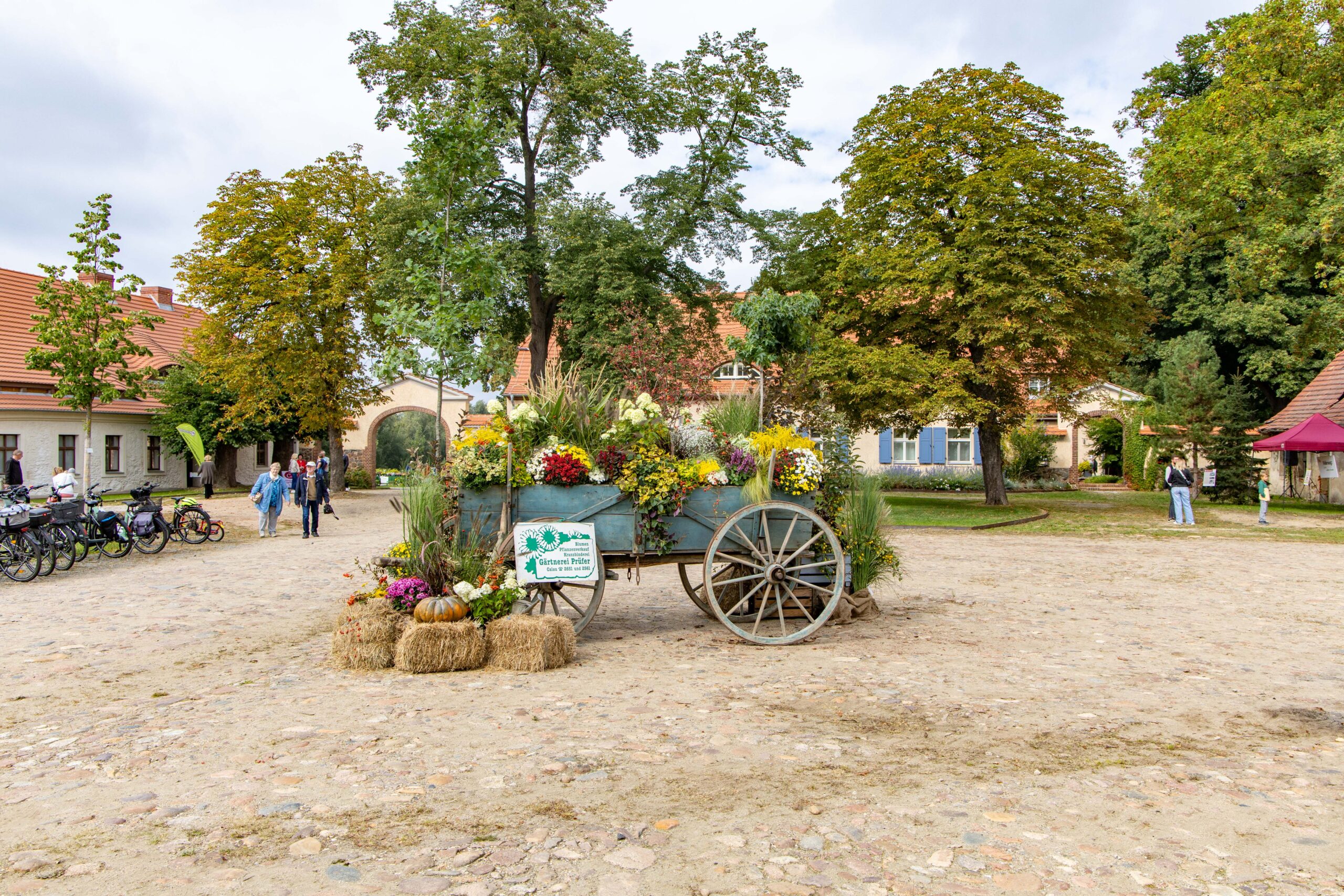
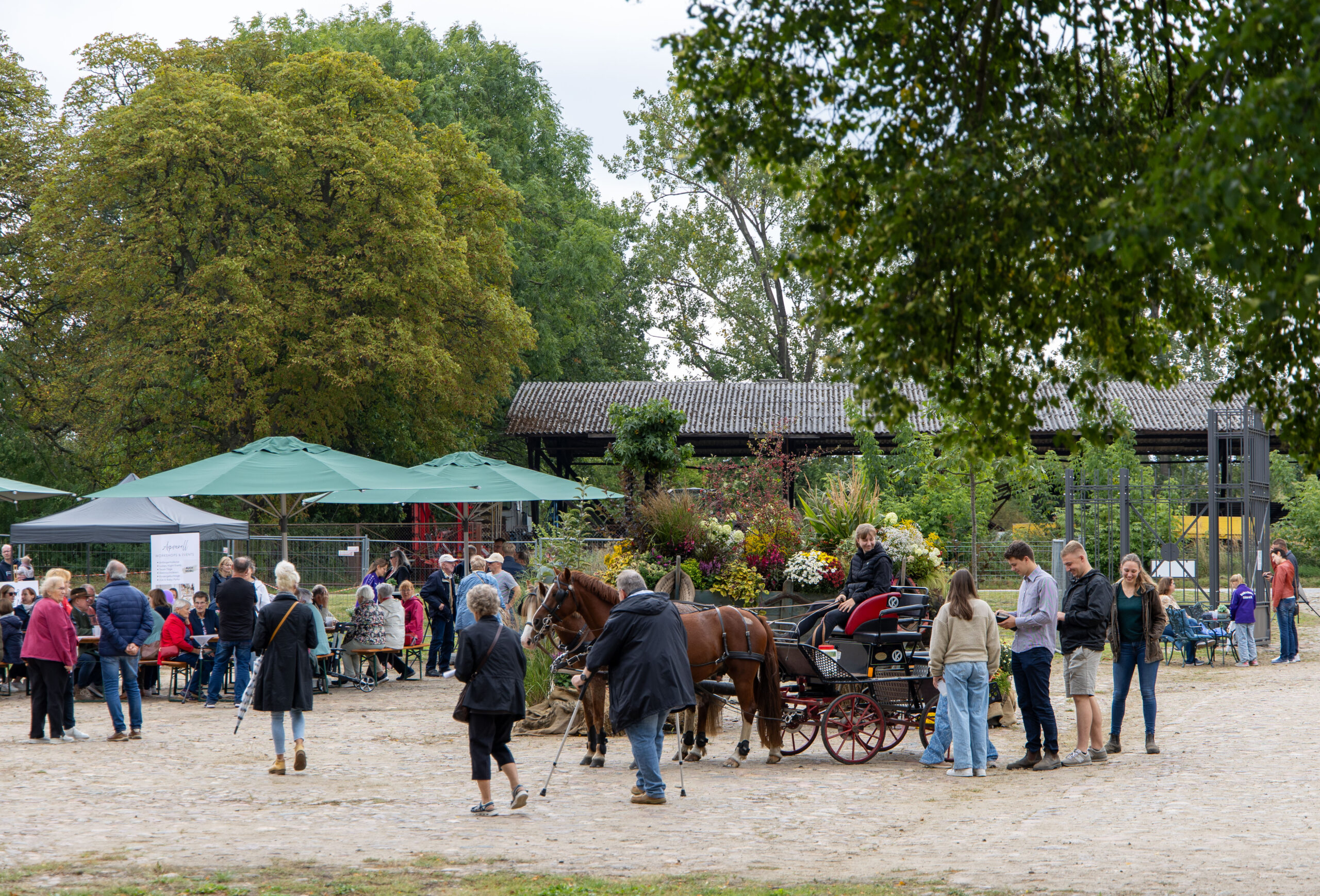
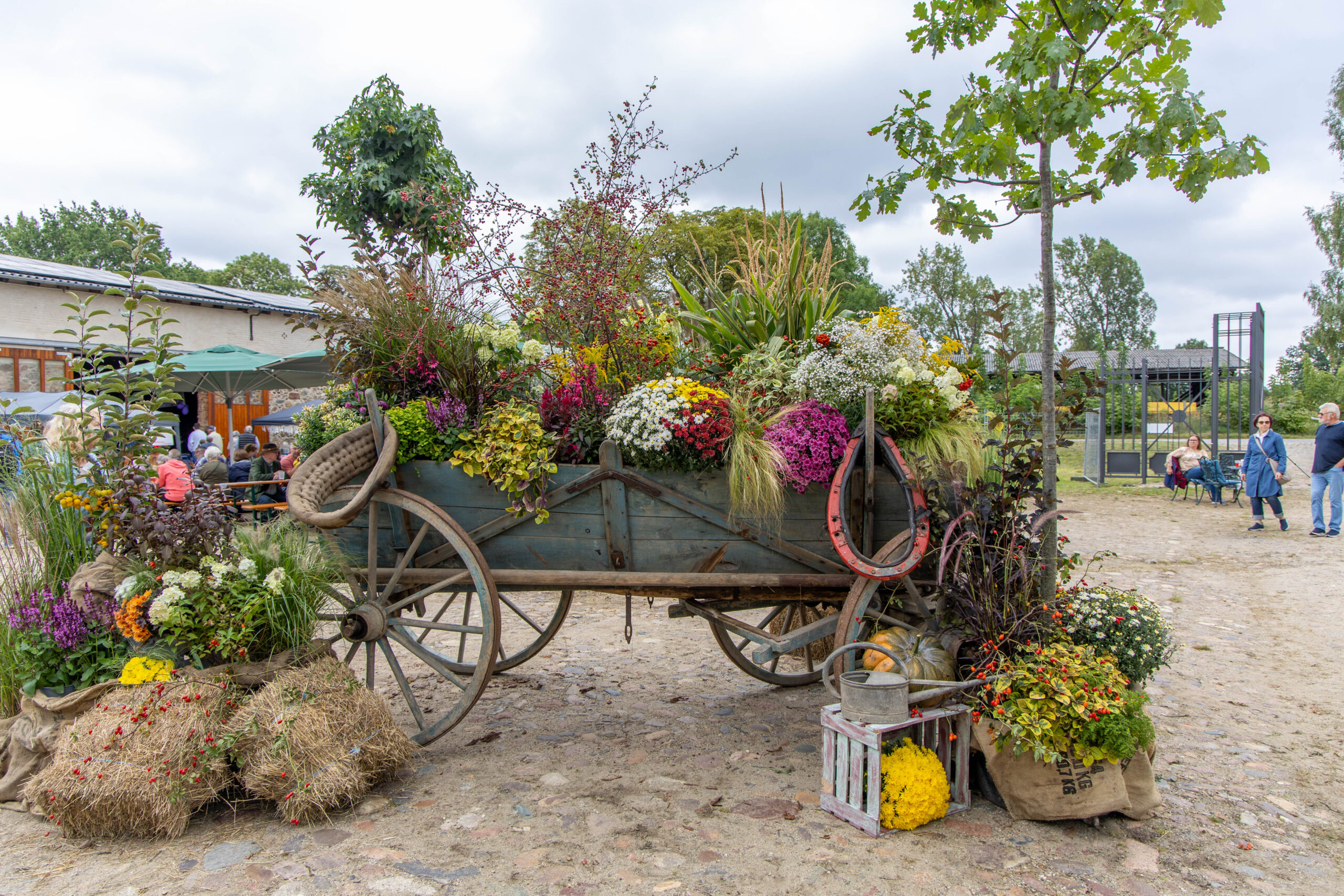
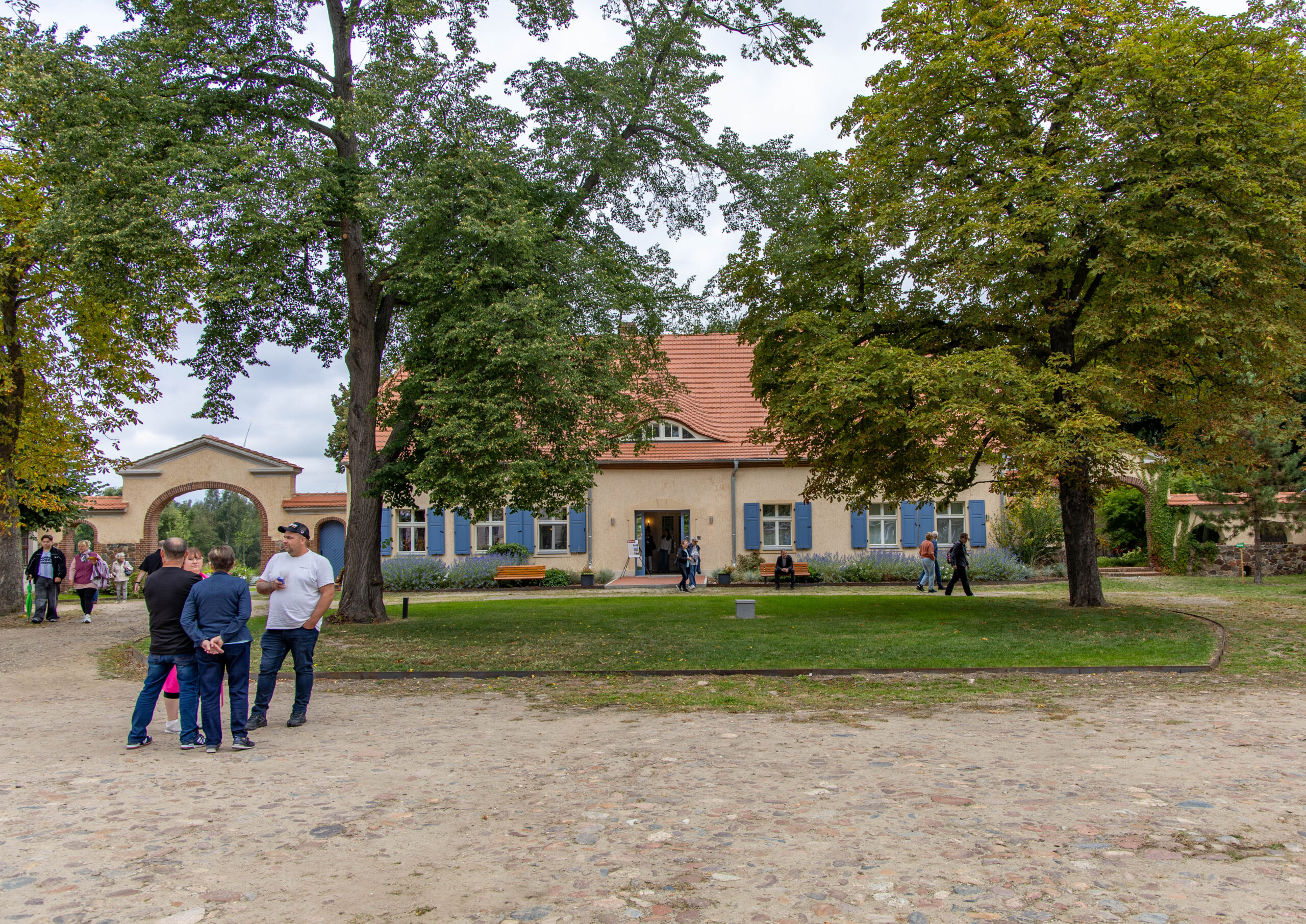
Even as you approach Kemmen, a neighborhood of Calau, you’ll notice the large number of vehicles parked in a field at the entrance to the town. There seems to be enormous interest in getting to know a former manor up close and in detail. This is indeed the case, as Stefanie Batusic, a member of the family that owns the property, confirms during a tour of the grounds. “This is the fifth time we’ve opened our doors for Open Monument Day. Since we otherwise only open our grounds for events or by appointment, many residents of Calau, locals, and visitors from surrounding towns naturally came to see us—also to see what we’ve done with the complex that was once left to decay, which so many still remember,” she says.
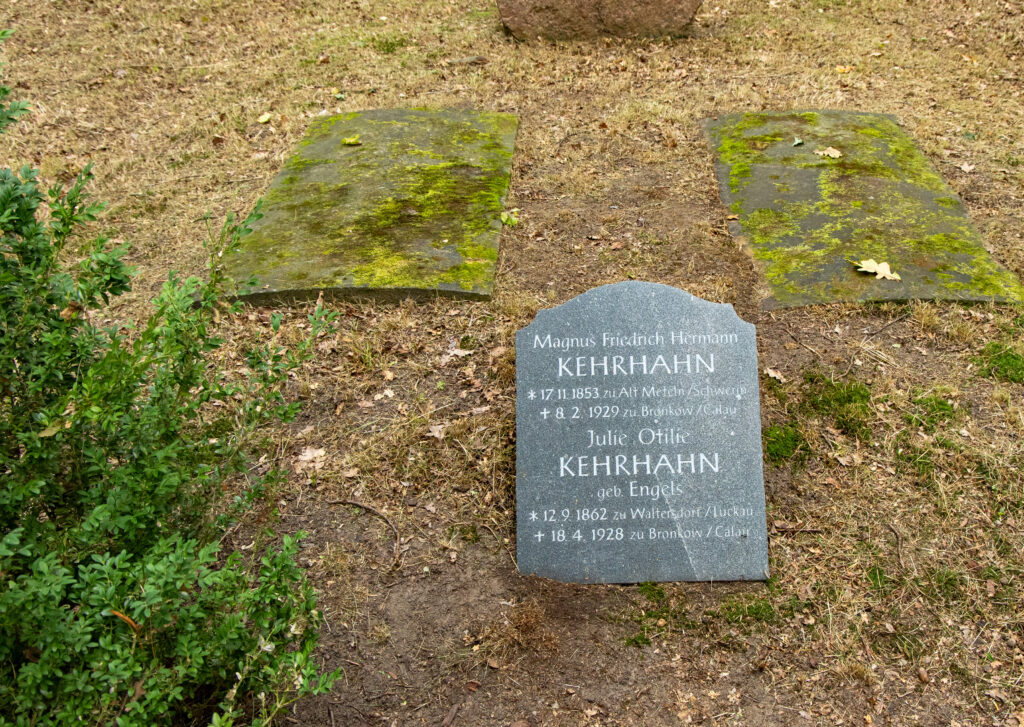
The estate has a history dating back more than 500 years, though its origins likely go back much further. Names of owners such as Nickel von Buxdorf, Hieronymus Christoph von Gagern, or, most recently, Hermann Kehrhahn should be familiar to history buffs. As part of the land reform in 1945, the Kehrhahn family was expropriated, the estate was transferred to public ownership—and fell into disrepair due to a lack of maintenance.
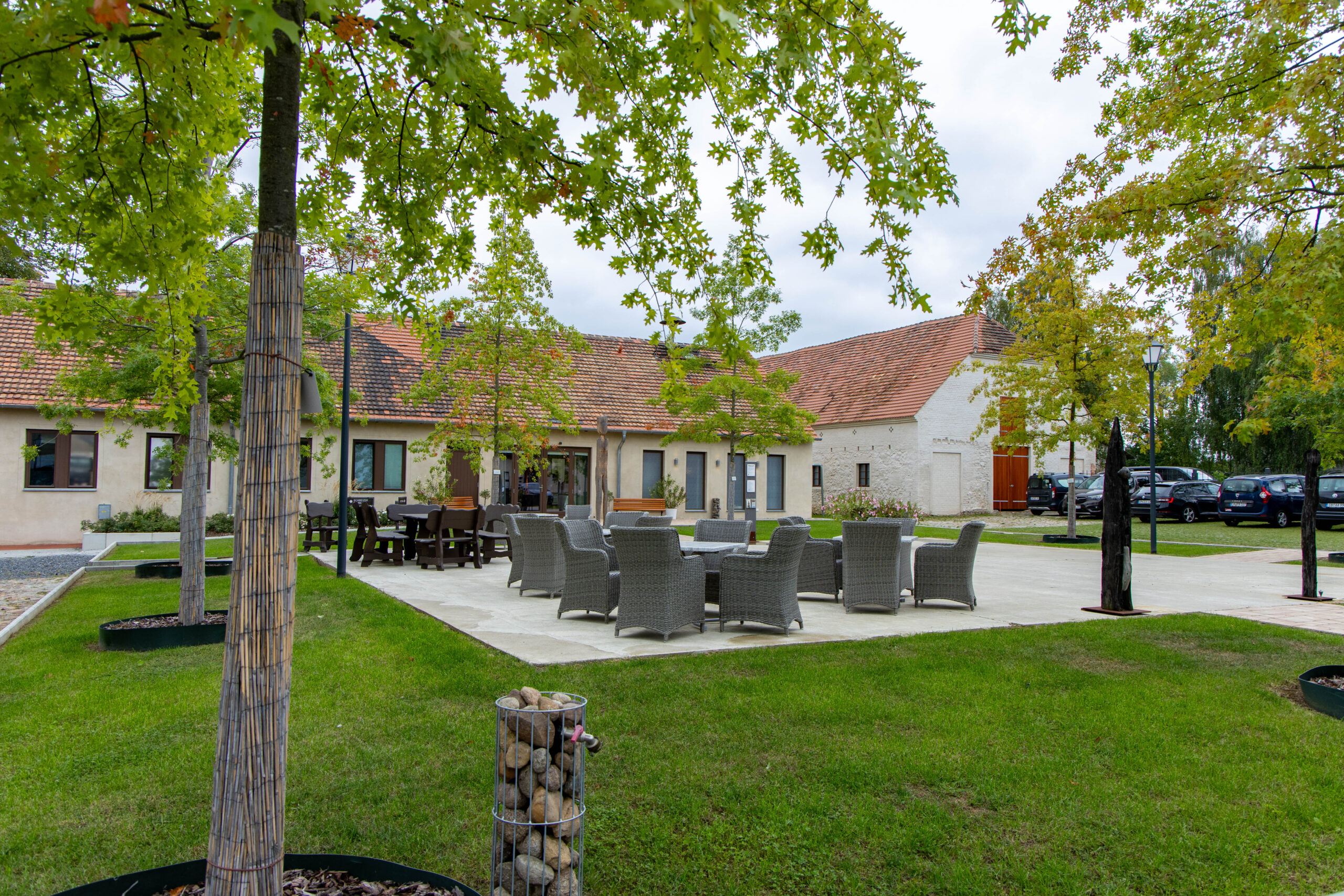
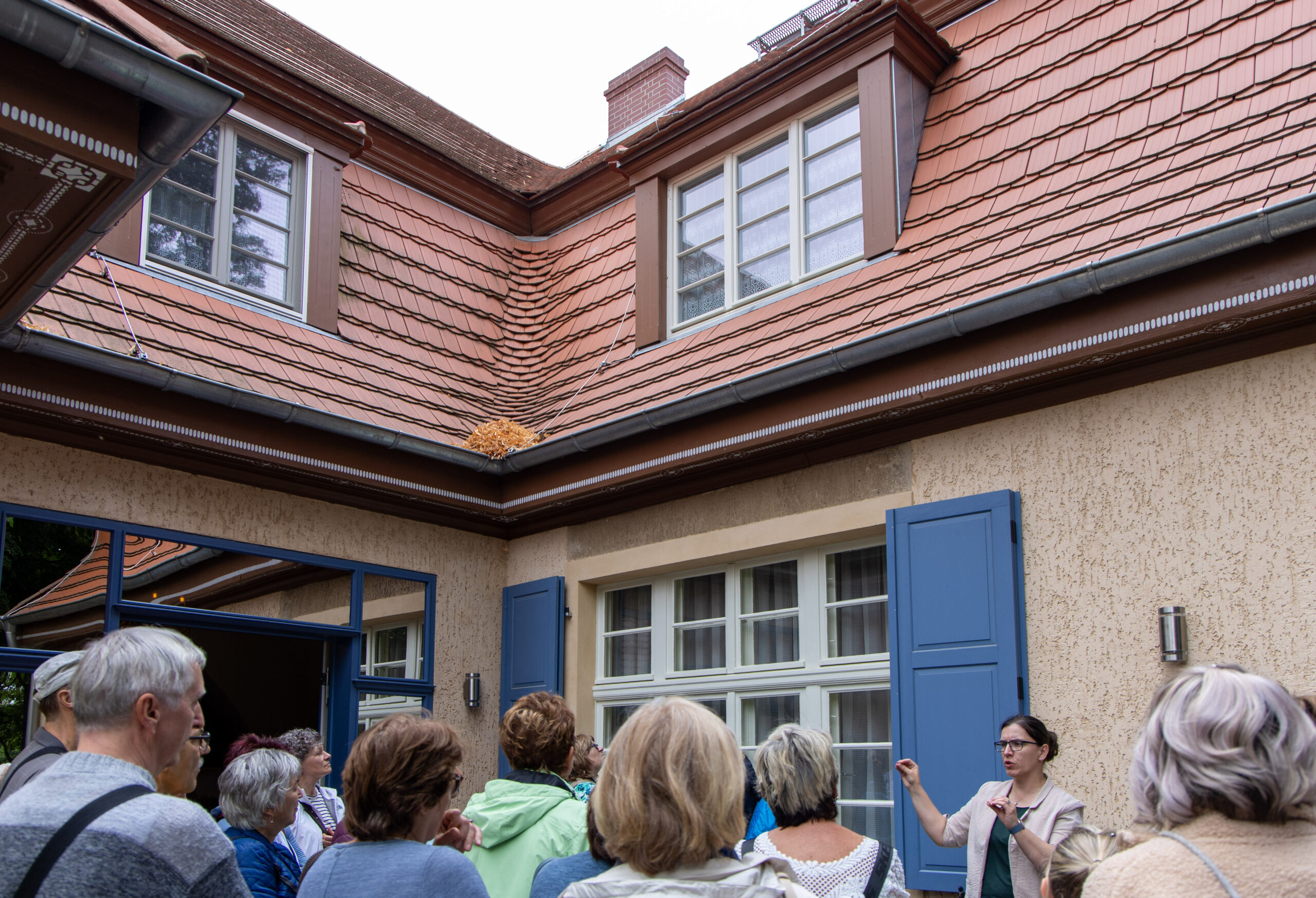
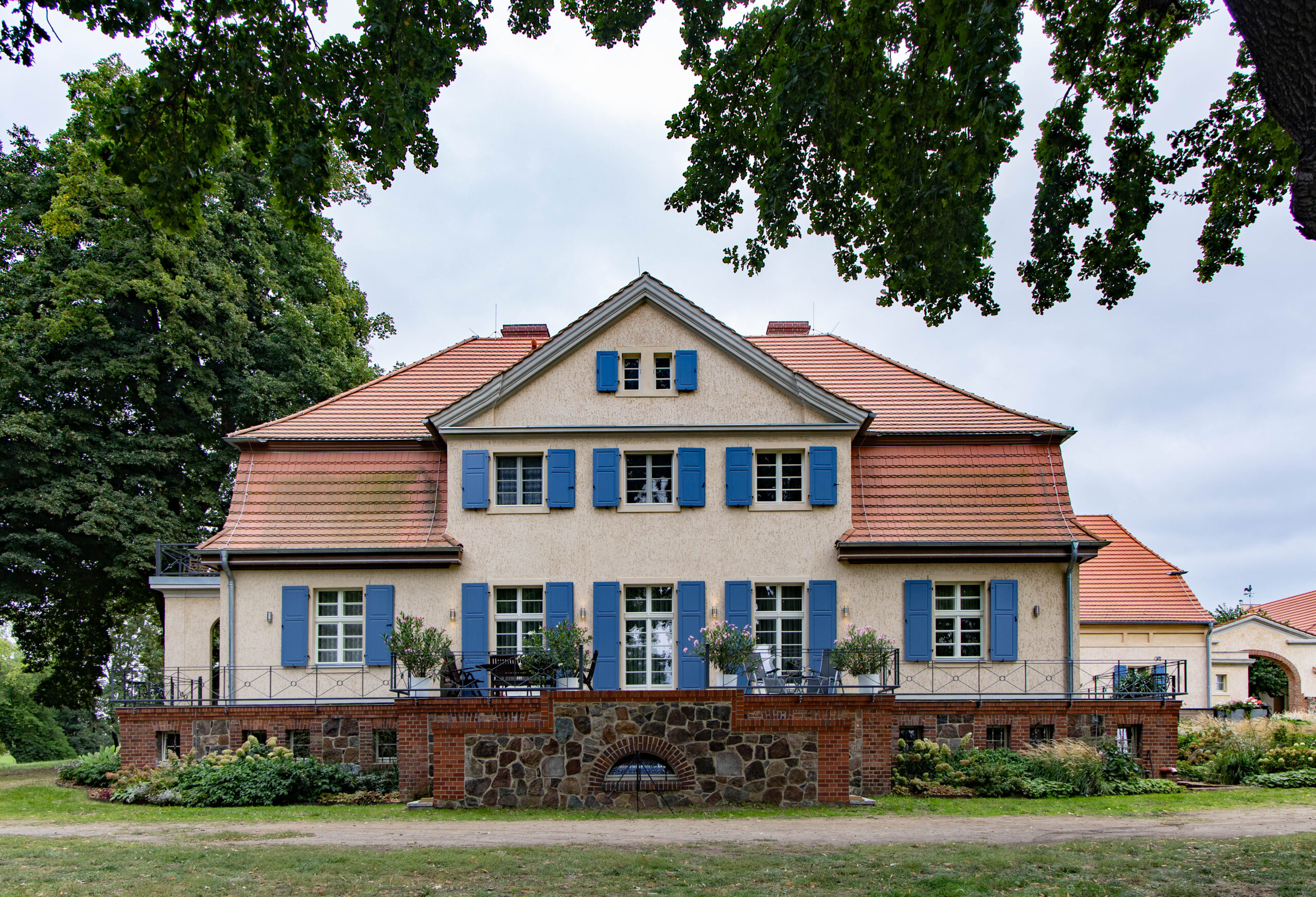
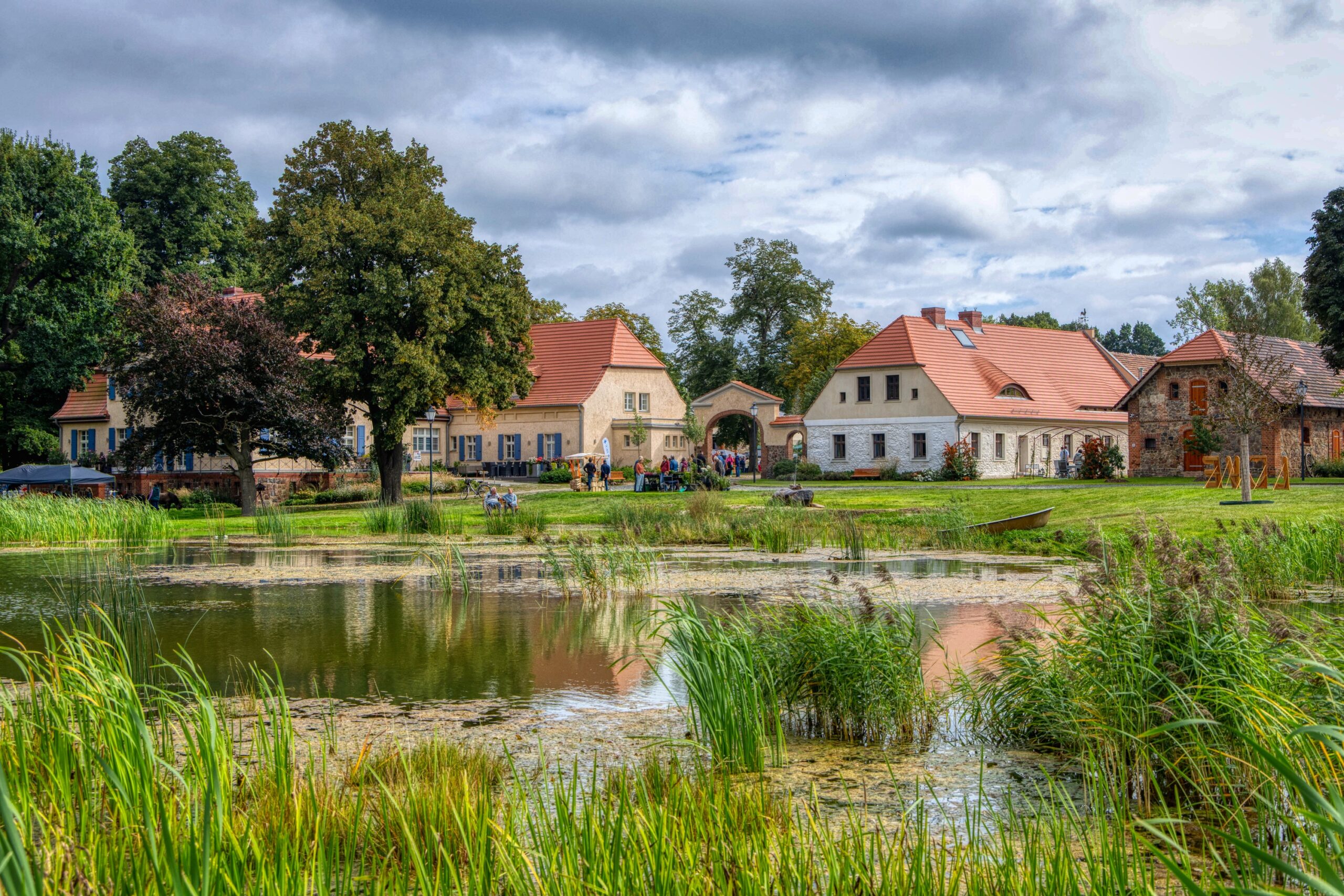
Since 2021, the Batusic family has been restoring the estate in accordance with historic preservation guidelines. Stefanie Batusic: “The windows, including the shutters, were modeled after the original and designed as box windows. There were many other details to consider, ranging from the patio flooring to the roofing—to name just a few examples.”
Almost as an afterthought, but just as important to the family that owns the property, is the environmental aspect, which was taken into account during the renovation: 70,000 trees were planted, which are being managed and used to fuel the wood chip heating system. The old excavation pit of the former cattle barn had filled with rainwater years ago and now serves as a refuge for animals and plants—many of which have settled there on their own—while also acting as a water reservoir for the countless new plantings on the estate grounds. All the roofs drain into the estate pond so that the increasingly scarce water doesn’t seep away to no avail.
The Kemmen Estate also serves as an example of how historic properties can be renovated in a manner that respects both historic preservation and nature conservation. Although it is no longer used for agricultural purposes, its facilities and the estate park make it the perfect venue for events. Organizing family celebrations, weddings, and corporate events is now the focus of the owner family’s business activities.
Peter Becker, September 14, 2026

