
How Ten Amateur Photographers Explored the Spreewald in Fall
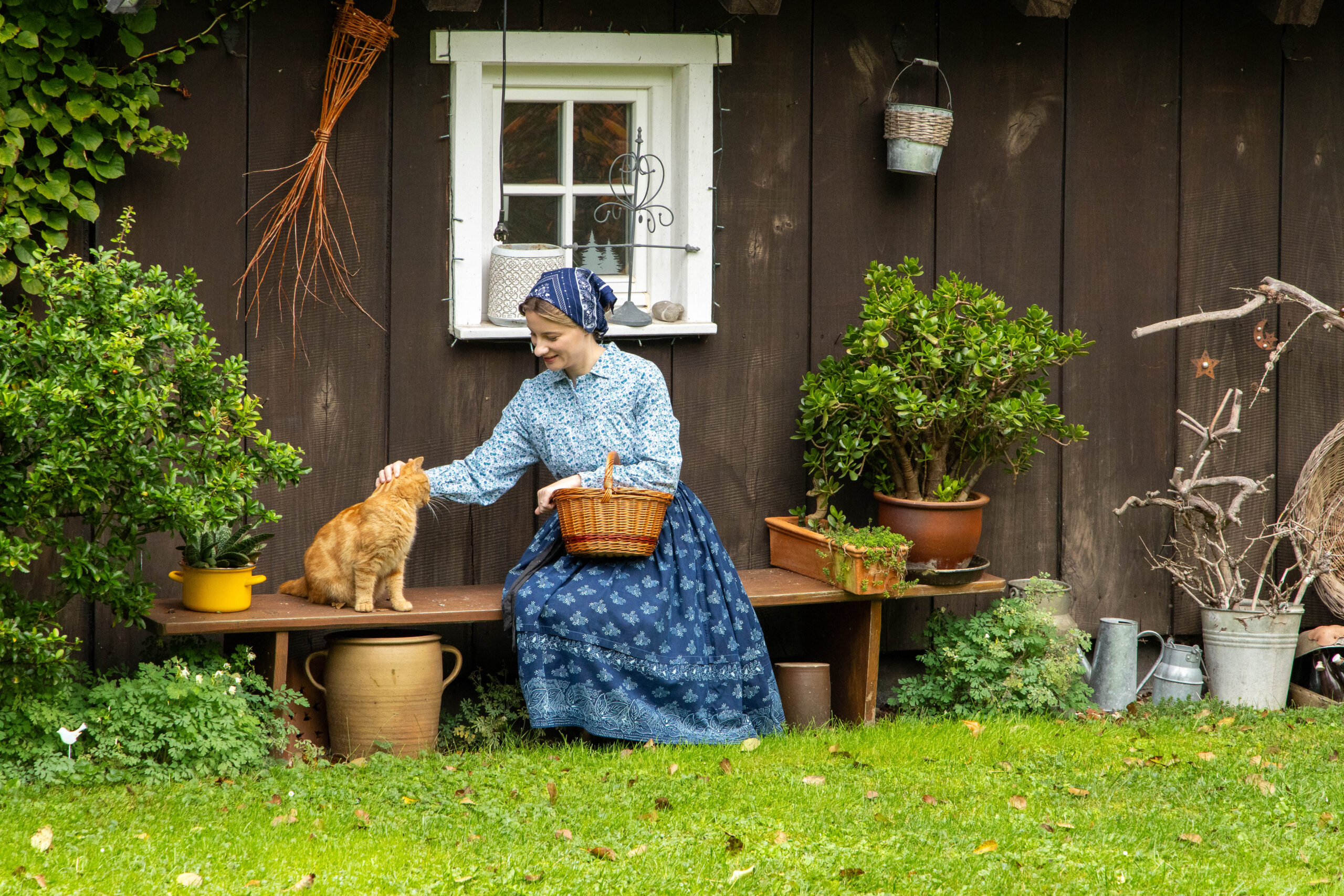
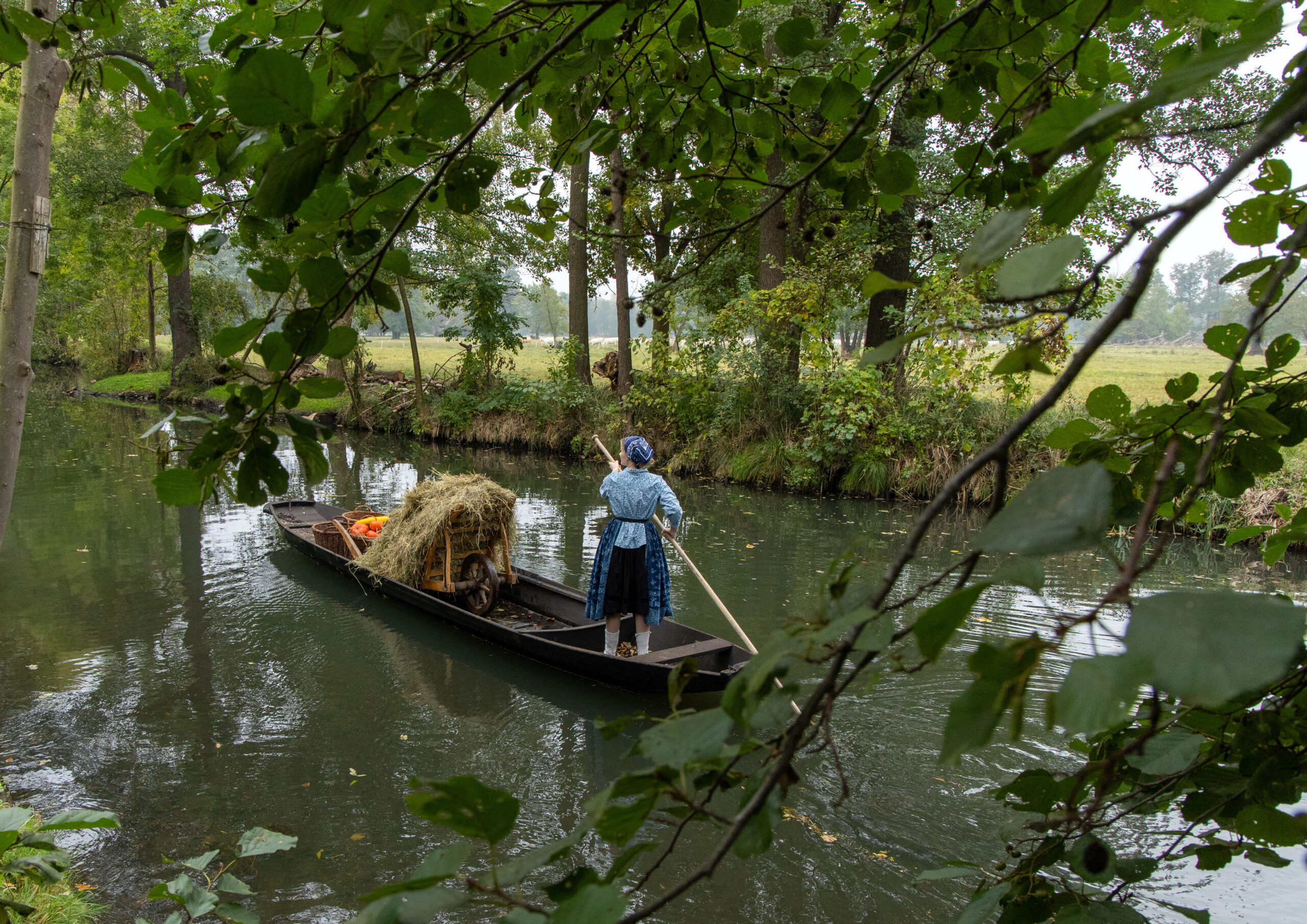
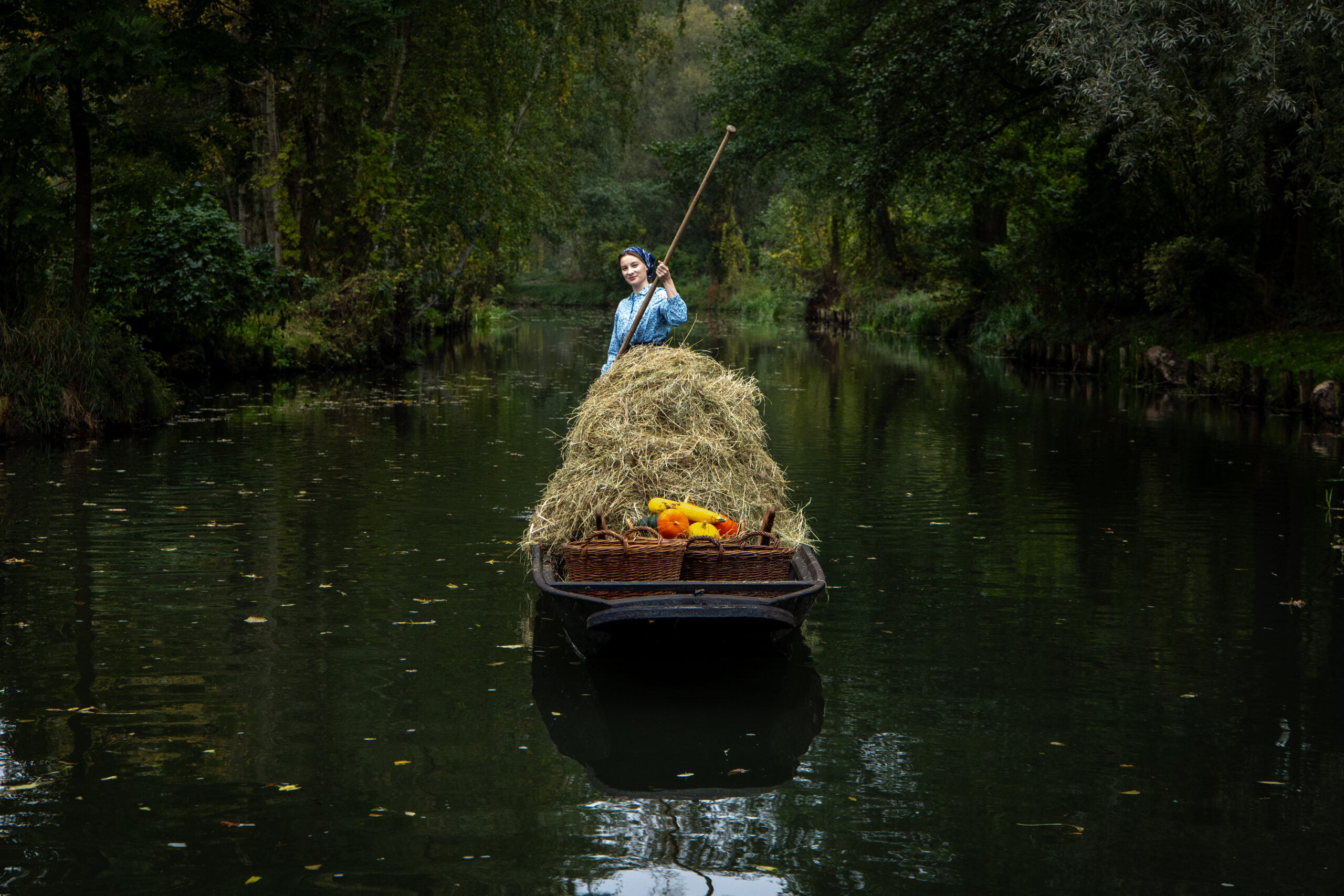
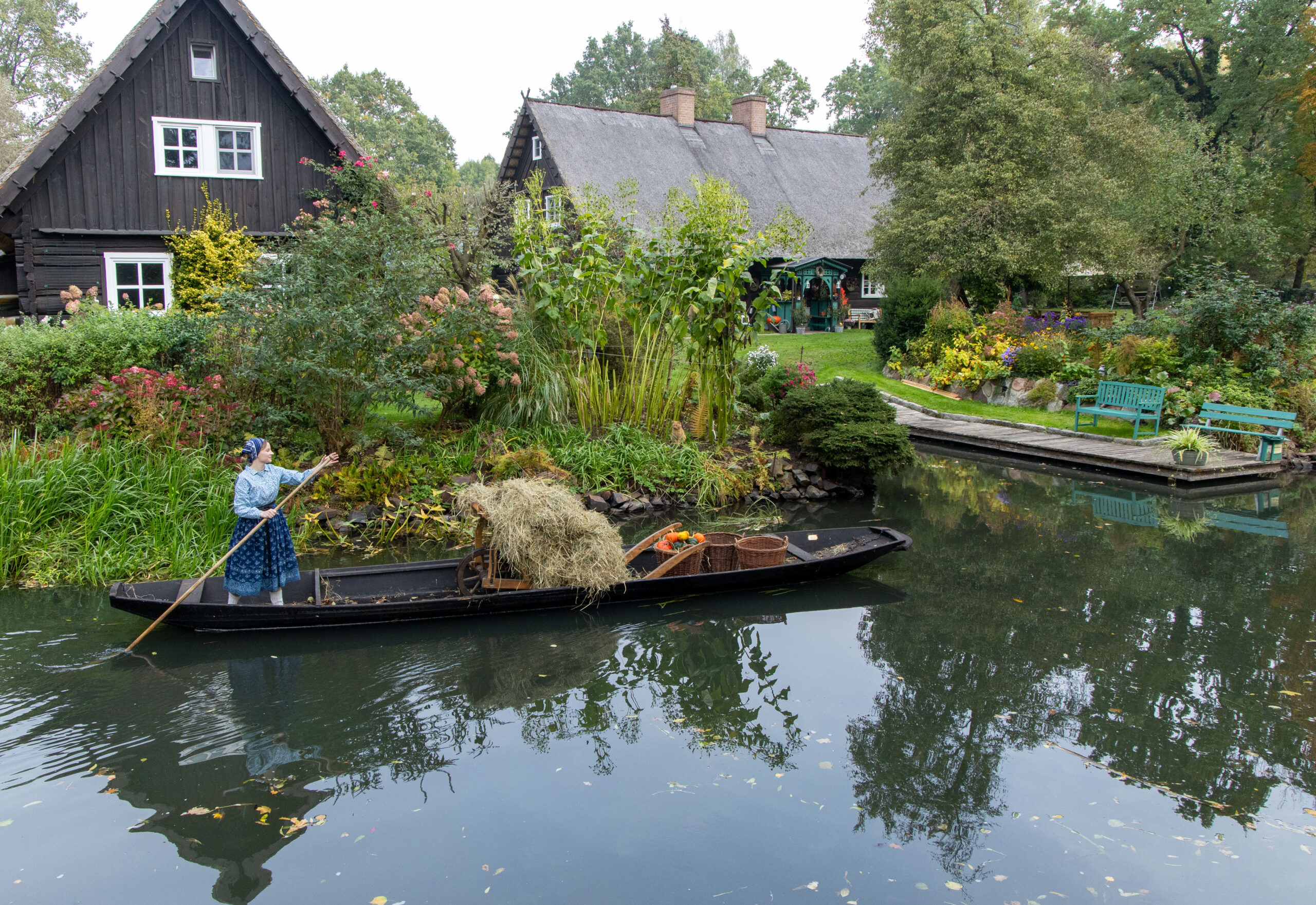
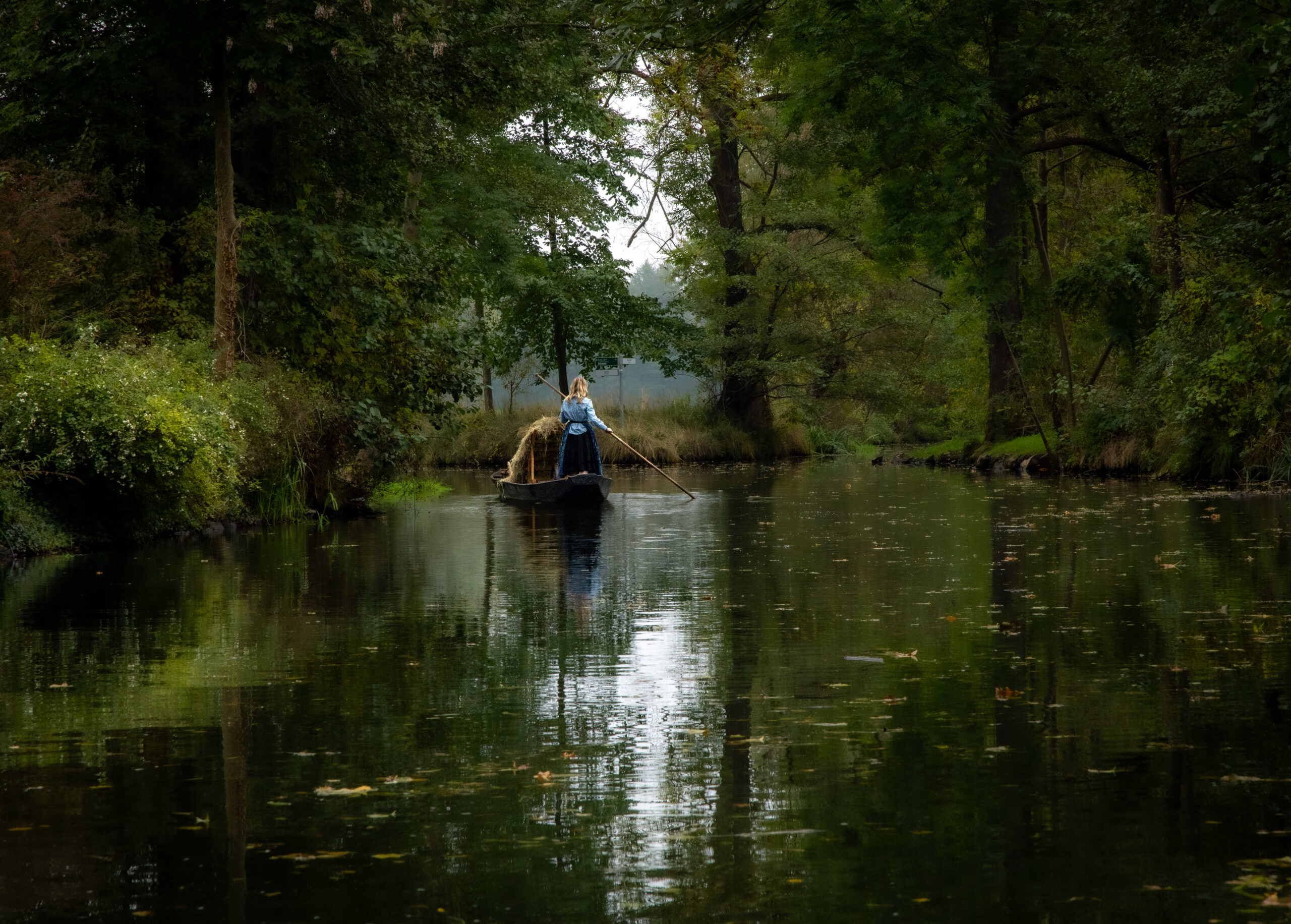
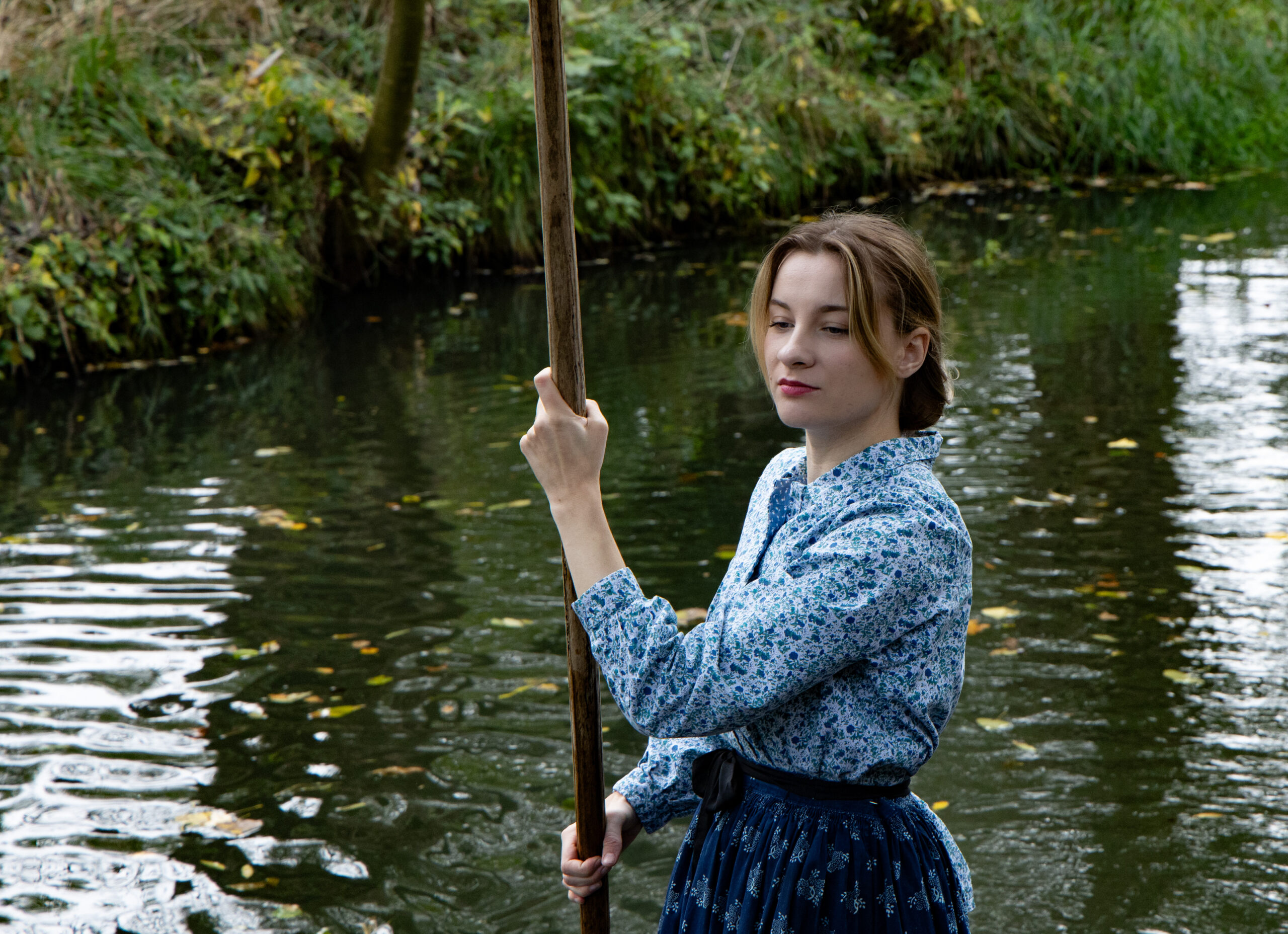
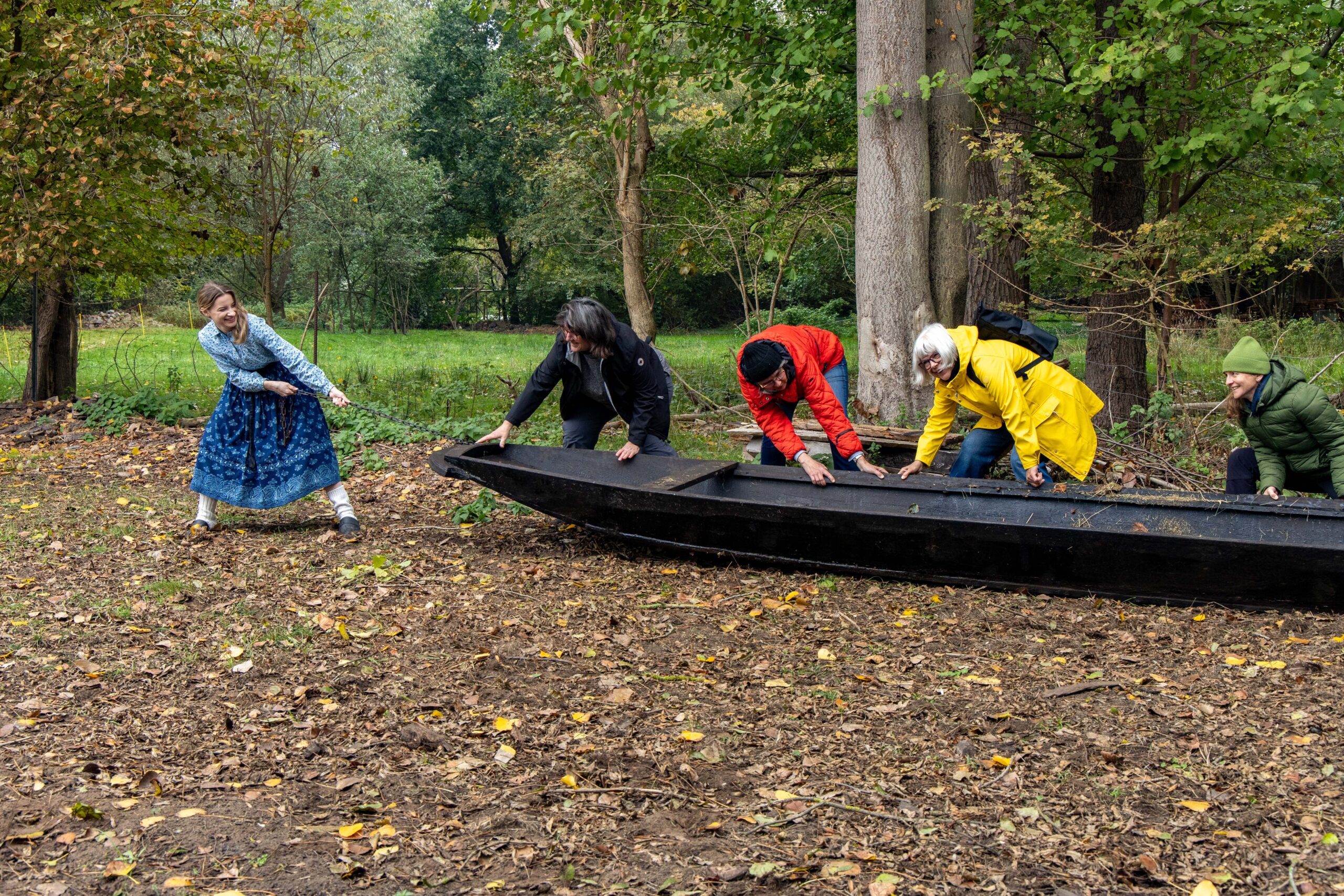
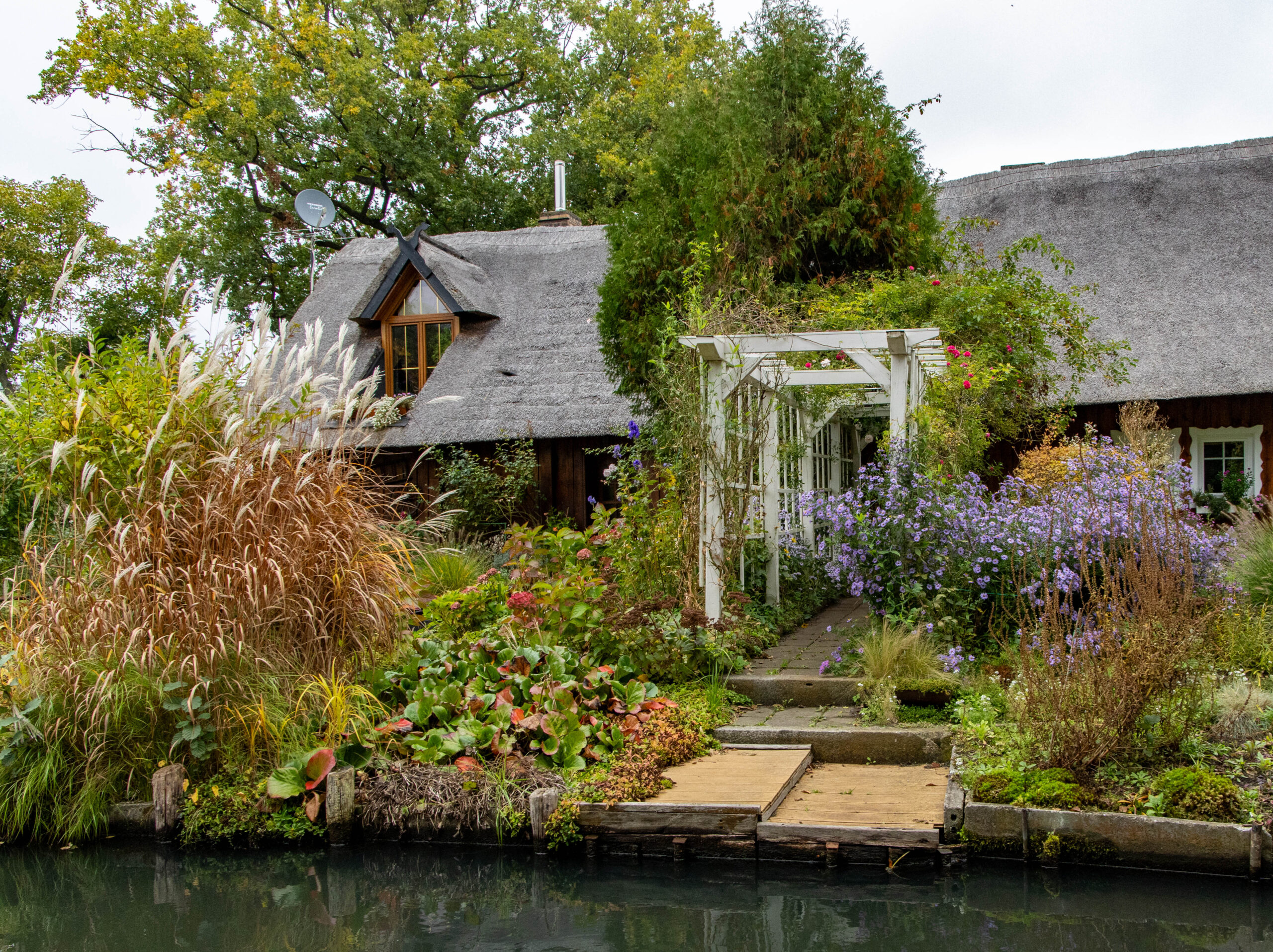
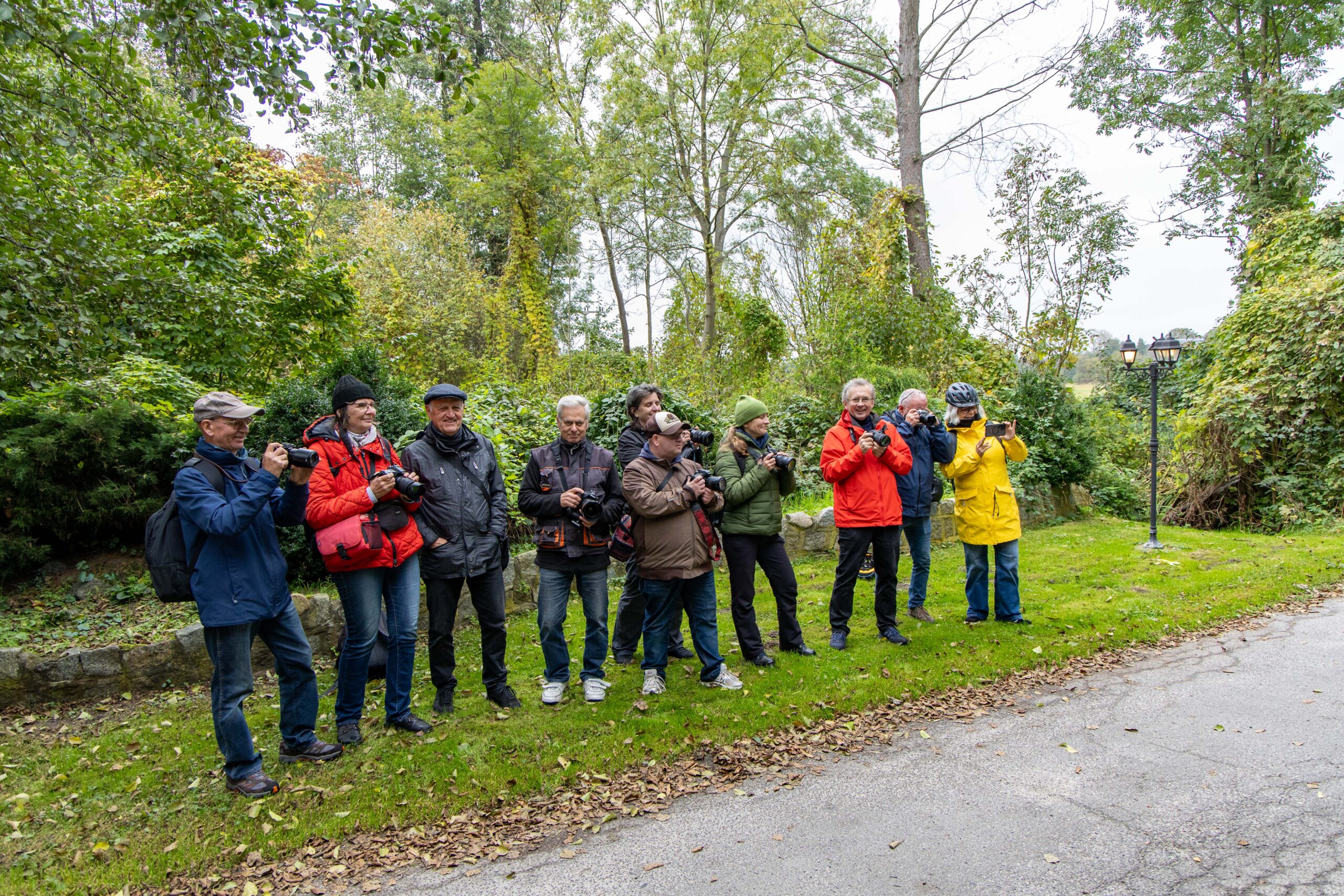
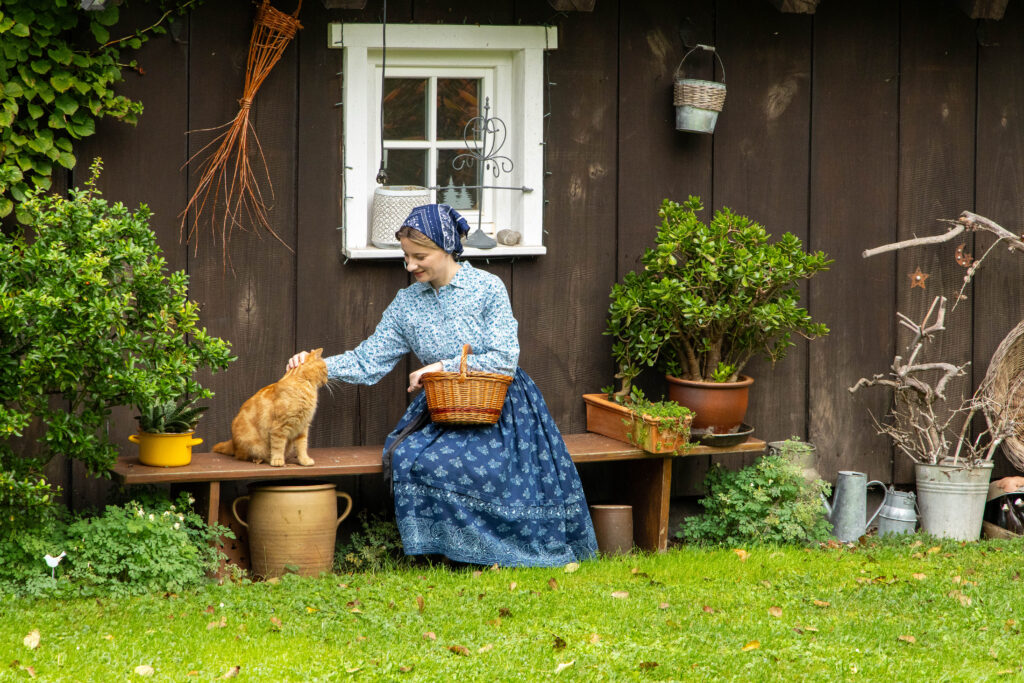
The Lower Sorbian Language School in Cottbus regularly organizes workshops on topics related to the region and its traditions. These include workshops that give amateur photographers the chance to take a look inside farmyards and behind closed doors. This also involves reenacting scenes that depict life a hundred years ago. The photographers on their bikes were treated to just such a scene at the Burger Erste Kolonie: Willi Liersch and Lea Müller demonstrated an autumn harvest barge making its way toward a local farm. Afterward, everyone pitched in—including the photographers—to pull the barge ashore. There was no shortage of subjects here, nor at the subsequent locations—many a battery had to be replaced along the way.
In Leipe, Marlene Jedro treated the photography crew to Spreewald stew; Thomas Hegemer then invited the group onto his boat and showed them Leipe at its most beautiful (and photogenic). Not everyone realized that, until then, they had only seen the backyards facing the street in Leipe.
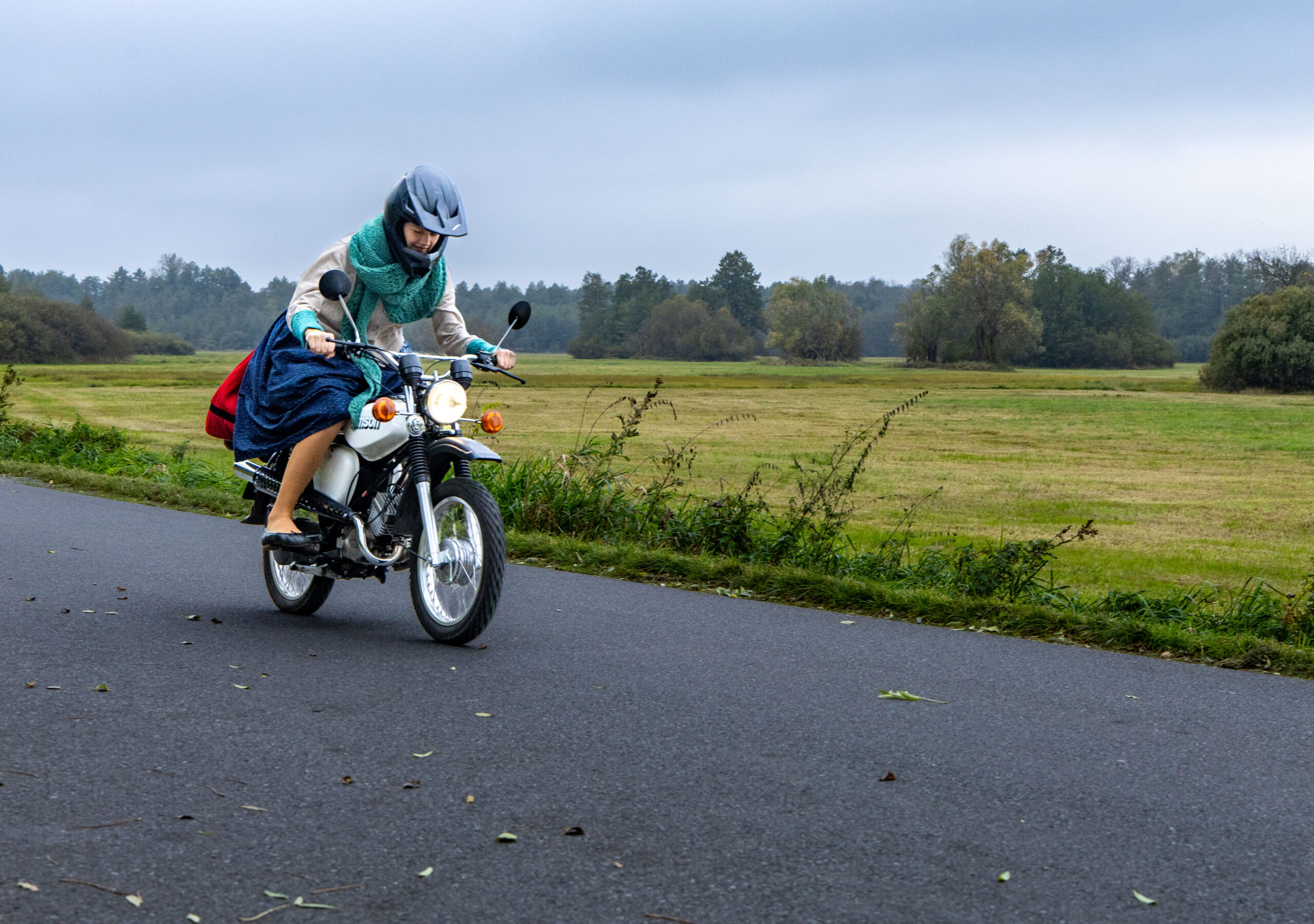
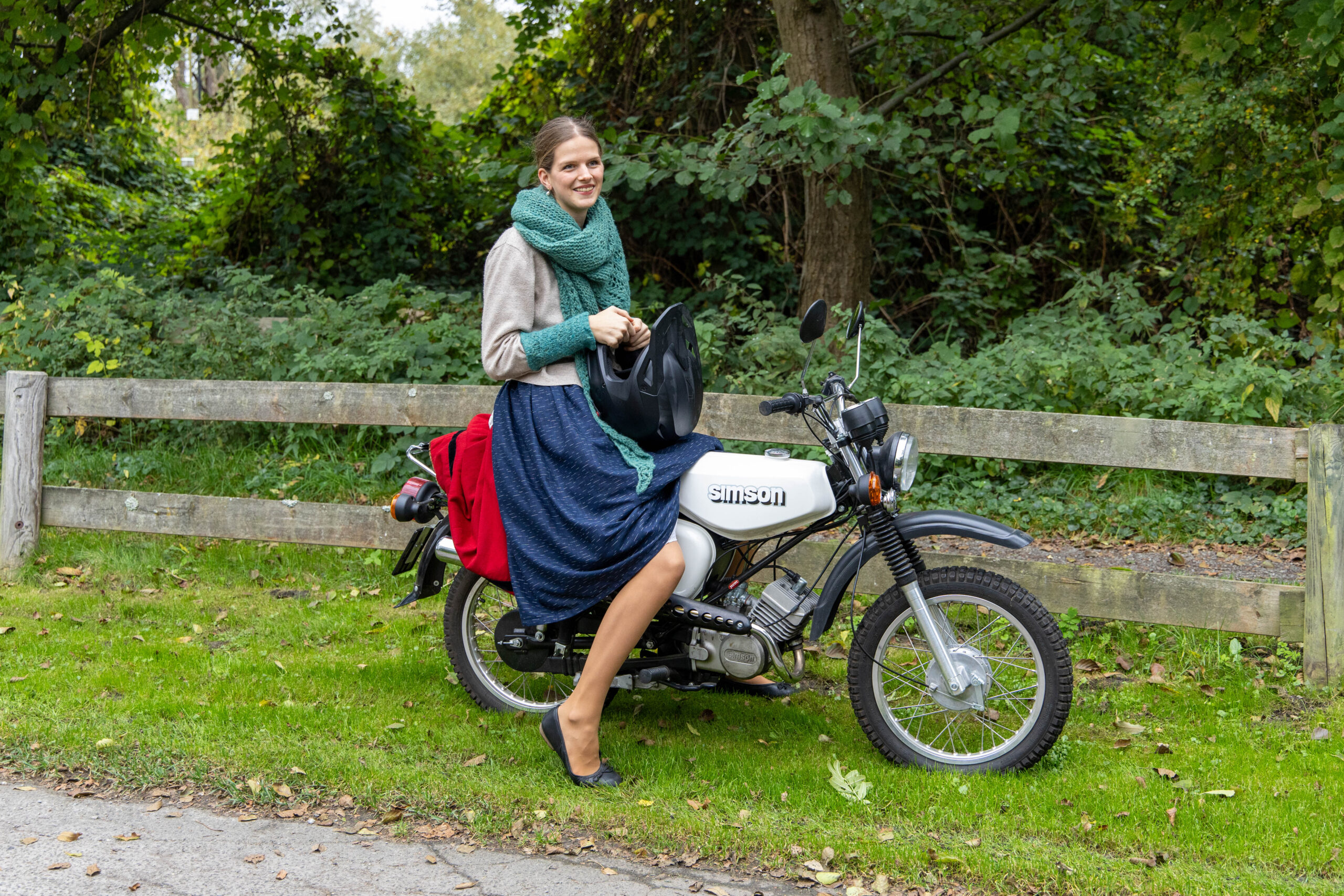
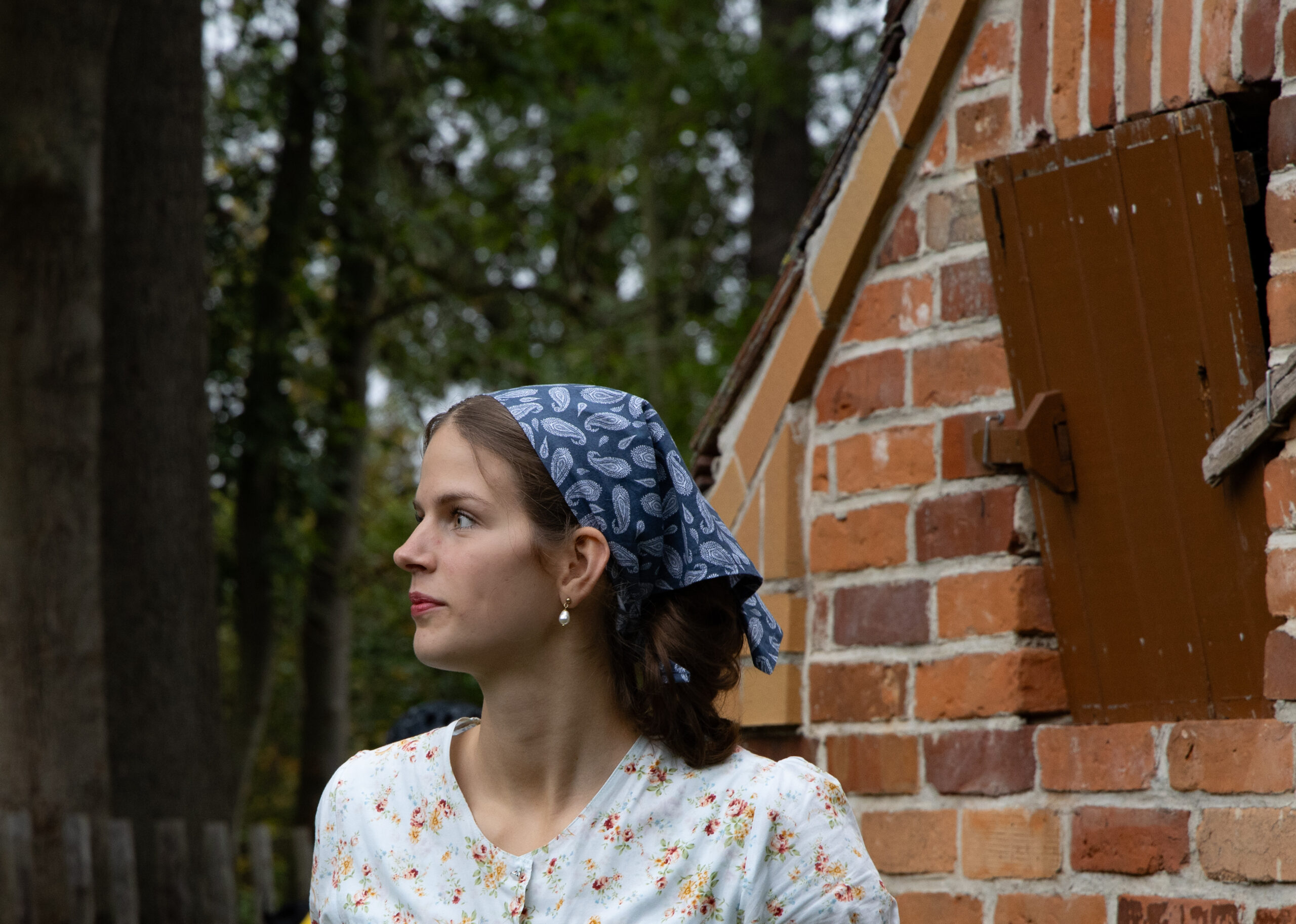
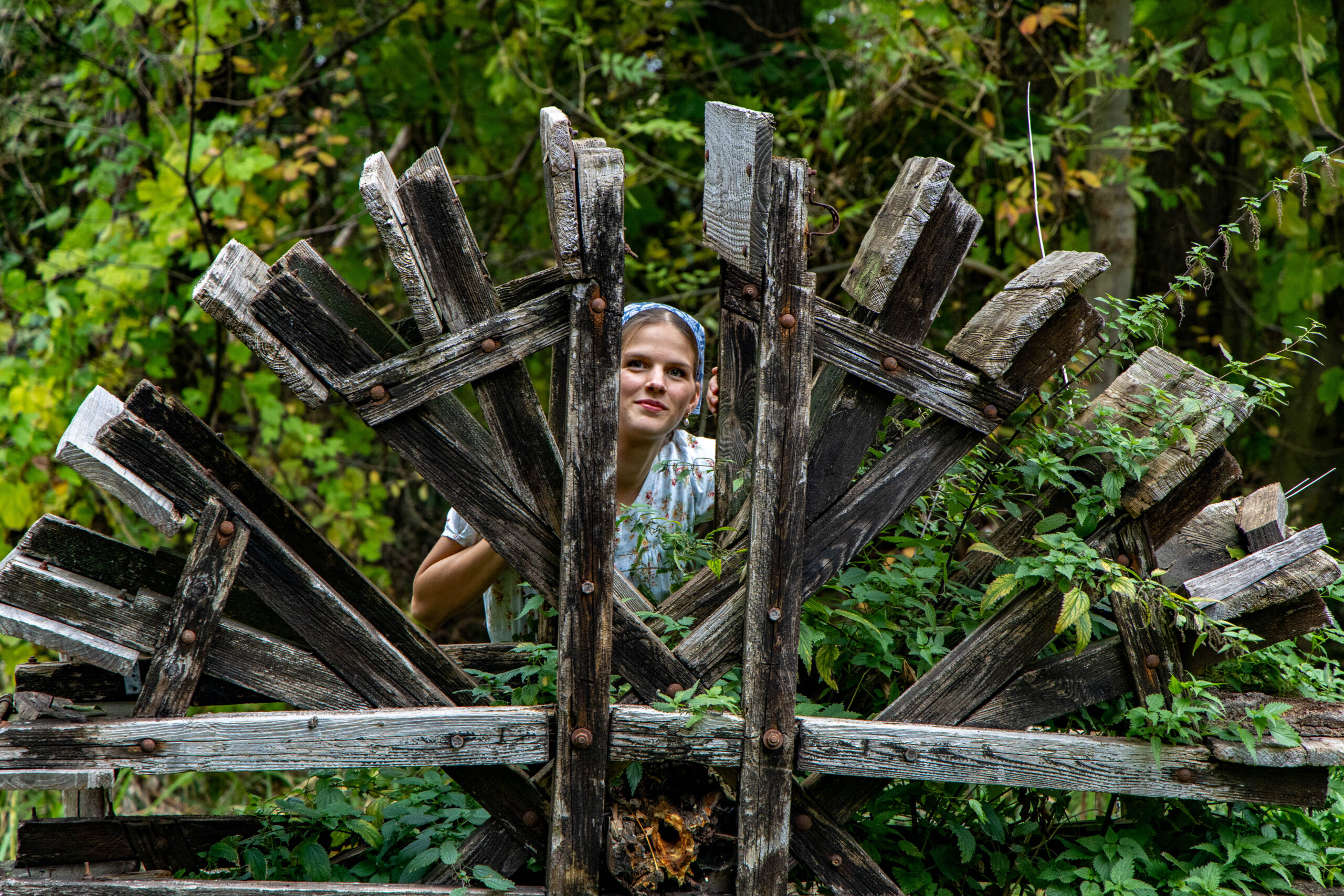
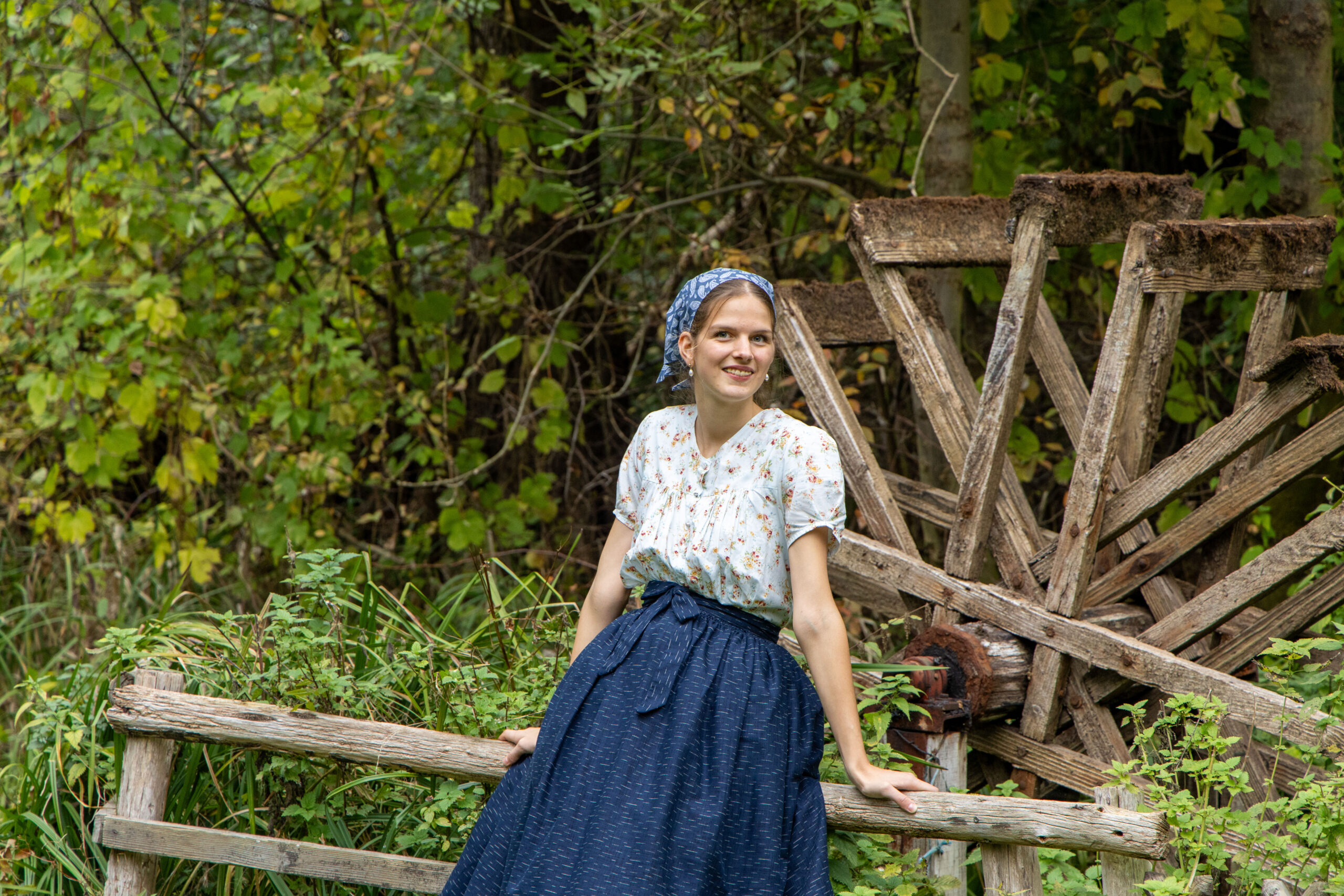
Since having fun is part of photography, Amalia Kuhla, dressed in traditional costume and riding a Simson, zoomed past the Dubkowmühle. She had to ride up and down the street again and again, making sure her skirt flew up as high as possible. The photographers couldn’t agree on whether a short exposure time or panning the camera along with the subject—the moped—would be the better choice. But there was plenty of time to try both—there’s no right or wrong way, was the unanimous opinion. To slow things down a bit during the workshop, Amalia then posed in her work clothes in front of the Dubkow oven and calmly posed for portraits from every angle.
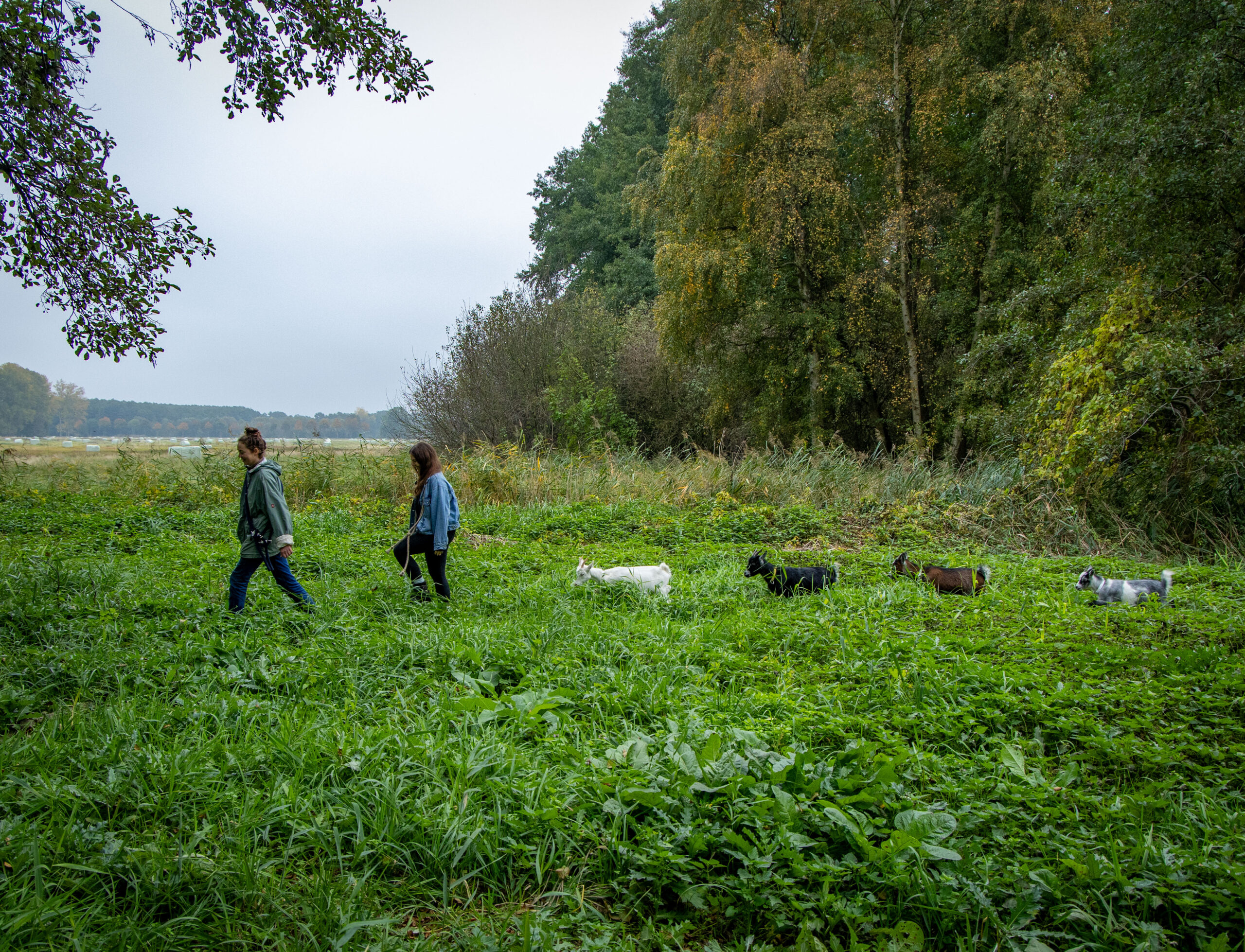
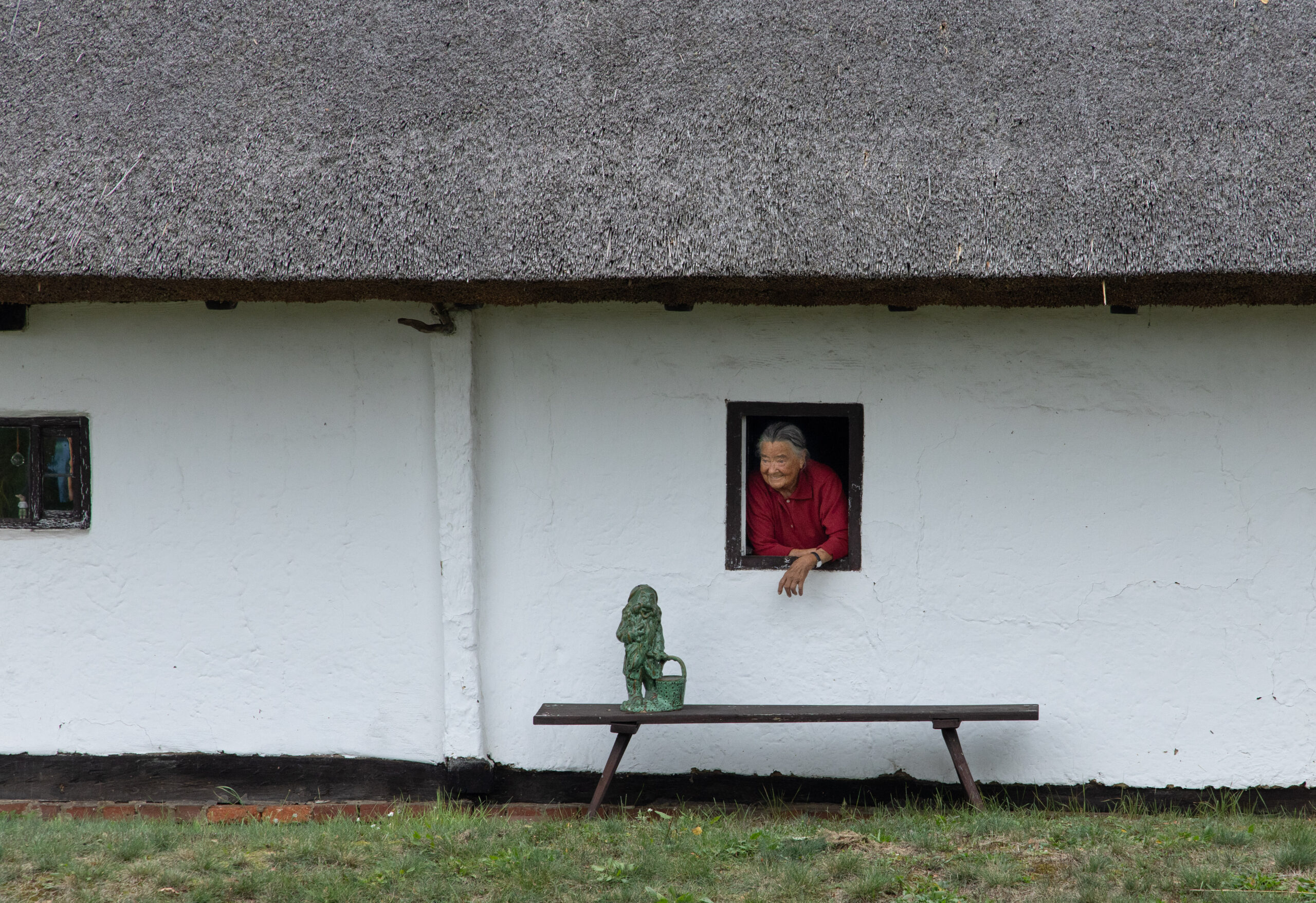
On the way back to Raddusch, there was another stop at the oldest house. Christa Lamster looked out the window and waved to the photographers. The event would have ended there, had it not been for that serendipitous moment—so beloved by photographers—of being in the right place at the right time: Just before reaching Raddusch, they encountered two young women leading a small herd of goats. Someone might have expected alpacas, but not goats—the domestic animals of days gone by. So it fit the theme perfectly—and after asking the women, the photographers pulled their cameras out of their bags again. A few curious goats peered here and there, and some even got very close to the lenses.
As the day came to a close, the actual photography was over, but the post-processing of the countless photos was far from finished. Every ambitious photographer knows that digital photography consists of two parts: taking the photos and post-processing them. The scope and depth of this process are currently being reexamined in light of the use of artificial intelligence: When is a photo still authentic? What is allowed, and what isn’t? In any case, there is agreement on the amount of time that successful photography requires. “If you don’t have time, you can just snap a quick shot!”—for the ambitious, that says it all in just a few words.
Peter Becker, October 18, 26

