
How a “Sagenkahn” boat tour can combine entertainment and learning in an enjoyable way
For vacationers, there’s no more entertaining way to learn about the traditions and history of the Spreewald than on a guided boat tour! Locals also enjoy taking advantage of this opportunity to brush up on their knowledge. The Lower Sorbian Cultural Academy has launched a series of events comprising a total of nine boat trips.
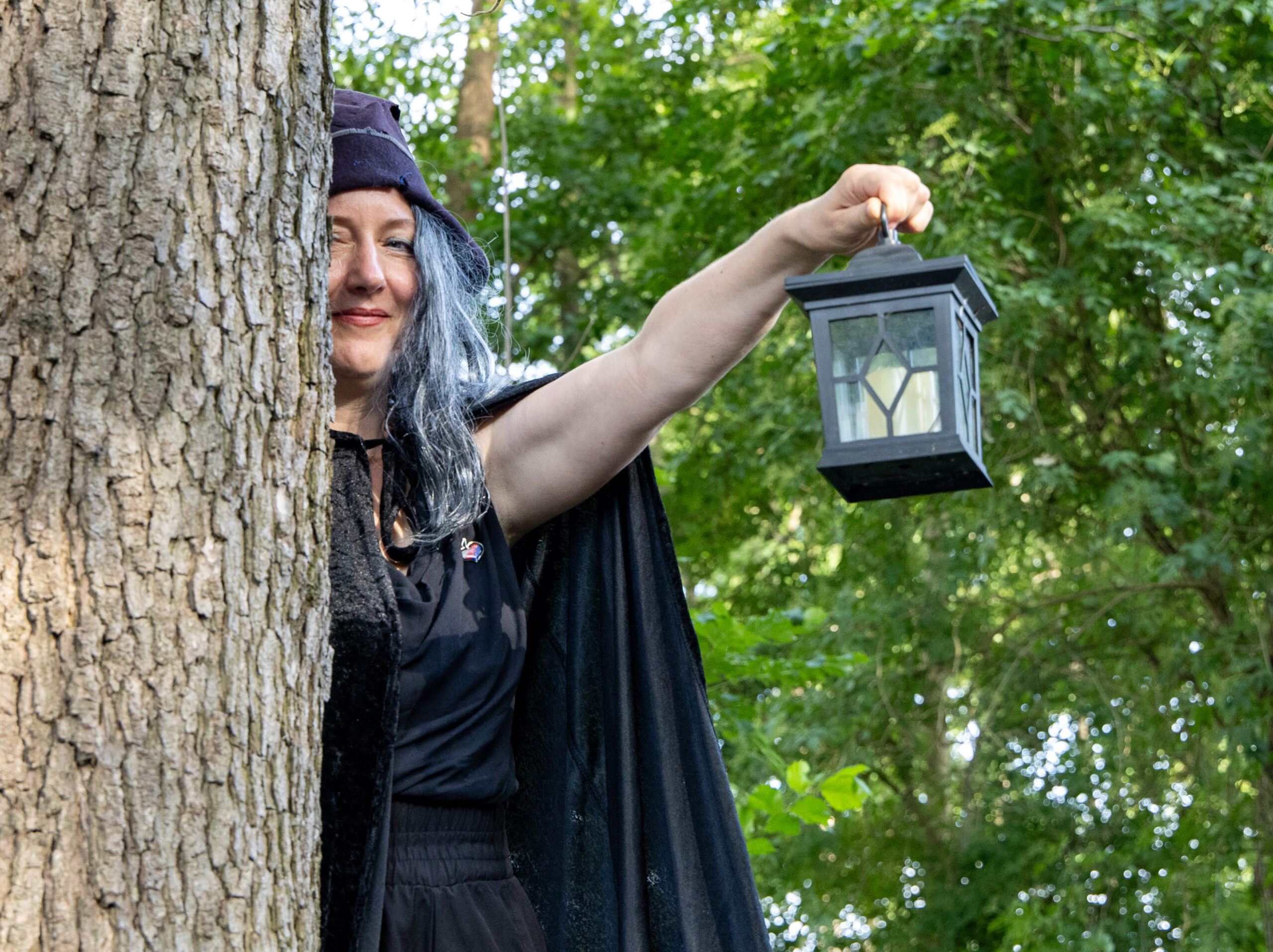
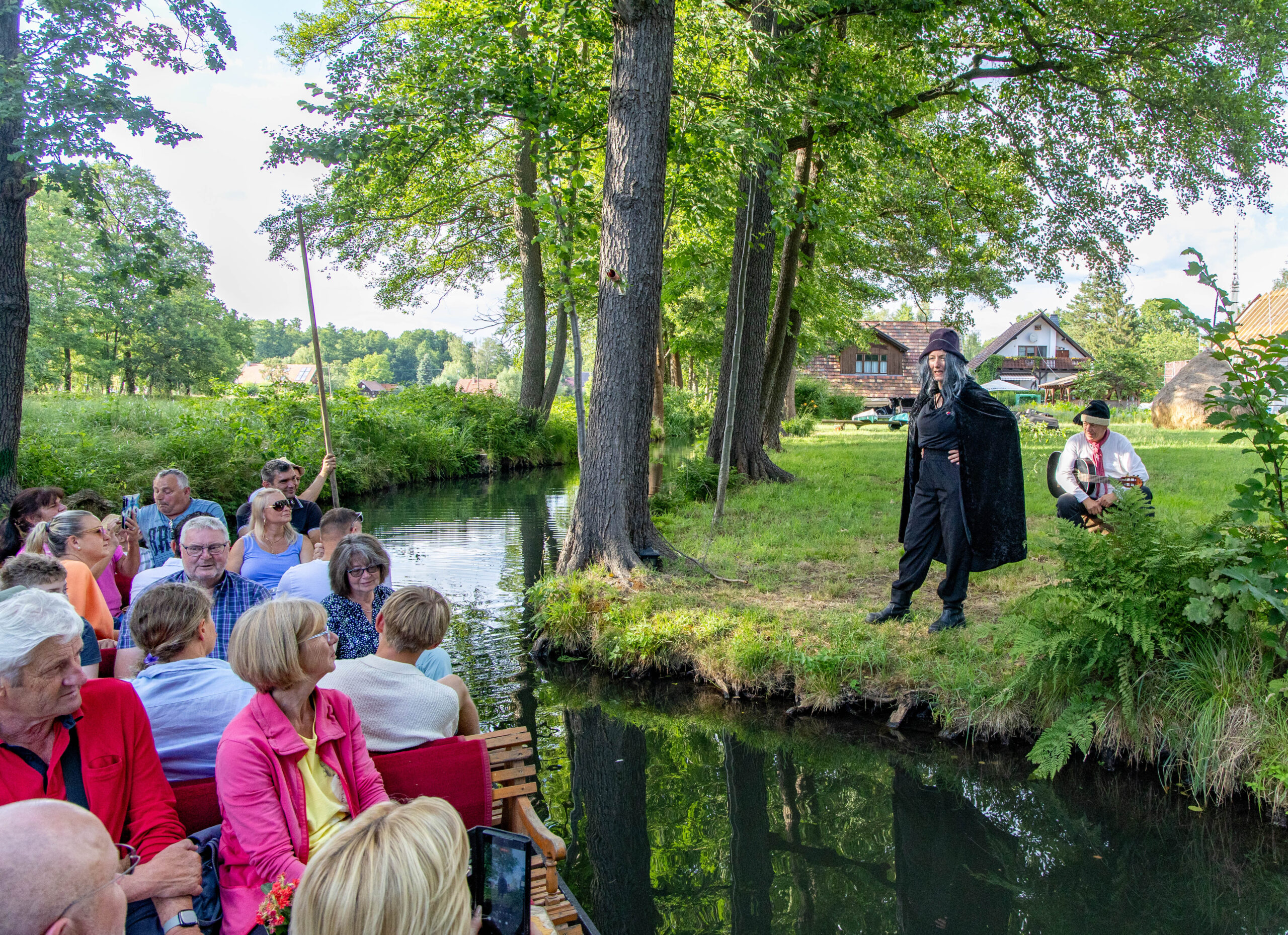
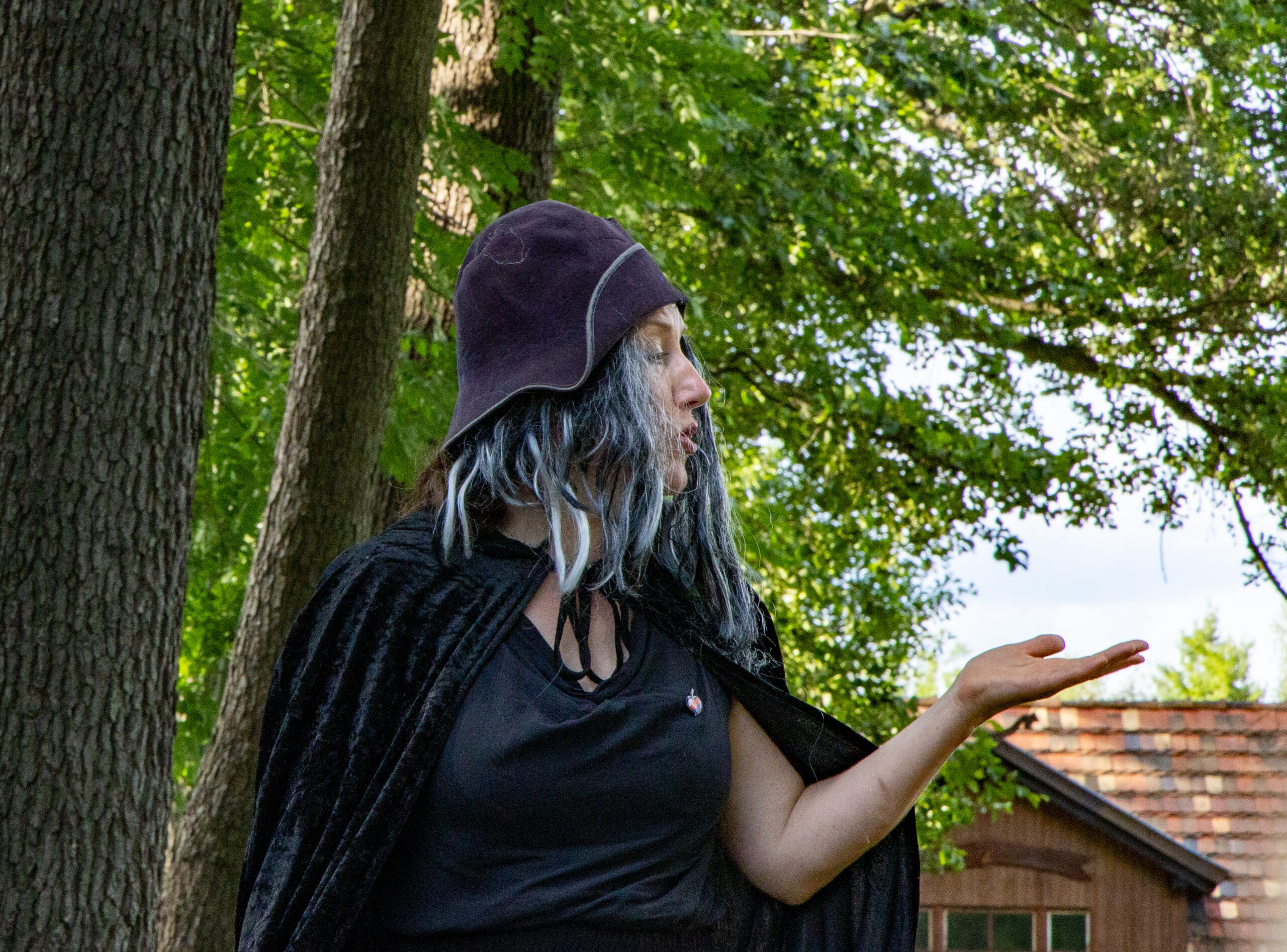
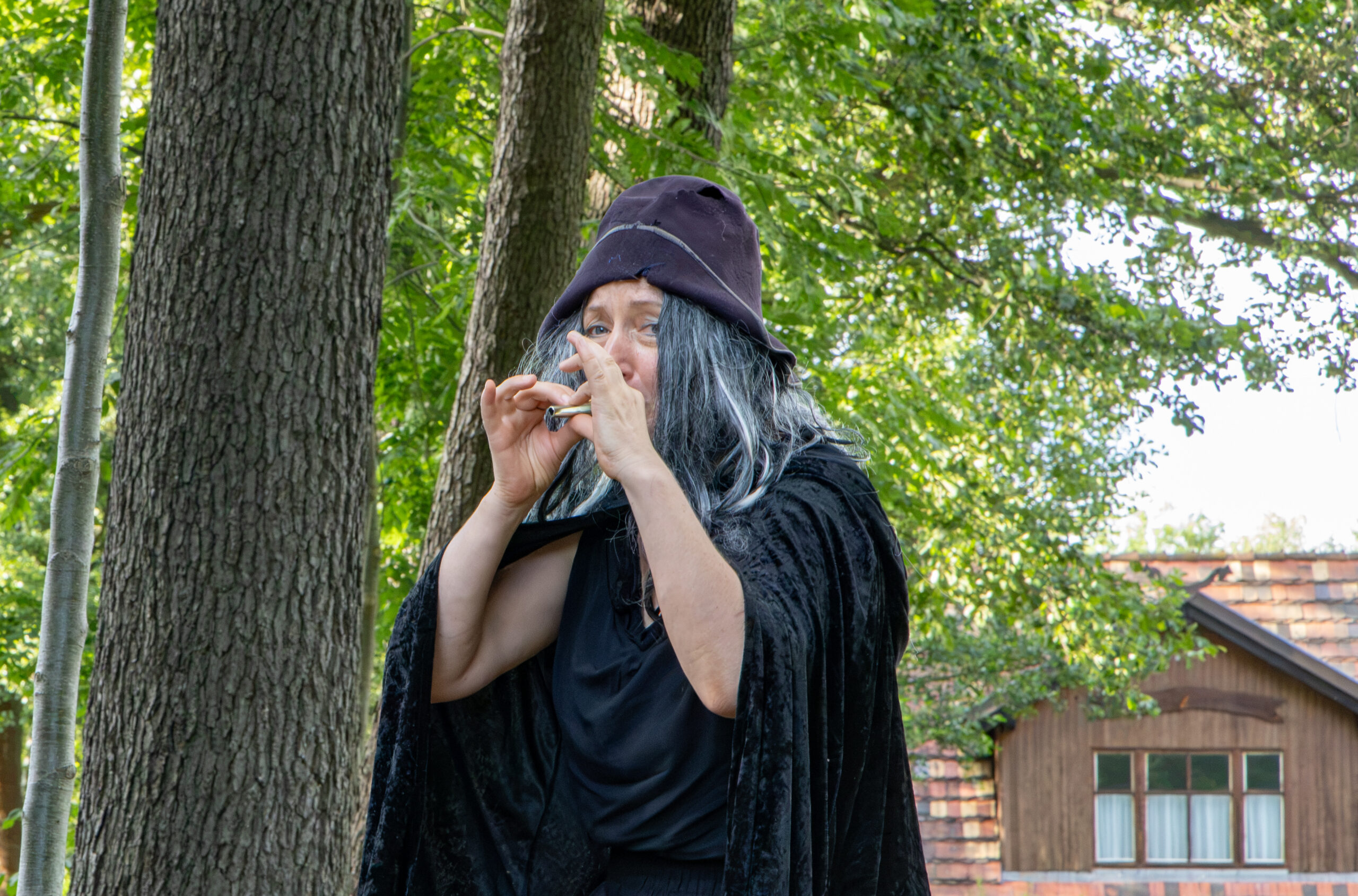
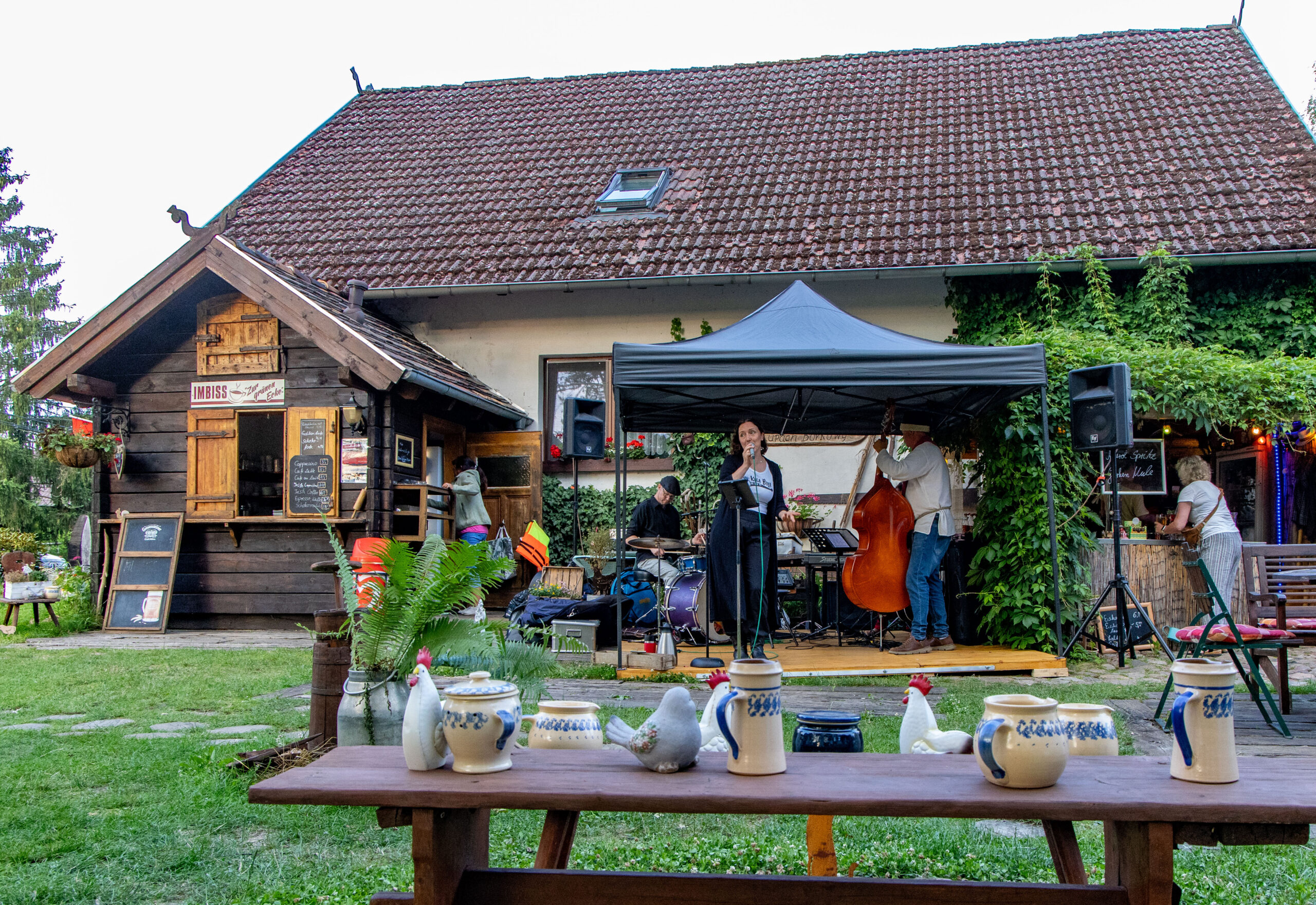
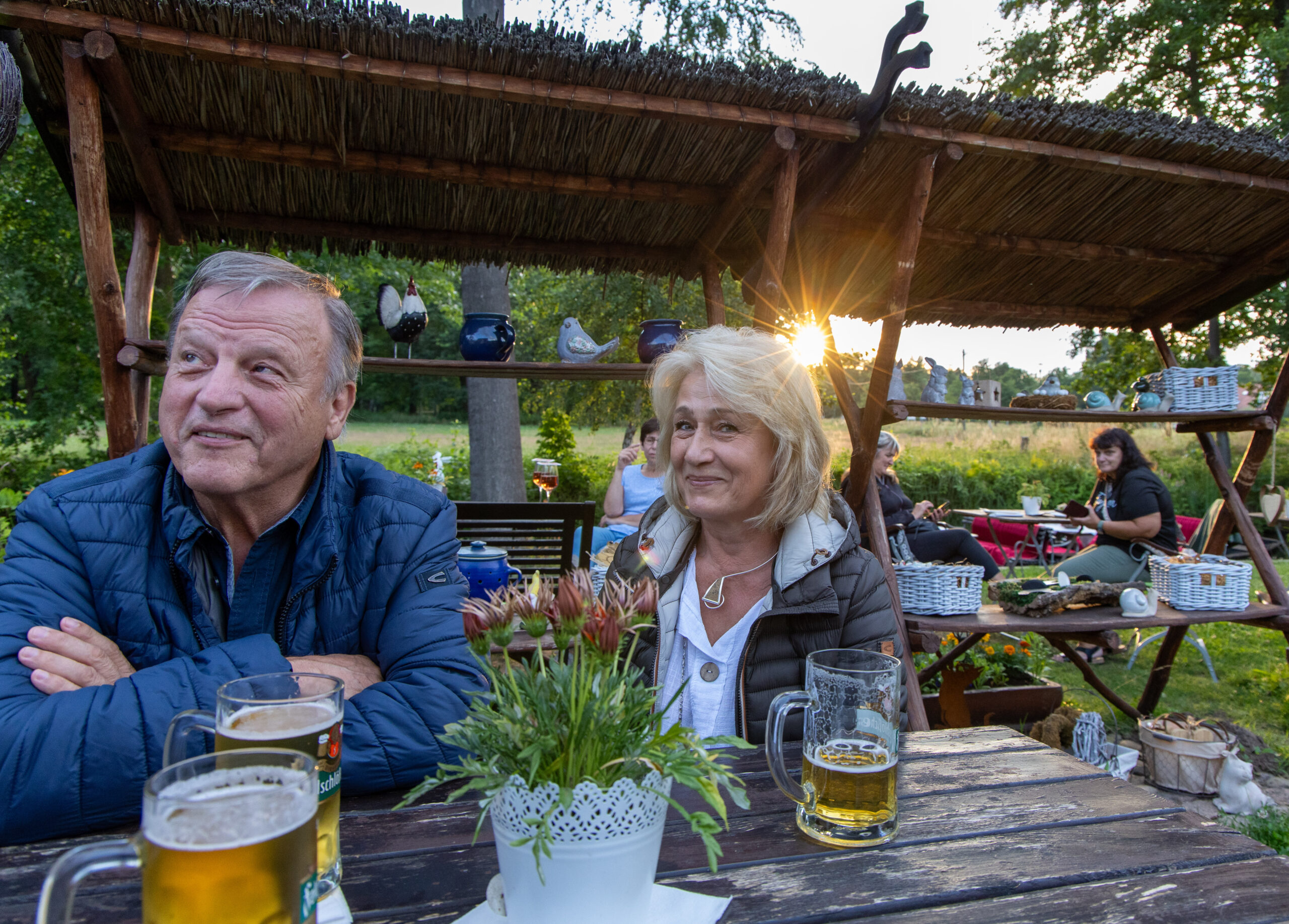
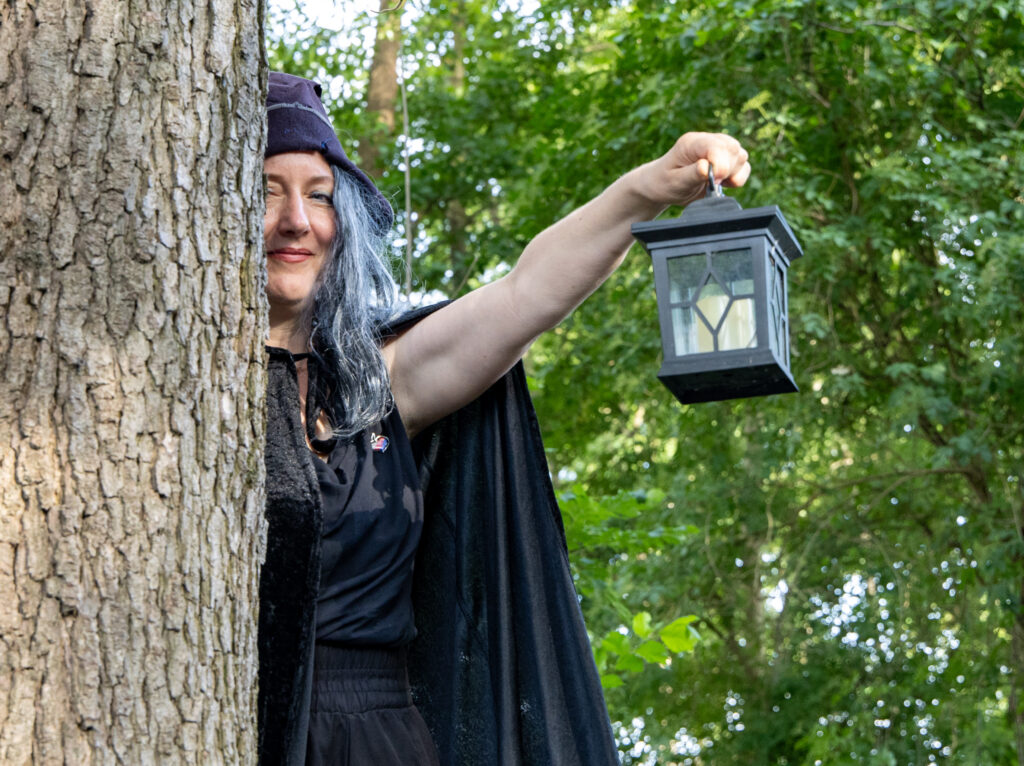
Starting from the “Grüne Ecke” in Burg Kauper, the barges set off for the Spreewald in the evening. Shortly after setting off, the passengers on the boat are unexpectedly addressed in Lower Sorbian/Wendish by the Will-o’-the-Wisp (Daniela Frank), who emerges from the bushes. A startled silence from the guests, since they usually don’t understand a word. This is, of course, intentional, to give guests a sense of how the Sorbian language sounds. “Oh, you only speak German! In the old days, people here spoke only Sorbian!” the will-o’-the-wisp—also known as a Bludnik—calls out to the guests.
This was followed by an entertaining conversation—an interactive exchange with the guests on the boat—about the legendary figures of the Spreewald, some of whom were still waiting on the shore for the boatmen and were already “looking forward” to seeing them. Musically, the song “Das Lied des Irrlichts” was accompanied on guitar by Frank Kossick himself, the Sorbian composer, songwriter, and bandleader of the group Kula Bula.
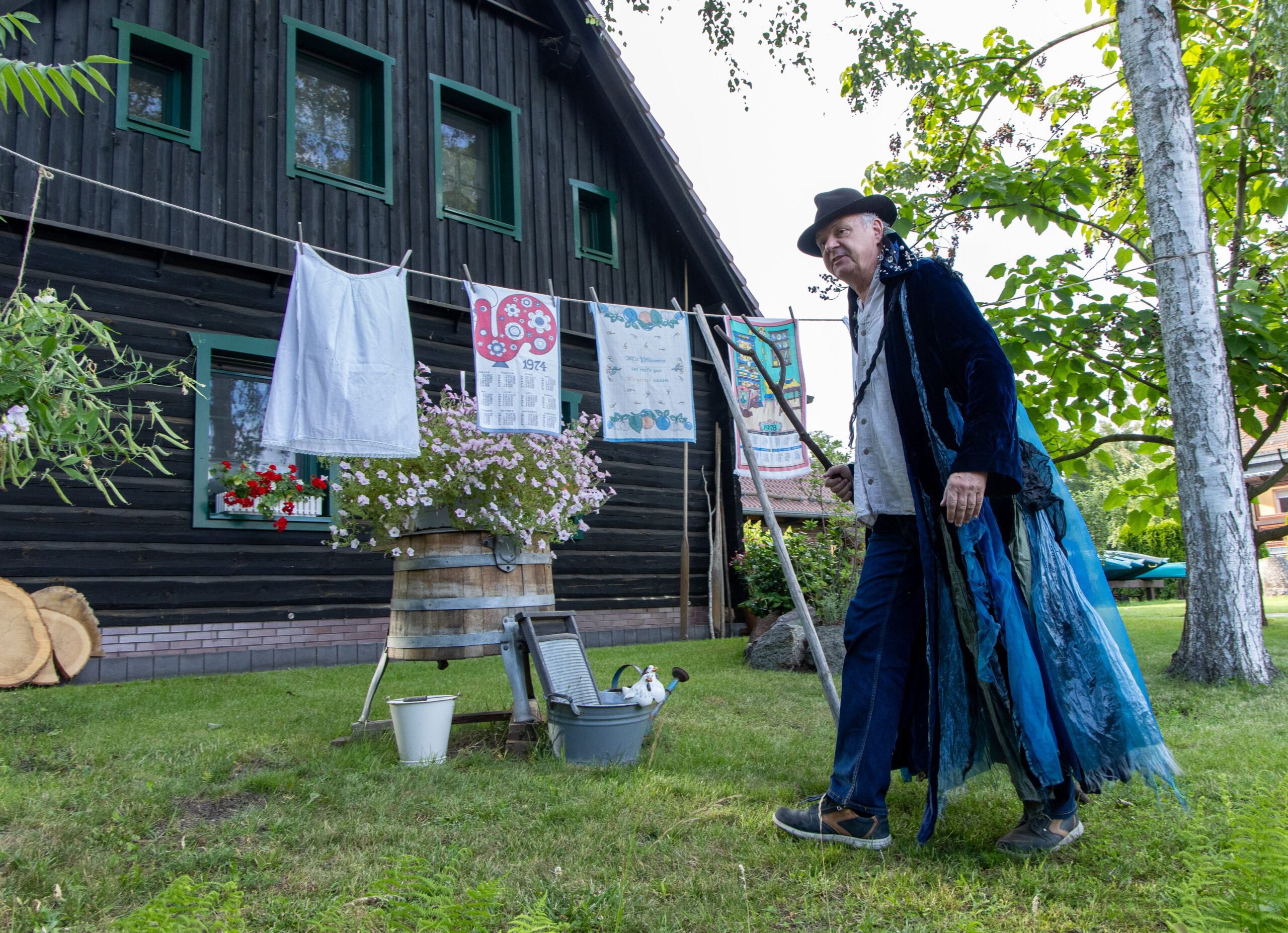
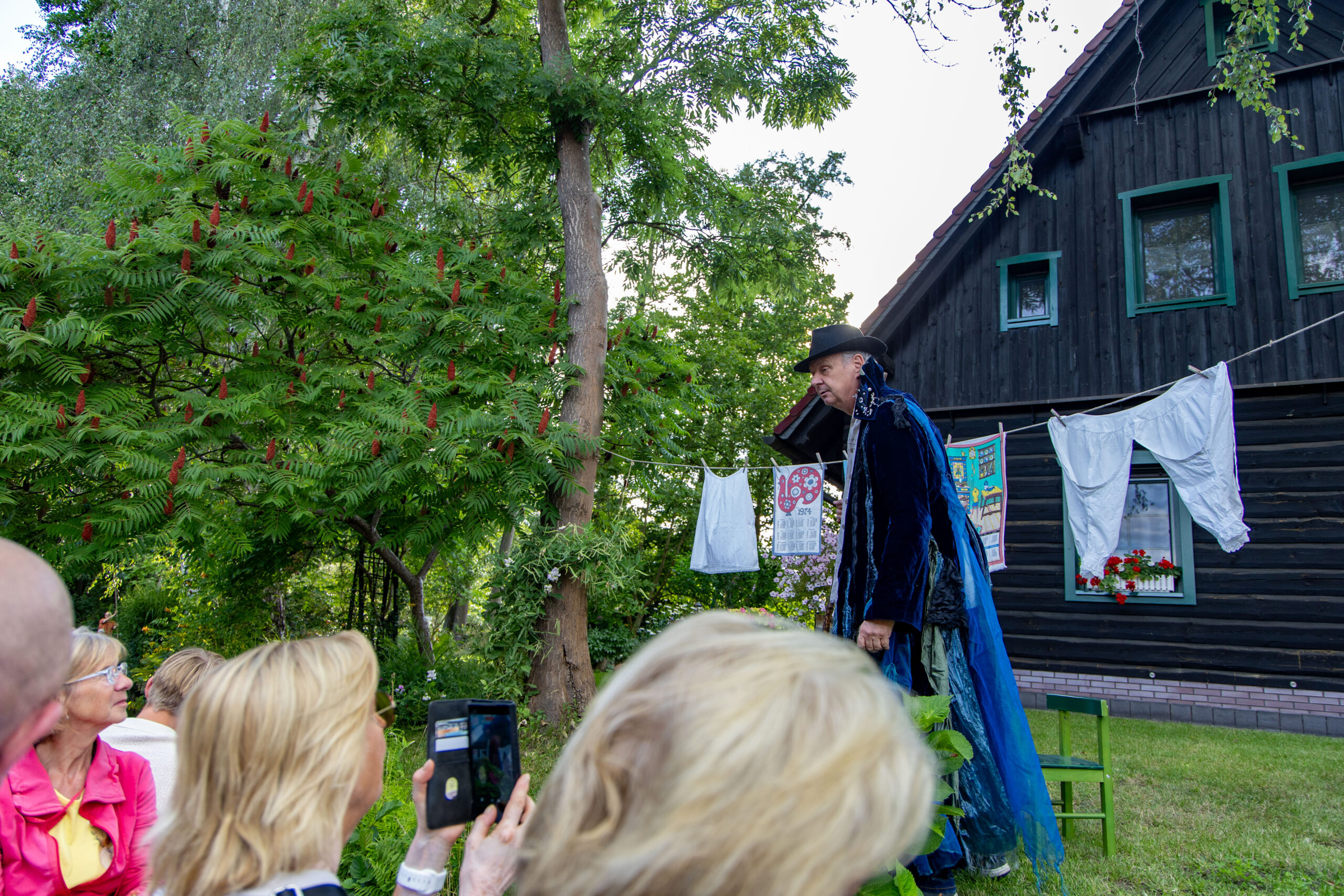
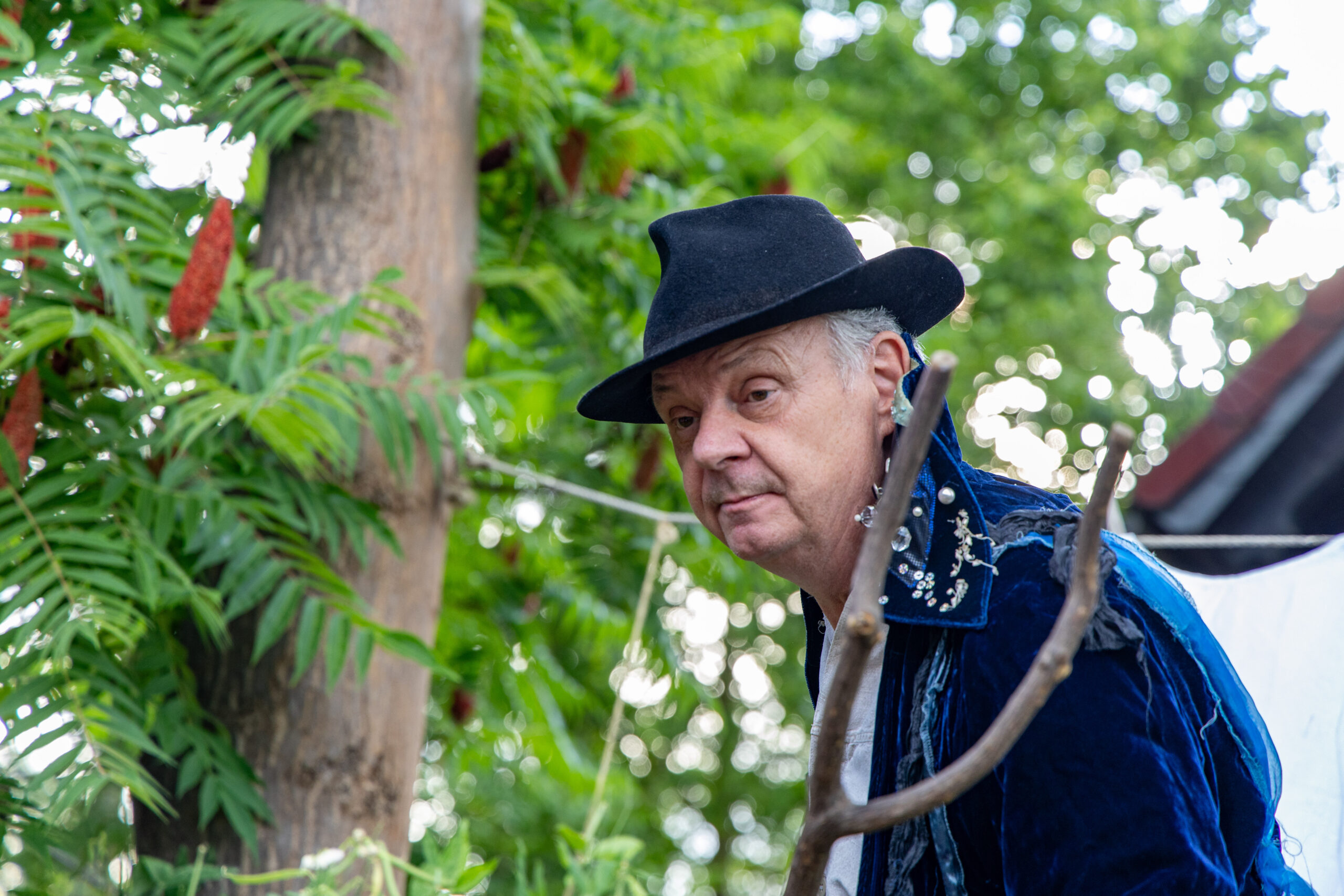
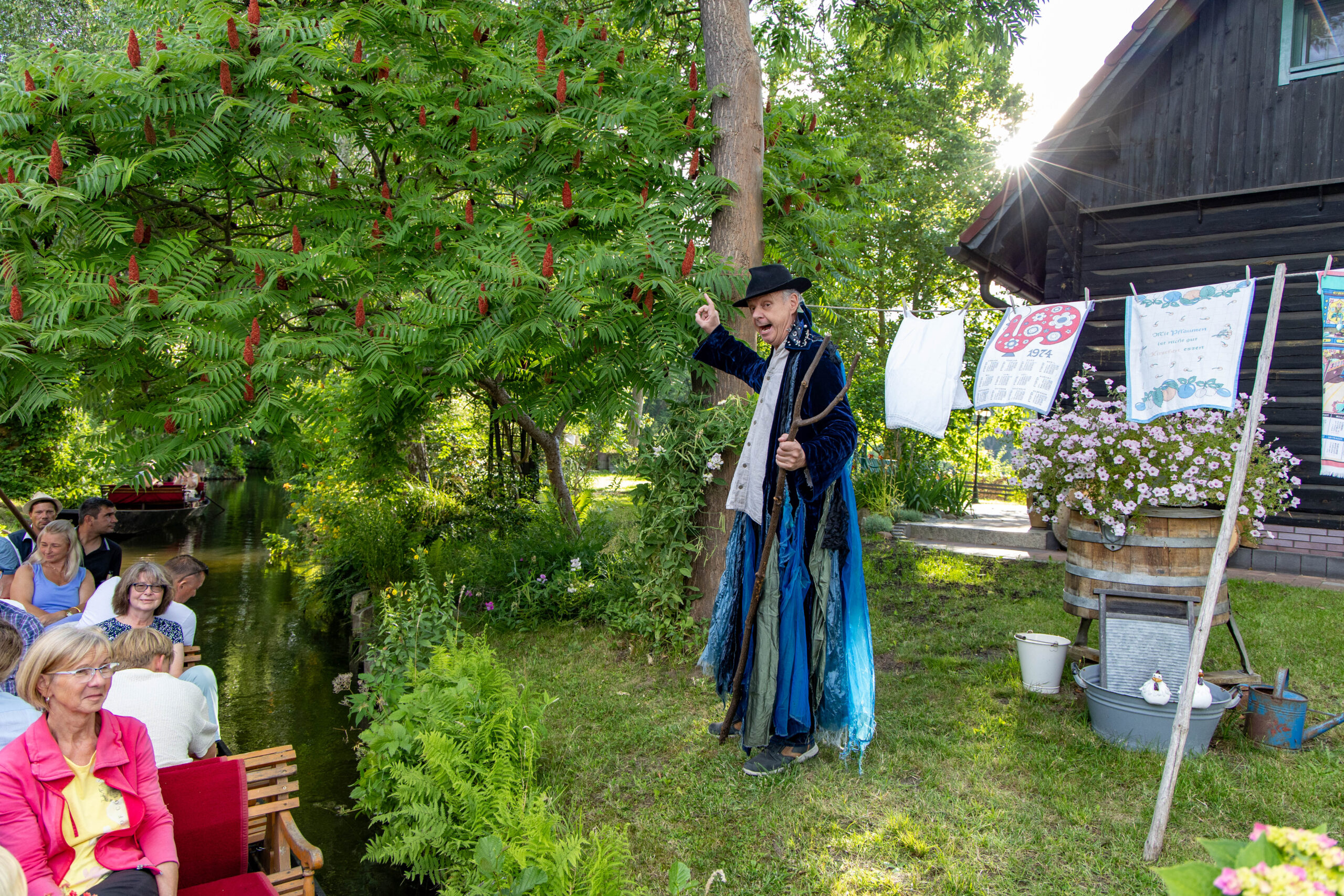
The Aquarius (Michael Apel), also known as Nykus, questioned established knowledge; he vehemently denied—with words and gestures—the Ice Age and other scientific findings, including climate change. The guests already had a hunch about where his remarks were headed, given the current situation … Michael Apel quoted his grandmother as if she had been there when the devil created the Spreewald. “I’ll take everything my Wendish grandmother says—Grandma was always right! That stuff about the Ice Age is nonsense; nobody was ever there!” Apel also touched on Spreewald traditions with plenty of humor—and he had the audience laughing several times. With the story of the Wendish slipper-throwing pregnancy test, he dismissed his thoughtfully smiling audience, directing them toward a bagpiper who was already waiting.
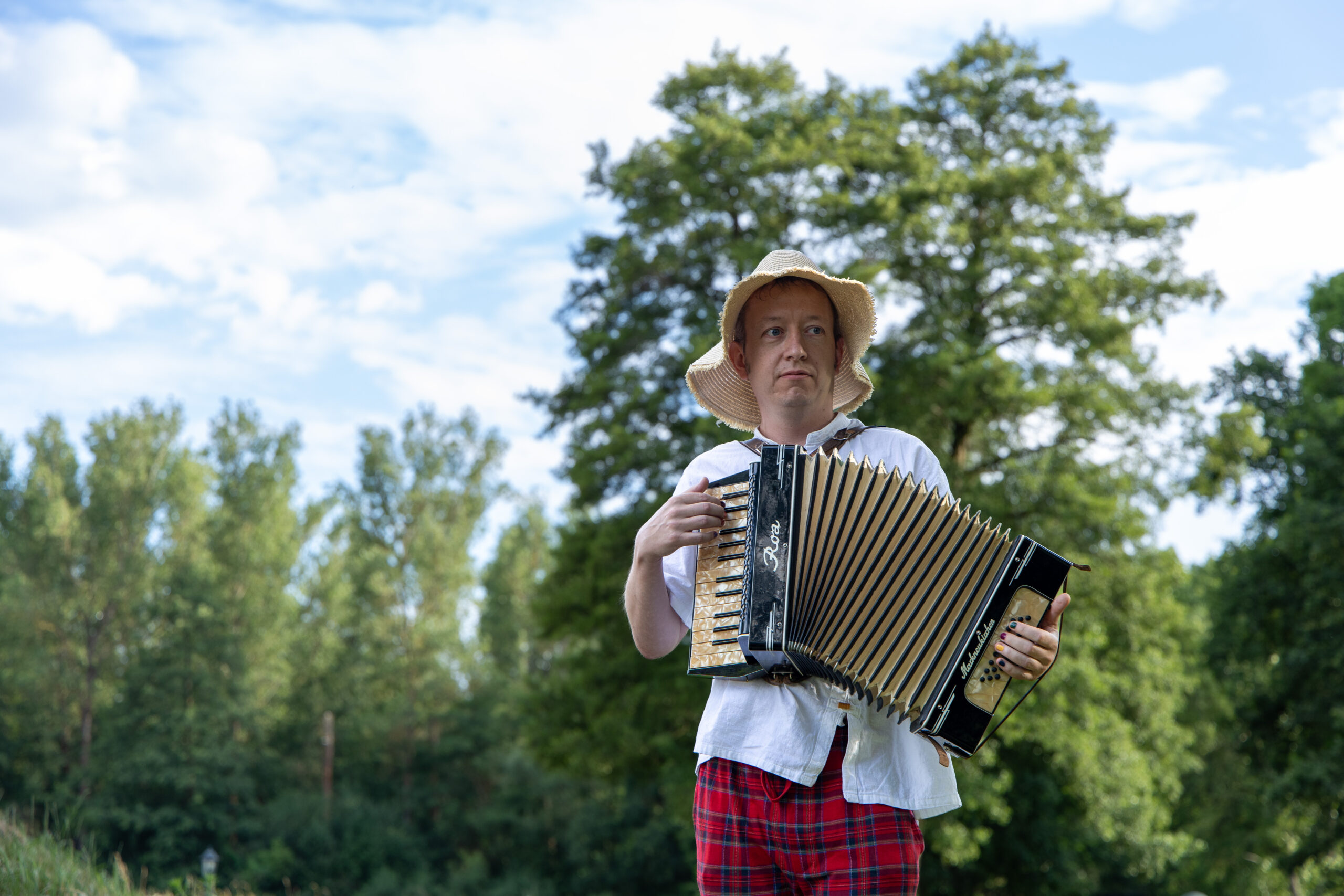
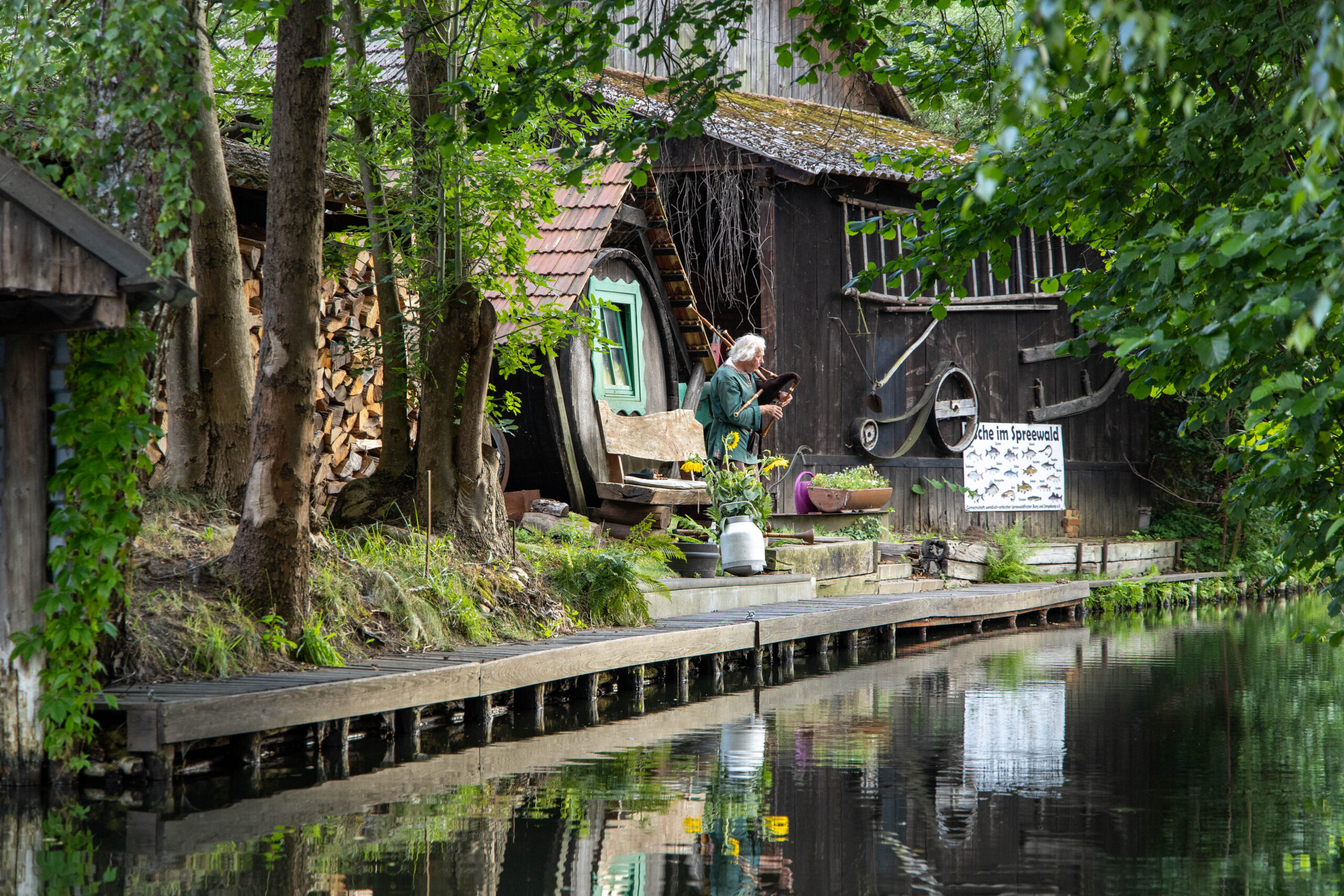
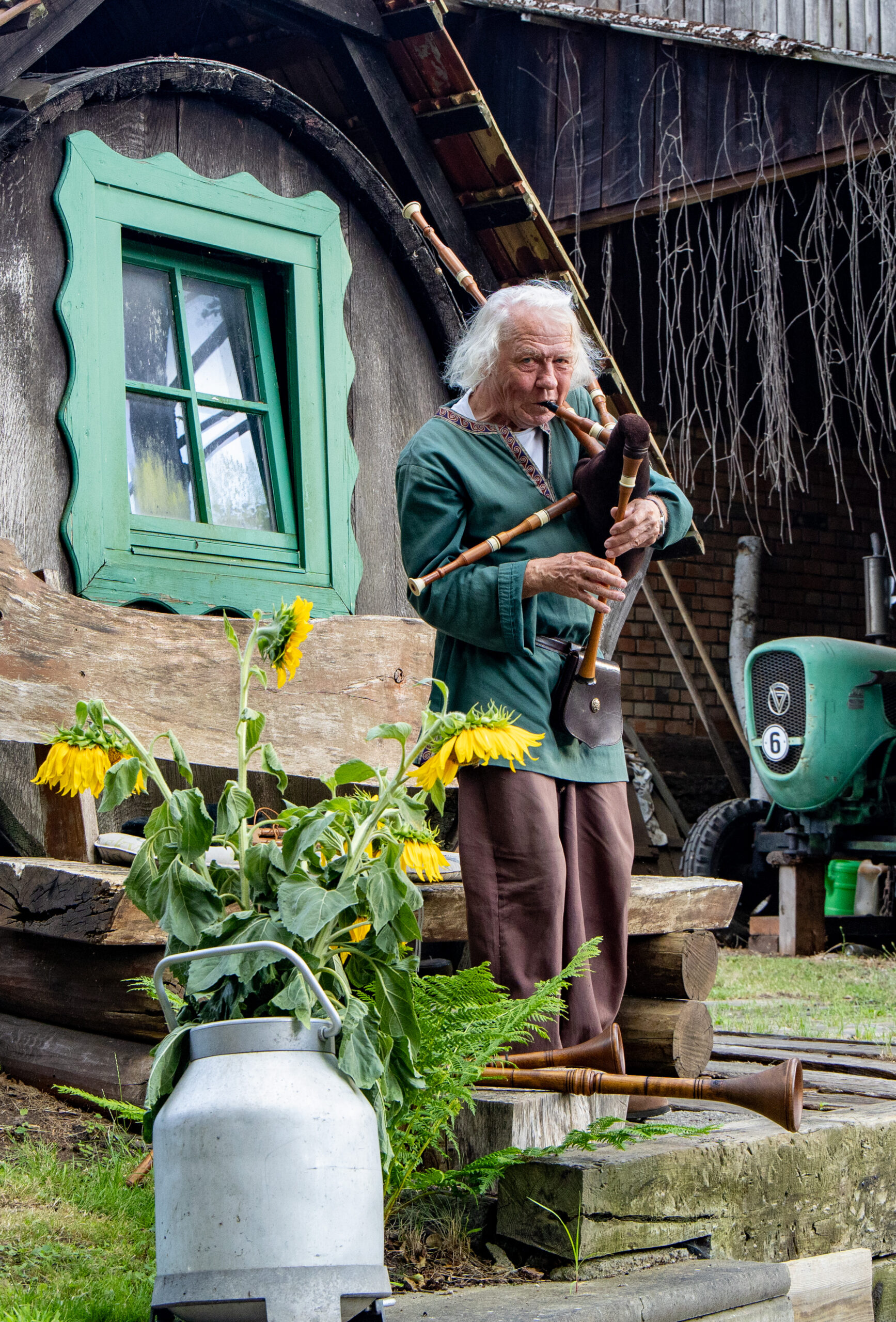
Gerhard Paucker and Jan Kossick were other musicians along the evening boat tour route. Both spoke about Wendish music and its instruments. Gerhard Pauker welcomed the guests to “Dudelsackland,” as Lusatia was once known. He gave a sample of his (bagpipe) skills.
Between stops, ferryman Sebastian Sporn had plenty of opportunity to tell his guests about the Spreewald. Boat building and boat maintenance were of particular interest.
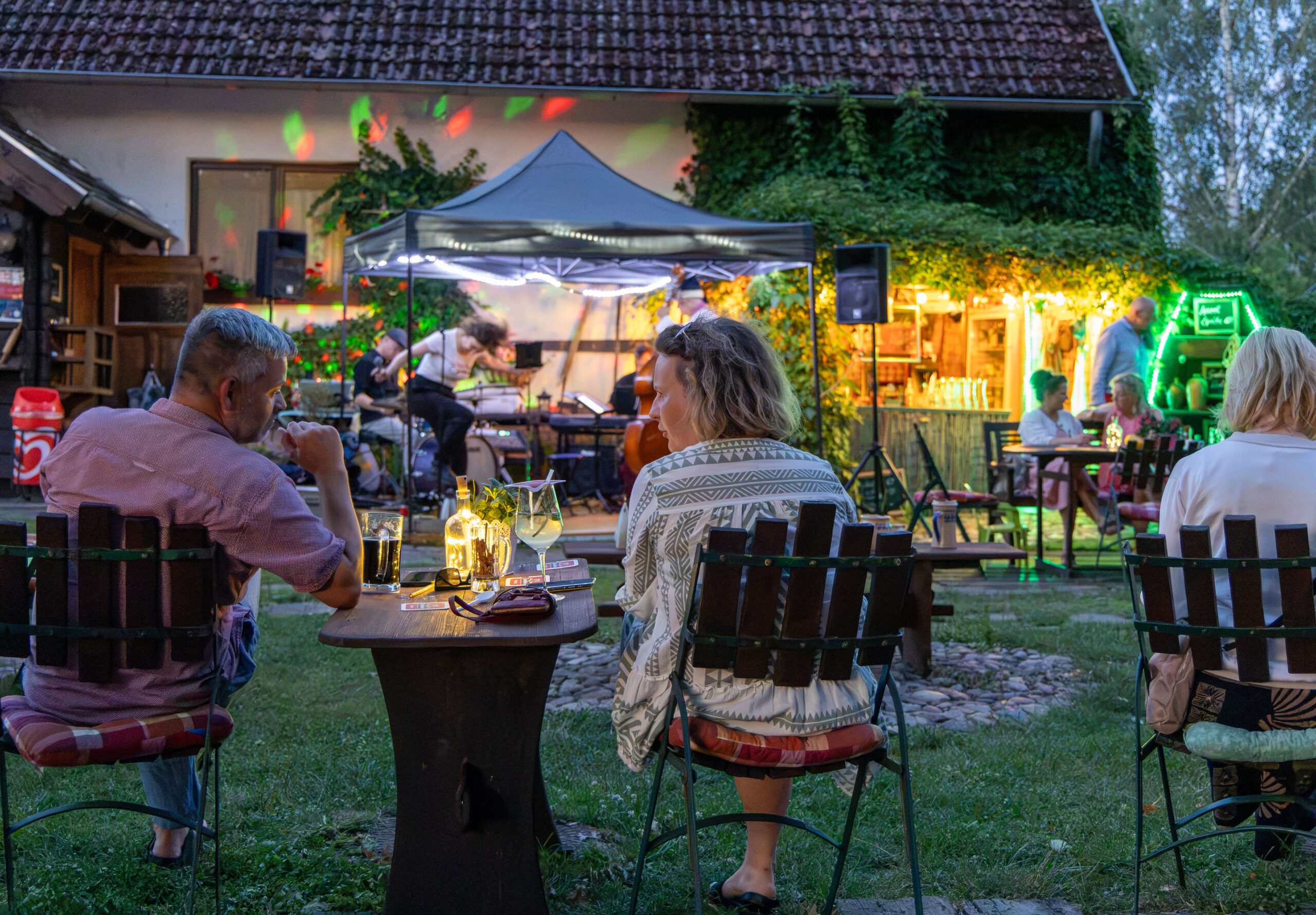
After taking in so much knowledge and culture, the evening can and must end on a cozy note: The Lower Sorbian band Kula Bula played dance music, with Daniela Frank—the “Will-o’-the-Wisp”—on vocals. The singer, who has Sorbian roots in Central Lusatia—specifically in the village of Sabrodt/Zabrod—regularly travels back and forth between her current home in the Palatinate and Lusatia. In addition to her work as a doctor, she is a passionate musician: “Although I’ve been singing in a rock band in Mannheim since I was a teenager, with Kula Bula I can combine Sorbian music with international folklore and swing/jazz music, along with traditional costumes and theater. You won’t find anything like that anywhere else!”
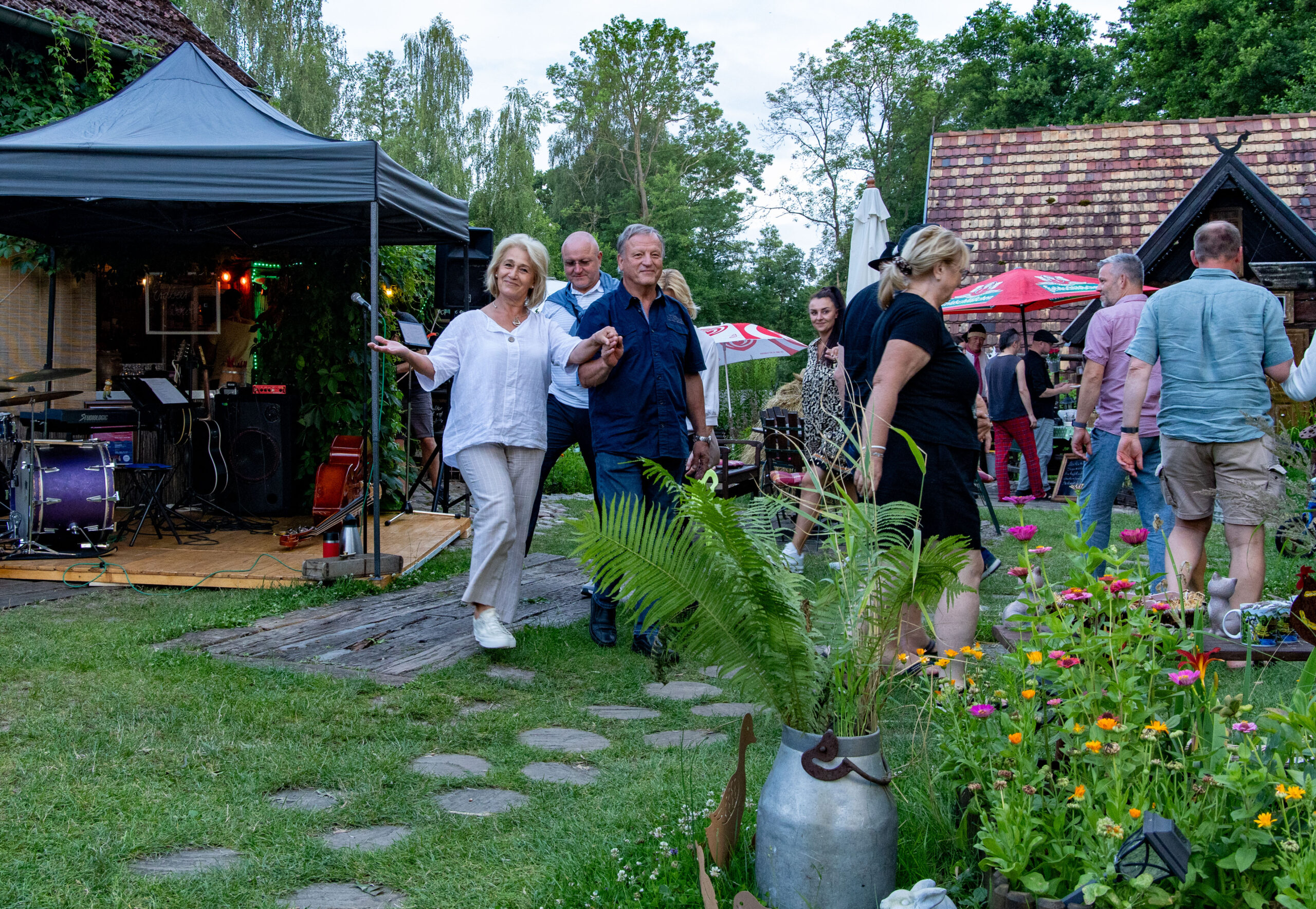
Michael Apel, a trained stage dancer, choreographer, and actor, incorporated a basic course on Wends dances. Many a vacationer danced for the first time on Sporn’s Meadow at the Grüne Ecke, performing not only traditional Wendish dances but also the Annemarie Polka.
Bernhard and Swetlana Grasselt from Raddusch were among the few locals. Swetlana Grasselt: “I feel very at home here; the many Wendish terms, the language—it all reminds me a little of my native Russian.”
Next date: August 28, 2026
For more information, visit the organizer’s website
Peter Becker, June 17, 2026

