
Hot vegetables harvested
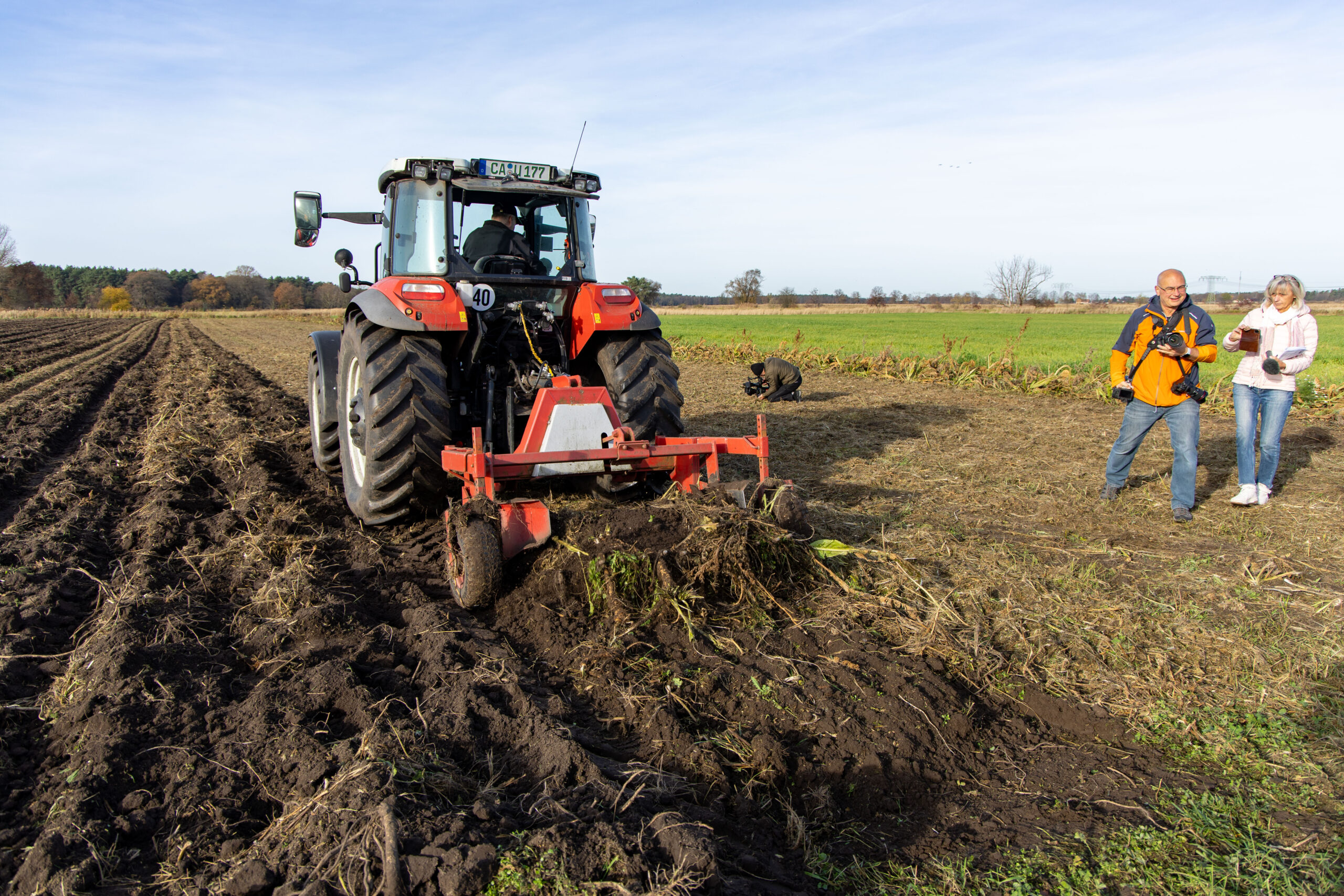
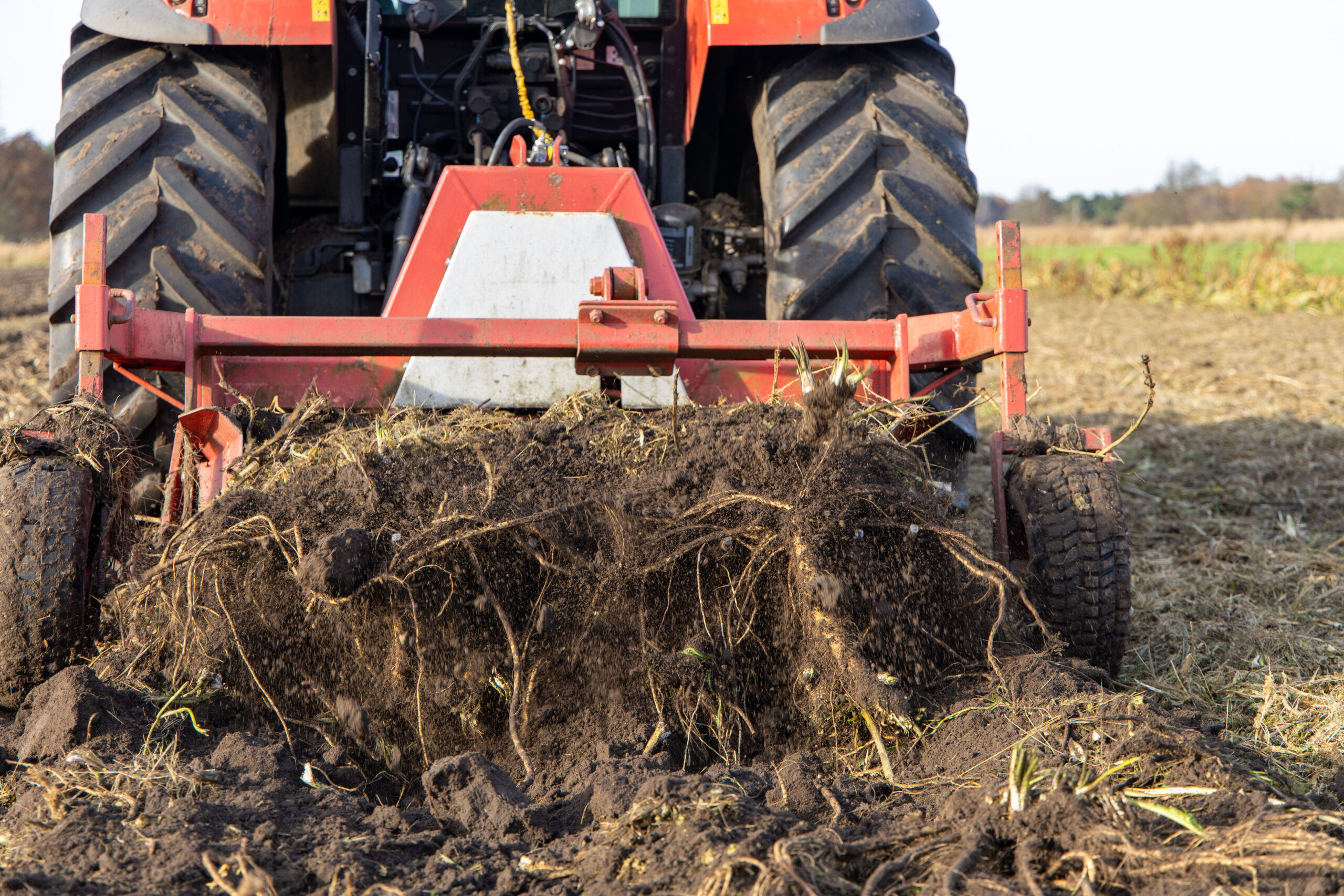
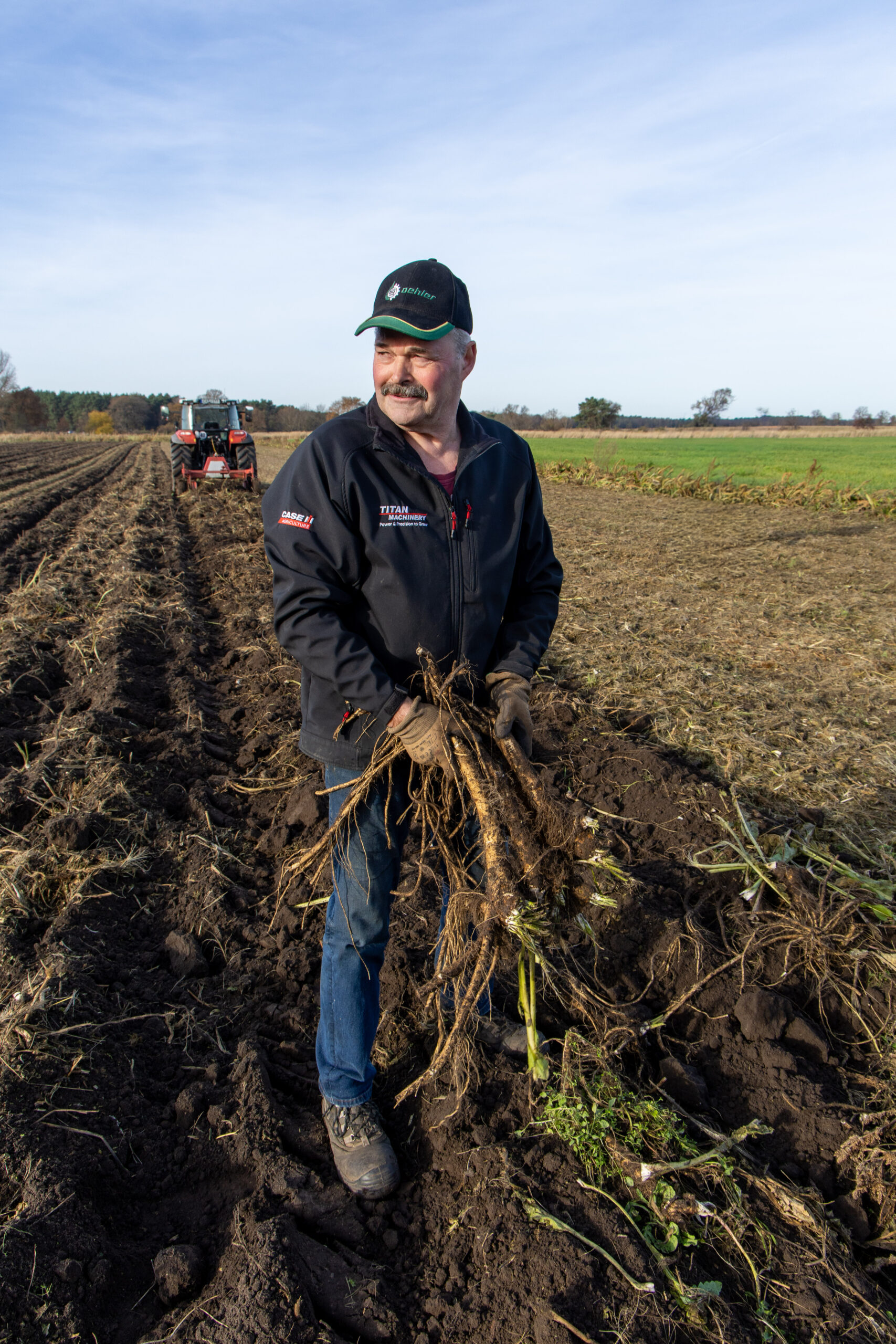
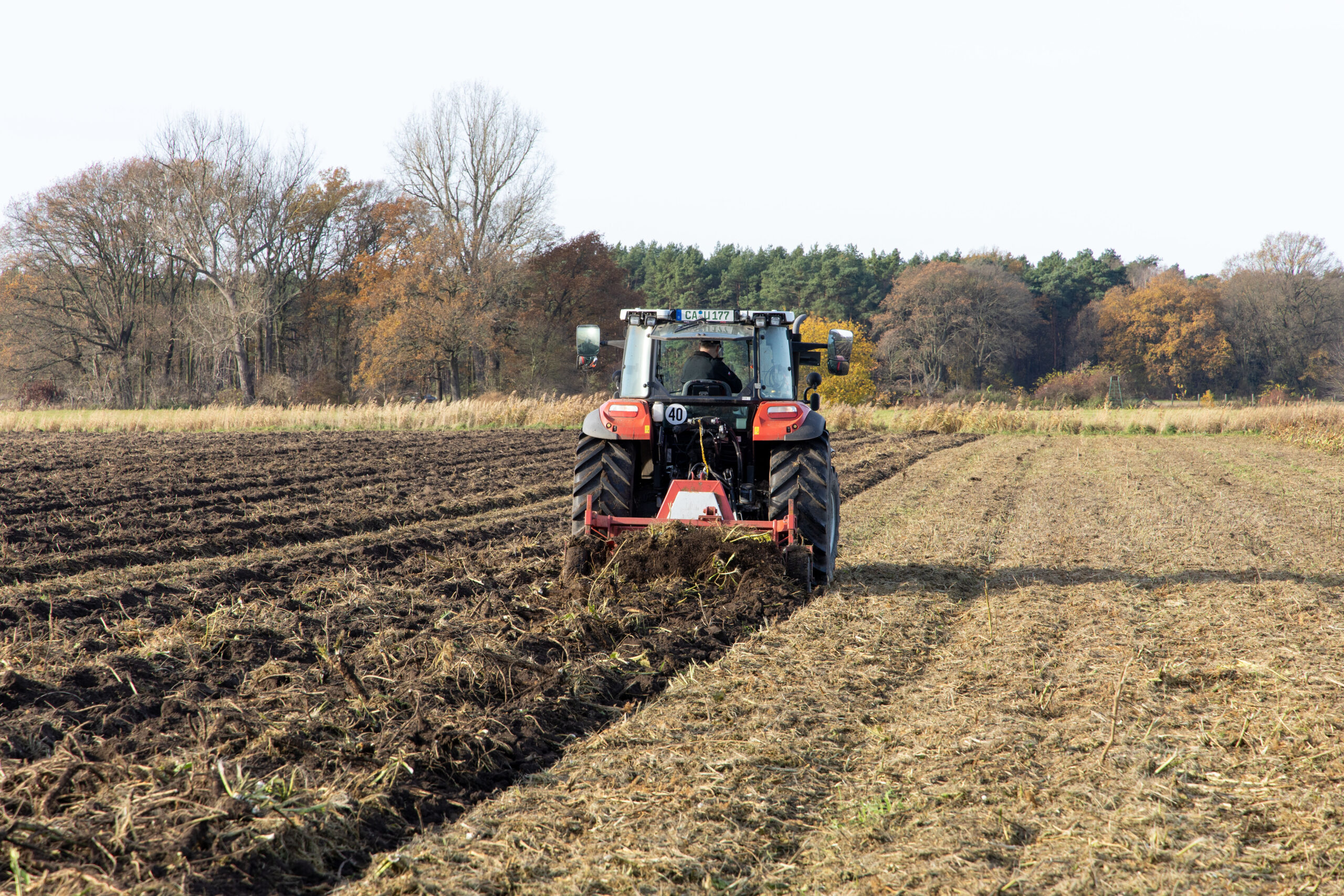
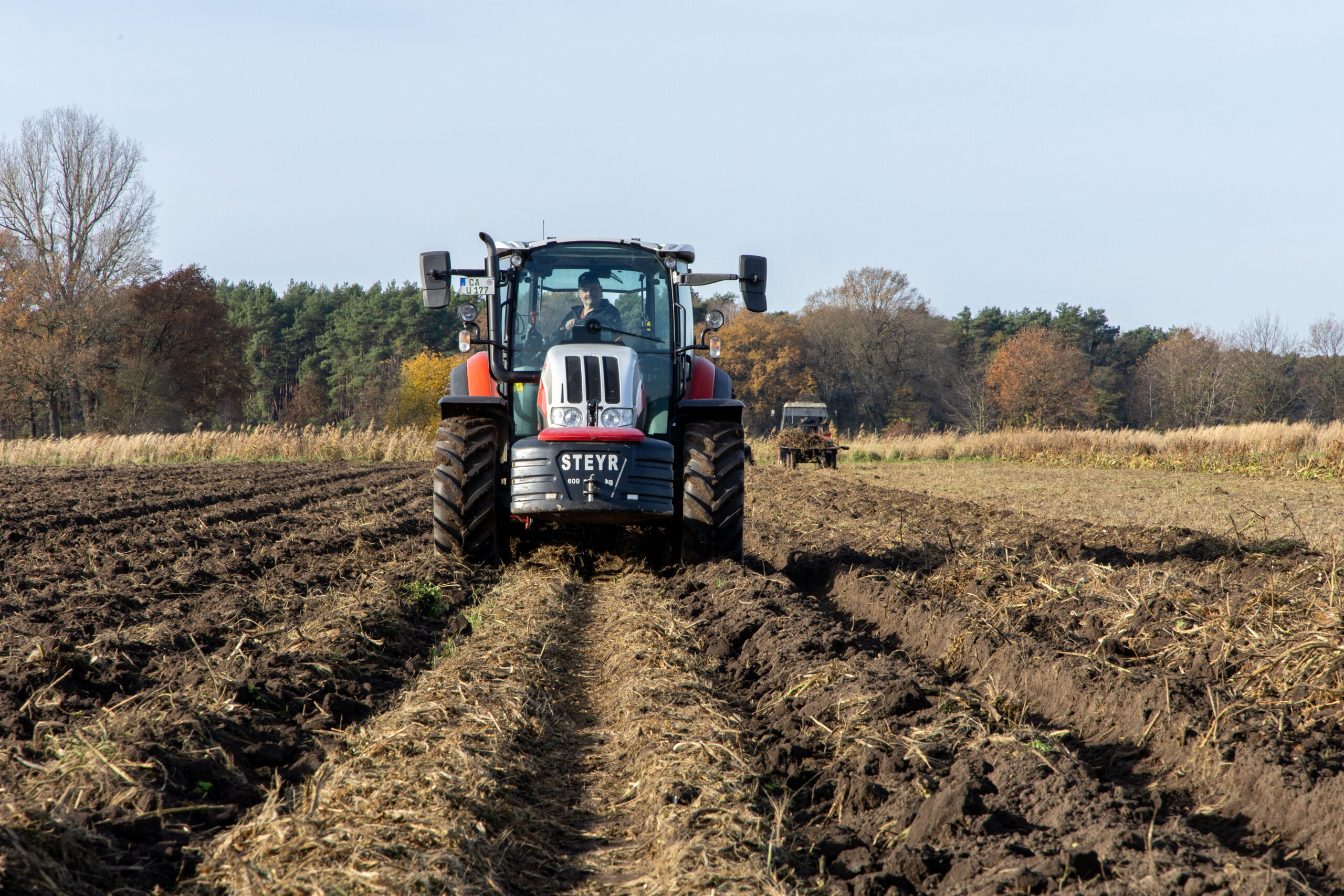
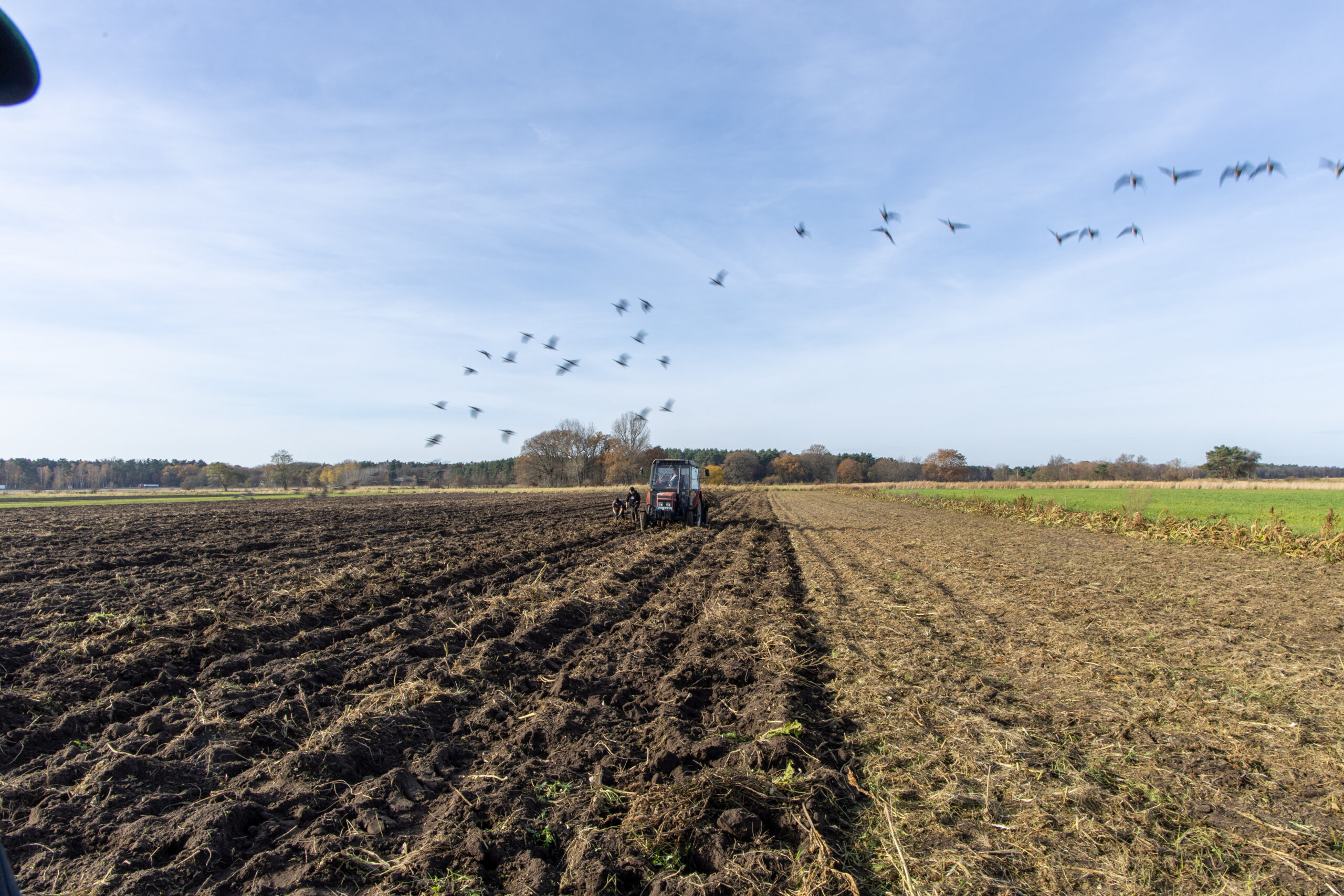
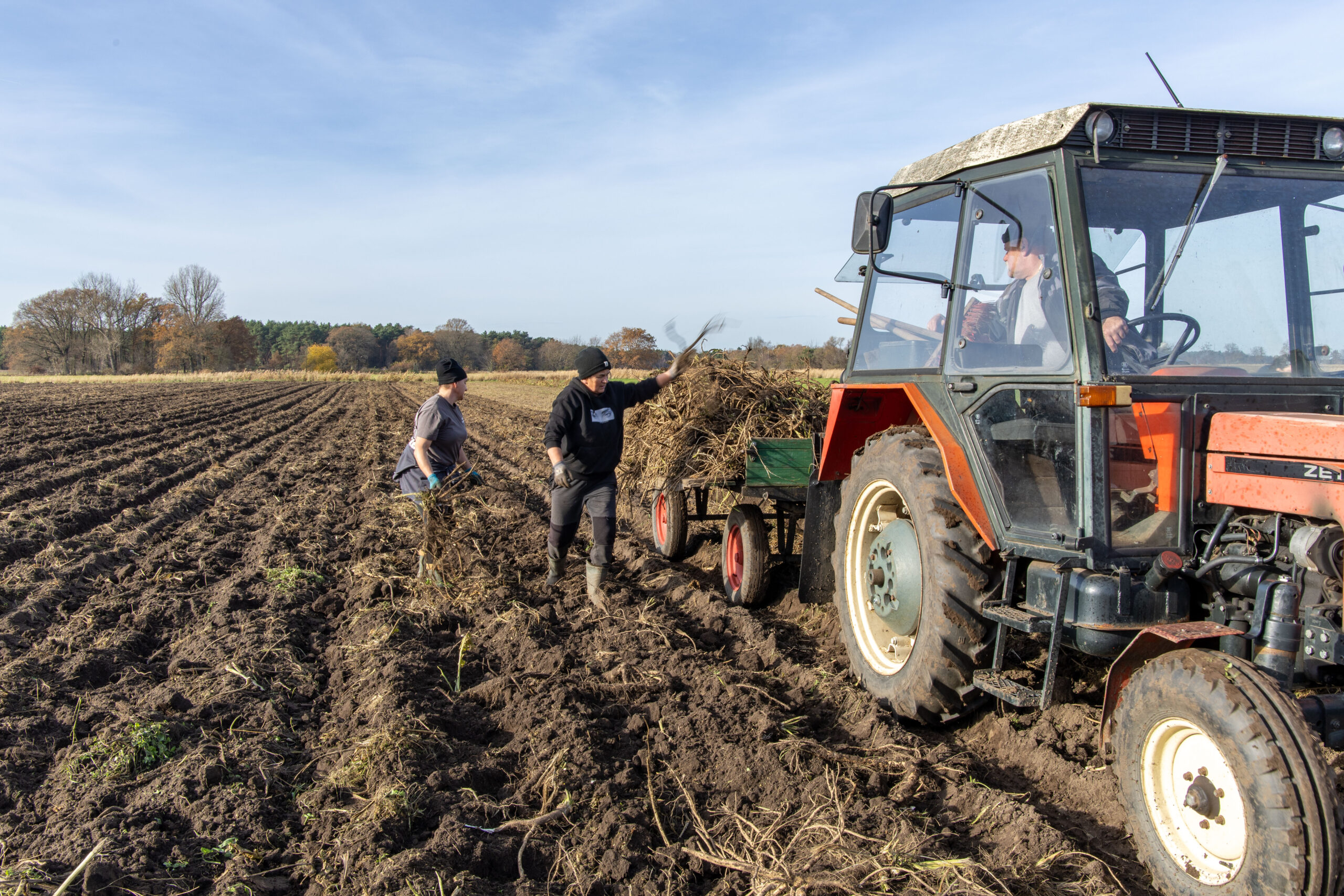
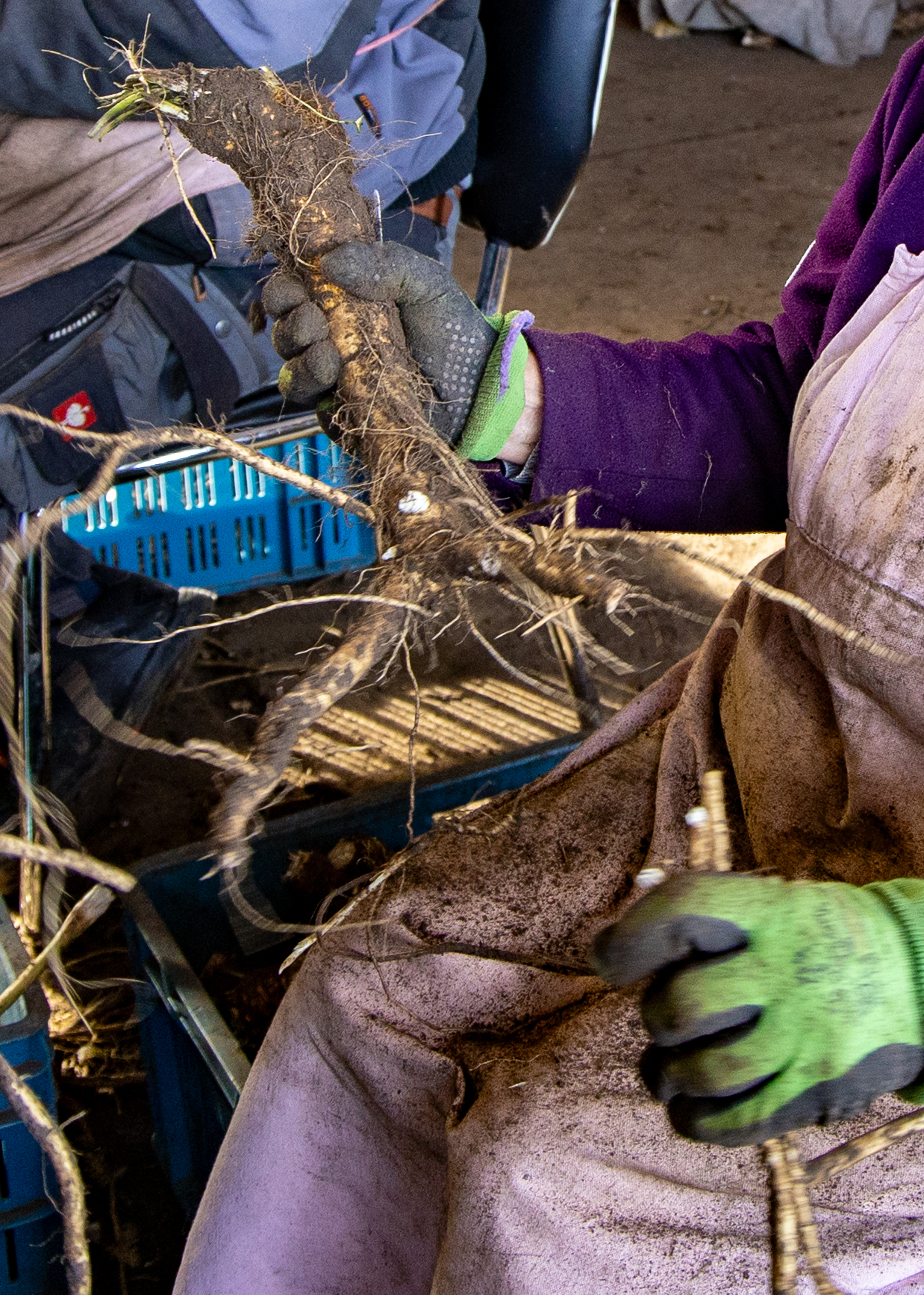
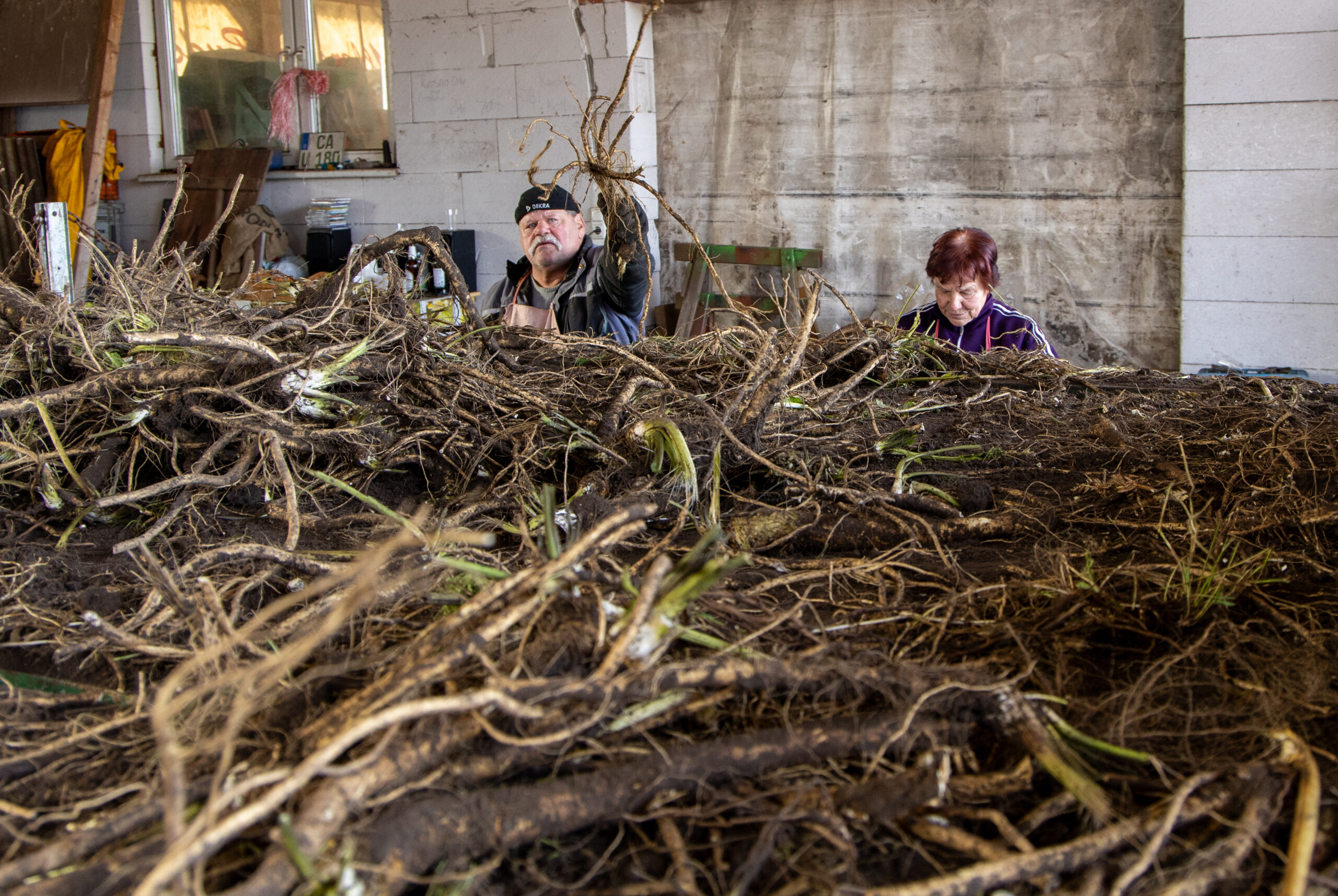
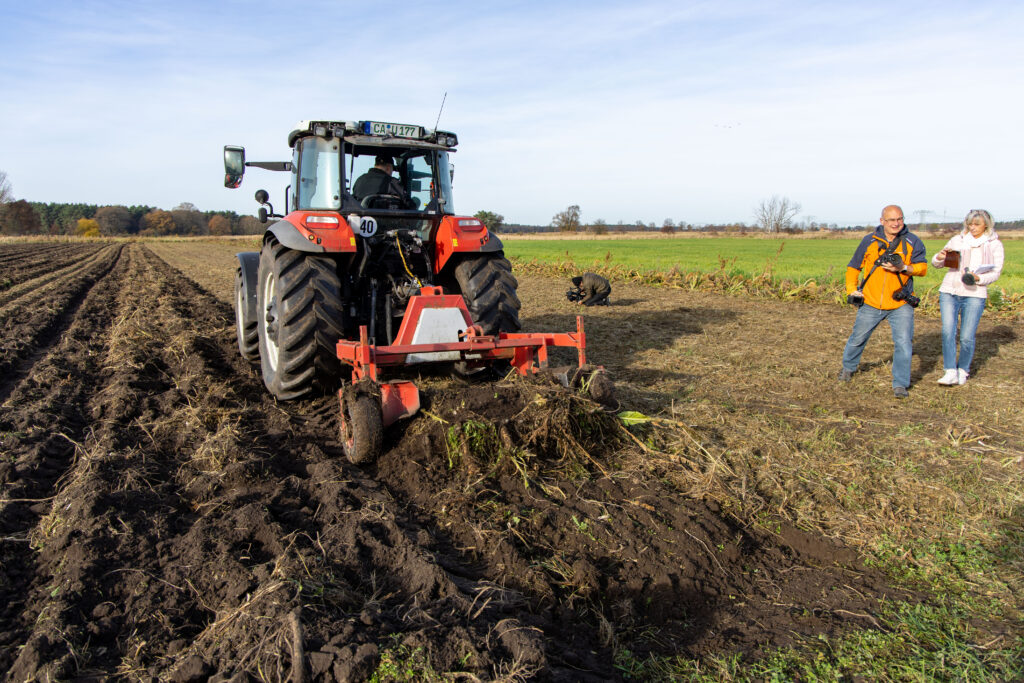
Horseradish, an ancient Spreewald vegetable, is once again attracting increasing consumer attention. A change in health and environmental awareness is driving demand for these regional vegetables. At the same time, cultivation is very labor-intensive and the costs can hardly be covered. Nevertheless, there are committed Spreewald farmers who are taking on this task and growing horseradish on around ten hectares. The farmers are supported by the Spreewald Association, which campaigned for certification as a “protected geographical trademark” and was thus able to achieve a unique selling point.
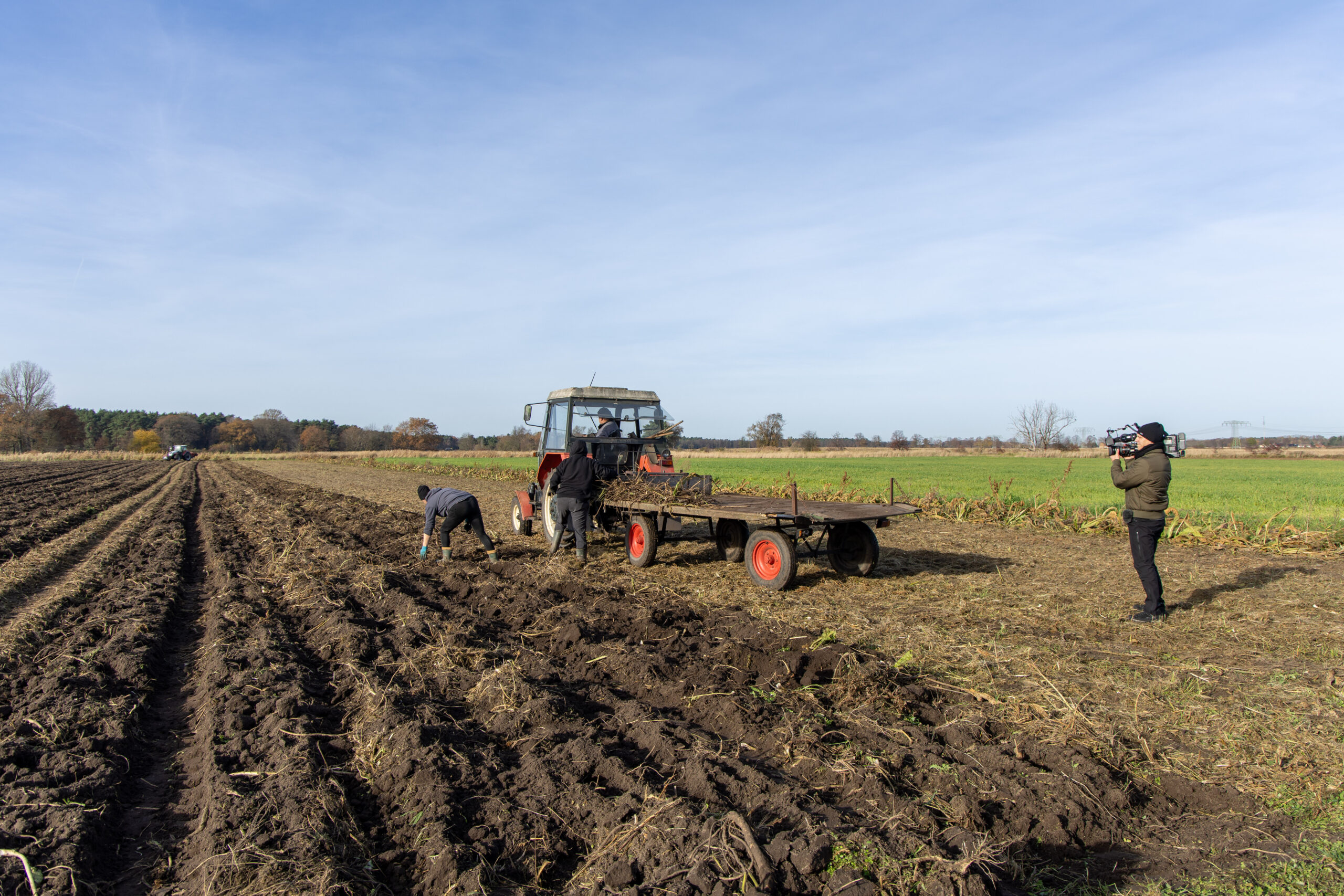
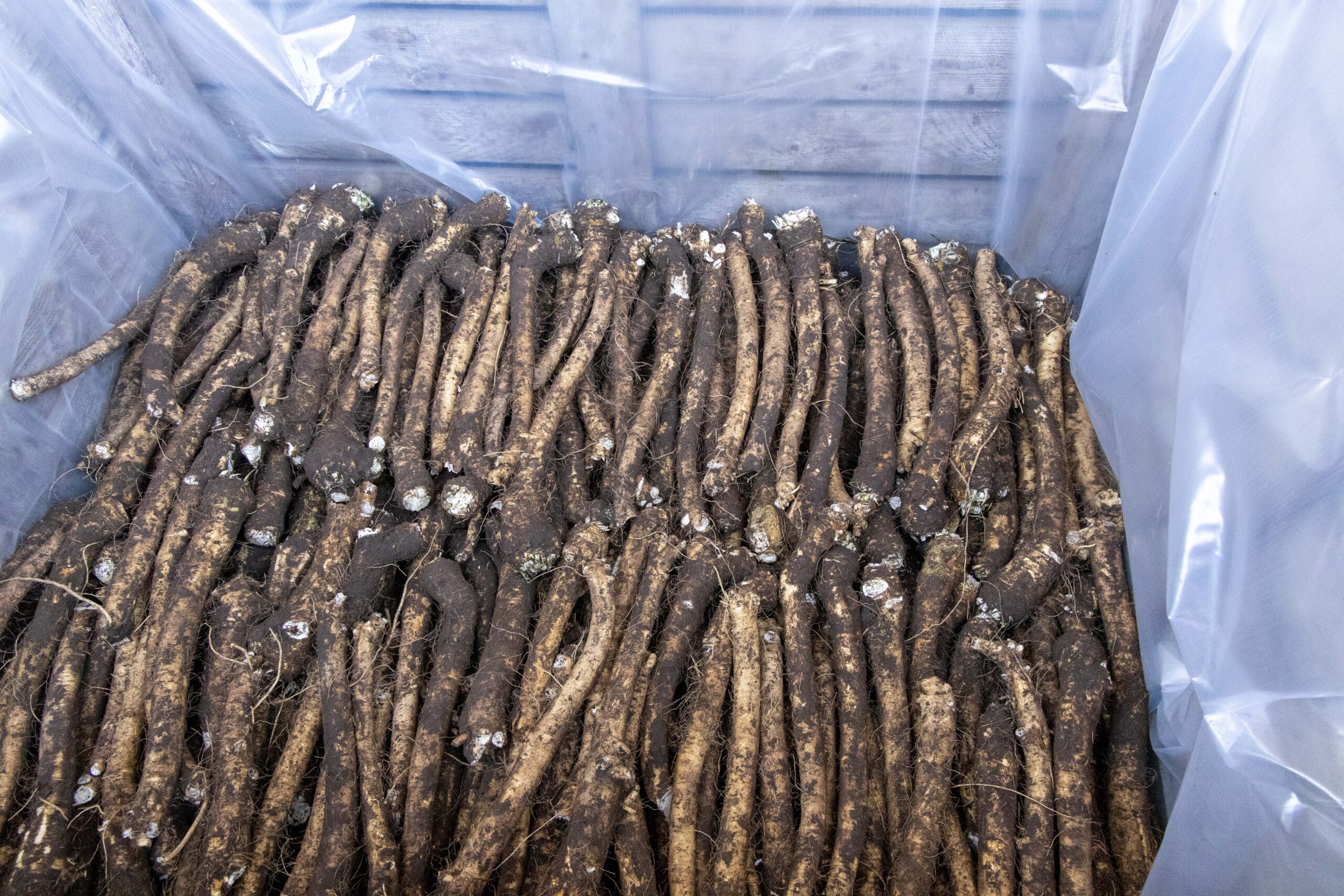
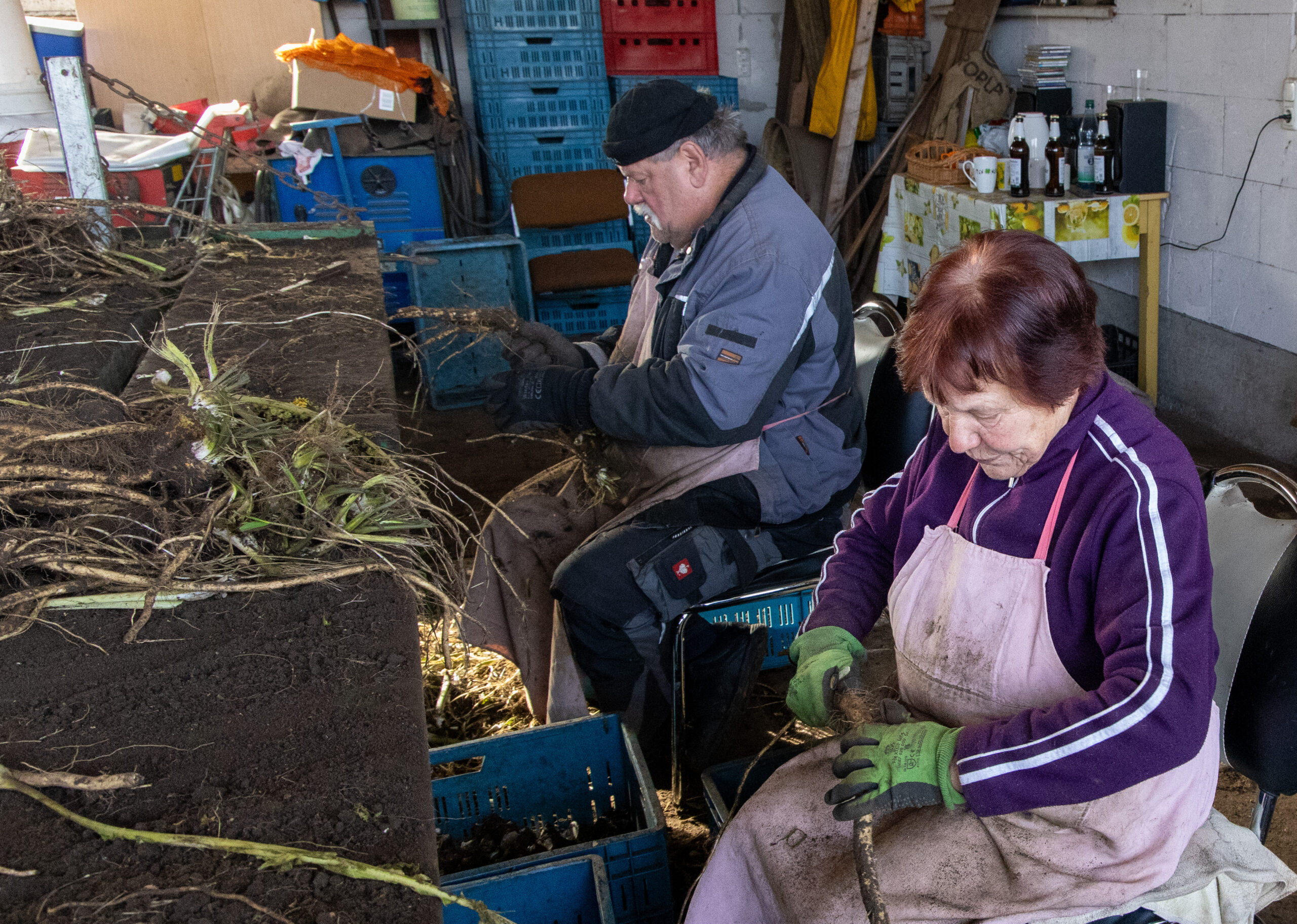
Klein Klessow farmer Dirk Richter has grown horseradish on 1.4 hectares and looks back with satisfaction on a good harvest of around 12 tons: “Rainfall at the right time led to the good harvest. On the other hand, we are faced with higher wage and energy costs, but if we want to hold our own on the producer market, we can’t pass on all our expenses to the product price,” explains the dedicated farmer, who grows the “Alte Spreewälder Landsorte” variety. Dirk Richter gives a vivid account of the many work processes that take place throughout the year. “You can’t really put a price on horseradish, as often as it is touched each year. From storing and planting the Schwiegatze, as we Spreewälder call the horseradish fennel, to the summer care and watering work and the harvest. The roots then have to be separated and sorted into different qualities with a great deal of manual work.”
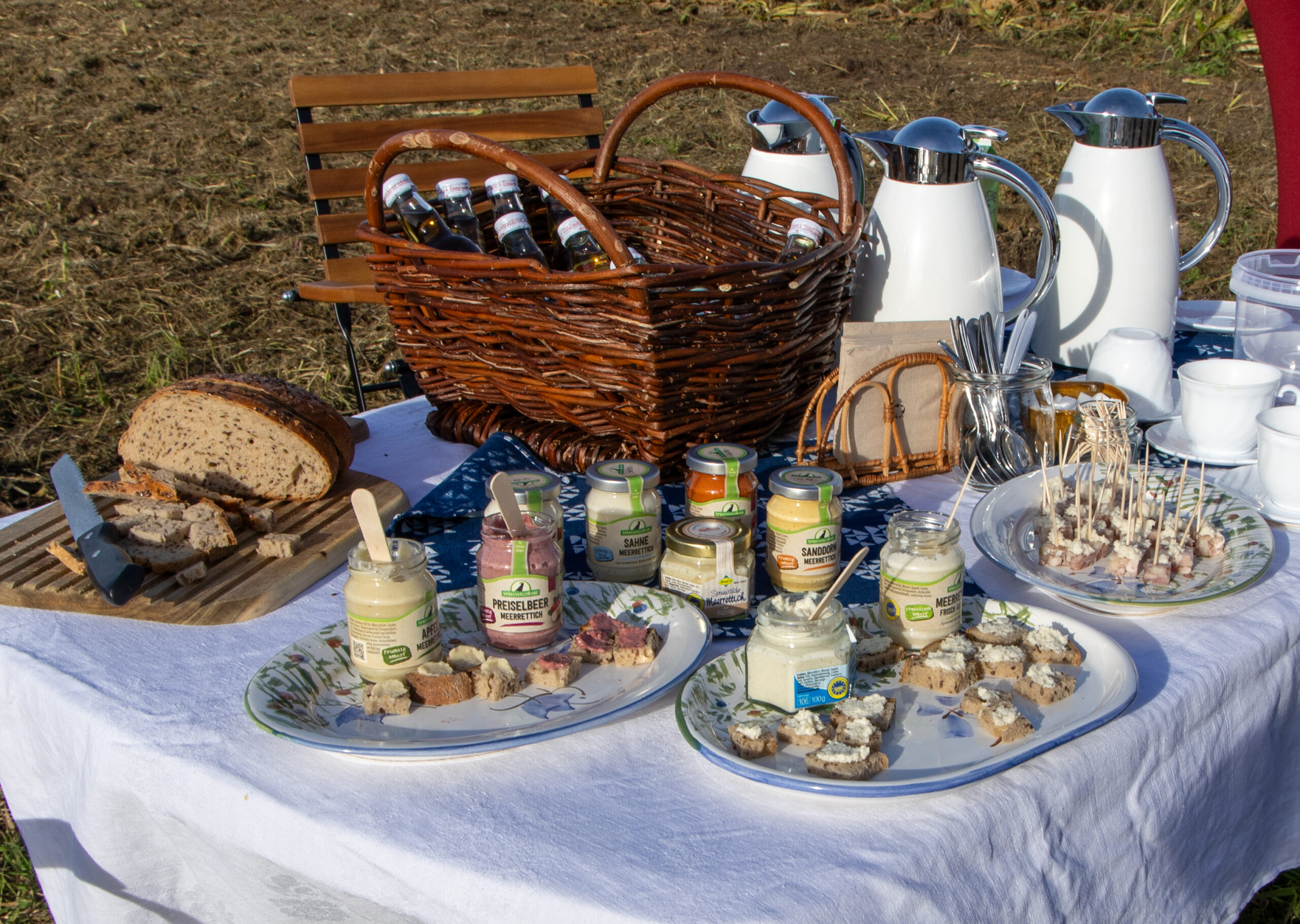
The two processing companies, RABE Spreewälder Konserven GmbH in Boblitz and Meerrettichreiberei Karl Koal in Lehde, will then take over the processing into preserves. As Markus Belaschk reported, the horseradish is first stored for a while at minus 2 to minus 4 degrees in order to curb enzyme production. Processing and filling into the familiar jars can then begin immediately.
Melanie Kossatz, Managing Director of the Spreewaldverein e.V.: “We are delighted that the area under Spreewald horseradish cultivation has remained constant for many years, although the size of the individual growers’ plots and their numbers have fluctuated.” She adds that the Spreewald horseradish is a real rarity with constant, if not increasing, popularity due to its small cultivation area.
Member companies of the “Spreewälder Meerrettich g.g.A.” protection association
Producers:
Gemüsebetrieb Dirk Richter, Klessower Dorfstraße 3, OT Klein Klessow, 03222 Lübbenau/Spreewald,
Gemüsebaubetrieb “Spreewald”, Marcel Mich, Lübbenauer Straße 12, OT Klein Radden, 03222 Lübbenau/Spreewald,
Gurkenhof Frehn, Heinz-Peter-Frehn, Schöneiche 11, 15938 Steinreich,
Agrargenossenschaft Unterspreewald eG, Uwe Schieban, Simone Hill, Lübbener Straße 7 a, 15913 Märkische Heide OT Dürrenhofe,
Processing plants:
RABE Spreewälder Konserven GmbH, Markus Belaschk, Chausseestraße 16, OT Boblitz, 03222 Lübbenau/Spreewald,
Meerrettichreiberei Koal, Karl Koal, Dorfstraße 15, OT Lehde, 03222 Lübbenau/ Spreewald,
Peter Becker, 13.11.25

