

“Exotic Species” in the Spreewald
The summer of 2026 is quite extraordinary in many ways: The high temperatures and persistent drought are also affecting the flora and fauna, as evidenced by the appearance of species that are usually quite rare. Added to this are the seemingly less visible effects, such as those on fish in waters that are far too warm and therefore low in oxygen.
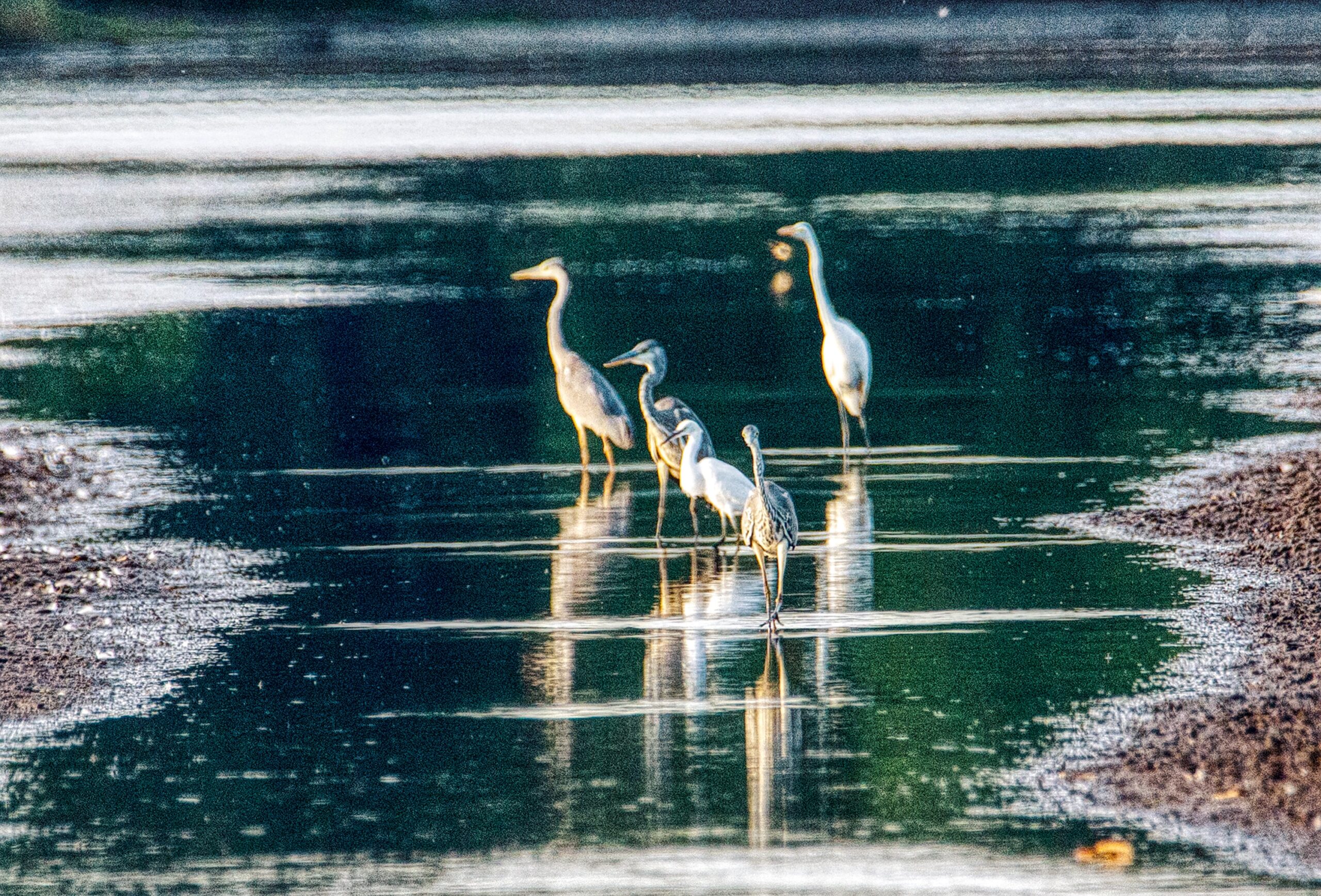
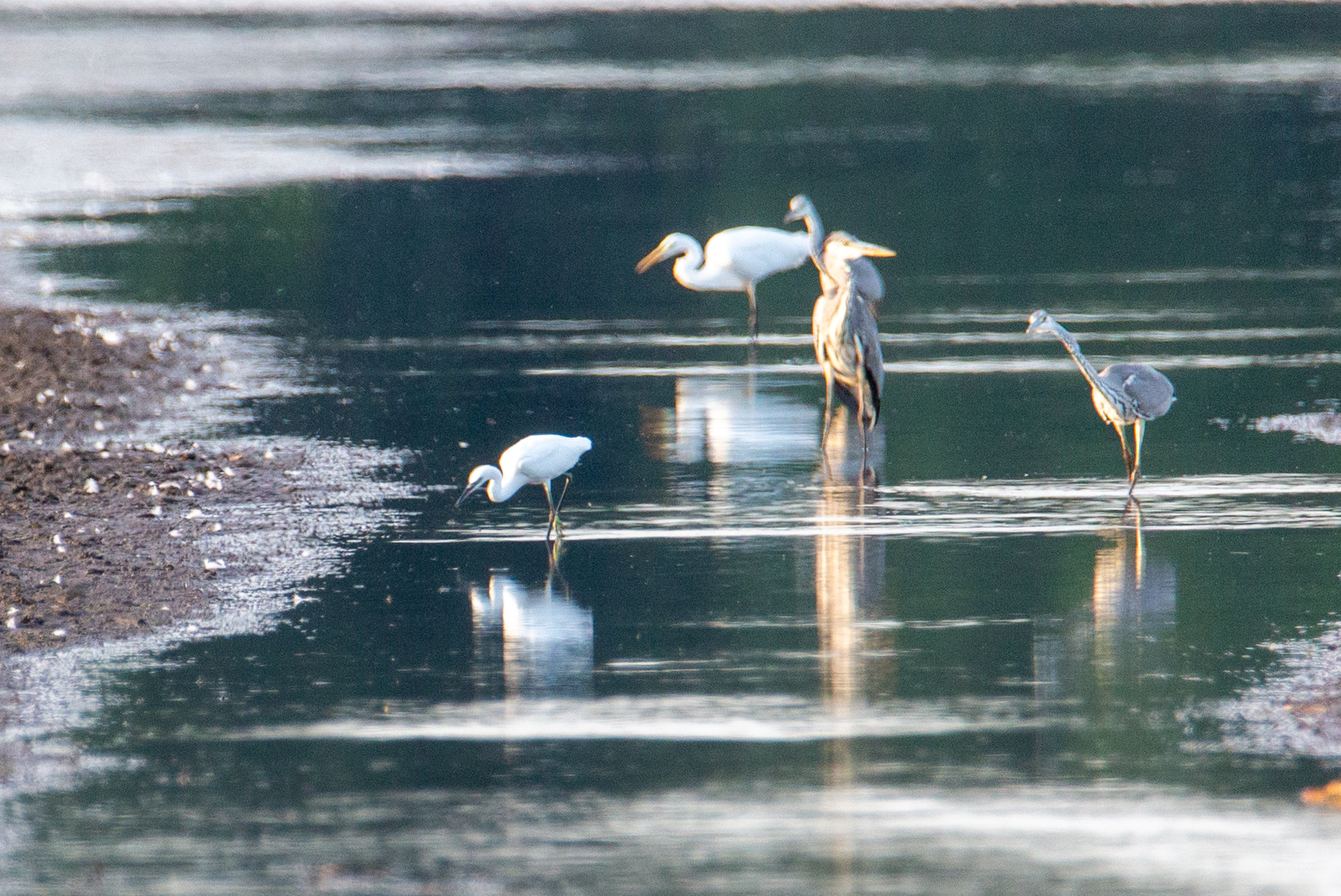
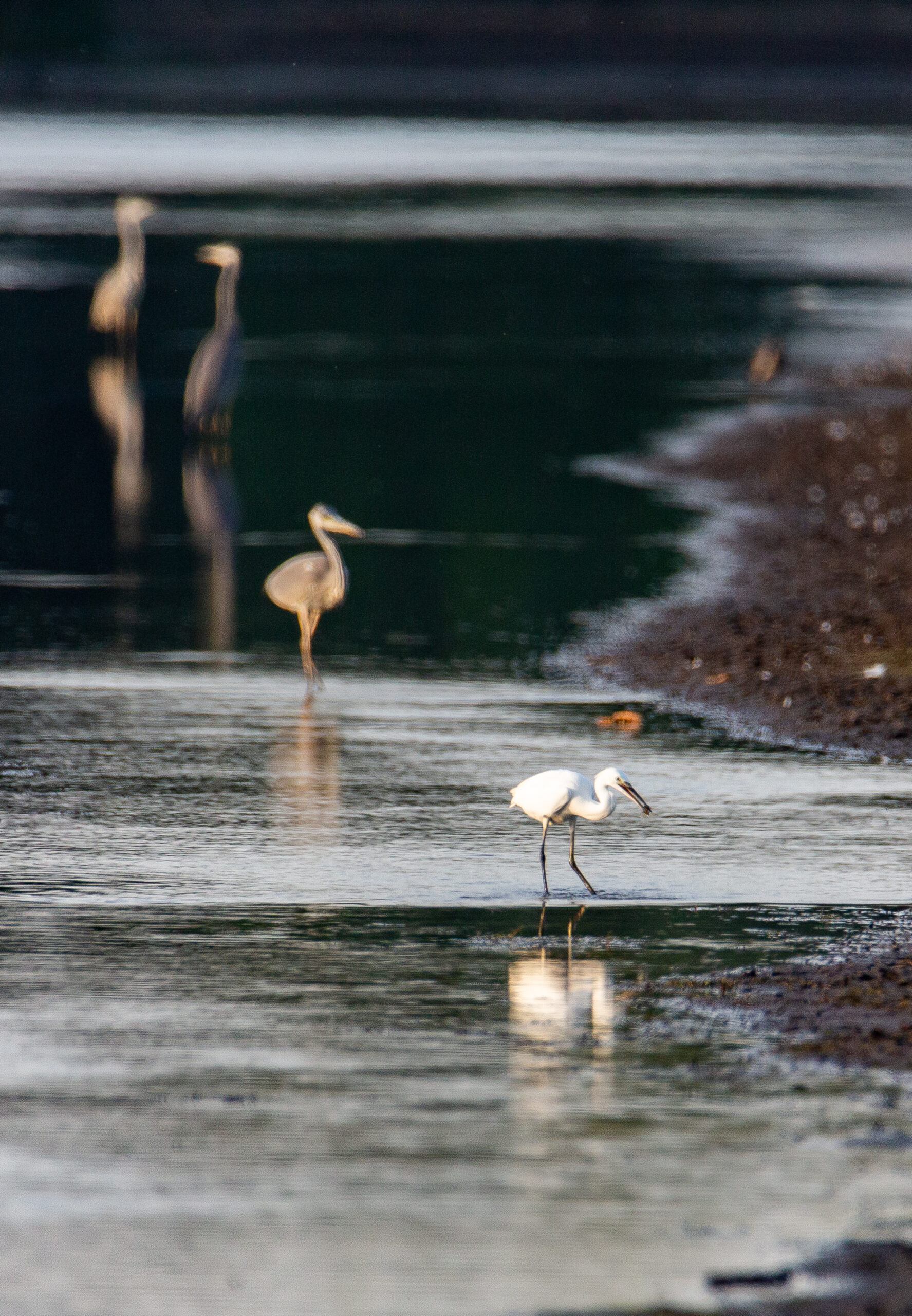
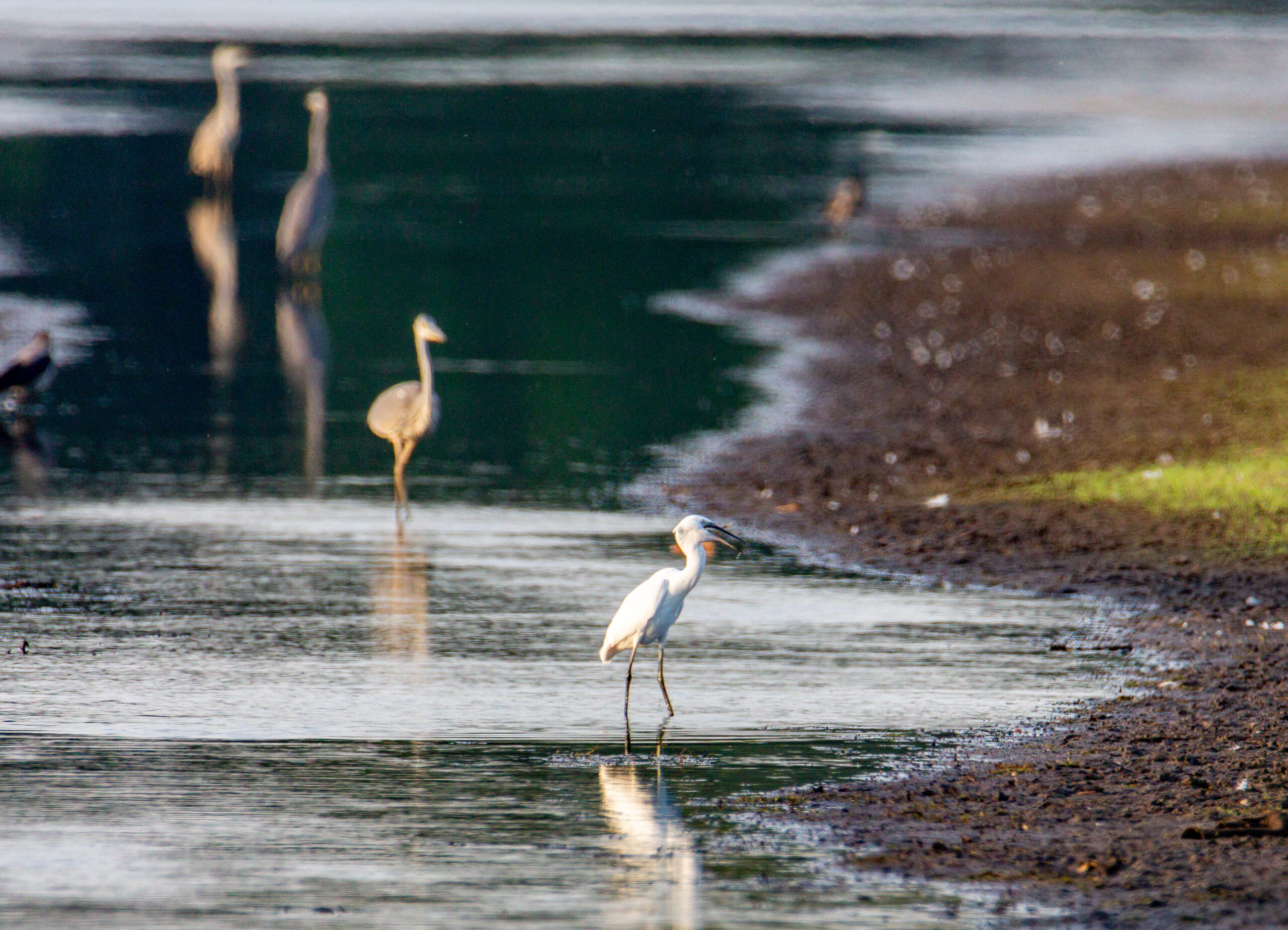
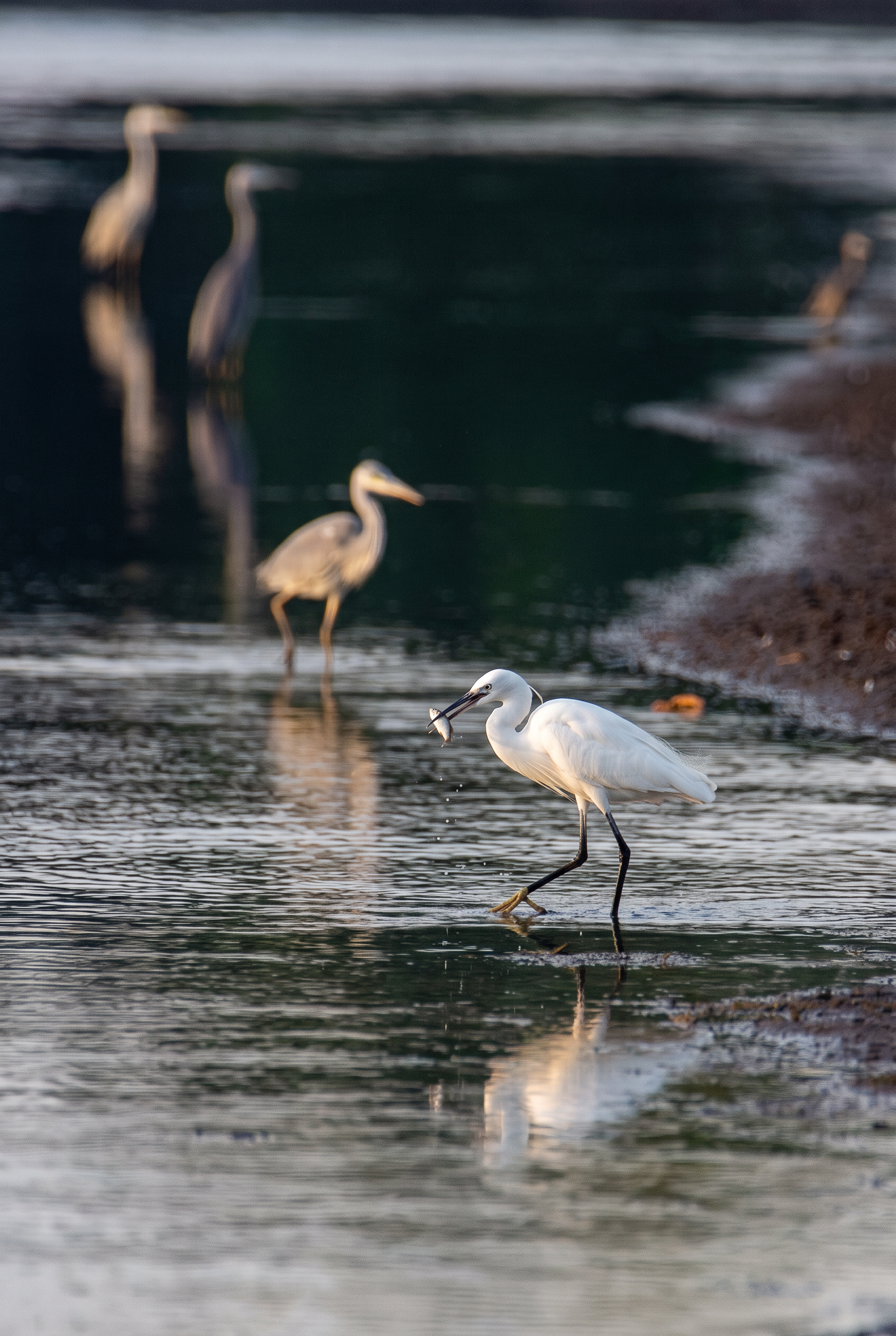
In August 2026, a little egret was spotted in the Stradow Ponds for the first time—at least by me. This heron is considerably smaller than the gray heron and the great egret and is typically found in southern Europe; larger populations are known to exist in Hungary. Because of its white plumage and long crest, it is said to symbolize “purity and good fortune”—which would have nearly led to the extinction of this small heron. At the turn of the 19th century, “sophisticated ladies” used to adorn their hats and décolletage with its feathers.
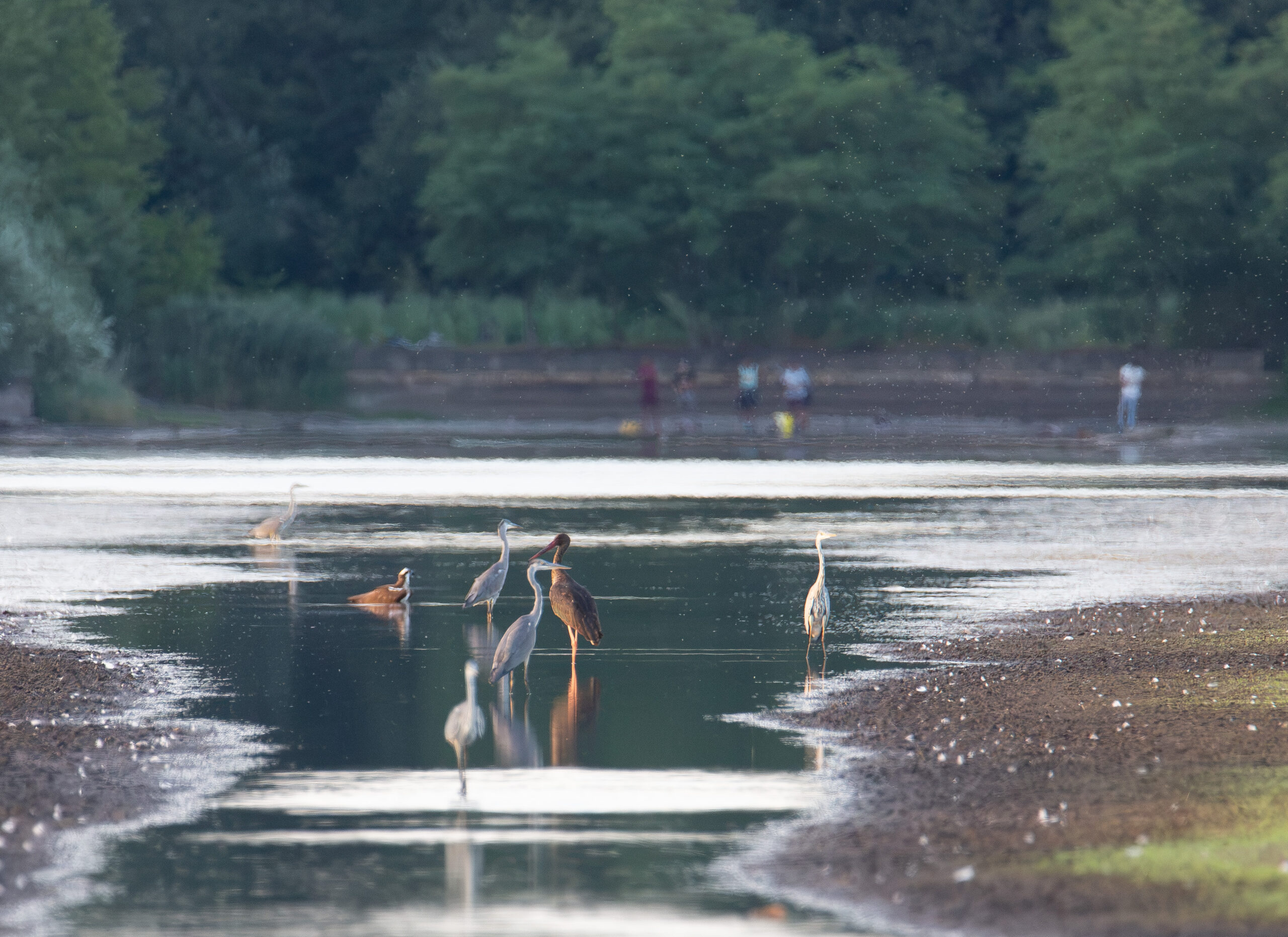
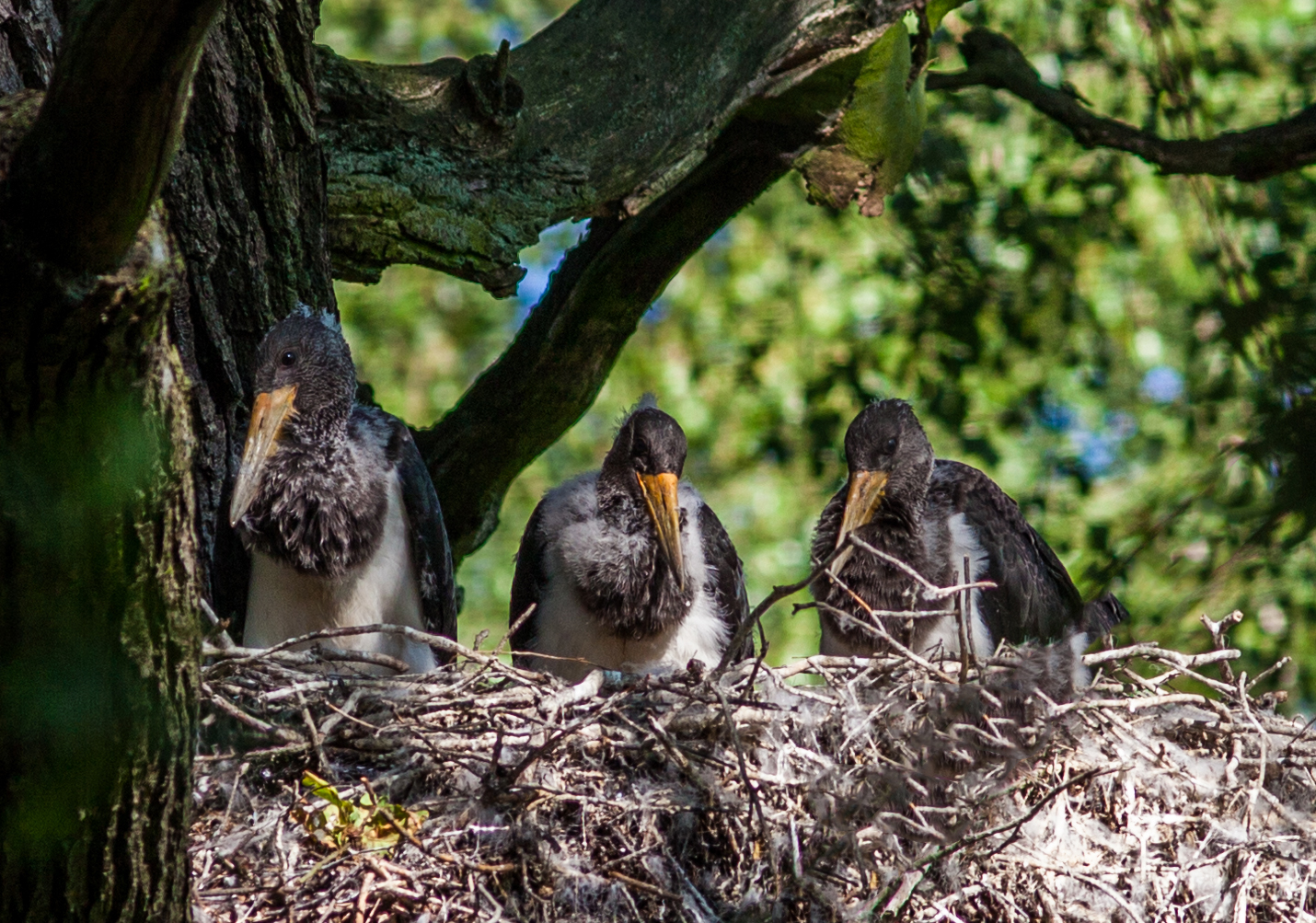
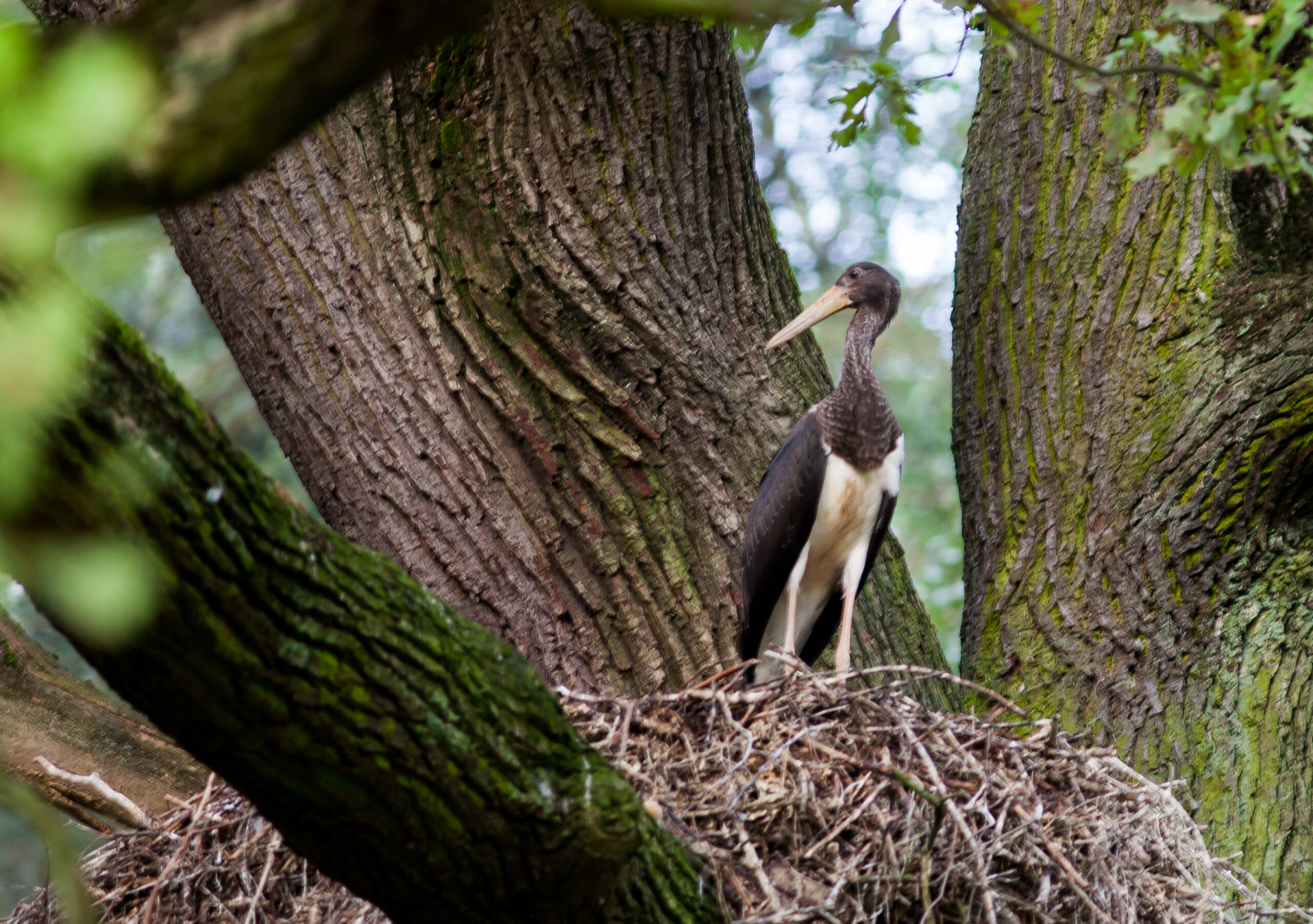
Another “exotic” bird is the black stork. It was once a breeding bird in the Spreewald, but no broods have been observed for over ten years. It is all the more surprising, then, that a few specimens still turn up every August. They’re probably animals that stop here to rest and refuel on their journey south. This shy forest bird feeds mainly on fish, which are easier to catch in shallow ponds during midsummer. Flapping its wings and leaping through the water, it herds its prey together. This summer, ten storks were observed fishing at the same time.
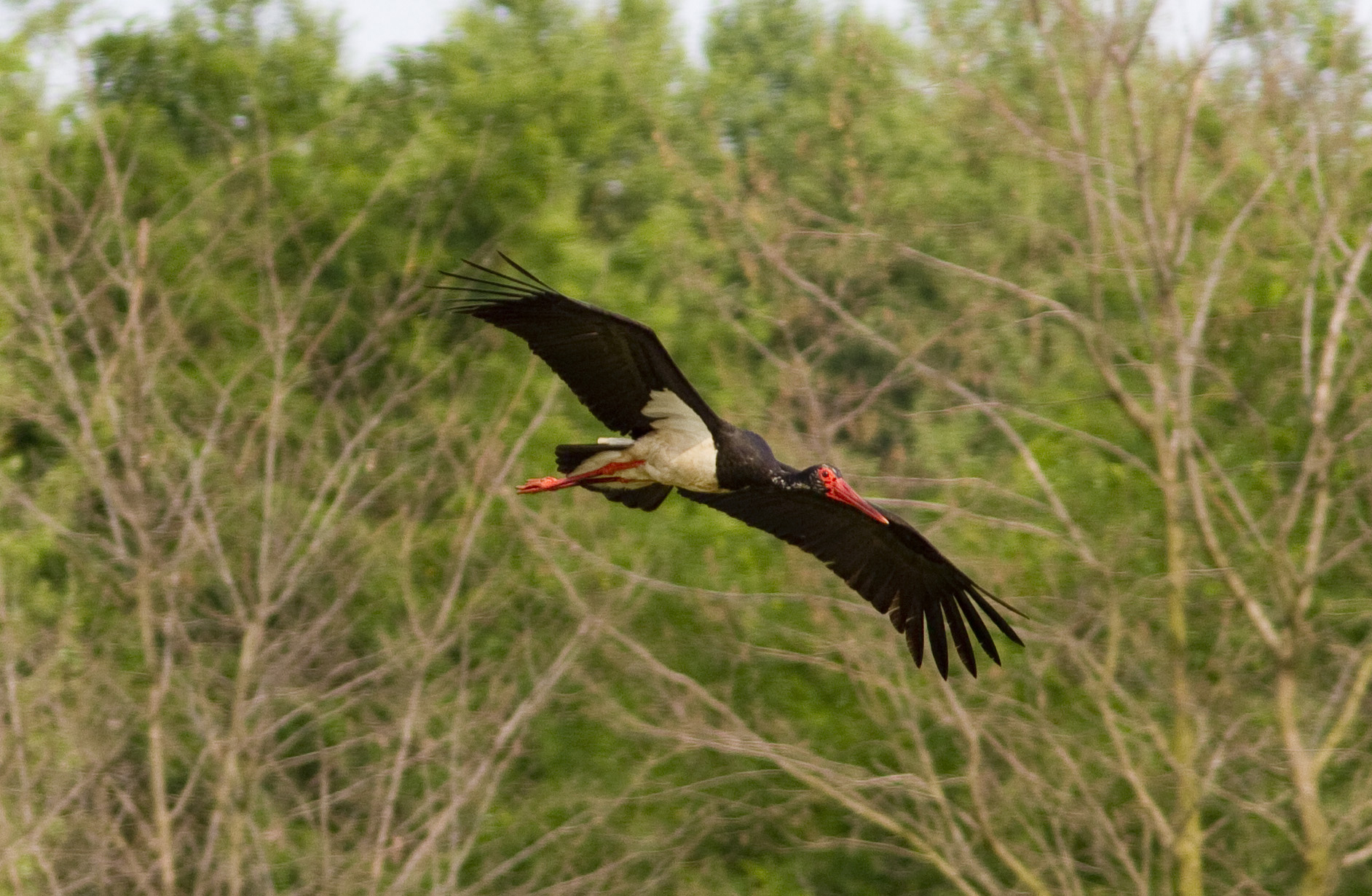
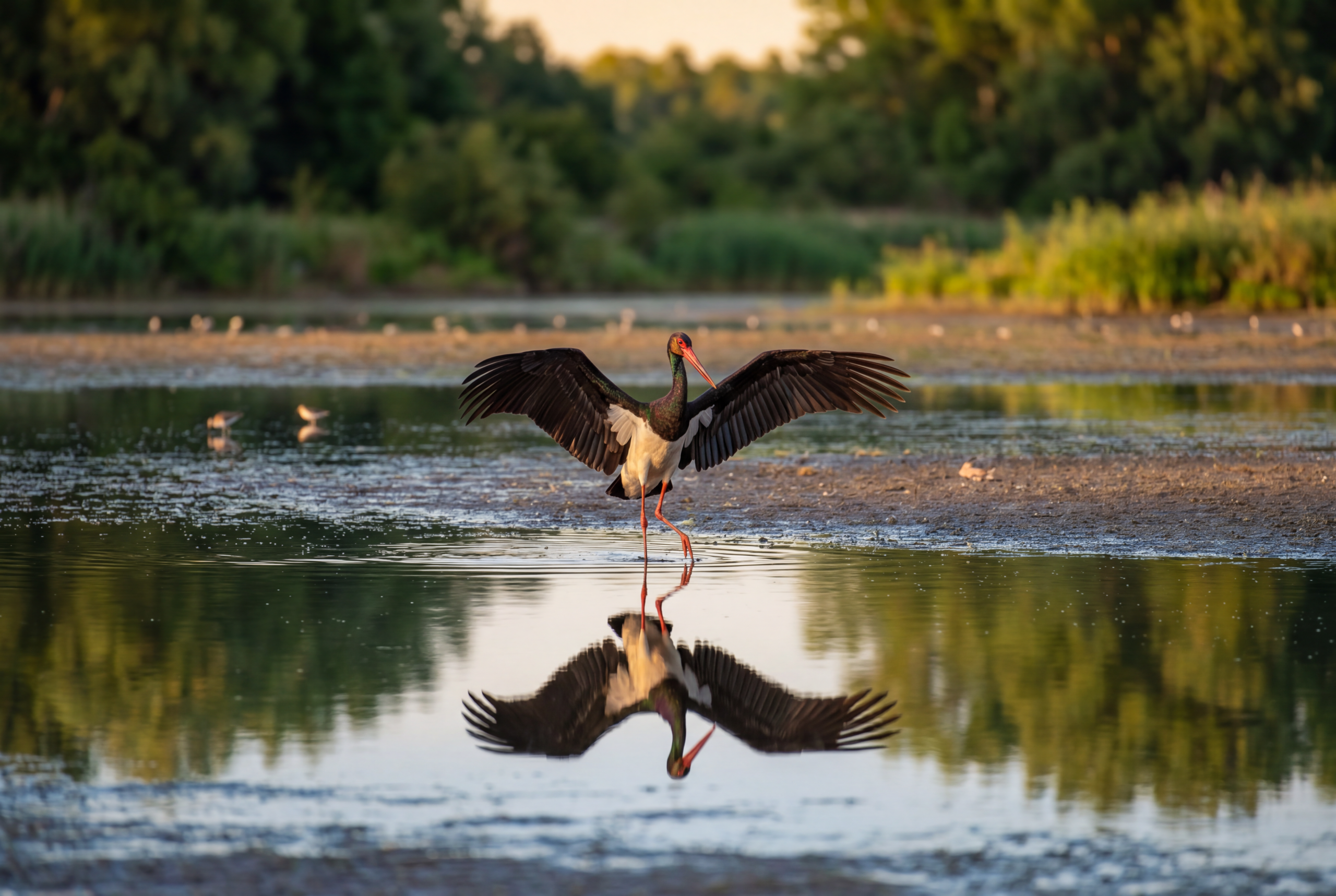
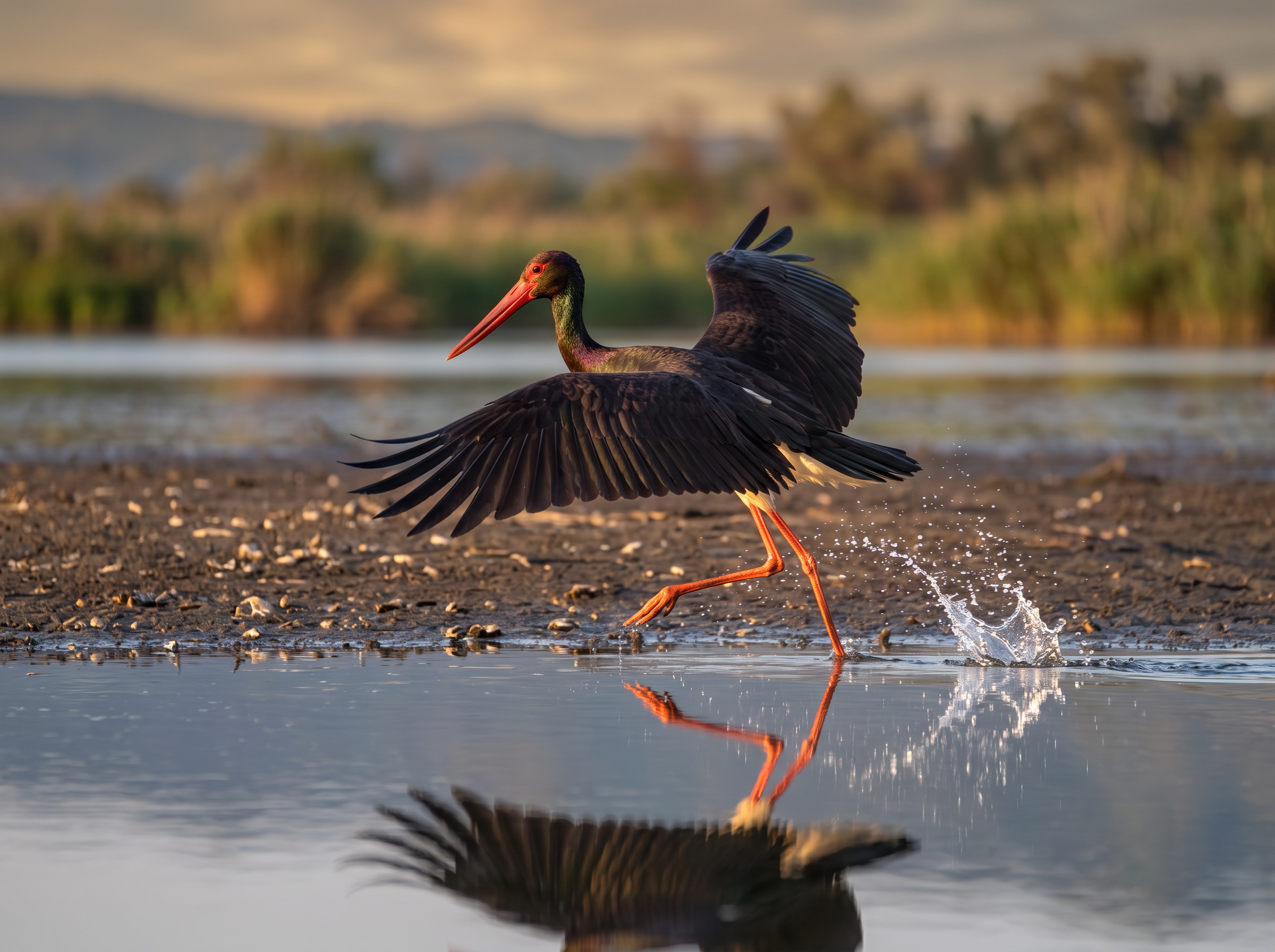
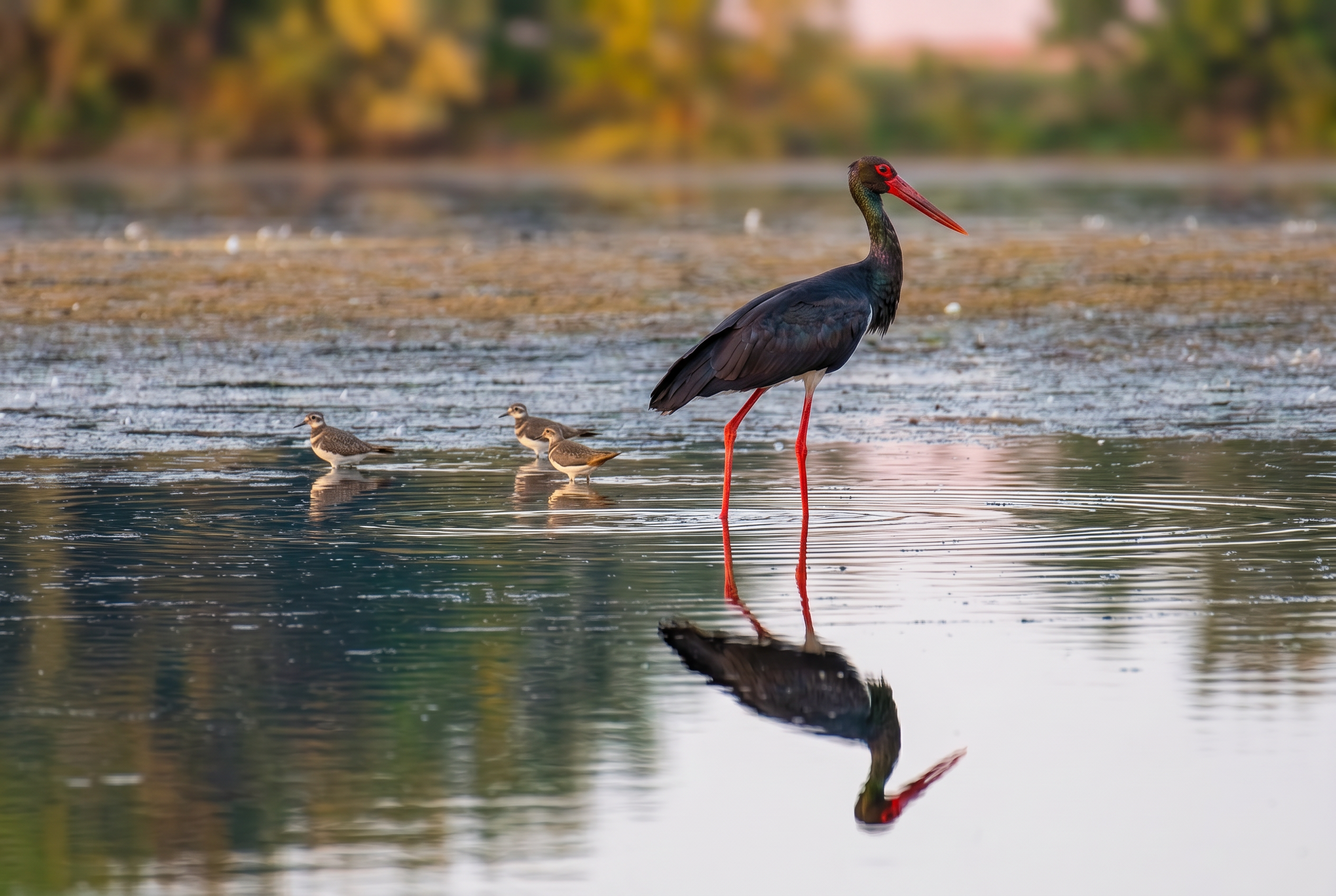
©Photos: Peter Becker
-to be added later
Peter Becker, August 11, 26

