
Easter egg painter Susann Köbernick
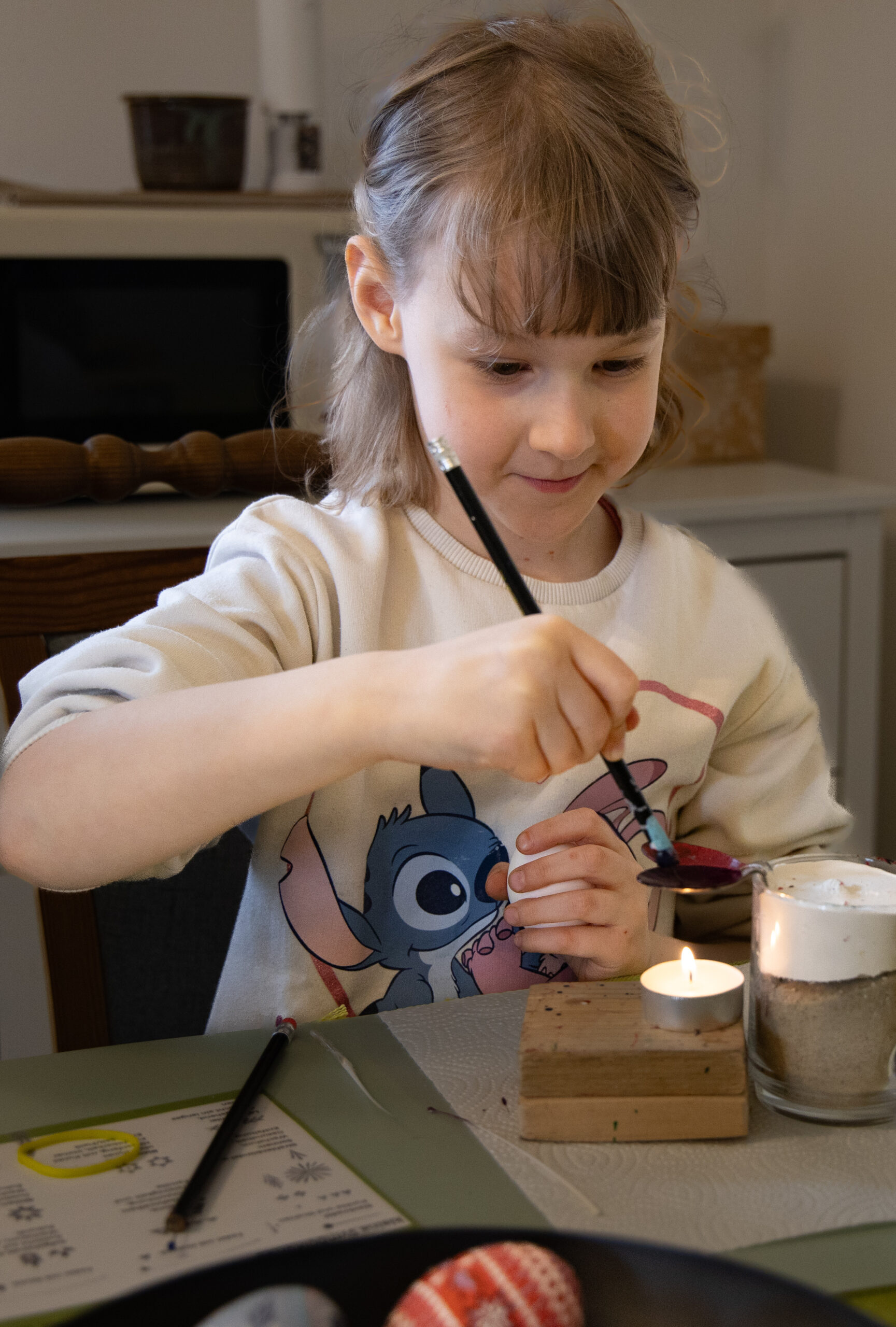
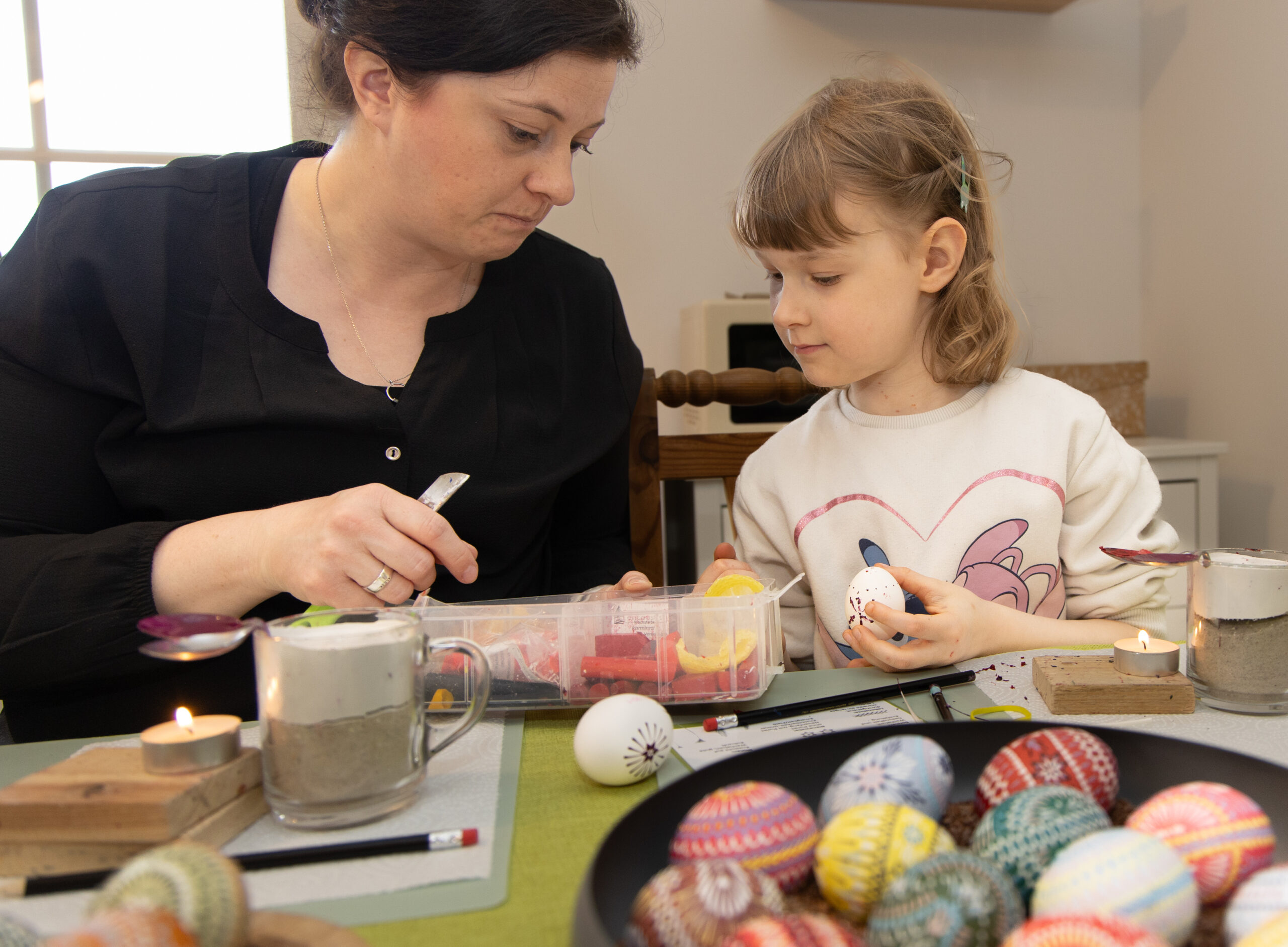
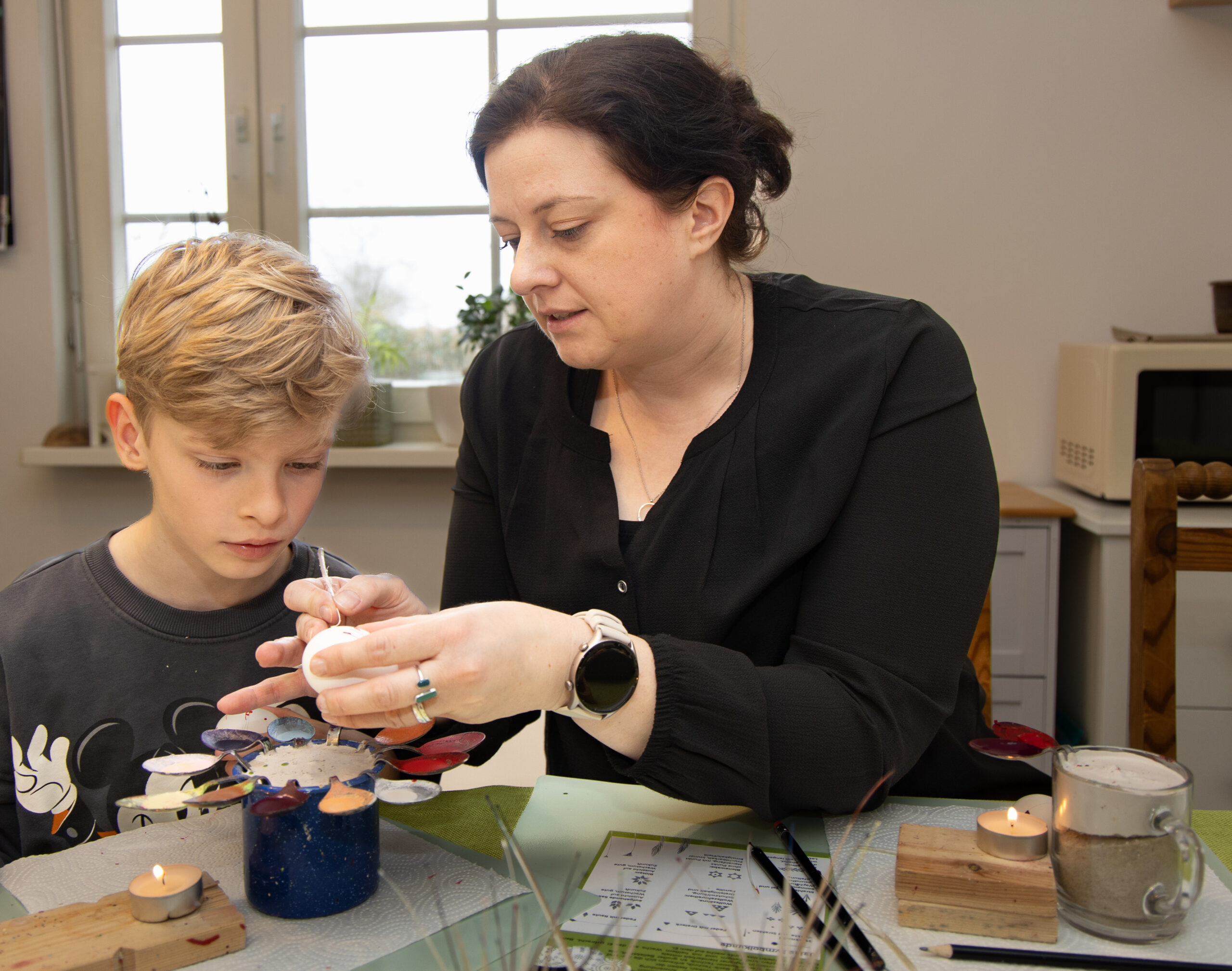
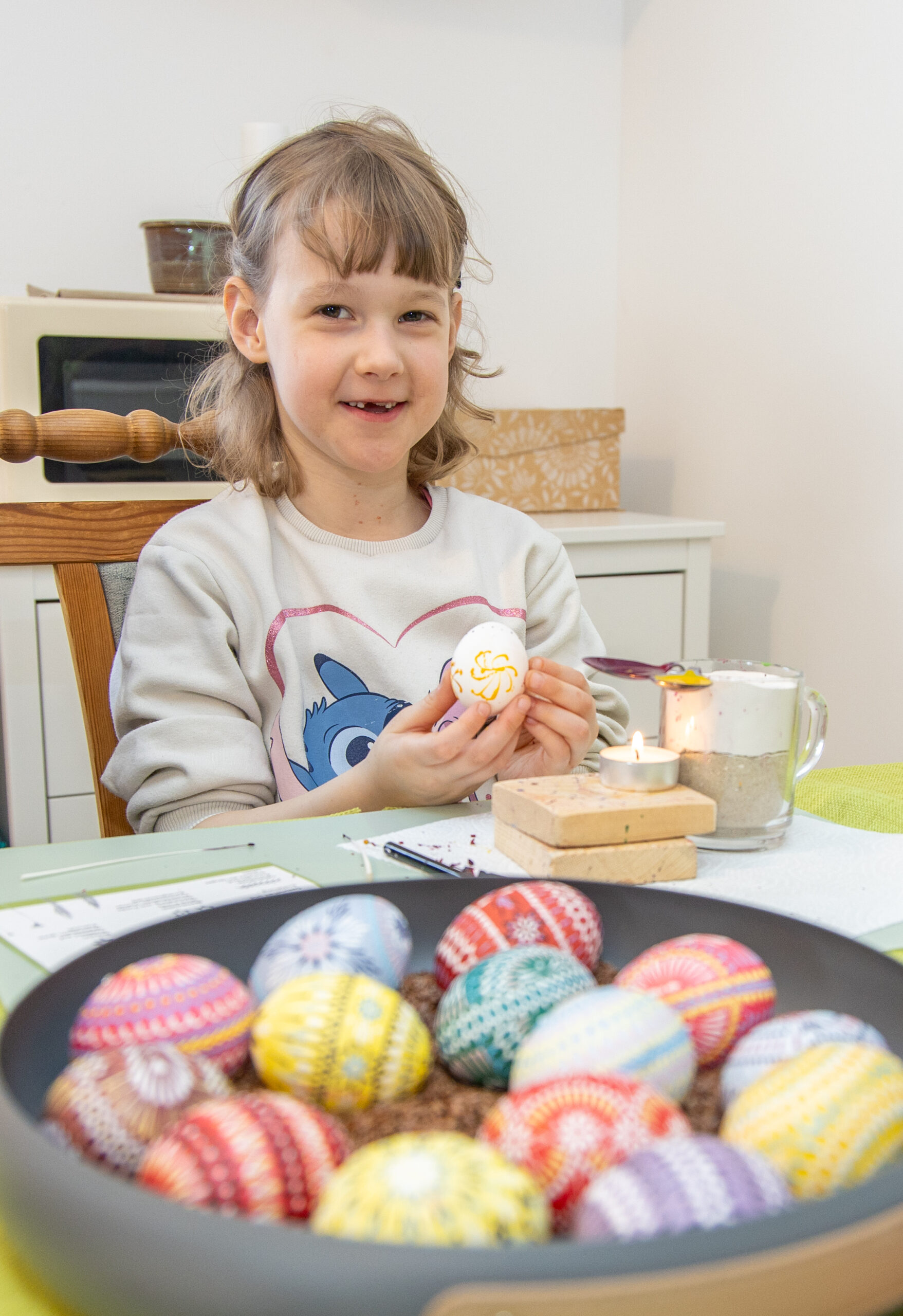
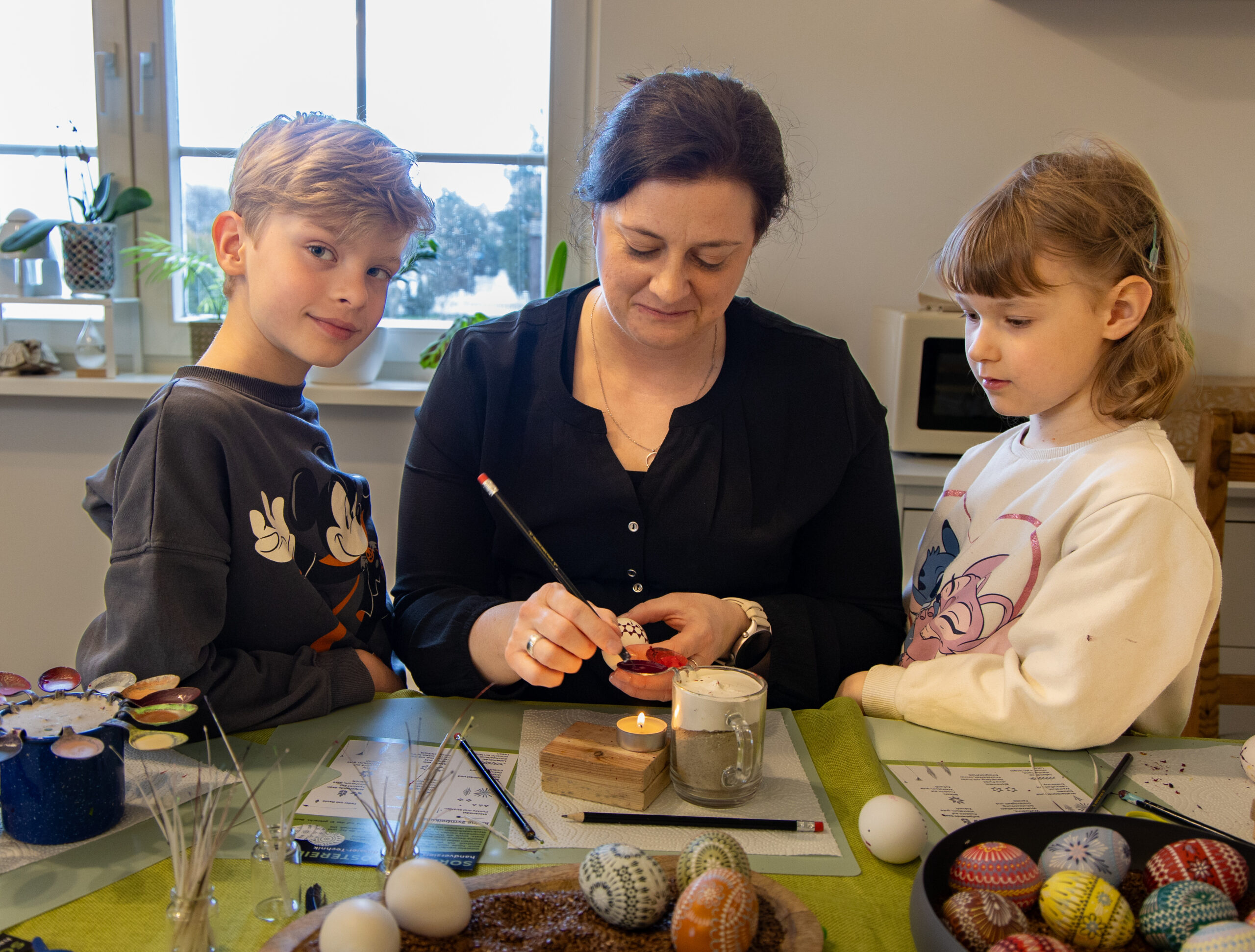
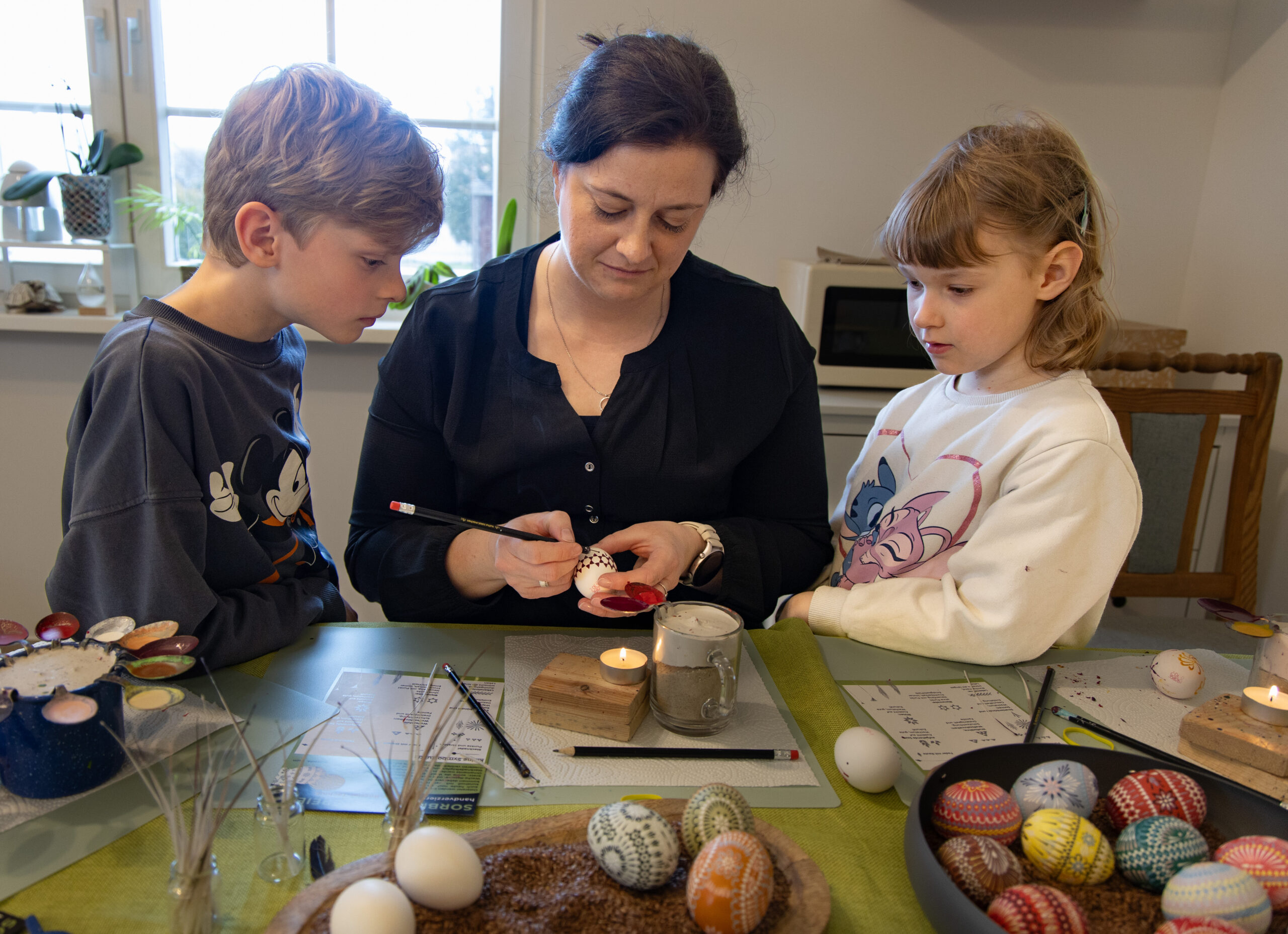
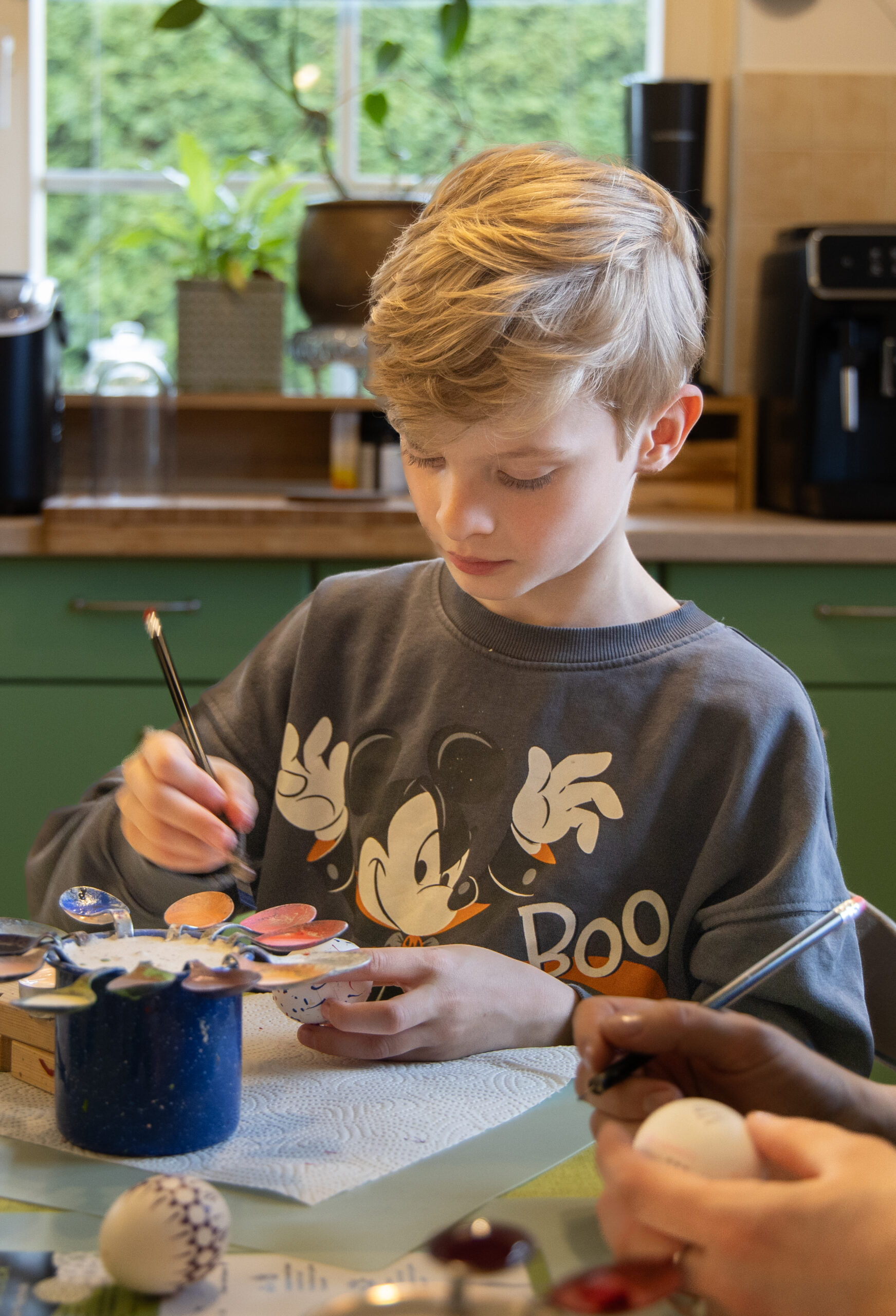
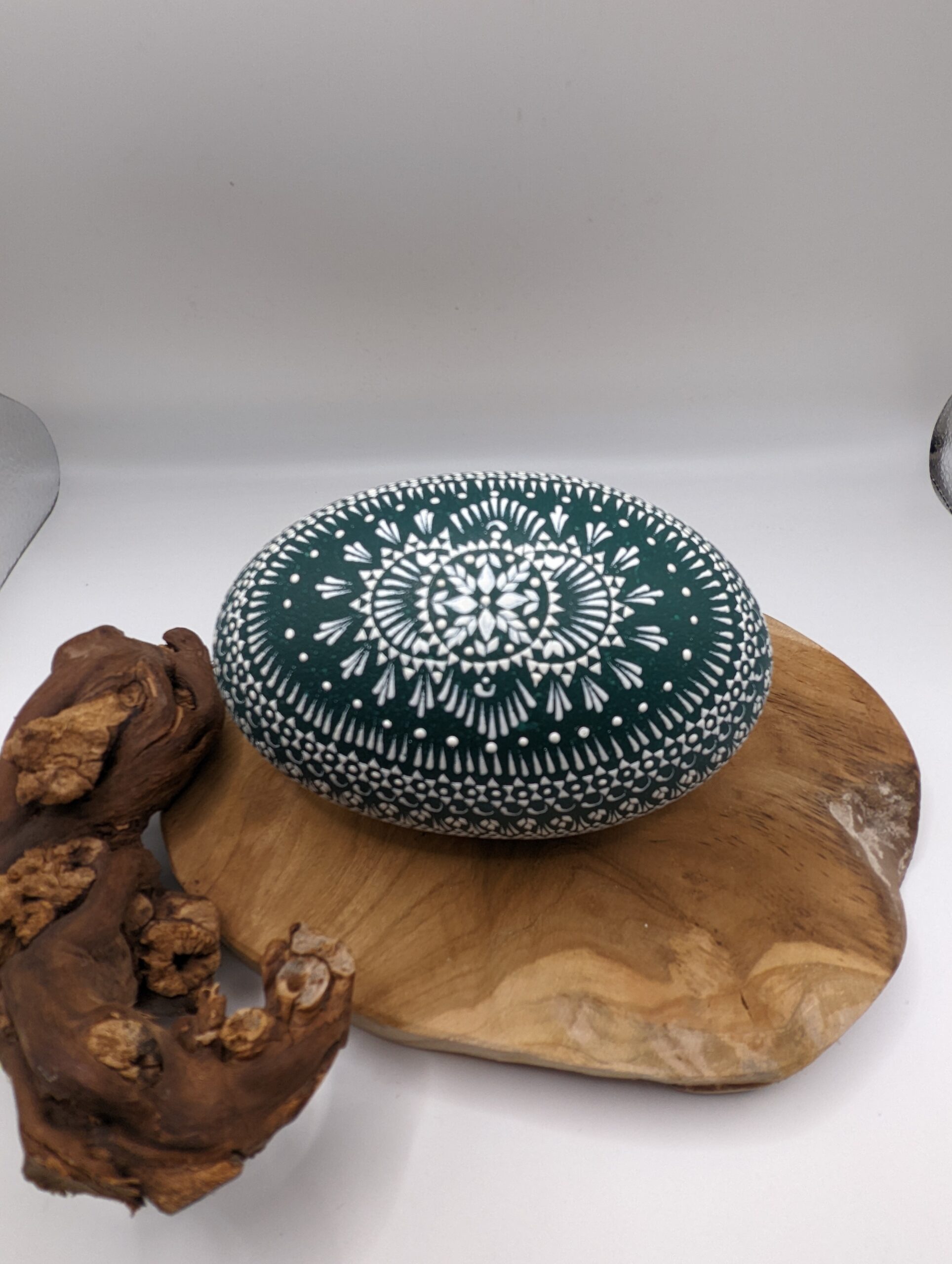
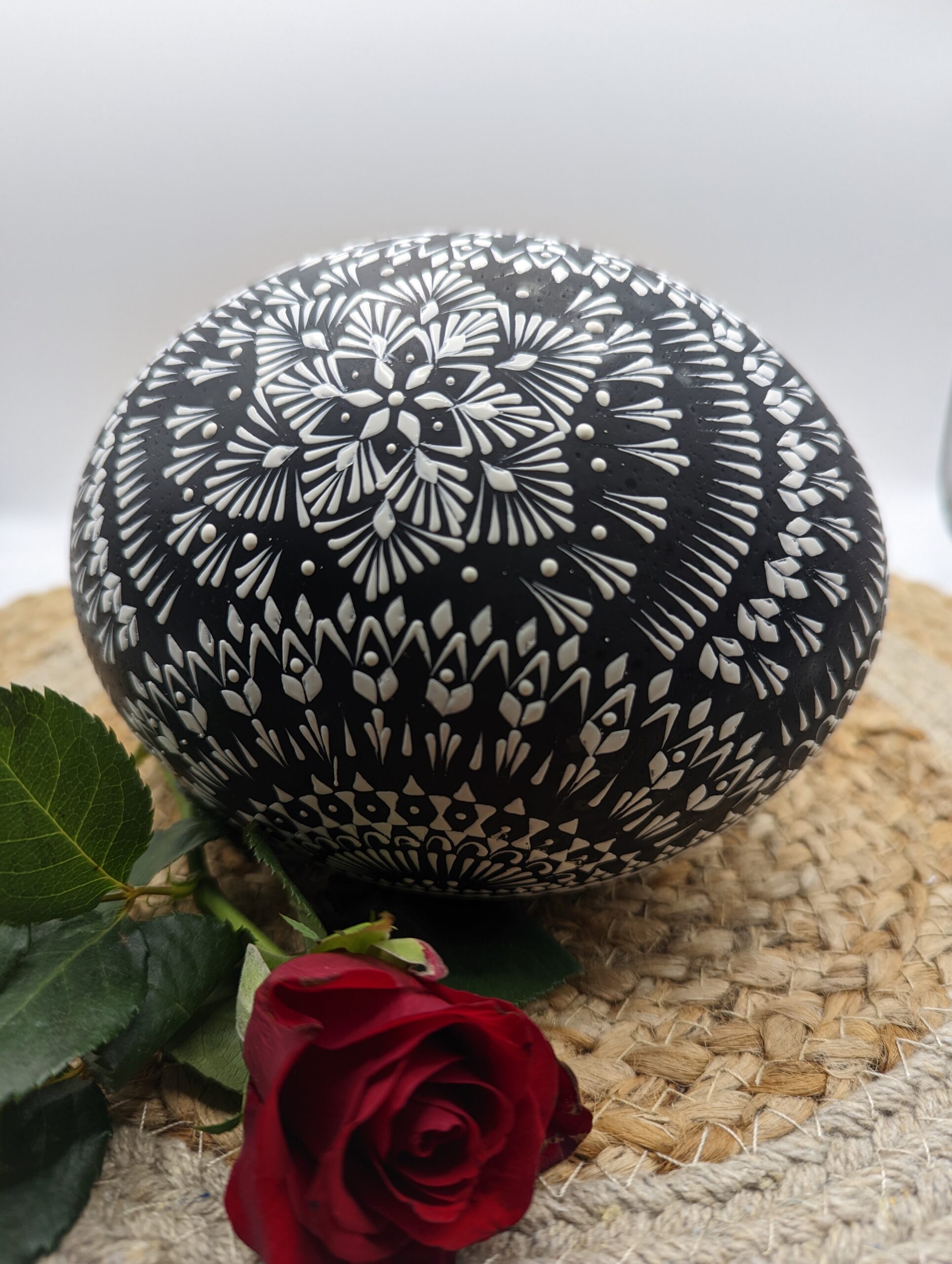
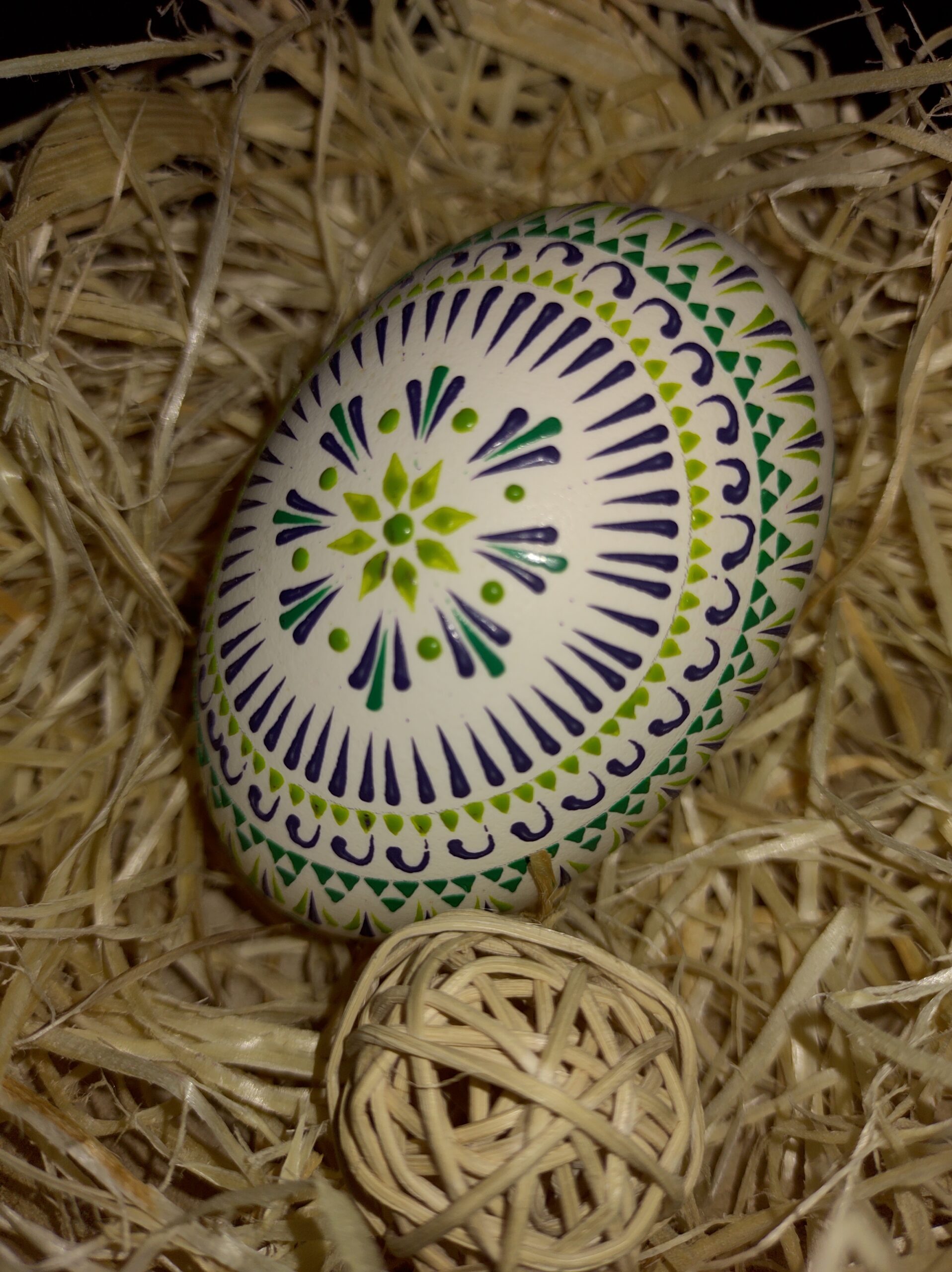
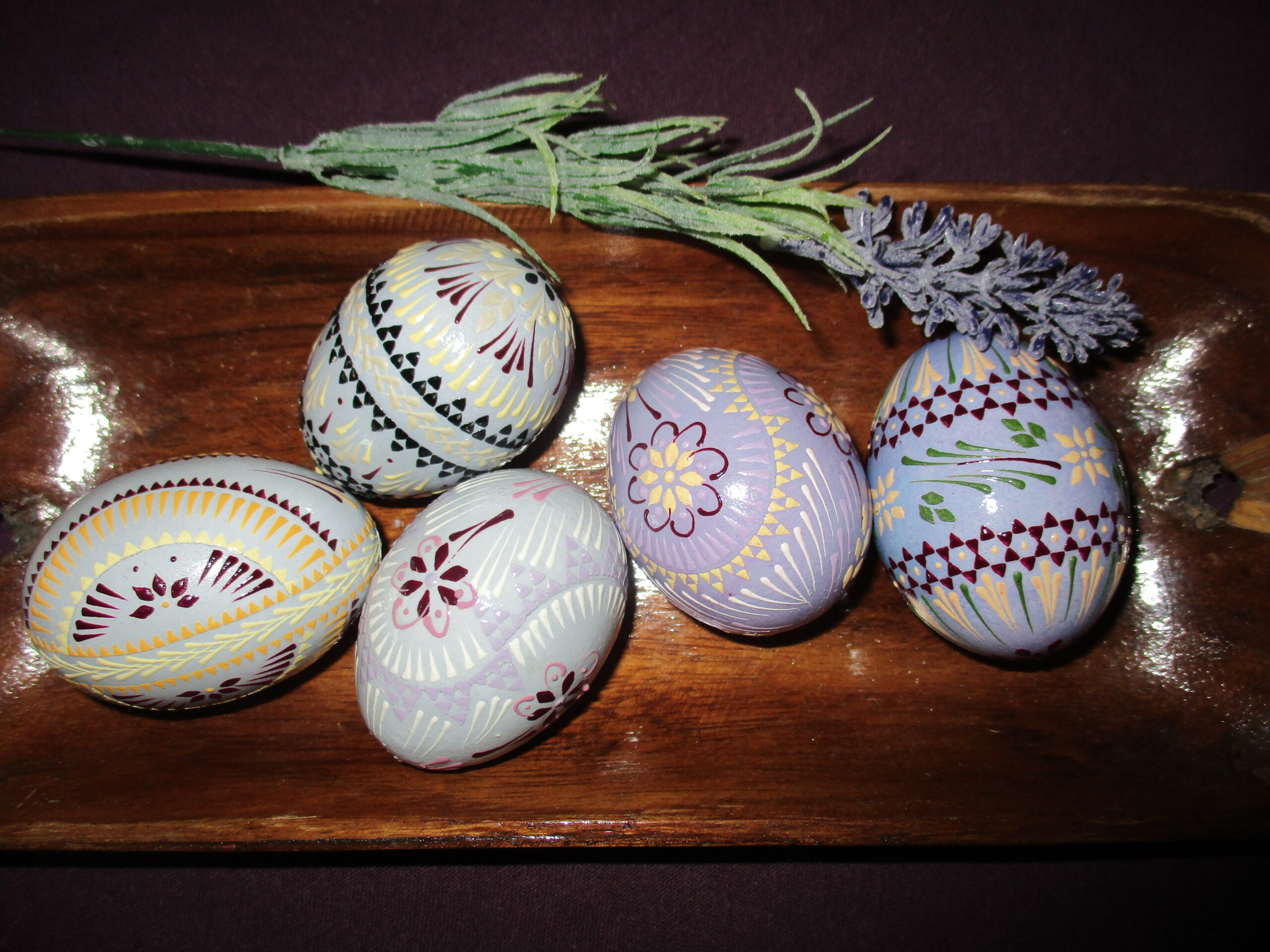
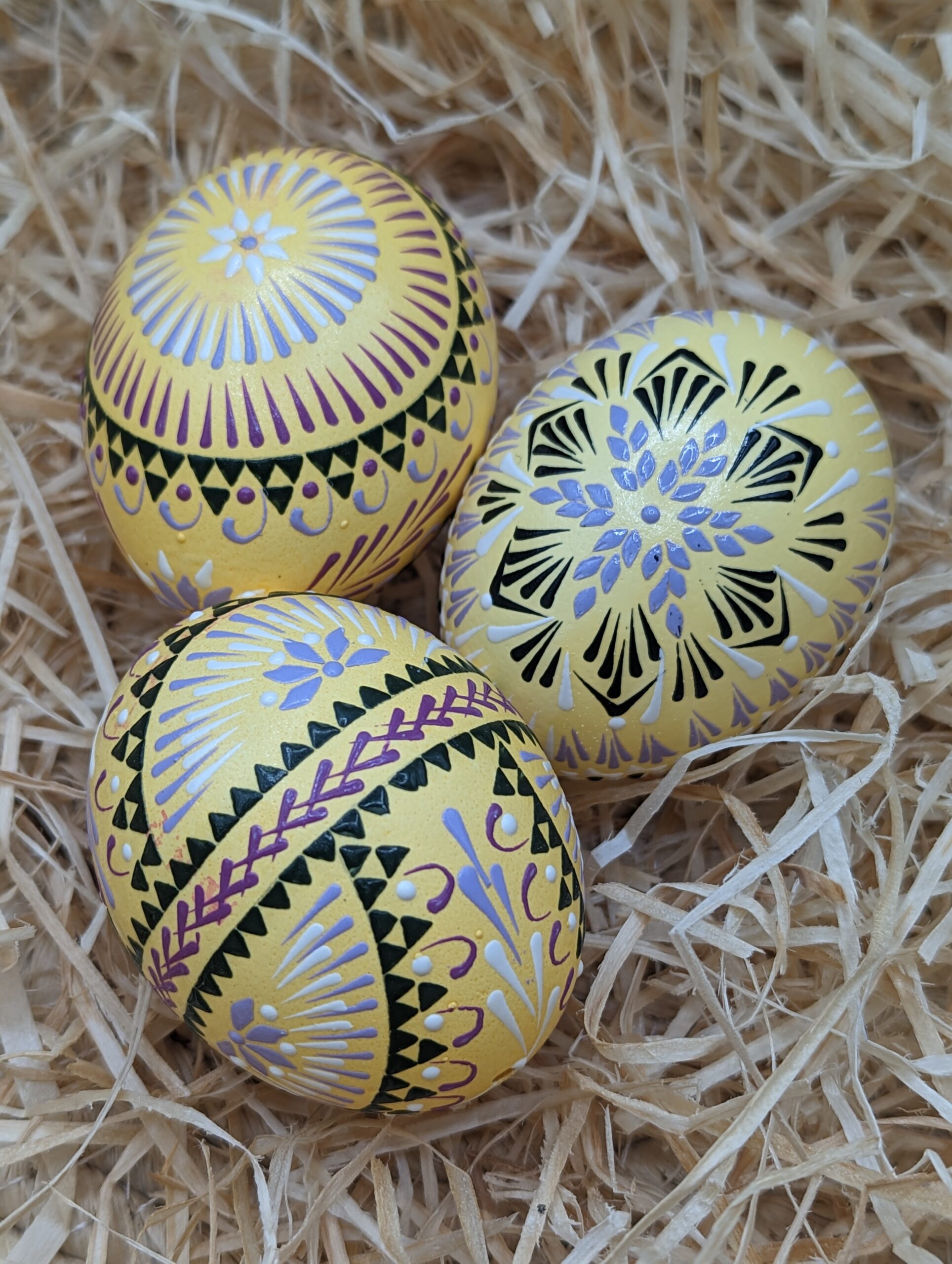
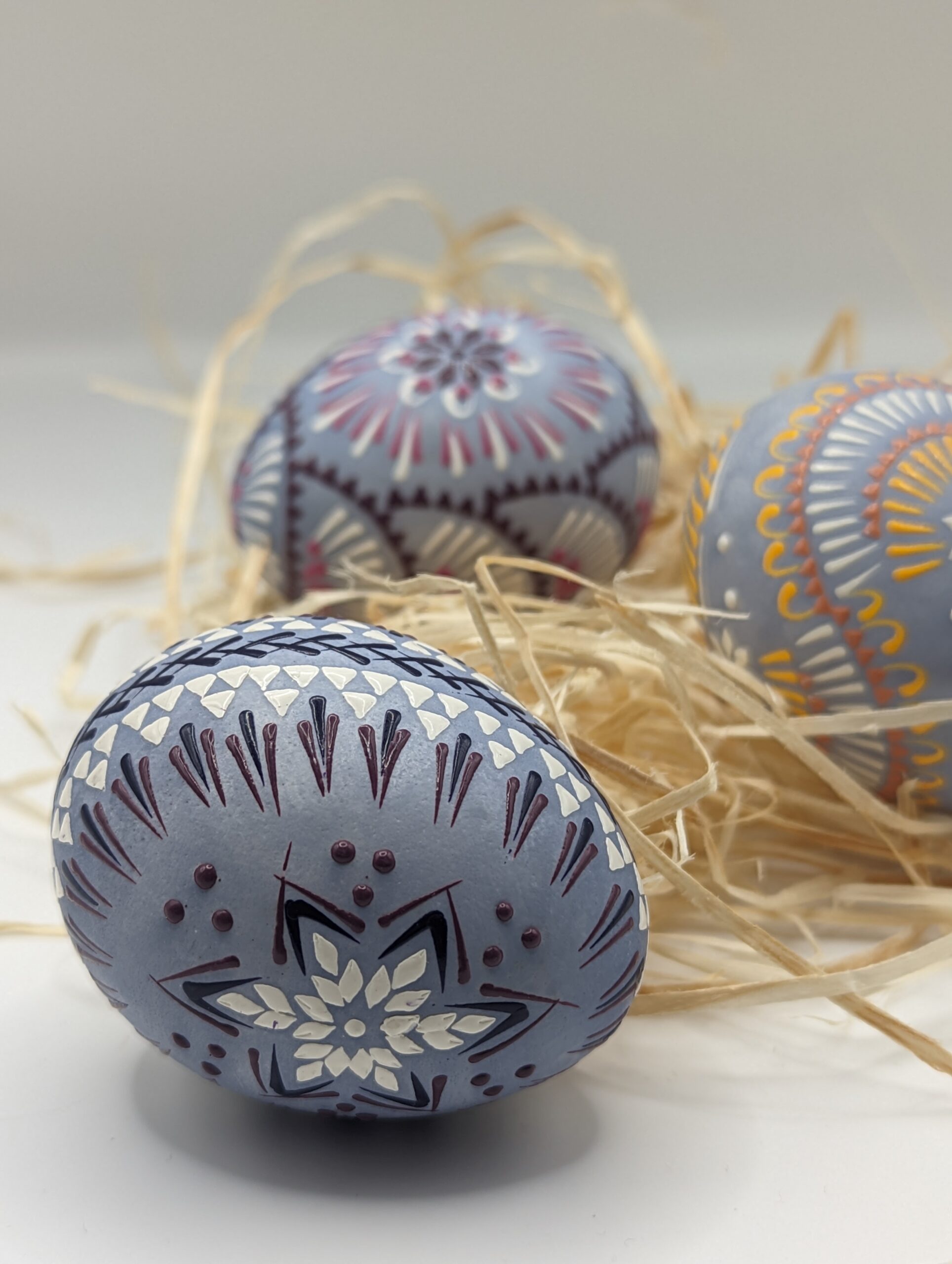
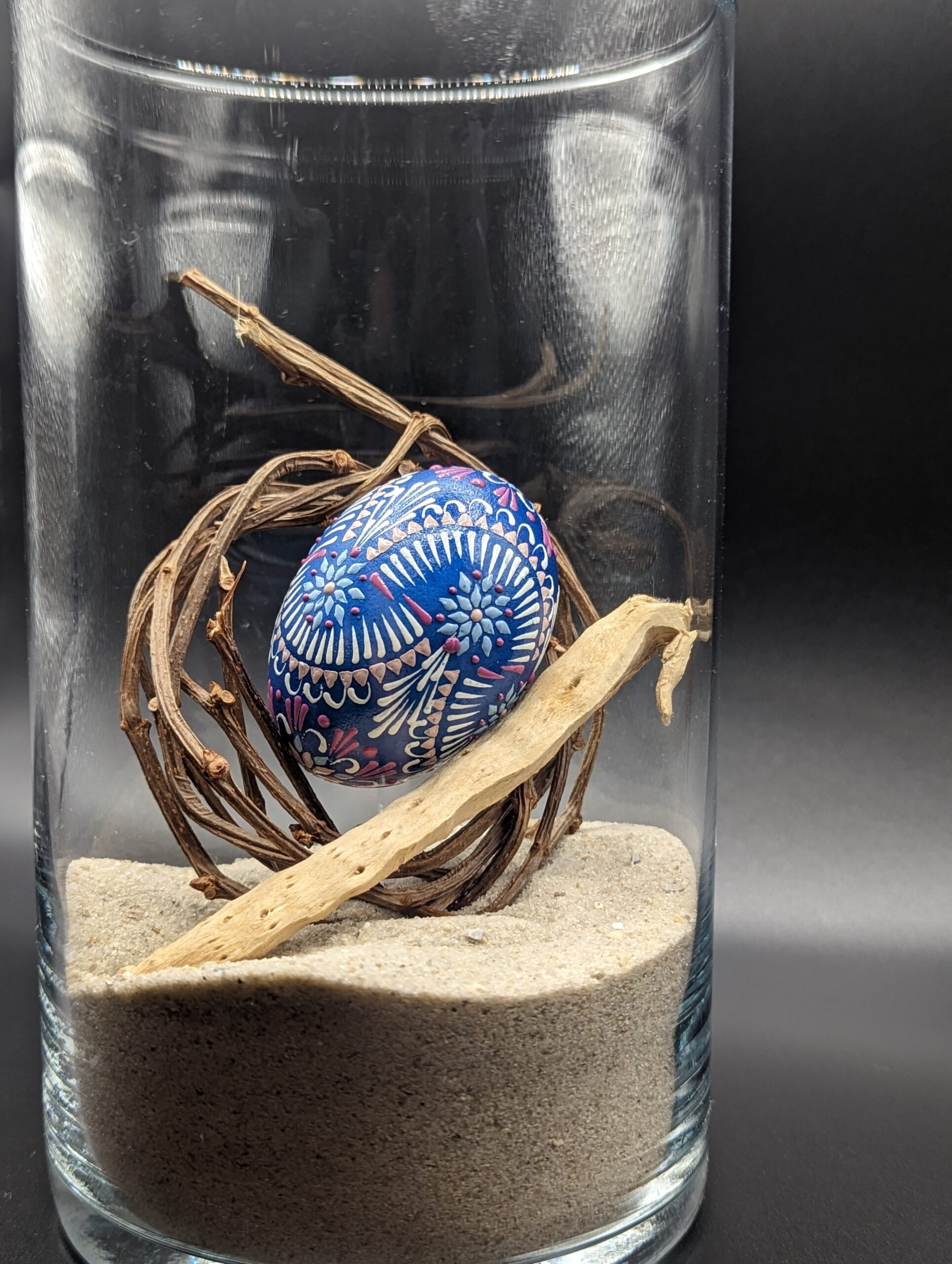
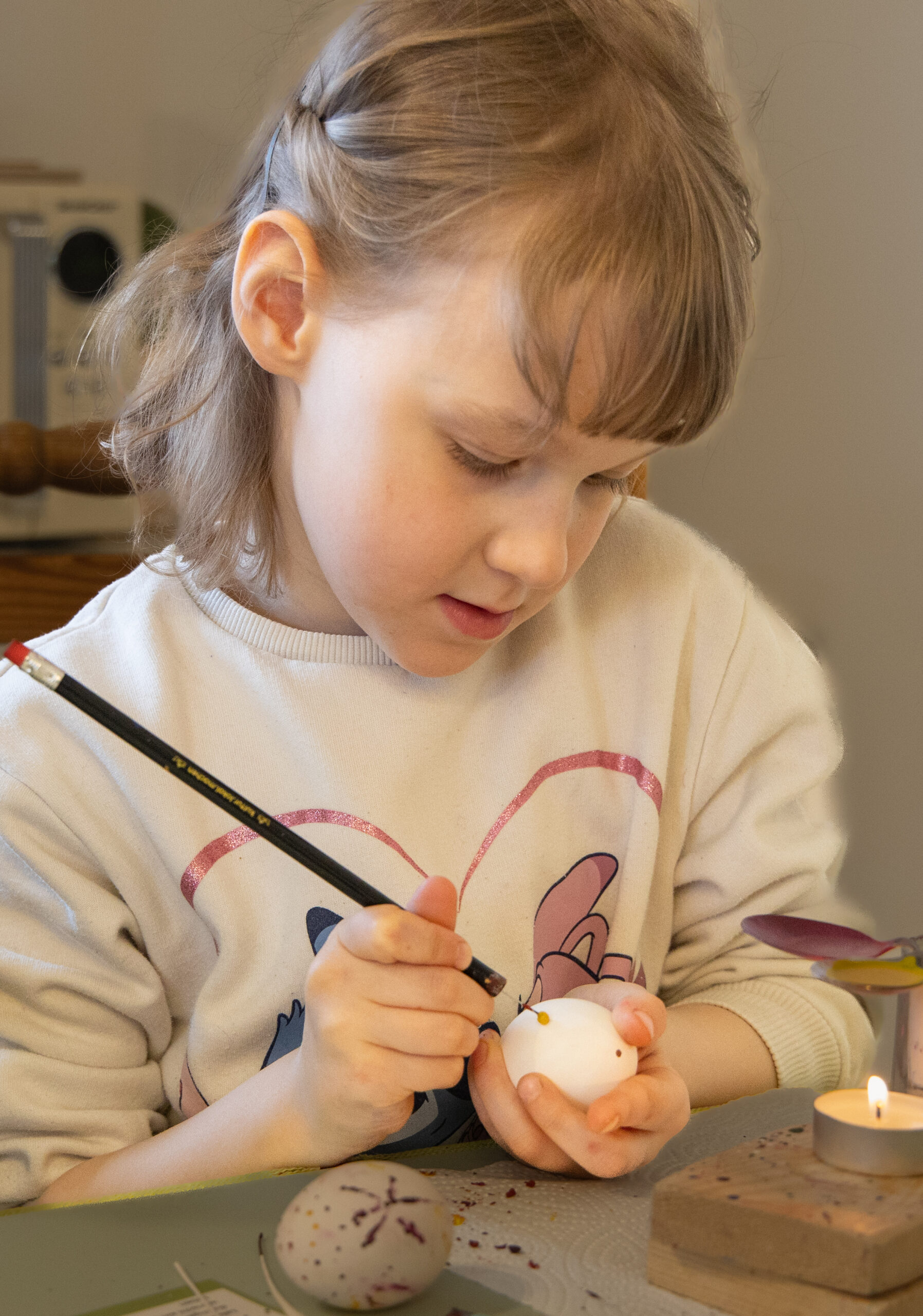
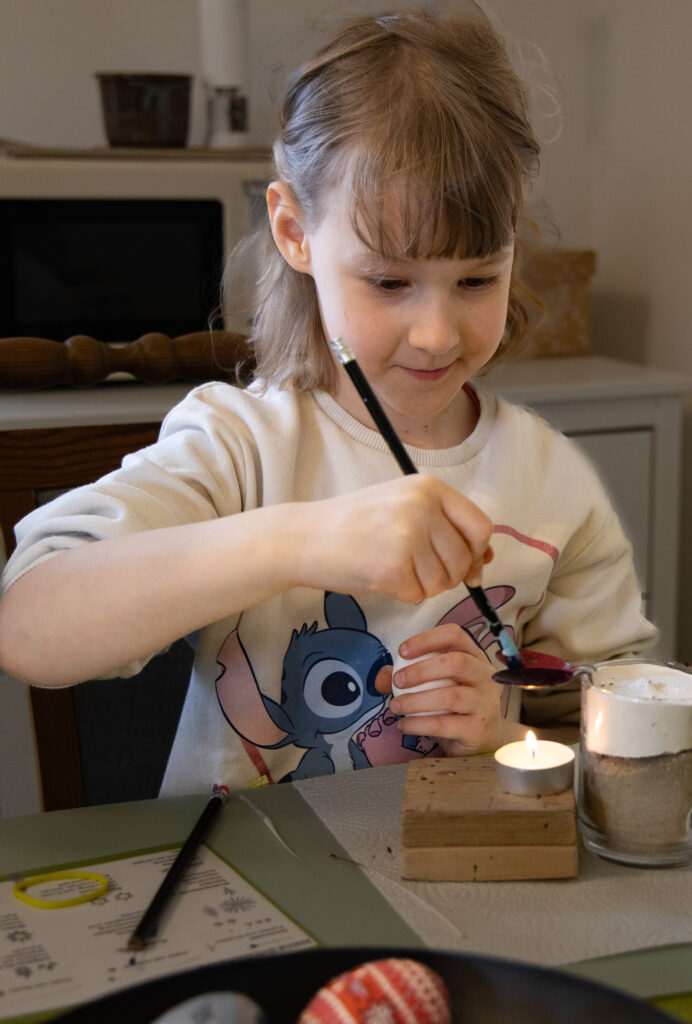
Susann Köbernick from Hartmannsdorf has been decorating Sorbian Easter eggs for over 25 years. She learned painting and its symbolism from her aunt Heidelind Lies in Lübben while she was still at school. The first simple lines became straighter and more precise over the years, the technique more sophisticated and his own “signature” more and more pronounced. Through her work at the Spreewaldverein e.V., she is also professionally close to typical Spreewald topics.
Susann Köbernick studied social sciences with philosophy as her core subject. She is married and has one child. After graduating, she moved from Cottbus back to her home town of Lübben and now lives with her family in Hartmannsdorf.
36-year-old Susann Köbernick says of her creative ambitions: “I have found something in traditional Easter egg decorating that has fascinated and inspired me for a long time. There is so much in it: the delicate patterns, the traditional techniques and the symbolism of the ornaments. And that is exactly what should not be lost and is worth passing on. Perhaps I can help to ensure that this very special form of cultural expression can be lived with respect and kept visible. I see myself as a small part of this living culture, which shapes our everyday life in the Spreewald in many ways.”
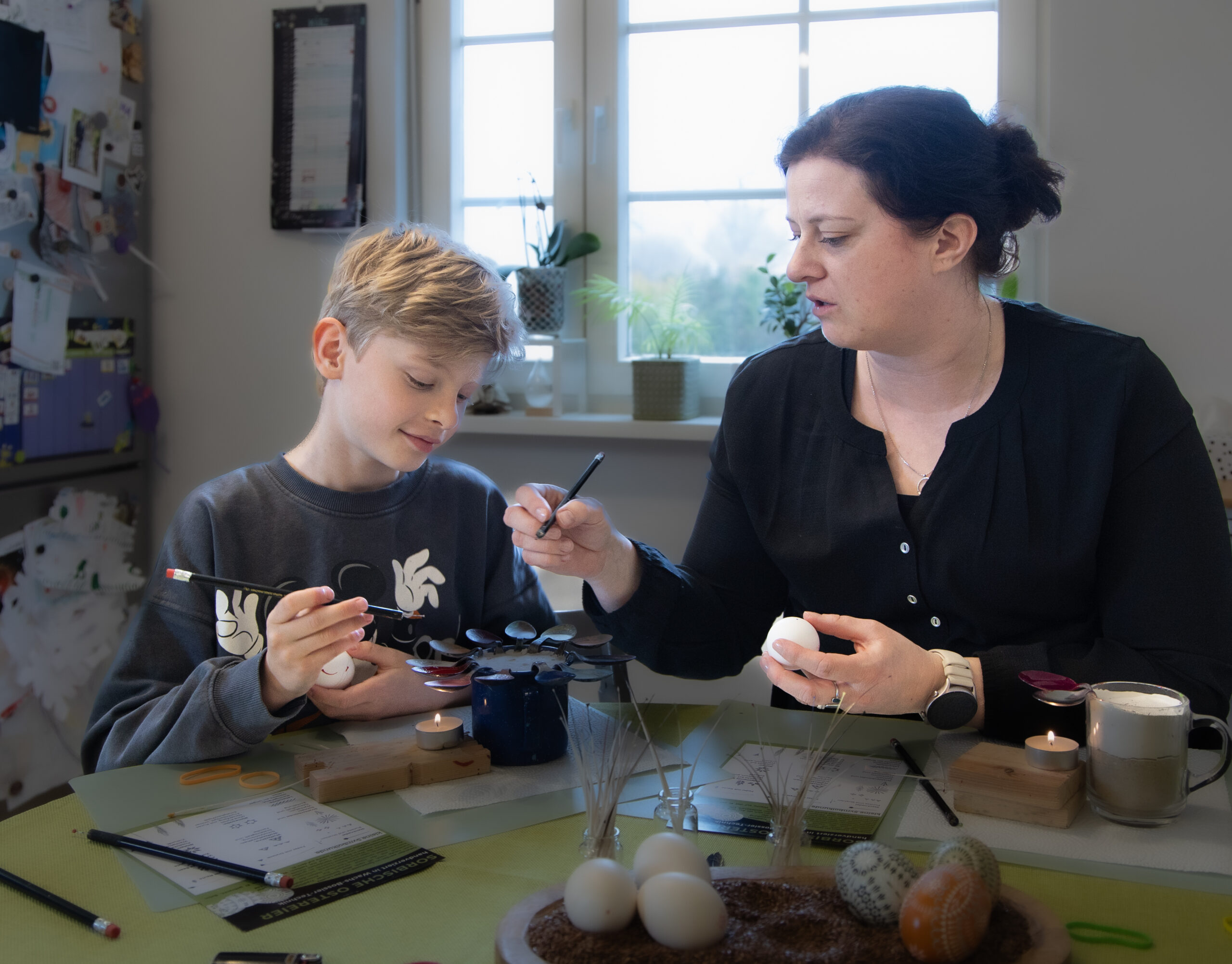
Susann Köbernick gives design courses, as she did last weekend in Schönefeld. “It’s actually quite a long way from the Spreewald, but that’s what made it so exciting. The great thing is that the courses are often intergenerational. Grandparents, children and grandchildren often sit together at the table and marvel at what the others can do.”
Susann Köbernick is now a specialist in egg design techniques, and she herself favors the wax-bossing technique.
Wax embossing technique
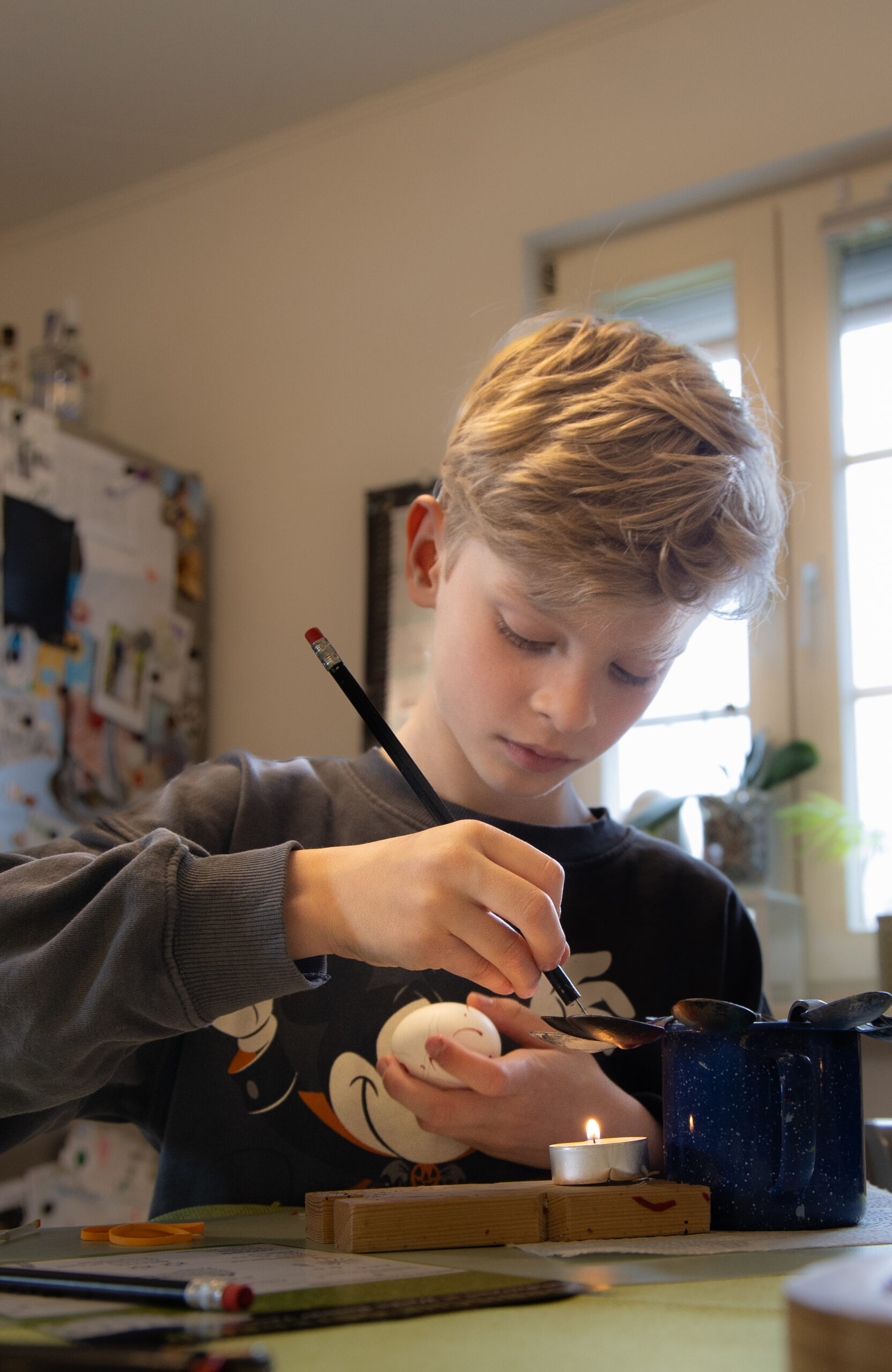
This technique has experienced a strong upswing in recent years and is now one of the most popular Sorbian techniques. As with the wax batik technique, hot wax is applied to the egg using a feather or needle. Unlike batik, however, colored wax is used which remains on the bowl.
Numerous women and men have dedicated themselves to the wax-bossing technique. They now have their own style, are represented with their art at Easter fairs and markets and demonstrate the decorating of Easter eggs to the public.
You will need: Feathers, wax, small wood with pin, spoon carousel, teapot
Etching technology
The etching technique was much more widespread in the past than it is today. A pattern is written on the dark-colored egg using a feather dipped in acid. The acid etches off the paint and is then carefully wiped off with a soft cloth. Sauerkraut juice was once used, today diluted hydrochloric acid is used. This makes the pattern stand out in high contrast. In addition to vine and flower patterns, original rhymes and proverbs are often written on the egg.
Used are: Drawing pen with holder, acid, lobules.
Scratch technique
As with the etching technique, a dark-colored egg is used. Using a pointed object, the pattern is engraved into the bowl piece by piece and emerges brightly on a dark background. The scratching technique requires a lot of time and a great deal of skill. More recently, patterns (models) of old Wendish blue-print traditional costume aprons have also been used as a template to create dark blue Easter eggs.
You will need: short knives, nailing and engraving tools.
Meaning of the colors
Insight and knowledge are symbolized by orange. Green stands for nature, fertility, health, hope and happiness. Red means strength, energy and fire. Black stands for tradition and consistency. Blue symbolizes peace, harmony and friendliness. Braun represents closeness to nature, experience and down-to-earthness. Yellow is the color of the sun, warmth and prosperity.
….and symbols
The blossom is a sign of growth, development and a bright future. Depending on the type of ornament, the crow’s foot stands for wisdom, magical reinforcement or the right path. Dots are said to banish spirits, the triangle, also known as the “wolf’s tooth”, stands for the Trinity, and when strung together it stands for protection. Growth, health and development are symbolized by the sun wheel. The honeycomb without a dot stands for a new beginning. The honeycomb with a dot represents fertility, a good harvest and prosperity. The cross stands for firm faith.
Peter Becker, 05.04.26
About the painter: www.wachs-bossiert.de

