
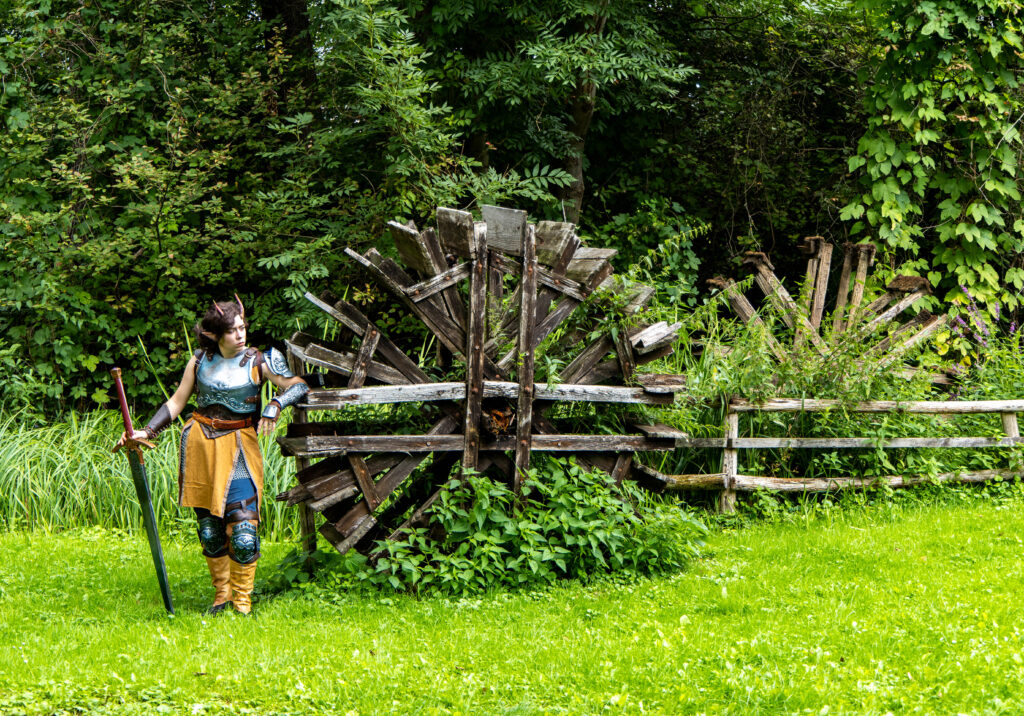
Cosplay Meets the Spreewald
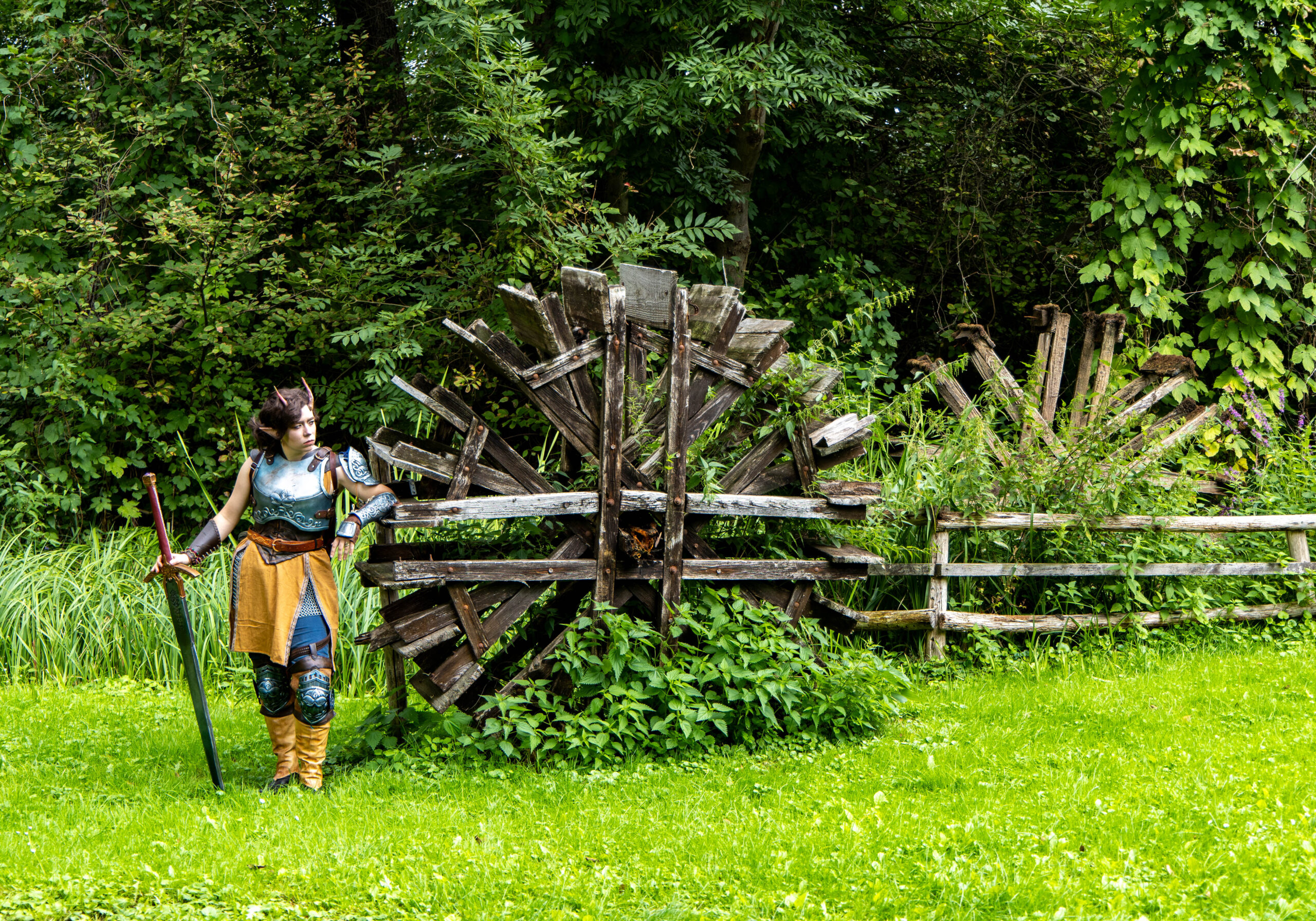
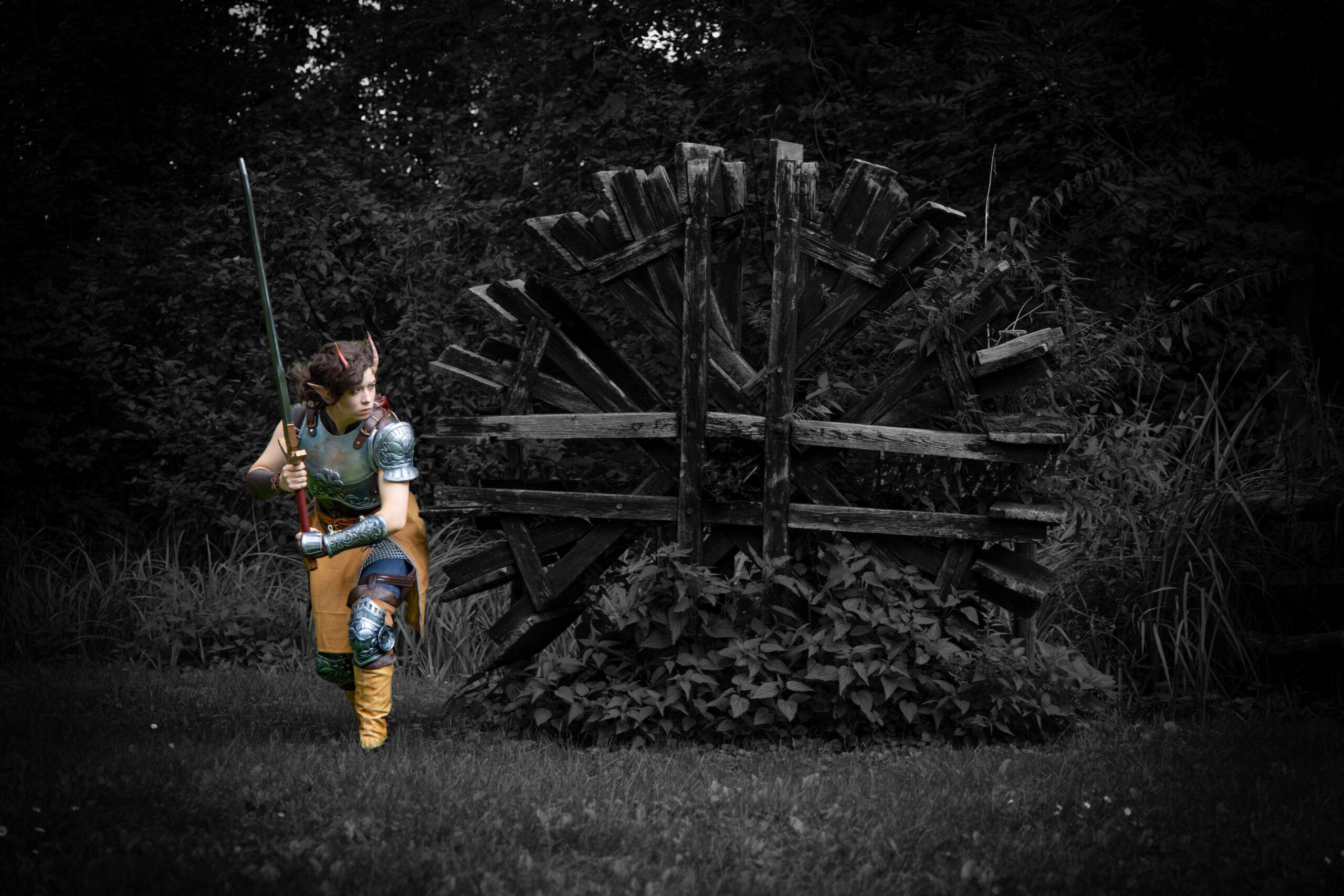
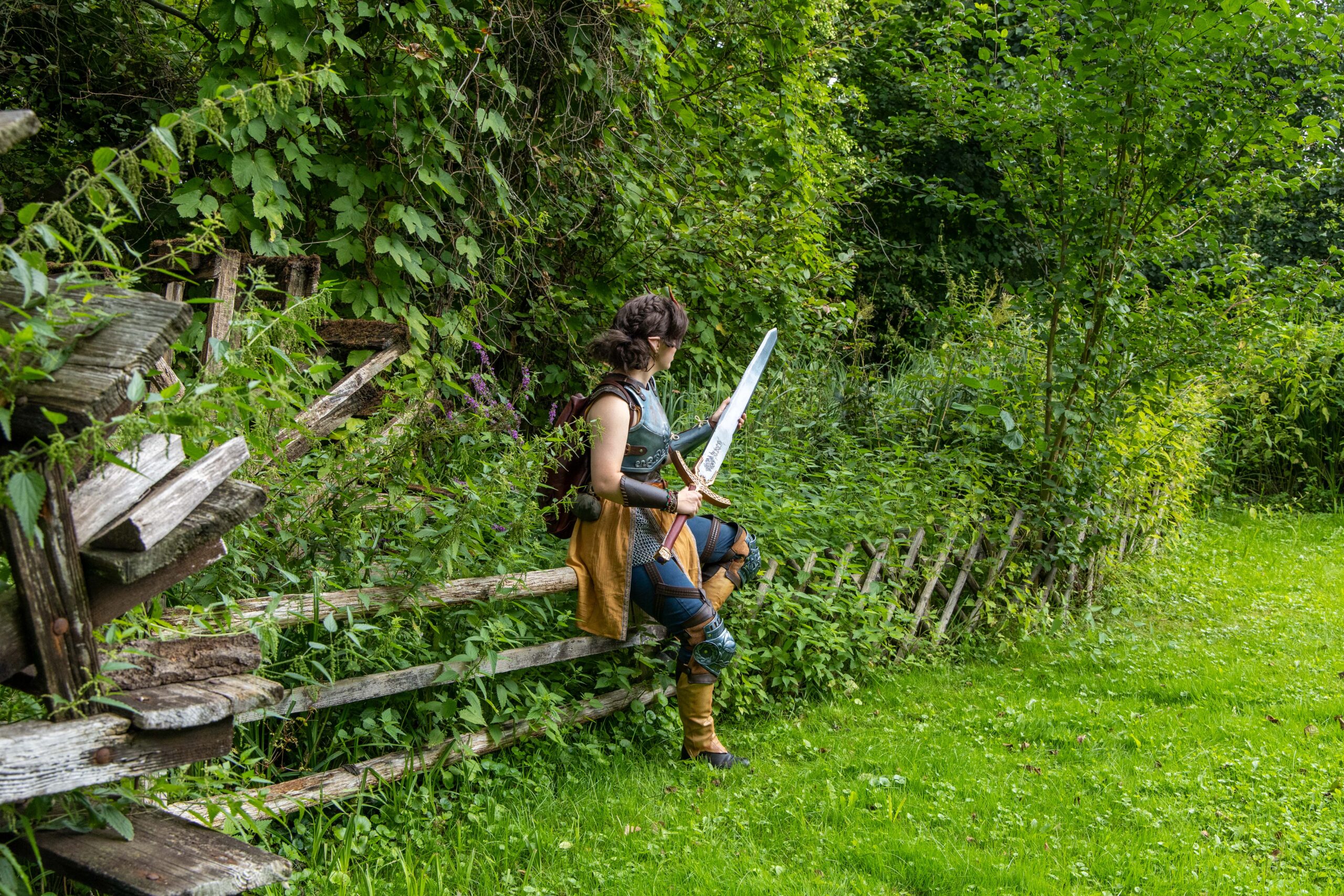
Cosplay Meets the Spreewald – The Dream of Being Someone Else
What motivates a person to devote a significant portion of their free time to role-playing? After all, that is essentially what it comes down to when young women like these not only slip into elaborate costumes—almost always designed by themselves—but also take on the corresponding roles—and do so in full view of the public.
The cosplay scene has been active worldwide for nearly 100 years: “Cosplay” is a portmanteau of the English words “costume” and “play.” The scene traces its origins to the first science fiction films in the U.S. and, later, to Japan, with the burgeoning manga, anime, and video game culture. In this process, their own creations and their own ideas about roles are always at the forefront. Cosplayers creatively transform fabrics and leather into outfits that are as eye-catching as possible; they also make their own weapons and armor. There is now a market for this as well, one that capitalizes on the cosplay craze and offers practically everything related to it.
This scene exists all over the world, as was evident recently at the Elbenwald Festival in Cottbus. It was therefore to be expected that the nearby Spreewald, with its mystique and legends, would attract cosplayers—which is exactly what happened: Three representatives discovered the Spreewald, led and accompanied by the well-known Cottbus photographer Heiner Stephan and his daughter Cindy Oehmichen, who is also a photographer and writes under the pseudonym Cindy O. Wildenhain. “The Spreewald has always been a source of inspiration for me. Since I wrote a romantic fantasy novel this year set in a world very similar to the Spreewald, it made perfect sense for me, as a cosplay photographer, to use this setting to bring my story to life through photography. With Paula, Jennifer, and Luka as models, I was able to perfectly bring my world—with its ancient trees and gloomy moor—to life,” says Cindy Oehmichen.
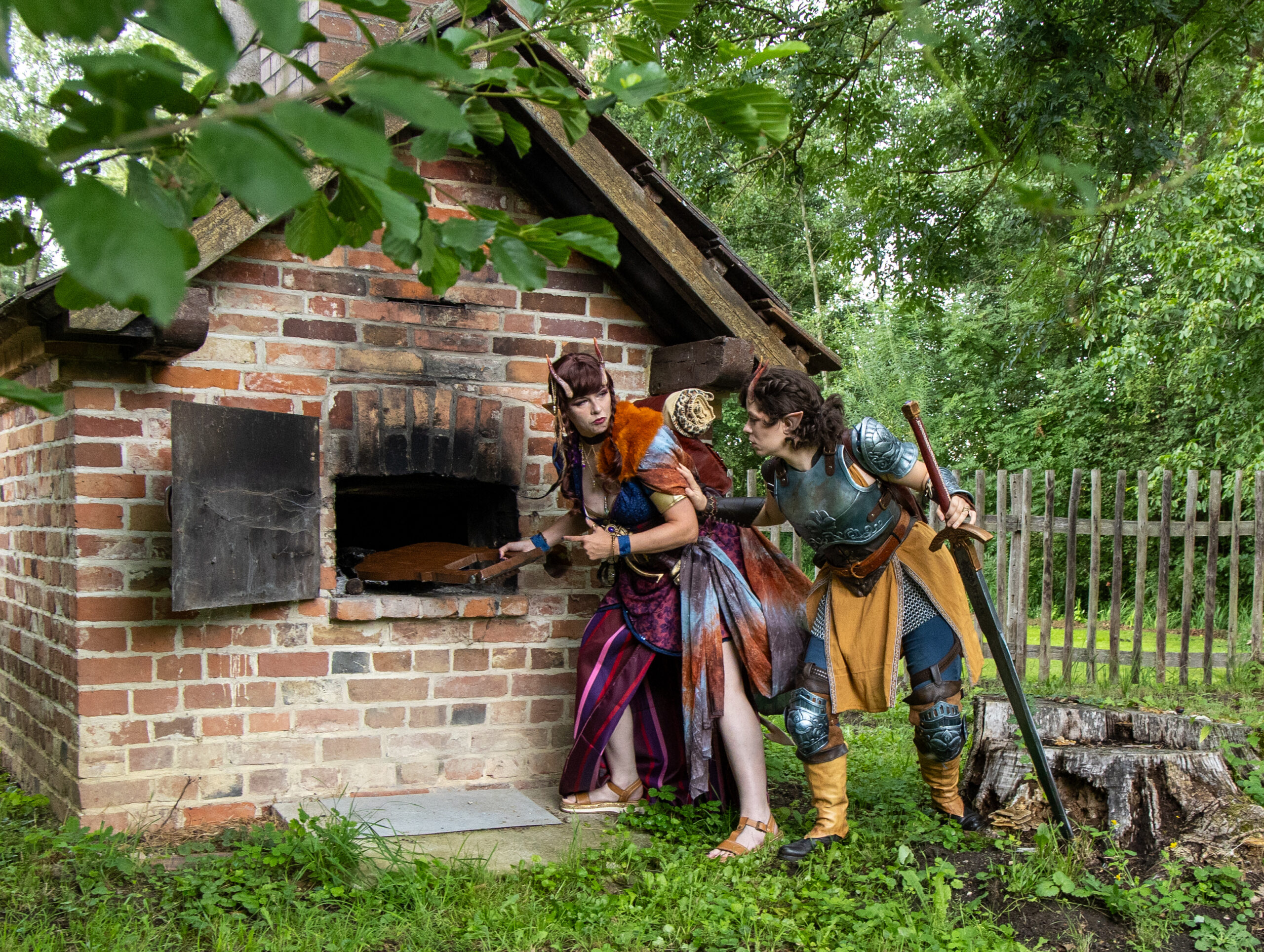
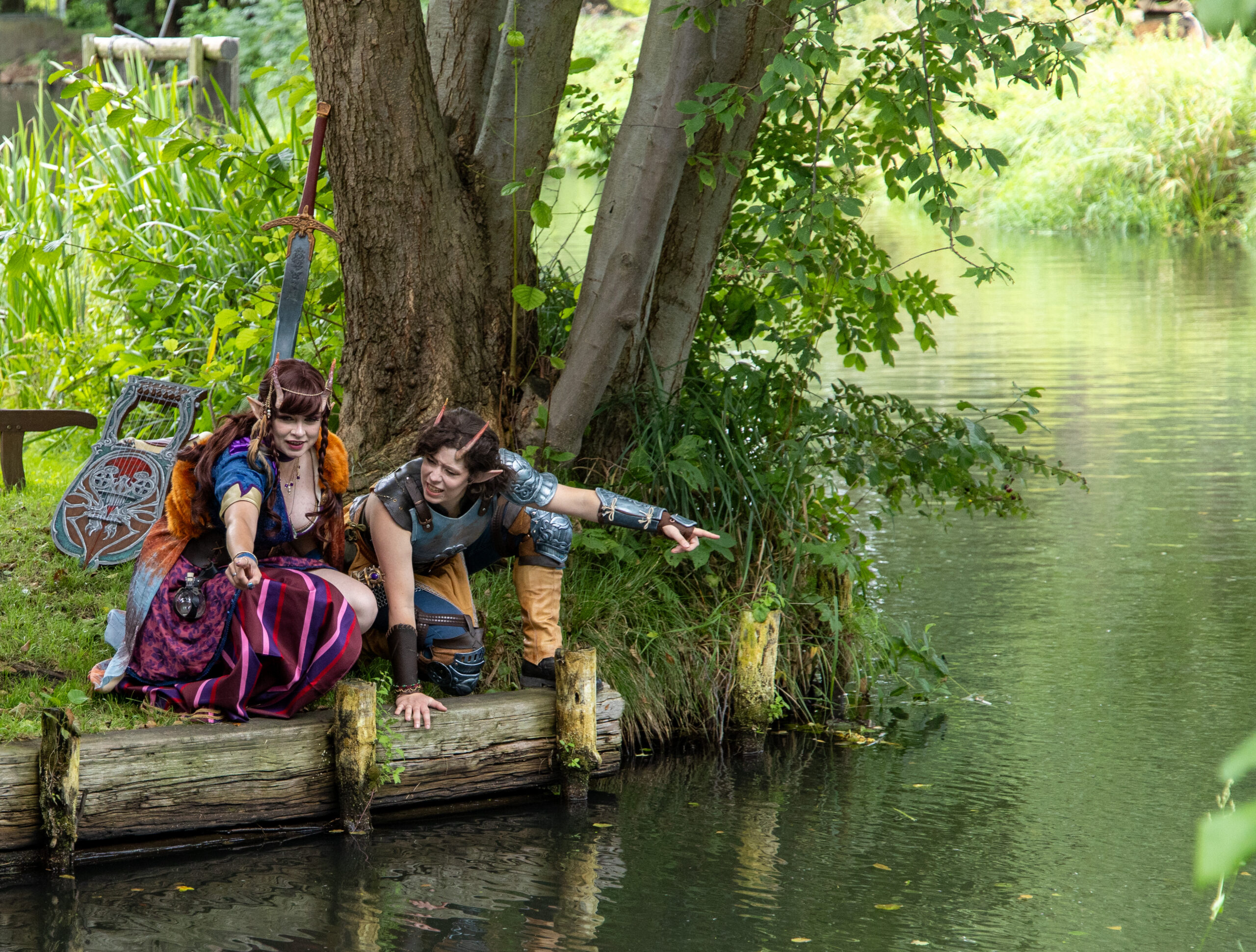
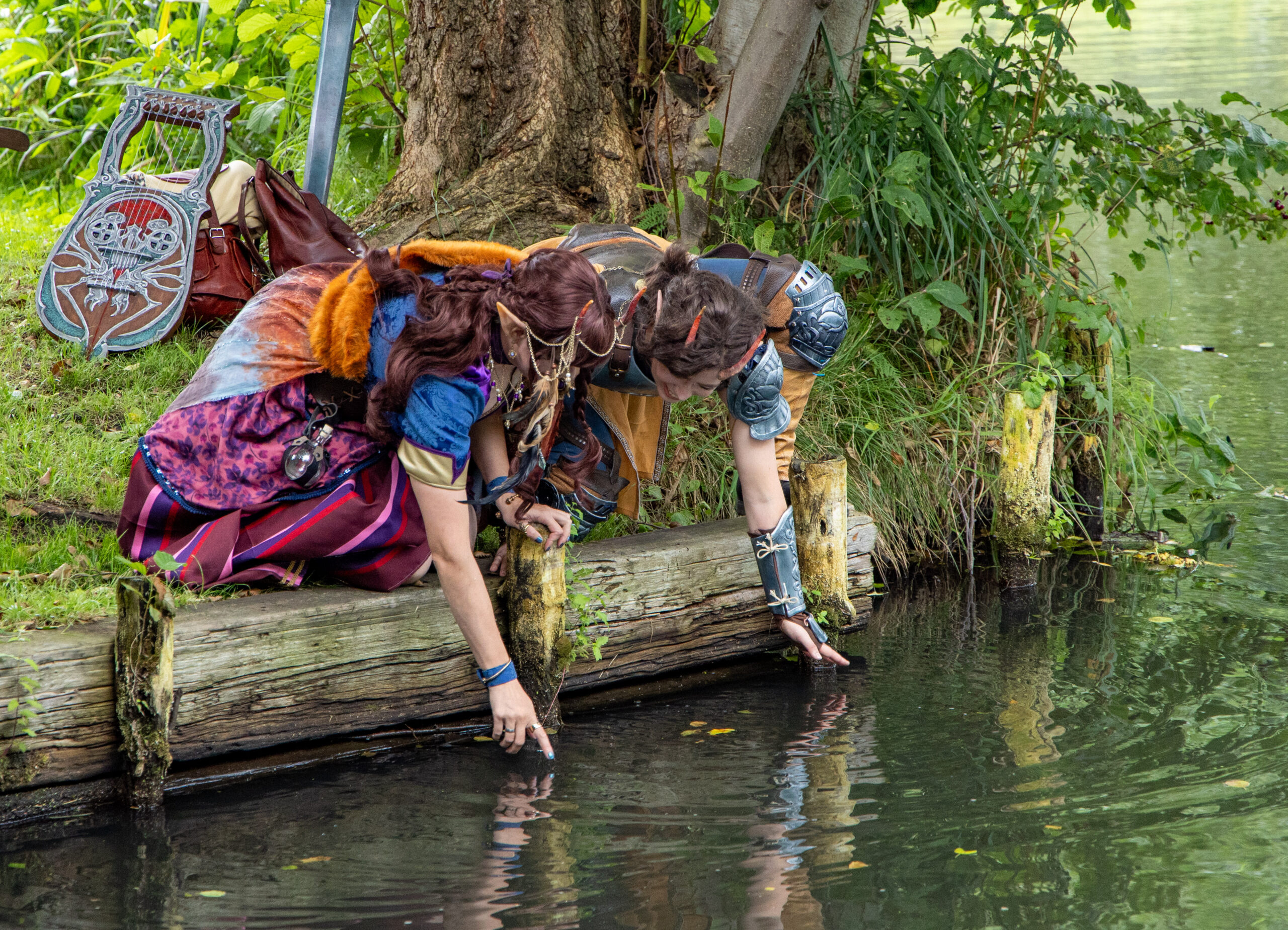
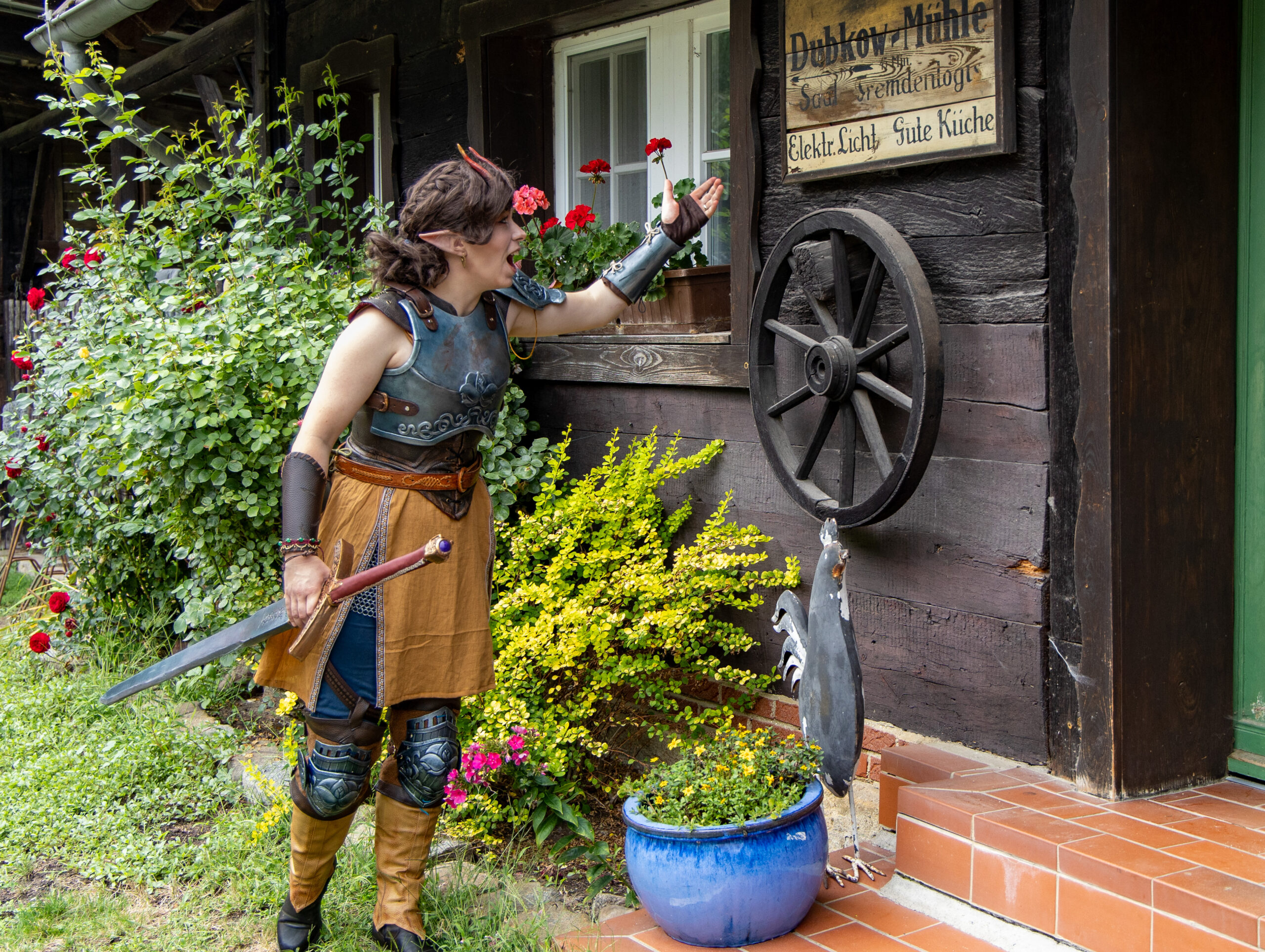
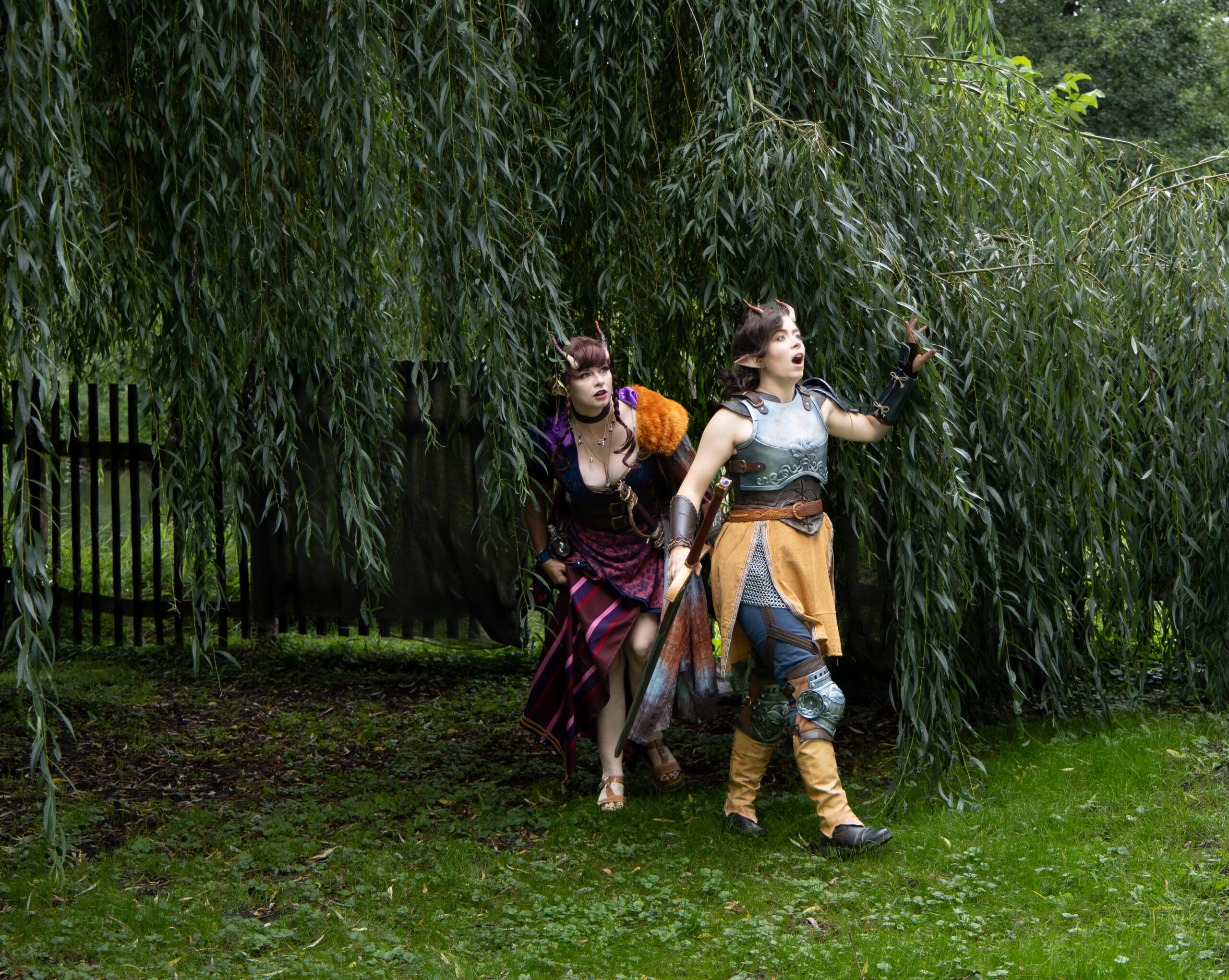
Some of the cosplayers were visiting the Spreewald for the first time and found the setting “incredibly fitting.” They became fully immersed in their roles and interacted with water and gnarled willow trees as well as with old waterwheels and an oven. The Dubkowmühle was ideal for both of these purposes. Photographers and models could literally feel the presence of the Spreewald’s world of legends—though its figures remained hidden, no one would have been particularly surprised if Nykus, Plon, the Snake King, or the Lutken had appeared on the scene. (Maybe that could be an idea for a future photo shoot?) The tourists, on the other hand, were surprised; they pulled out their cell phones and didn’t want to miss the chance to take an extraordinary photo. Paddlers had their hands full trying to fish their smartphones out of the waterproof cases in time.
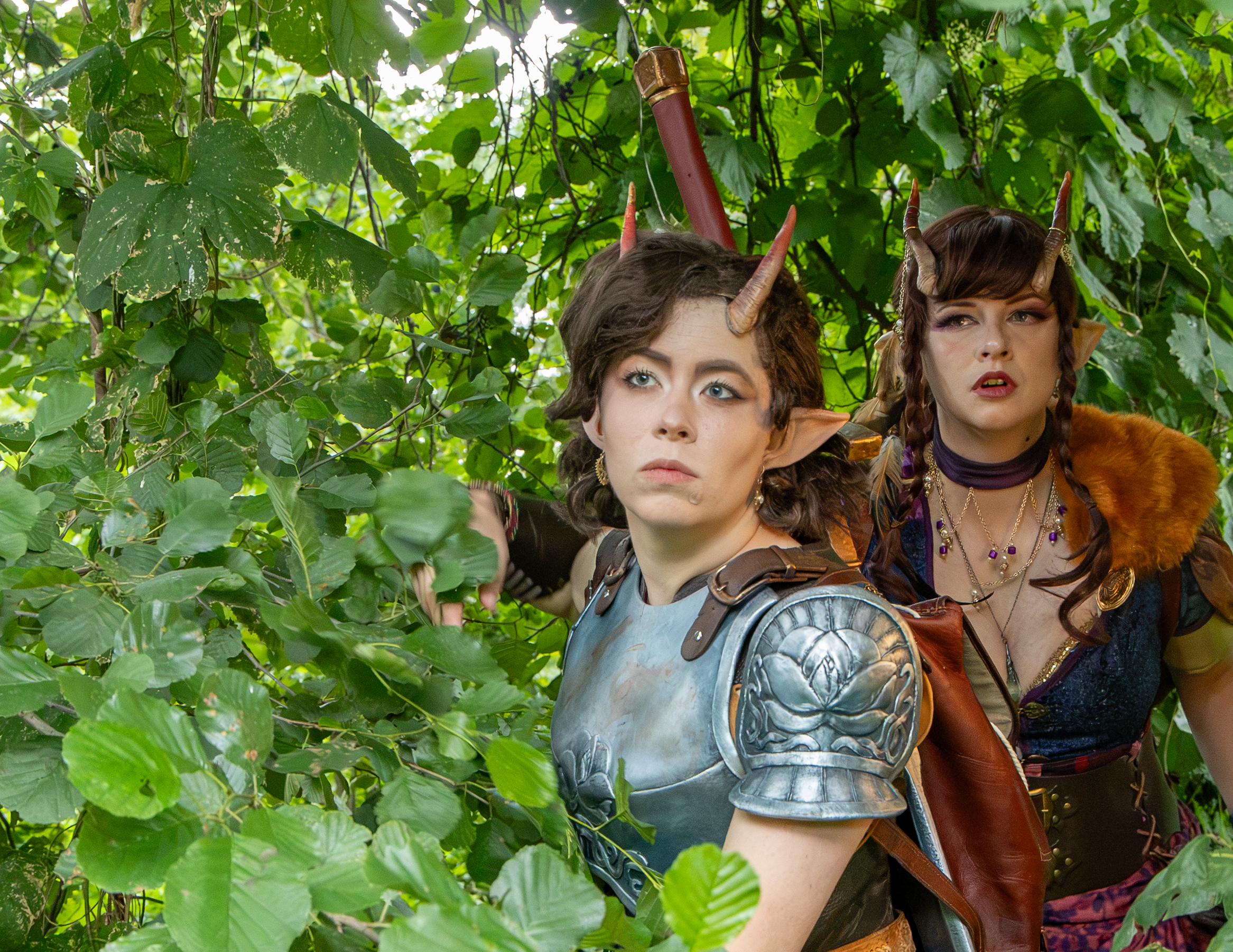
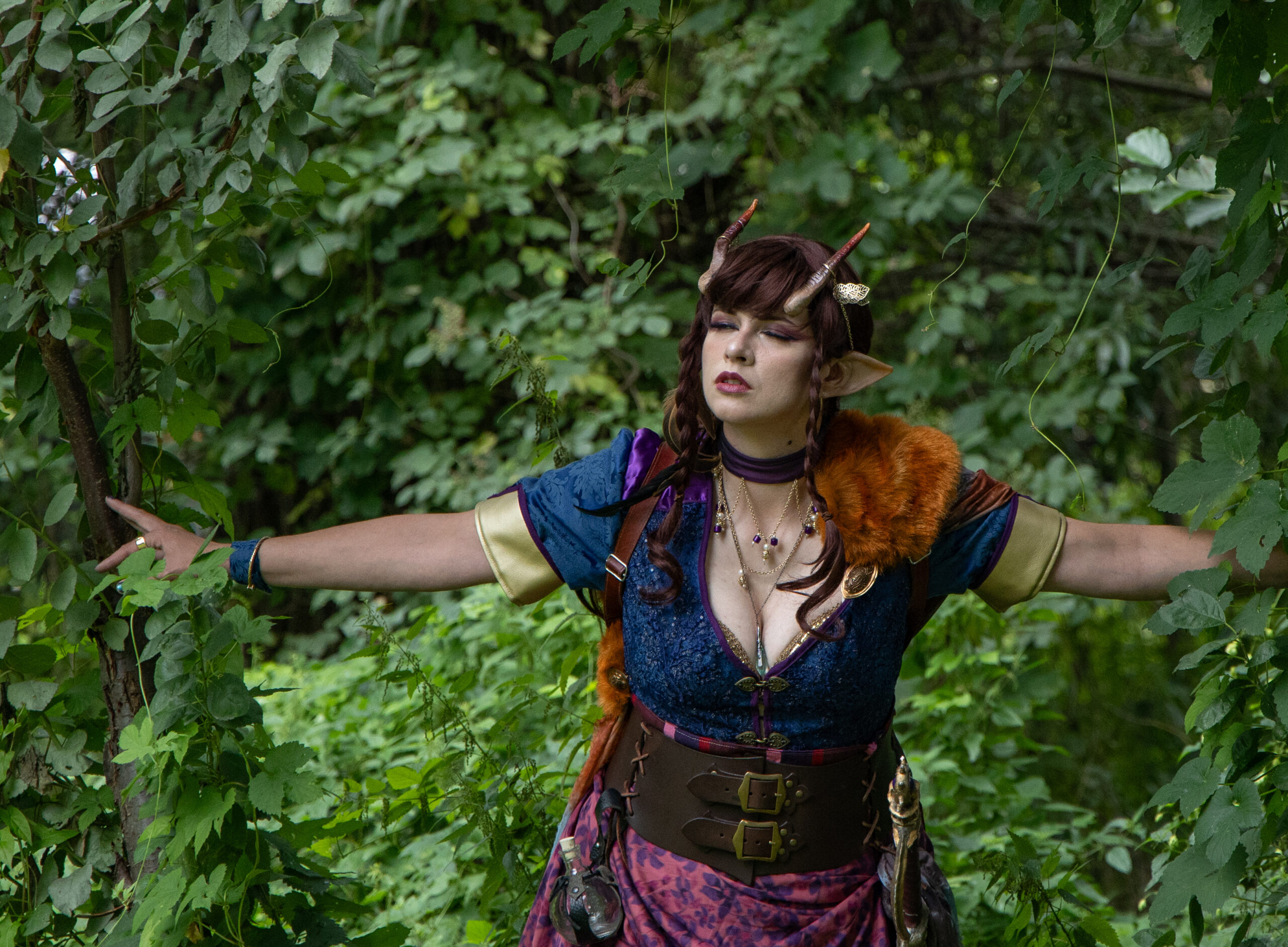
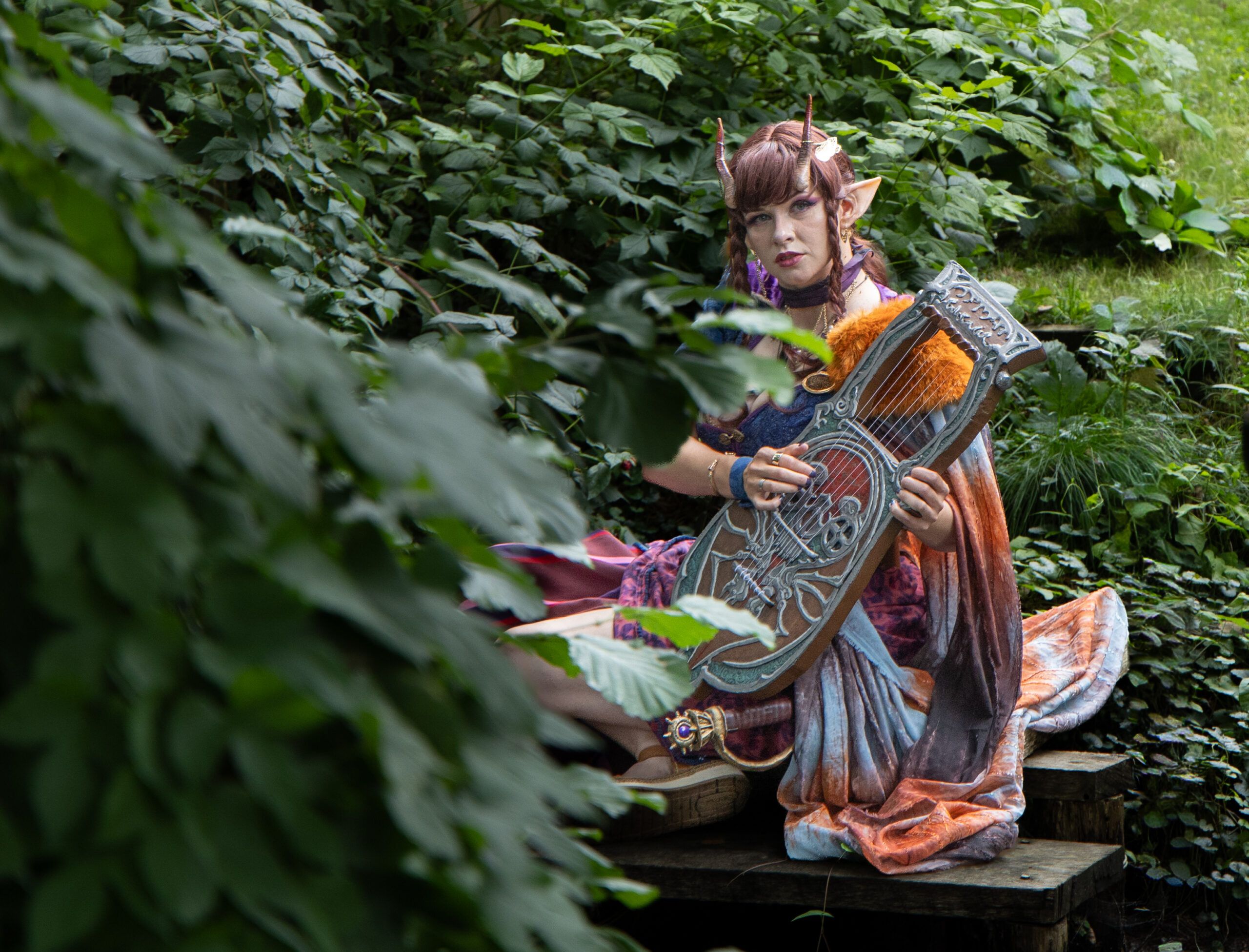
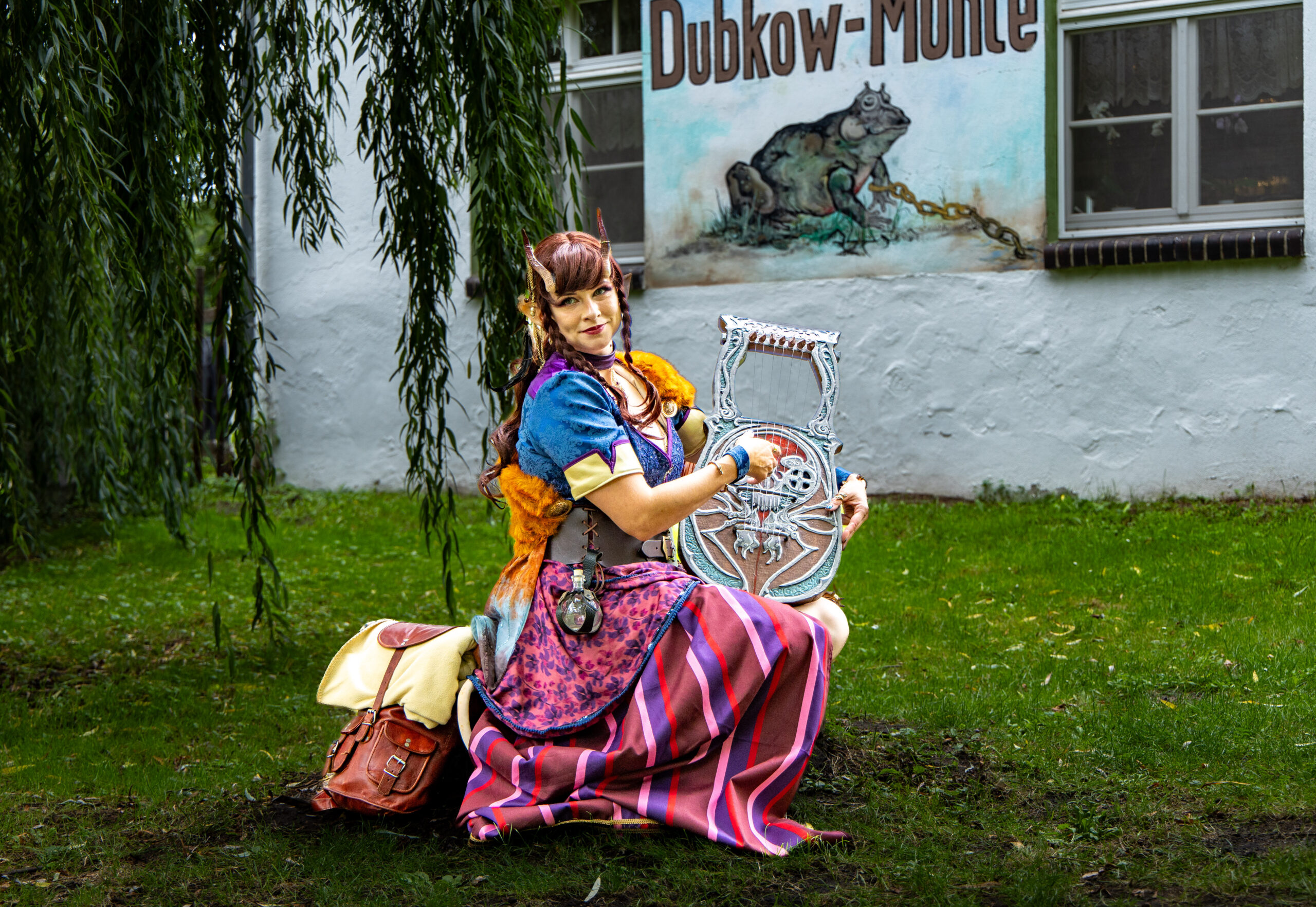
Jennifer Witthuhn from Leipzig, who has roots in Mecklenburg, a 35-year-old archaeologist, says of her outfit: “I portrayed the bard Marga. I came up with the character myself for our annual fantasy photo shoot. The story: The two ‘sisters,’ Marga and Asle, set out on a journey, this time to the mystical Spreewald. We discovered some beautiful sights, such as the Dubkow Mill, which evoked the Middle Ages in some spots, and the magnificent old trees along the water’s edge, which exuded a mystical charm and thus perfectly suited our fantasy characters.”
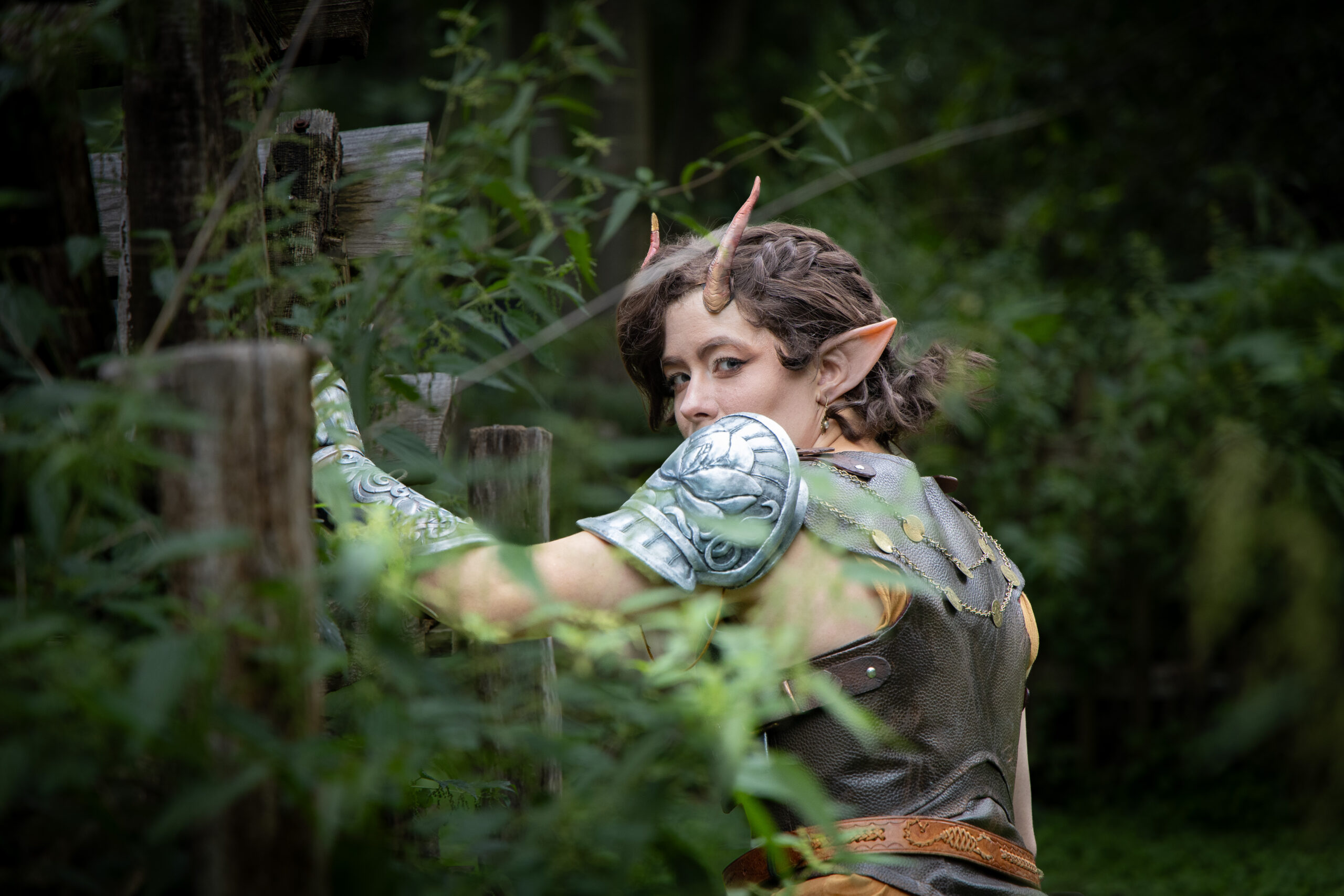
“Sister Asle” is played by Paula Schlegel. Whenever she performs with her friend and “sister” Jennifer Witthuhn, she always has a sword with her. “She has a headstrong personality and does things that others sometimes don’t like. So I protect her with a giant sword in my hand and defuse tense situations so she can sit back and serenade provocative songs on her lyre.” Paula Schlegel is also from Leipzig and works as a software developer. The 29-year-old looks back on a long career in cosplay and recalls: “Shortly after my youth initiation ceremony, I discovered the cosplay scene and was eager to dress up like that myself. My most urgent request to my mother back then was: ‘Mom, please teach me how to sew—right now!’”
Peter Becker, September 1, 26

