
A Spreewald farmstead just as it once was
Jens Möbert, a resident of Burger, recalls an old photo from 1920, taken from the Burger church tower: “It shows our current living environment in a completely different light. There were smoky cottages, most of them still thatched, barns, and draw wells—some with dovecotes; that’s the kind of thing I wanted to bring back to life. Our house dates back to 1774, and we’ve been extensively renovating it since 1996. Living in a historic setting, yet with all the modern conveniences—that’s what we’ve been striving for for many years.”
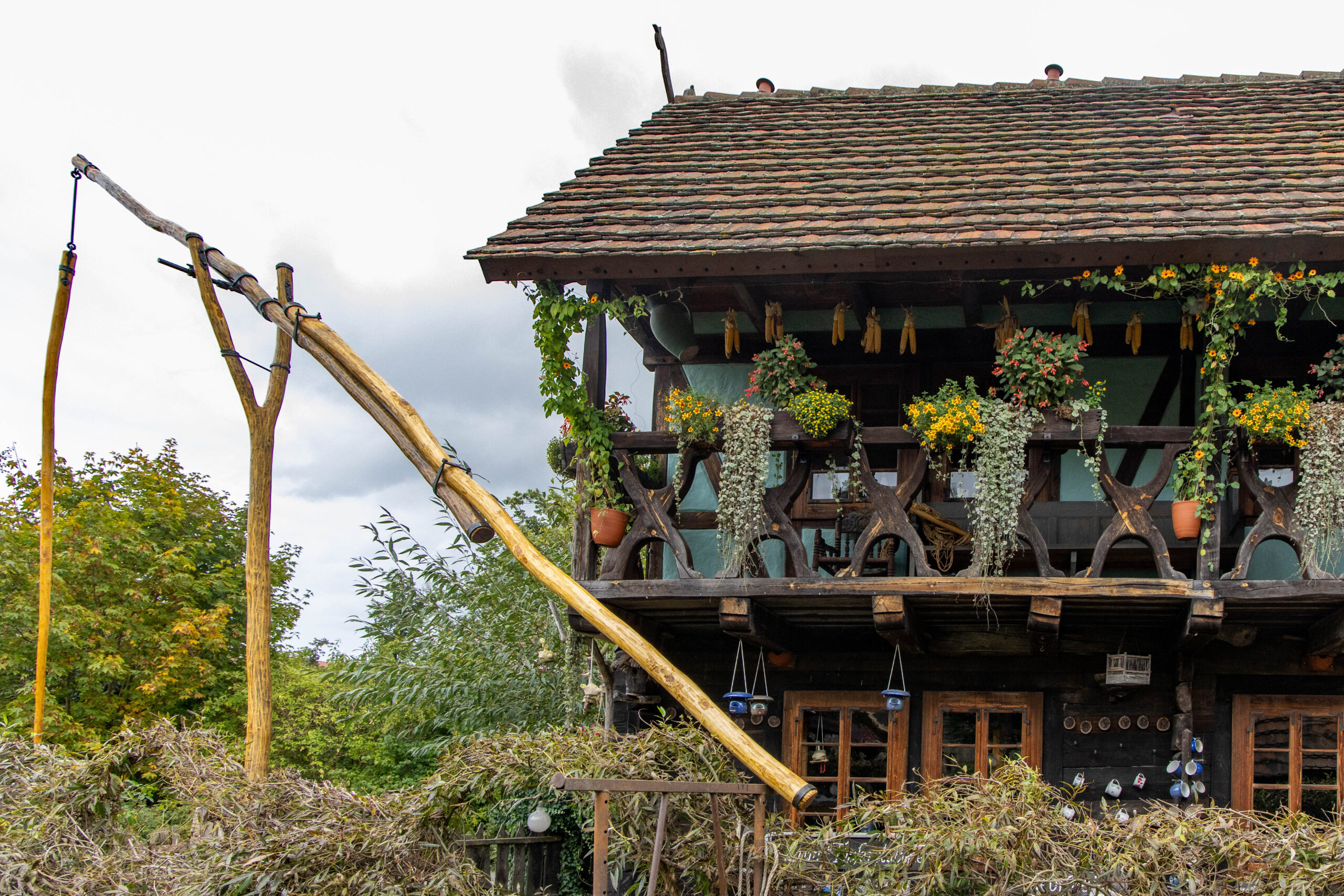
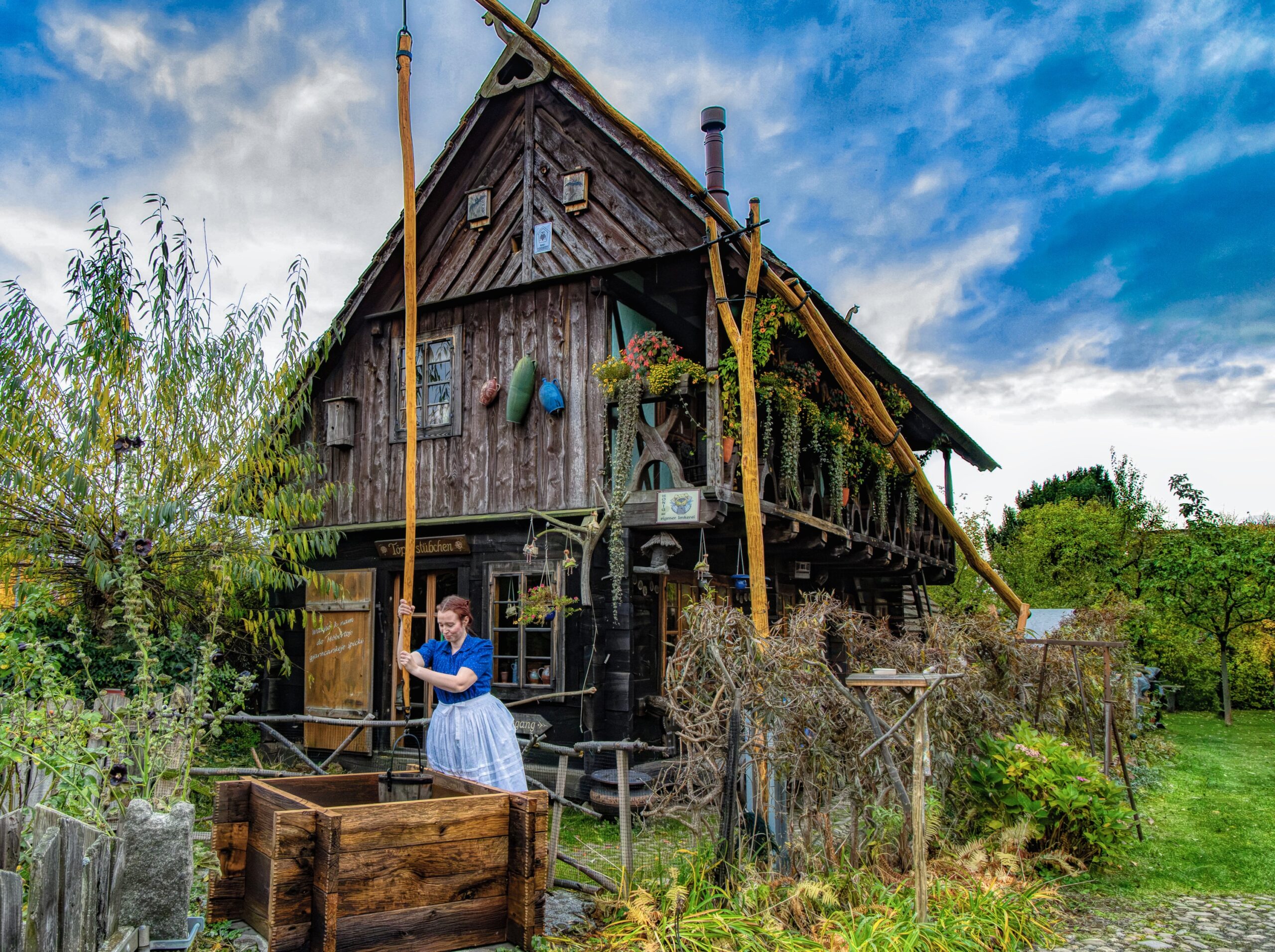
Jens Möbert and his wife Ilona, a potter, are no strangers to restoration: He is a restorer at the Branitz Castle and Park Foundation, and Ilona Möbert is known for recreating historical ceramics, such as the highly elaborate stove tiles in the Annemarie Schulz House at the Bismarck Tower in Burg. It is thanks to Jens Möbert that barns and stables—which had actually been approved for demolition—did not disappear after all, but instead found a new purpose, at least in part. One barn was transformed into the now-famous gallery house, typical of the Spreewald region. Hardly any tourist passes by without taking a photo, especially since Ilona Möbert has created an almost fairy-tale-like atmosphere with climbing flowers. Jens Möbert: “I found the front door in the bulky trash, and I was able to roof the house with hand-painted plain tiles from a demolished house in Horno. The only thing I couldn’t find were old window frames, but I was able to rebuild them based on old designs—which you can’t tell just by looking at the windows today.”
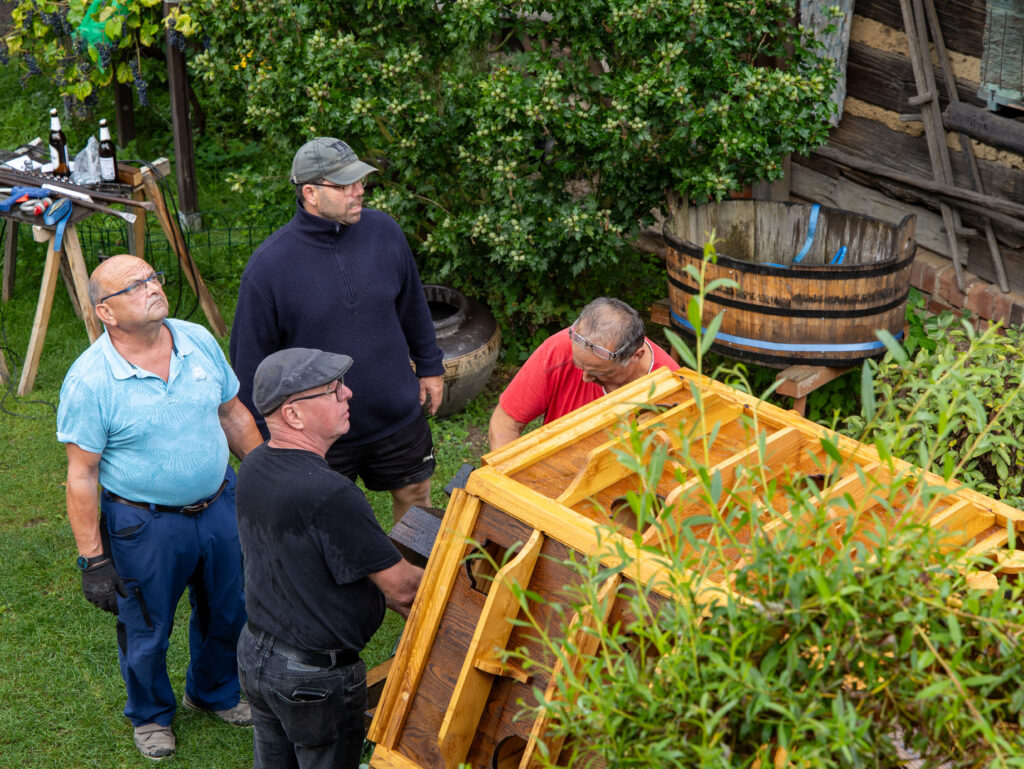
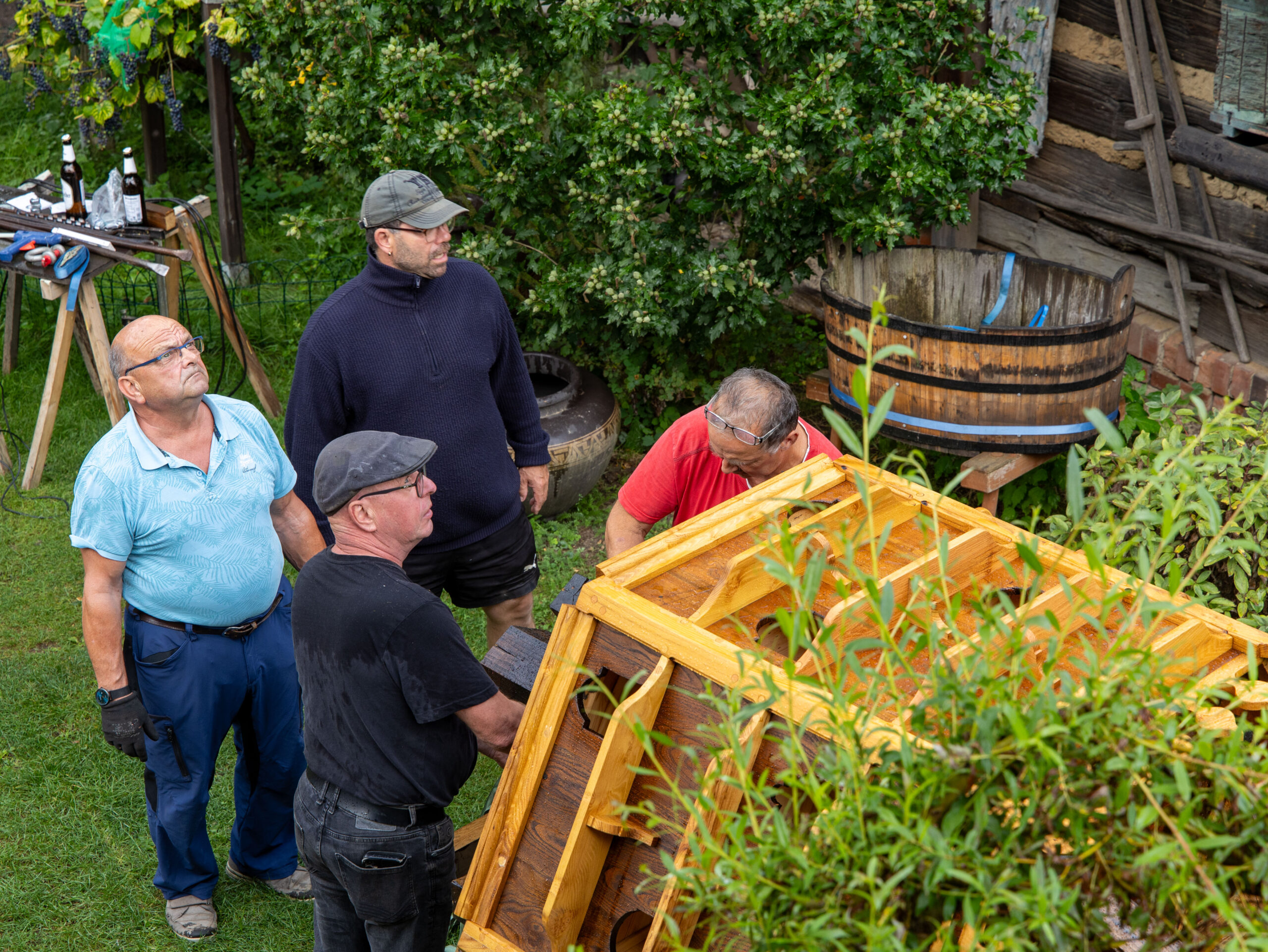
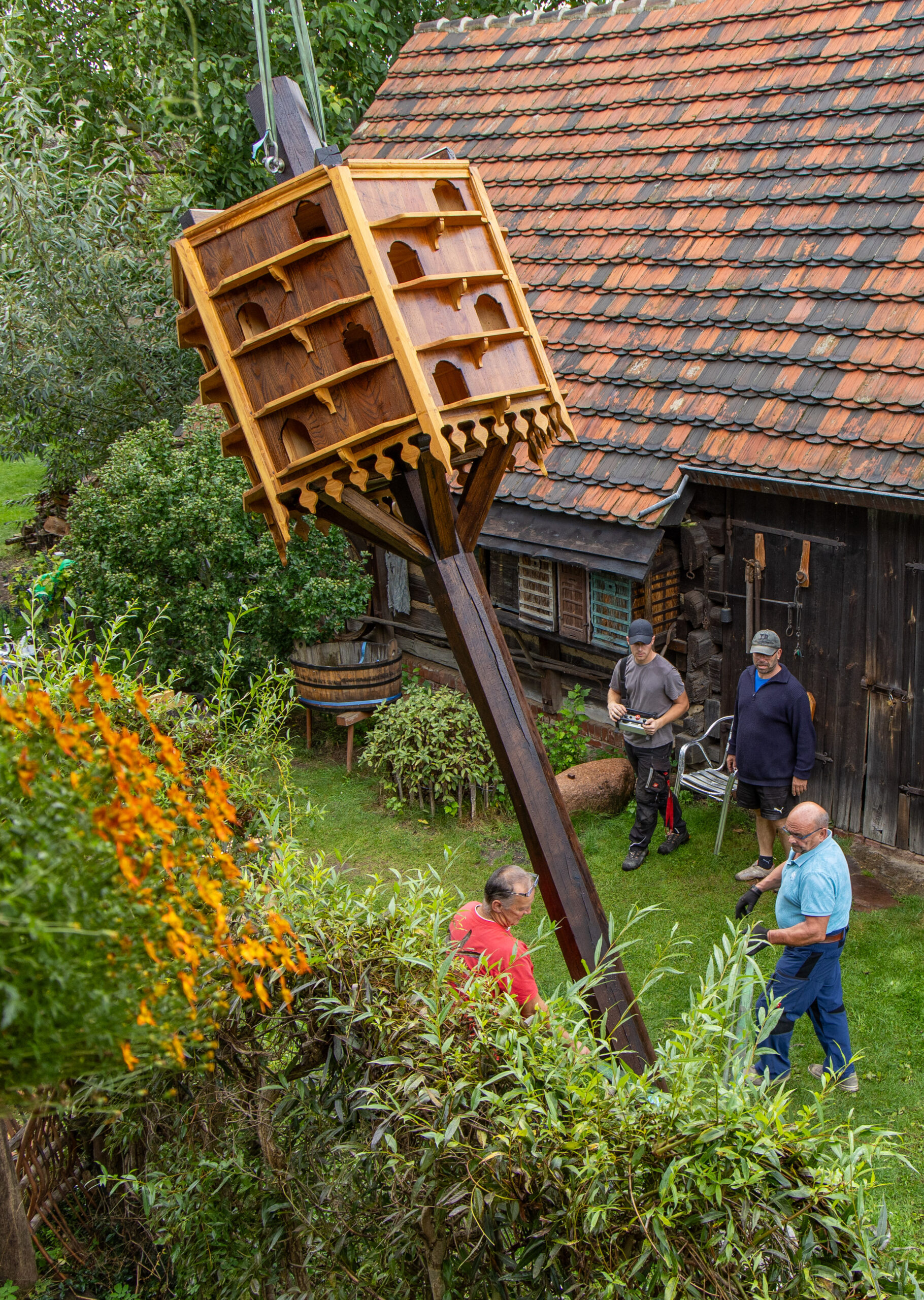
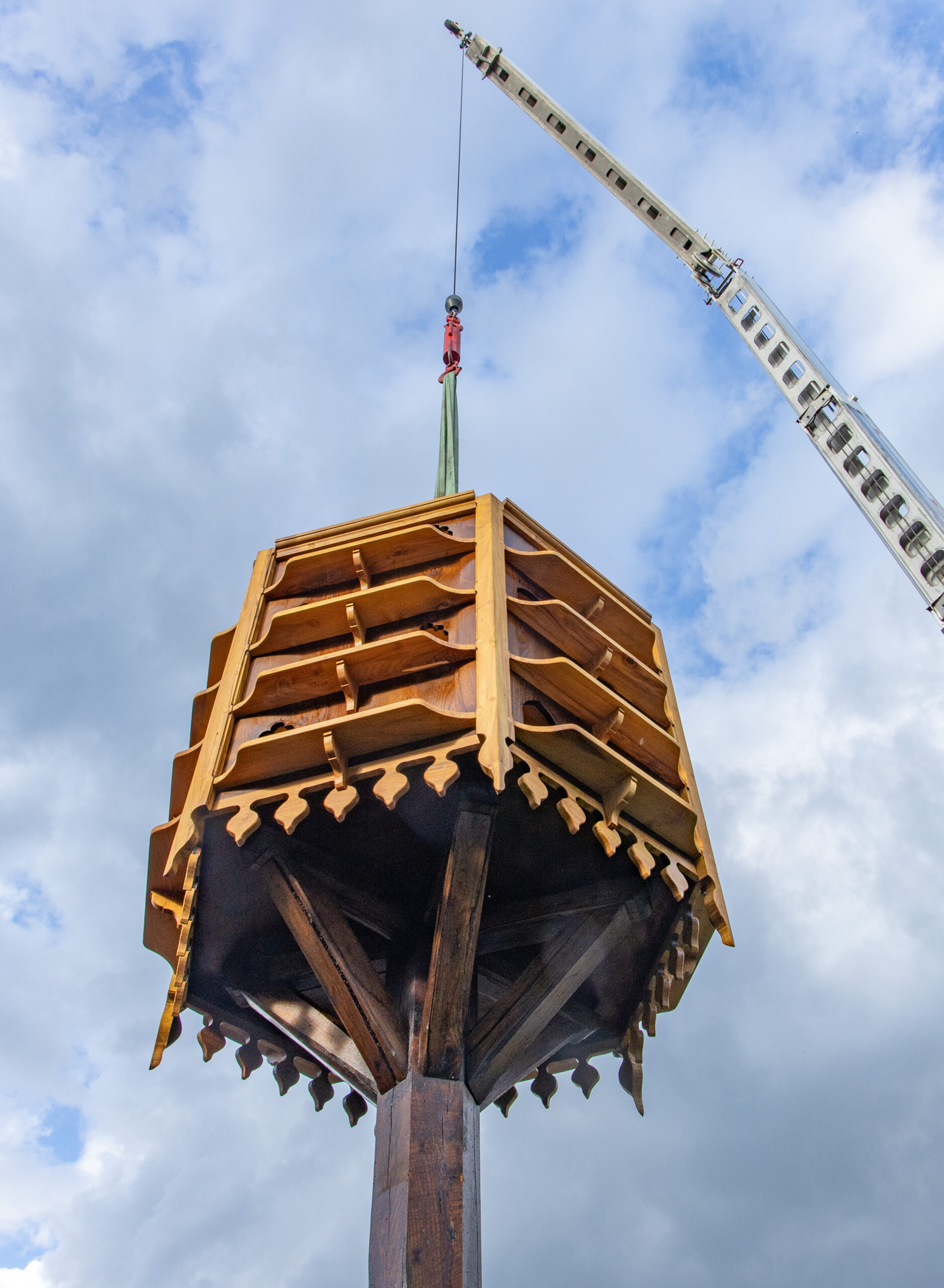
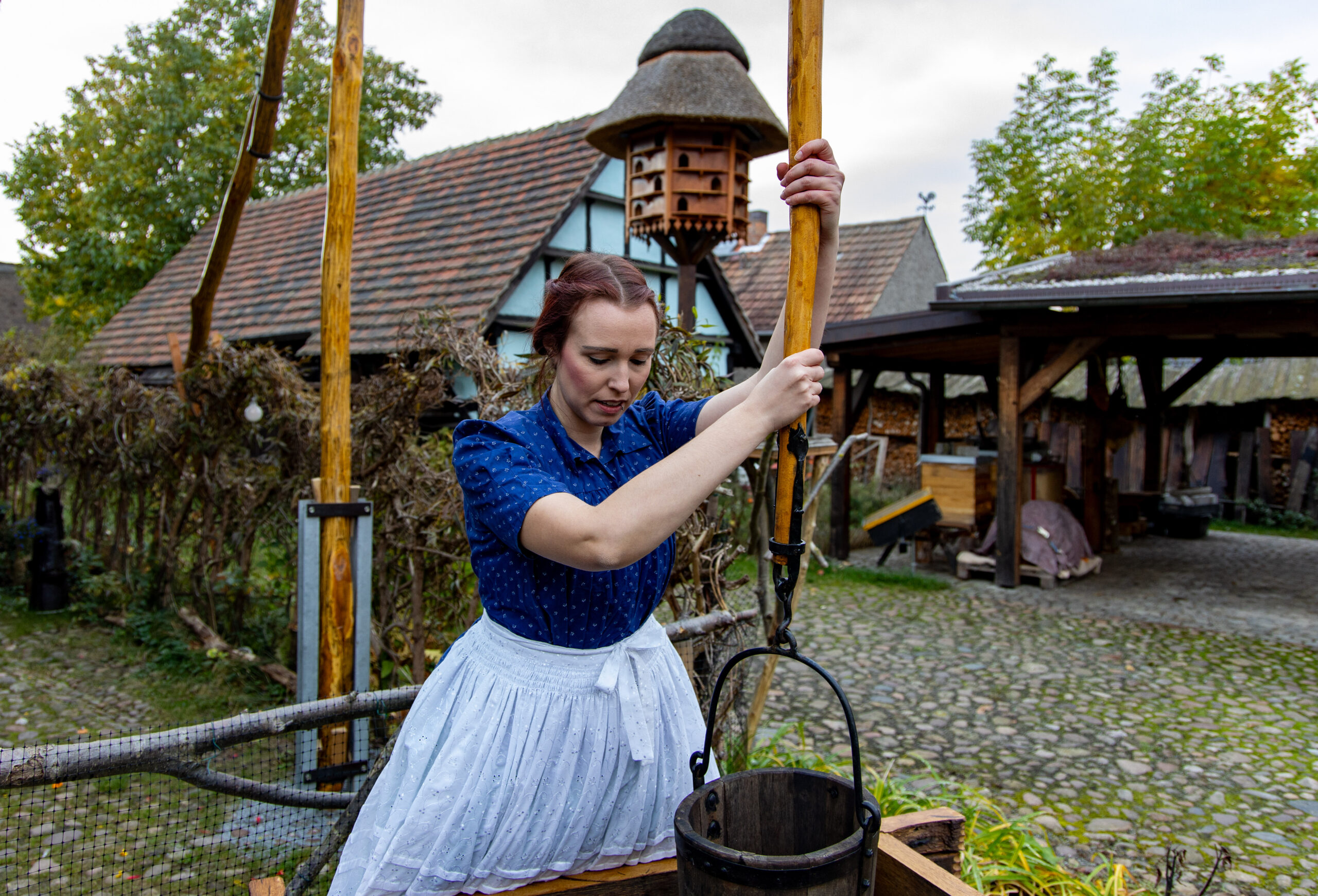
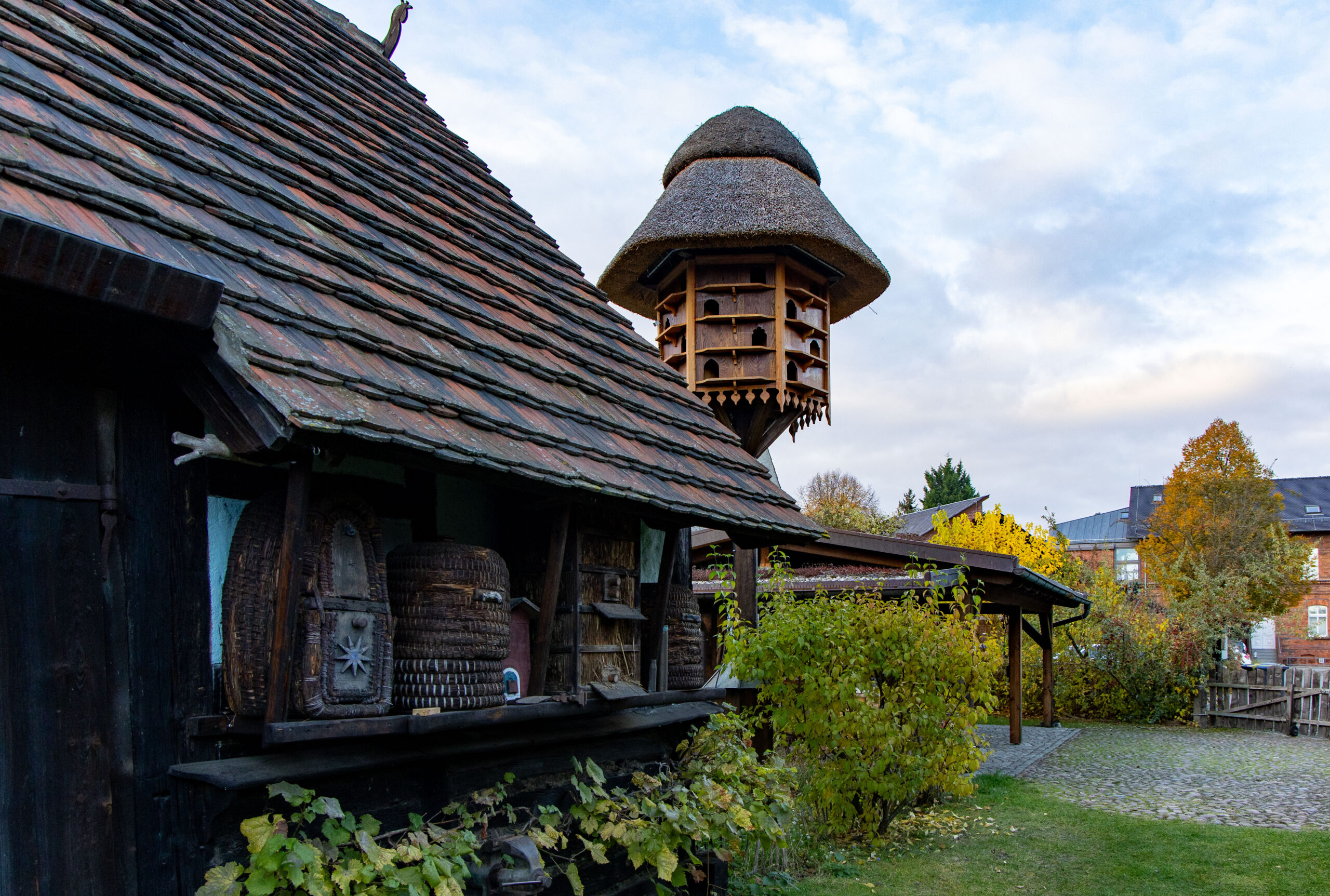
The last additions this year—which were once part of an old farmstead—were a dovecote and a draw well. The dovecote is “ready for occupancy,” but the Möberts want to leave it up to nature to decide who moves in. Jackdaws and bats have been permanent residents on the gable of the gallery house for years.
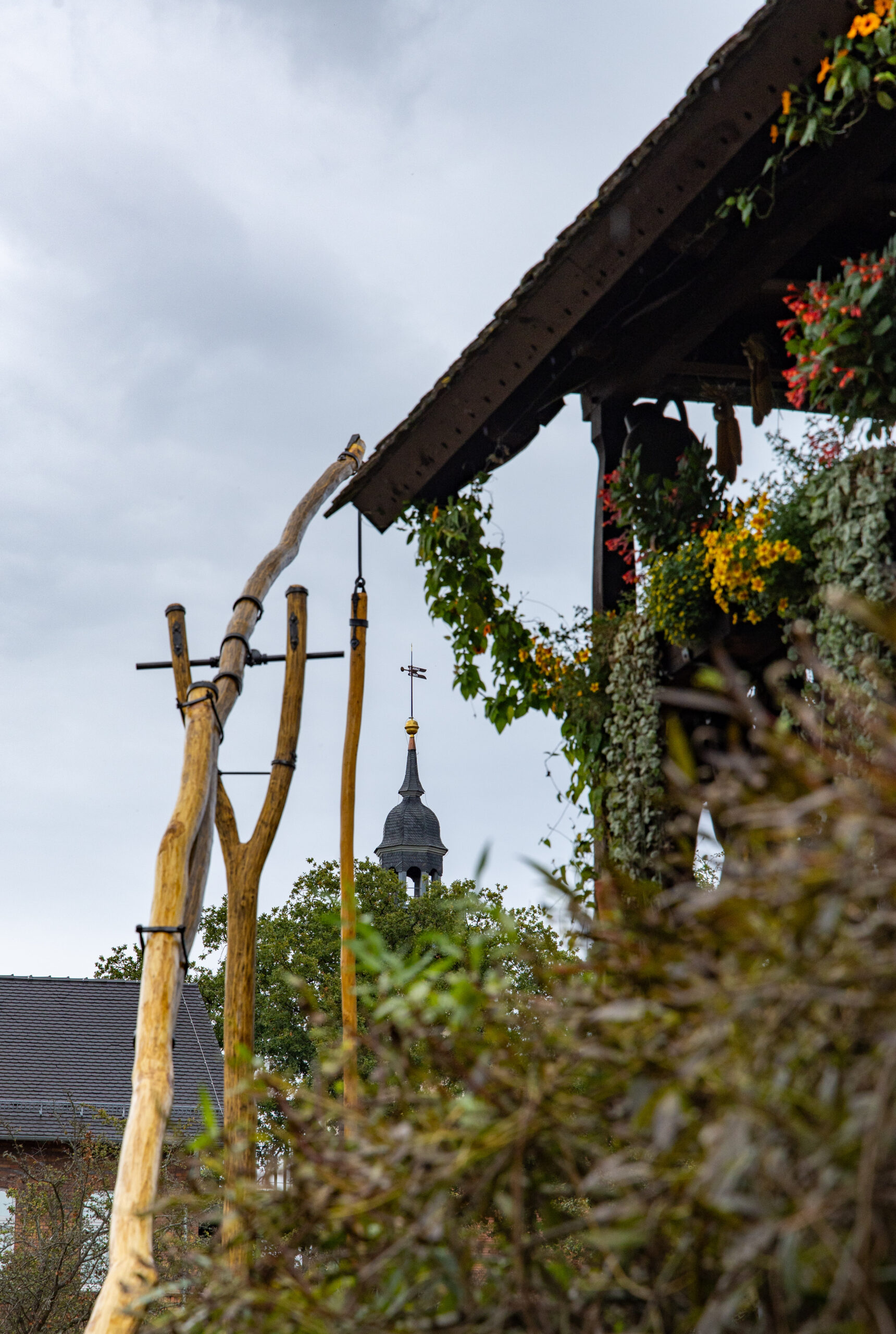
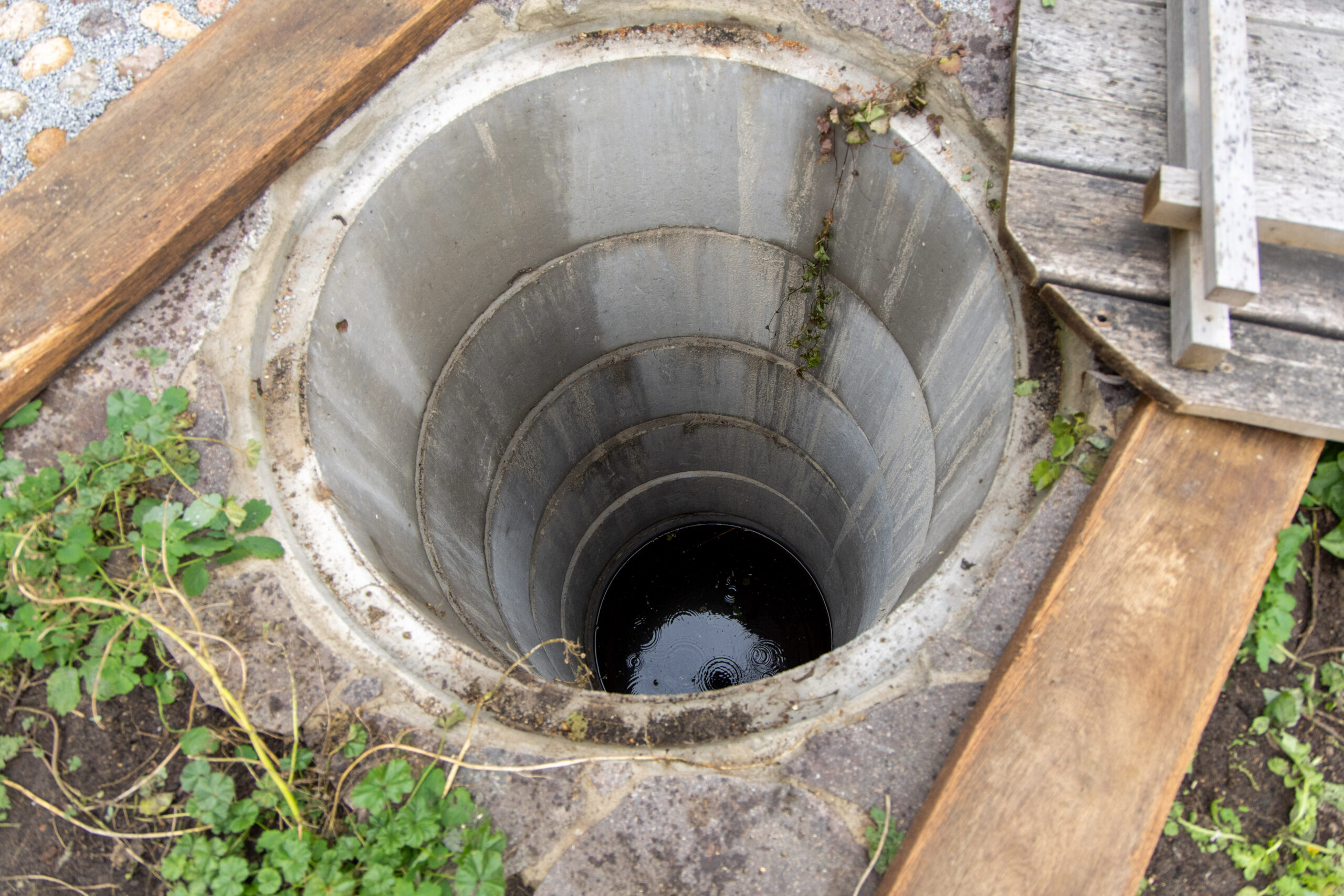
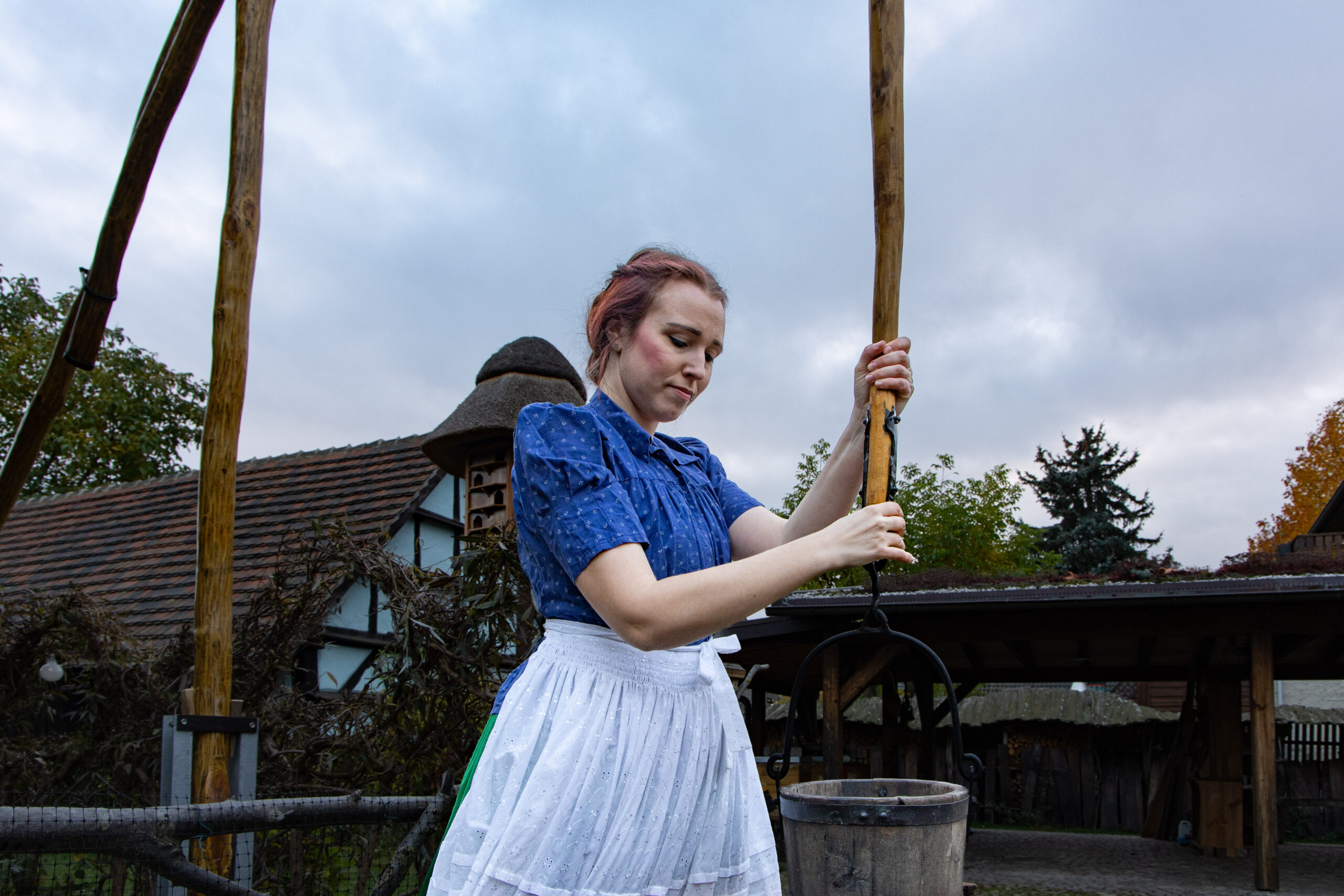
The latest addition is a draw well, which was completed just in time for the cold season. “We already have a swing-arm pump—a technological advancement in its day—but it’s highly susceptible to freezing. It certainly wasn’t easy back then to provide water for both animals and people when the pump was frozen,” says Jens Möbert. A hand-drawn well is much less susceptible to frost, but requires a bit more physical effort. Thanks to modern concrete rings, the new construction wasn’t quite as complicated, but the total depth of three and a half meters still came as a surprise to the well builder. He had expected a much higher groundwater level. The greater depth also requires a longer drawbeam, so the structure protrudes noticeably from the historic building complex.
“Fortunately, thanks to our central household water supply, neither of these pumps is actually necessary, but they could—though we hope it never comes to that—be a valuable help in the event of a prolonged water outage. To me, they’re simply part of an old farmstead,” says Möbert, who is also a beekeeper, because for him, bees have naturally always been part of an old farmstead. The only modern concession is the silk chickens that the Möberts keep—naturally, in an old chicken coop, though equipped with electronic “predator protection.” “We’re very fond of animals—and that’s exactly why we don’t want to leave our egg-layers at the mercy of foxes, raccoons, and the like,” says Jens Möbert.
He isn’t giving any hints (yet) about what he plans to do with the old beams and planks stored in the yard …
Peter Becker, November 7, 26

