
“Summer visitors, choose Alt Zauche!”
Alt Zaucher Chronicle to be published in March 2026
On 300 pages, with over 450 old and new photos, the Spreewald village of Alt Zauche is presented in its origins and history. The team of authors Heinrich Kaak, Thomas Mietk (editor), Alfred Roggan, Ute Henschel and Peter Becker have produced this comprehensive work with the great support of the Alt Zaucher Traditionsverein e.V. in almost two years of research.
The book premiere is scheduled for 27.03. in Alt Zauche, Landhaus Brodack (to be specified …) The chronicle will be published by Bebra-Verlag Berlin. He had already edited the Radensdorf Chronicle and “More than a traditional costume”.
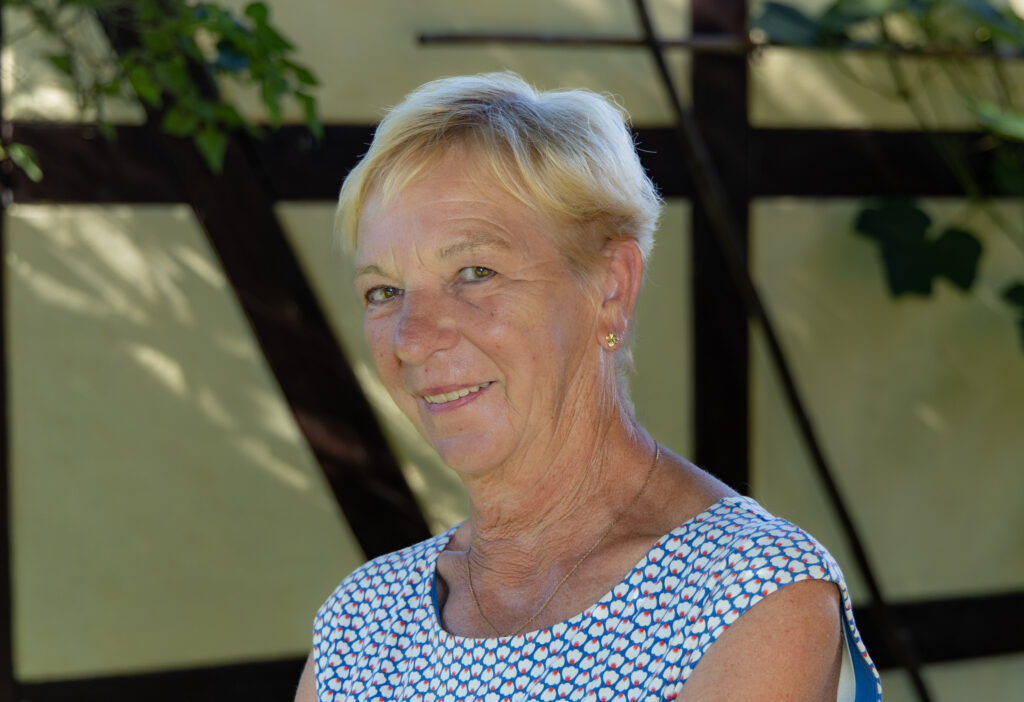
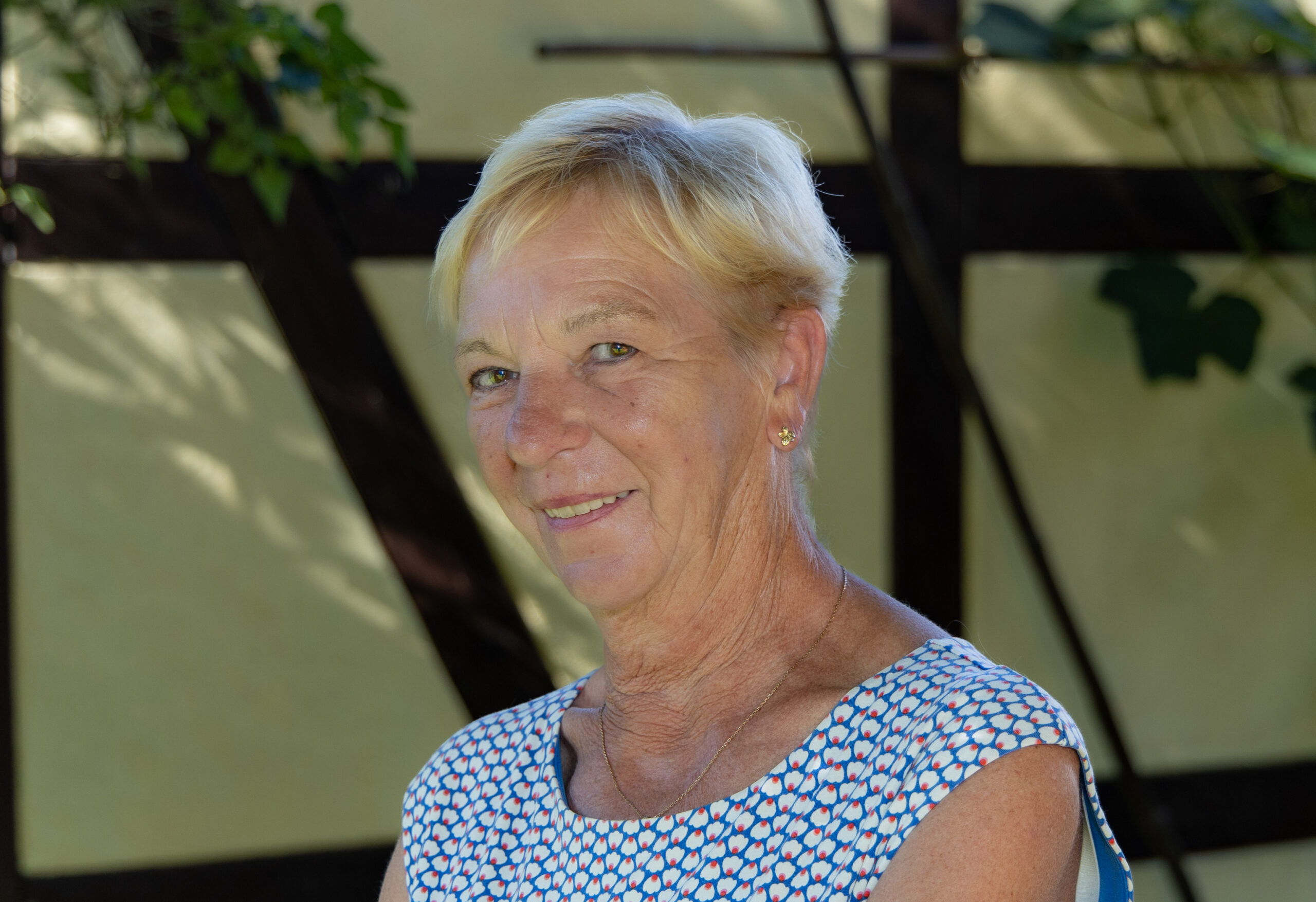
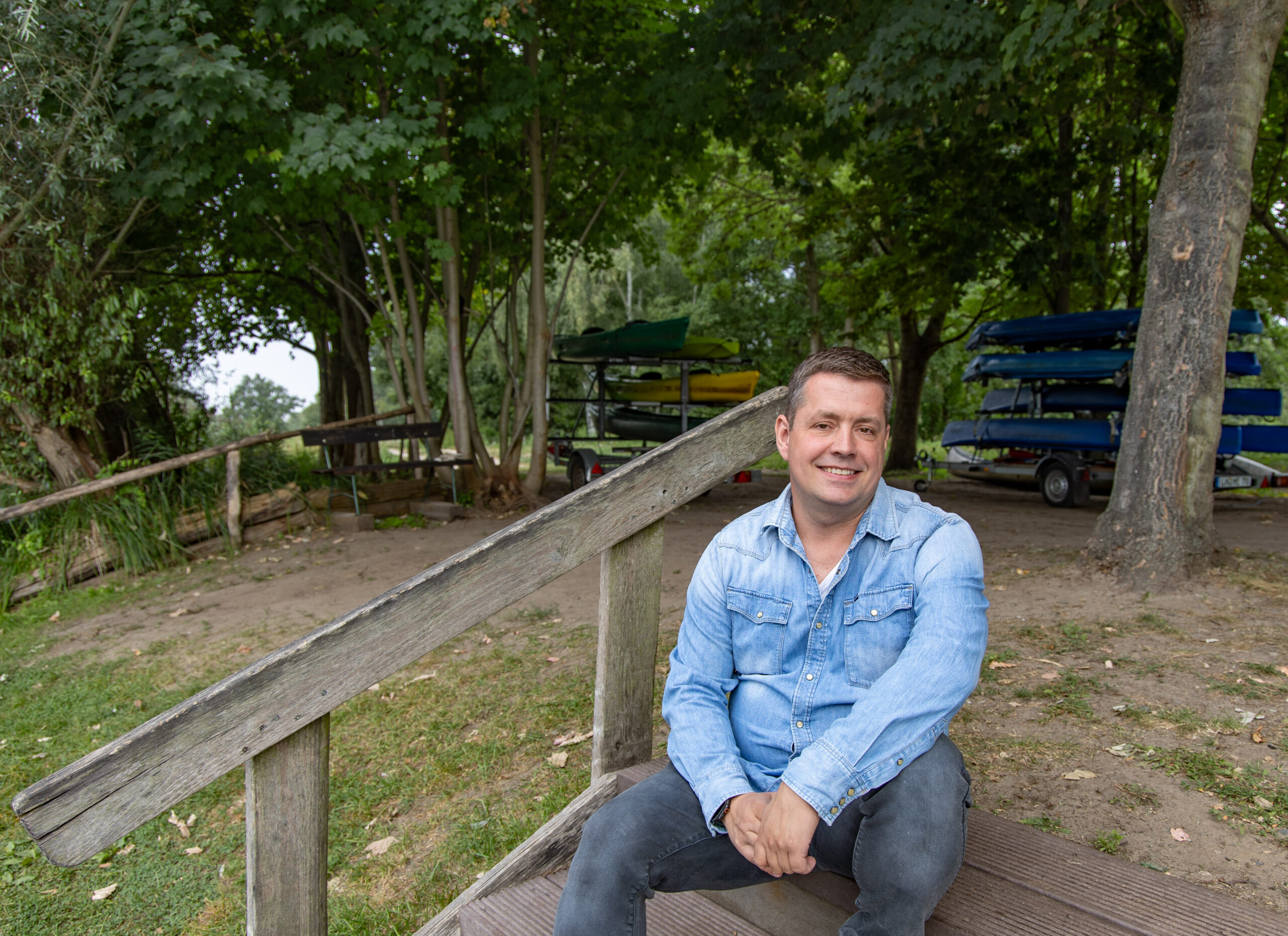
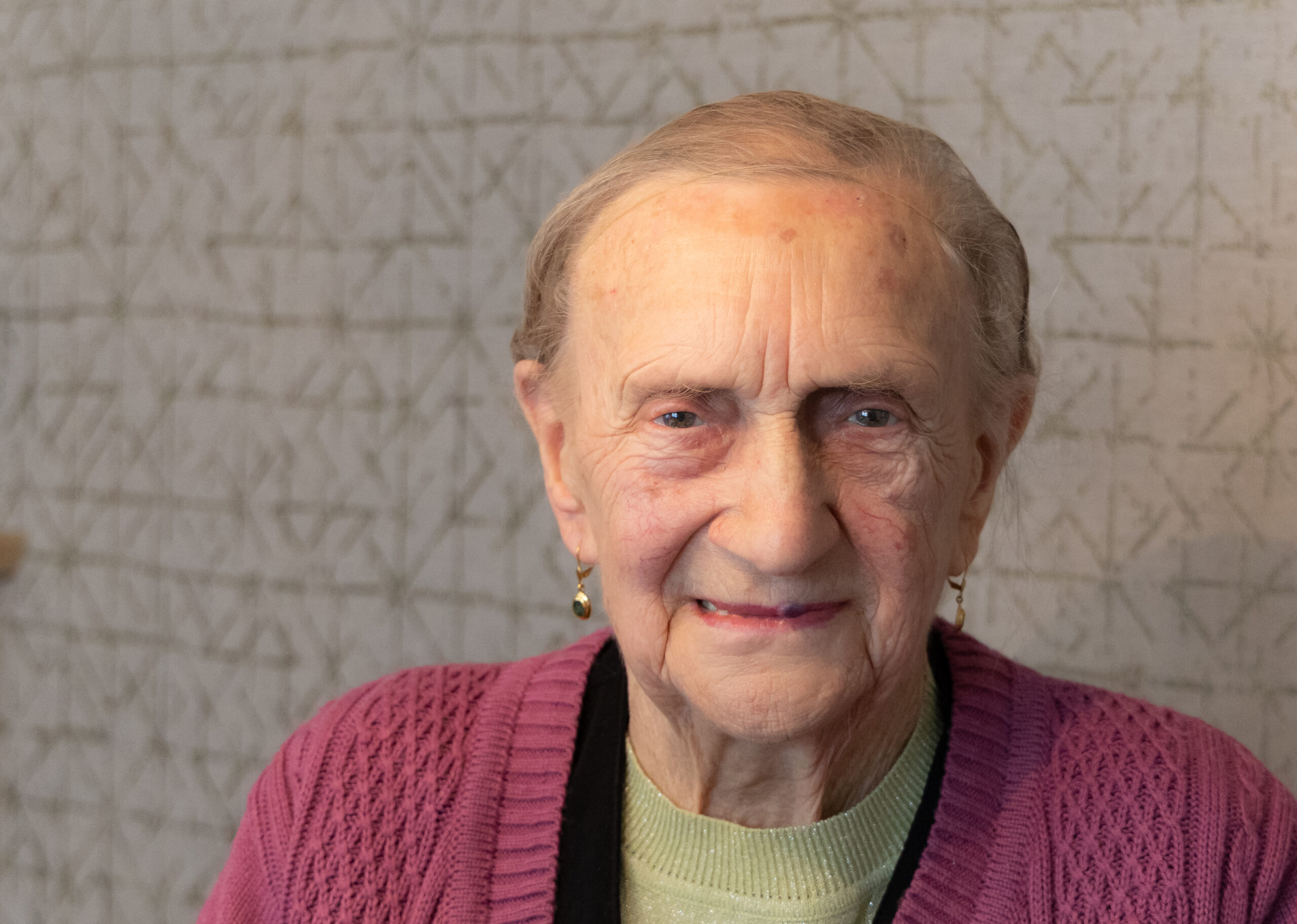
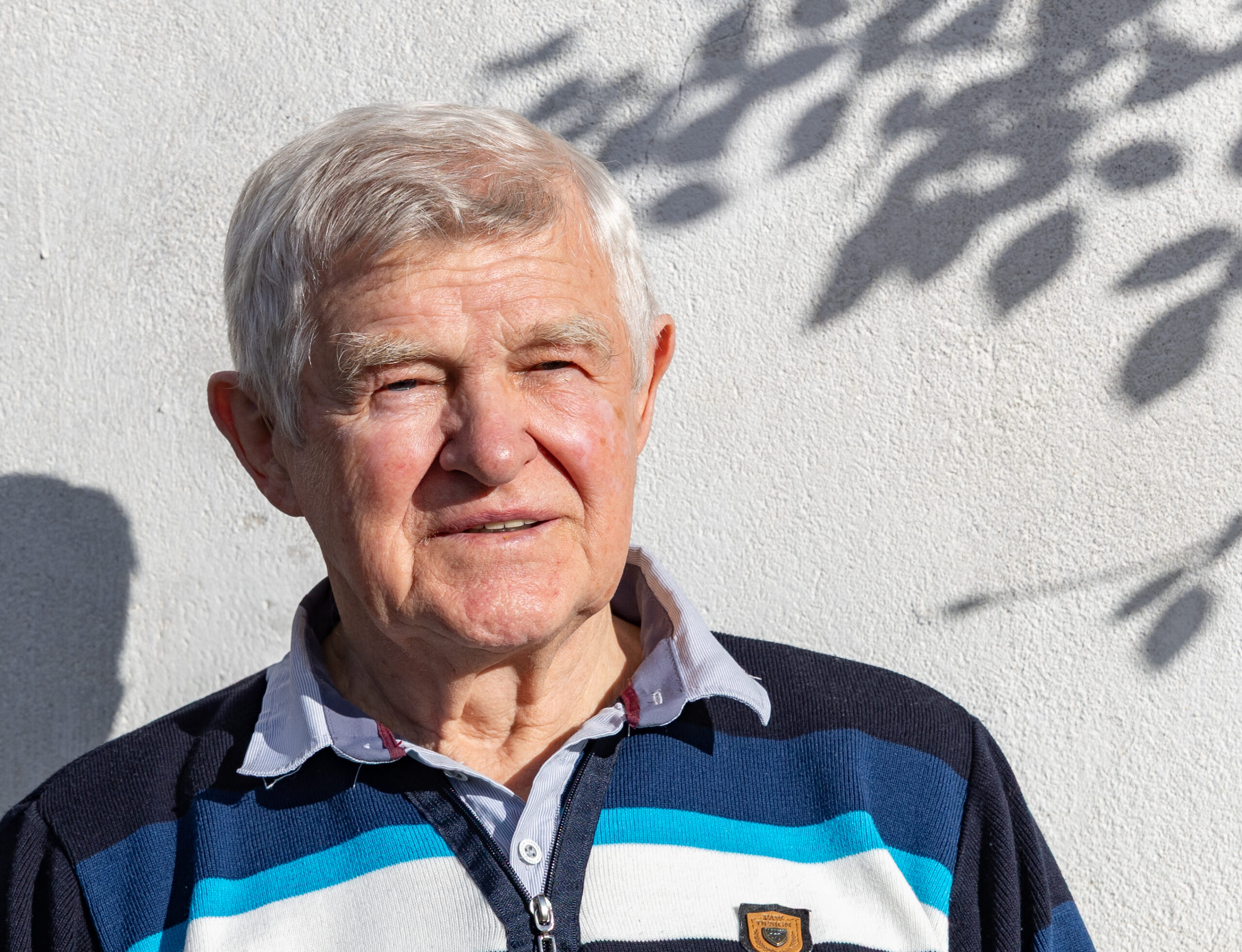
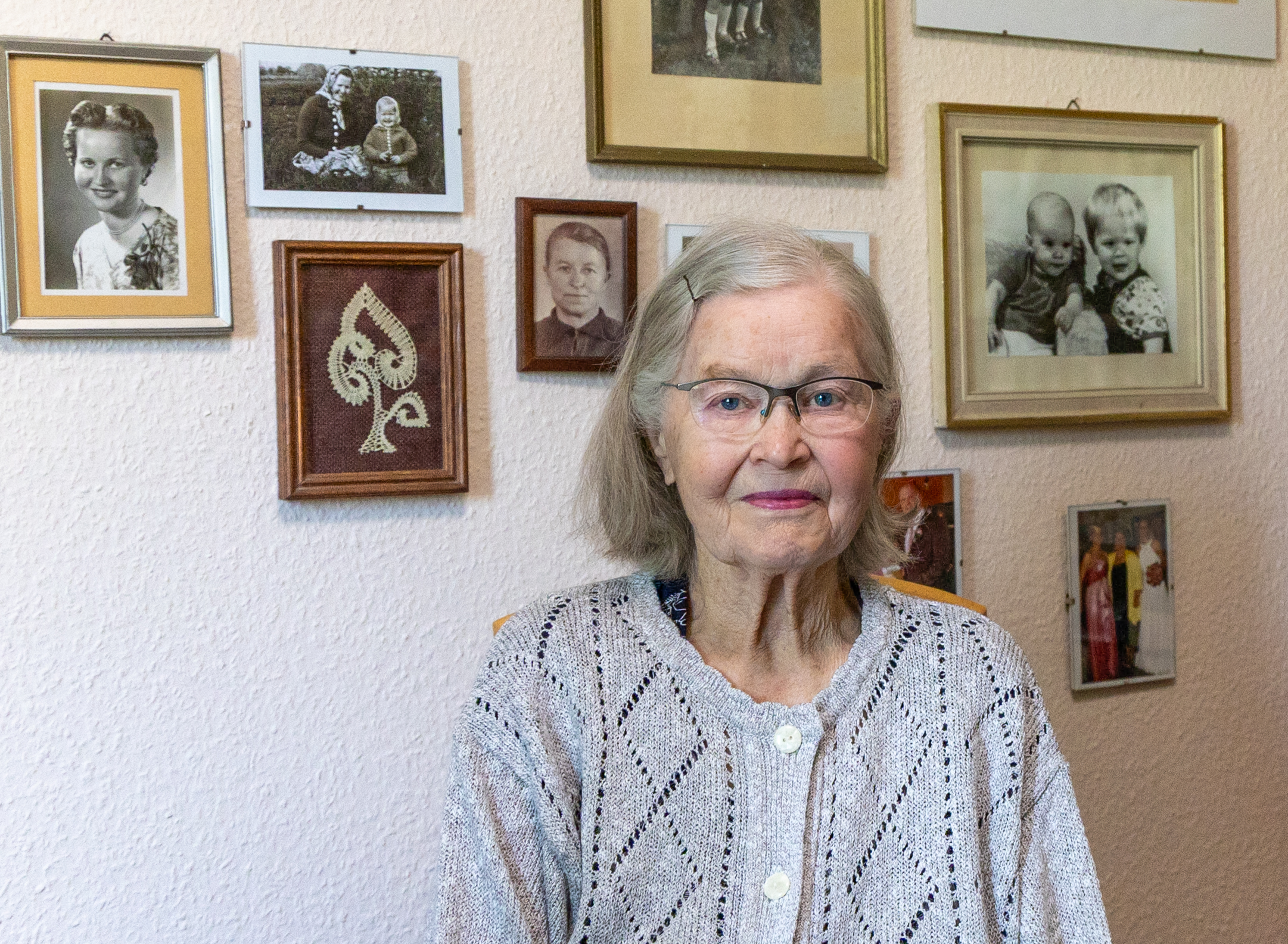
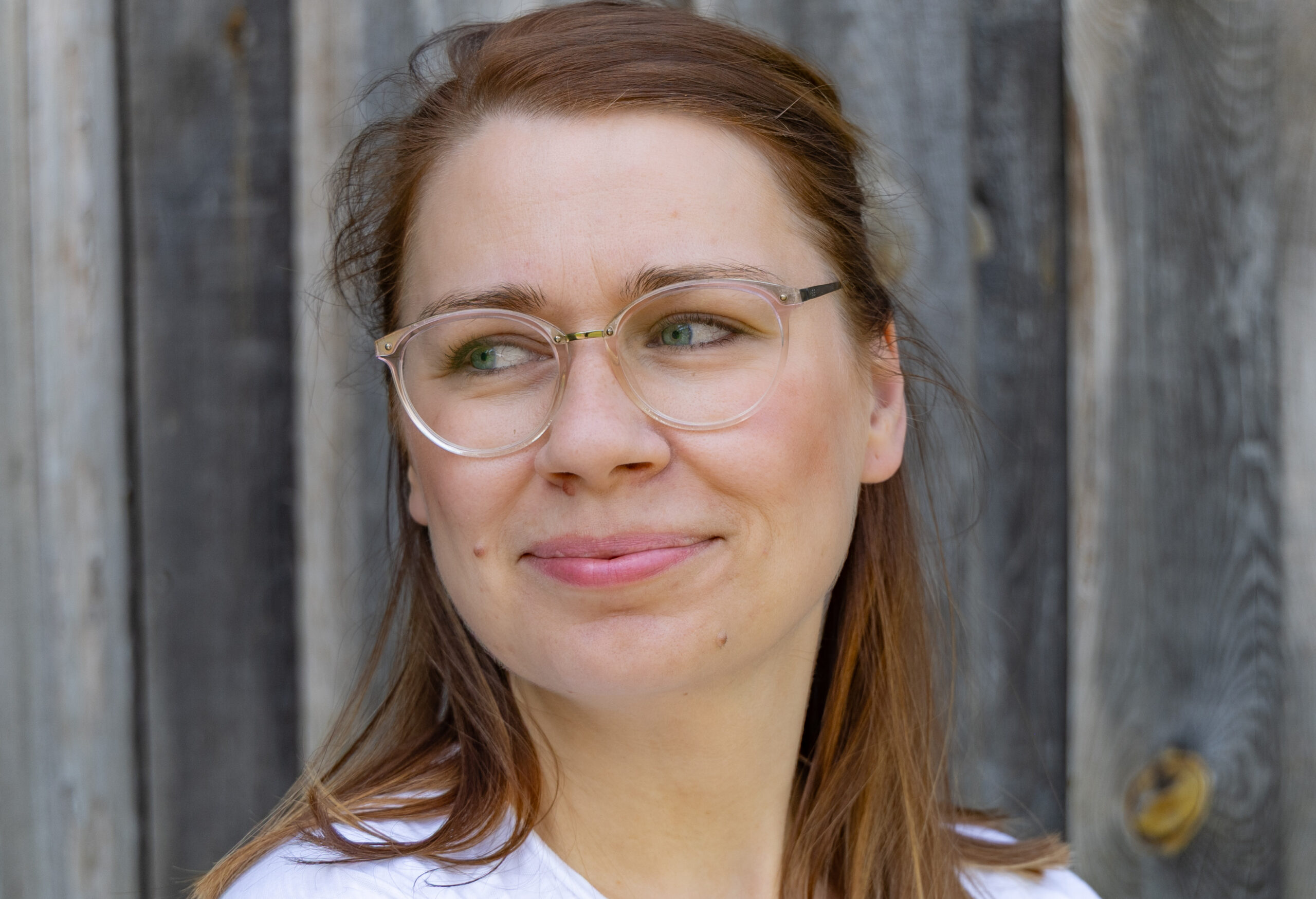
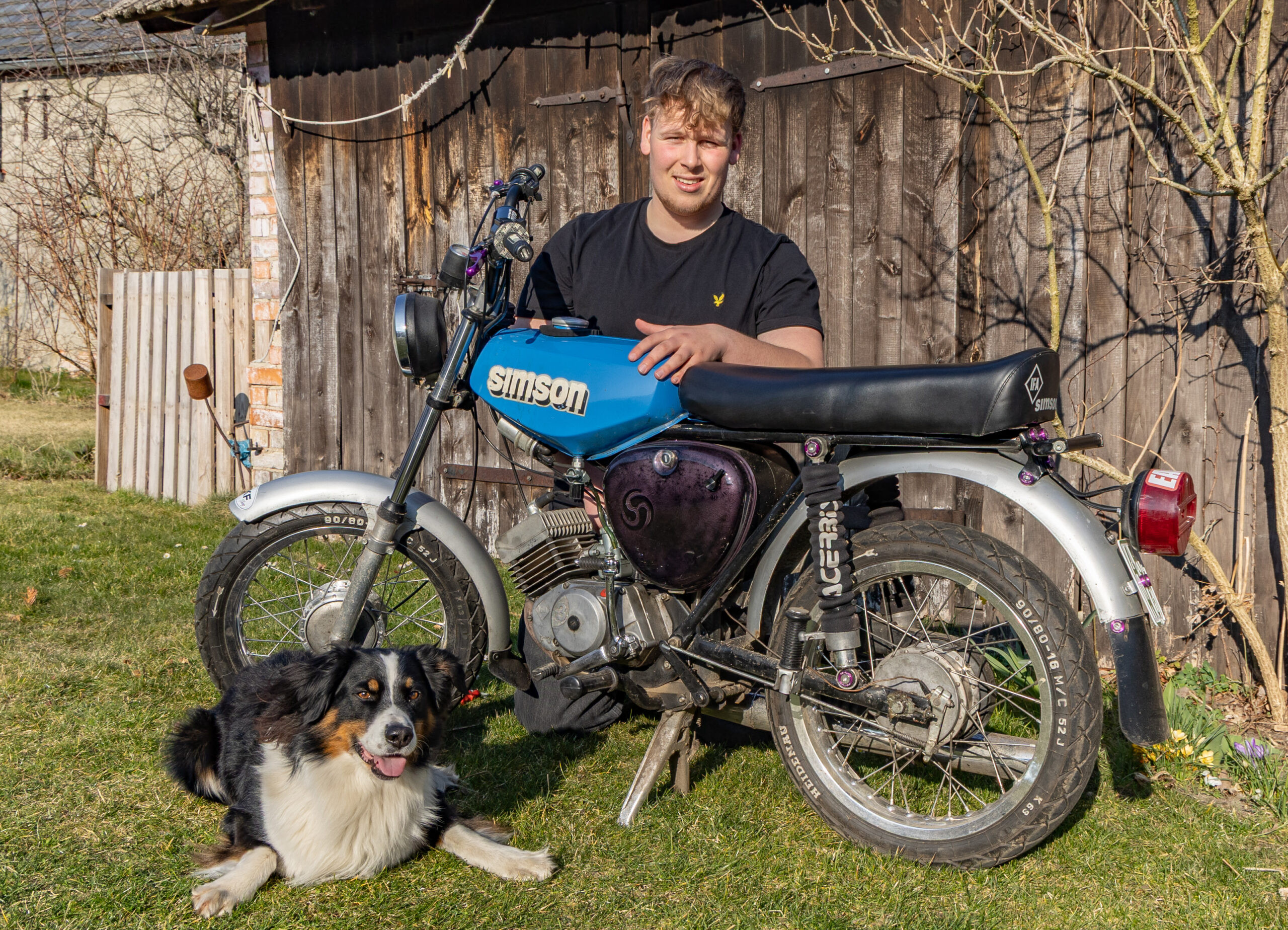
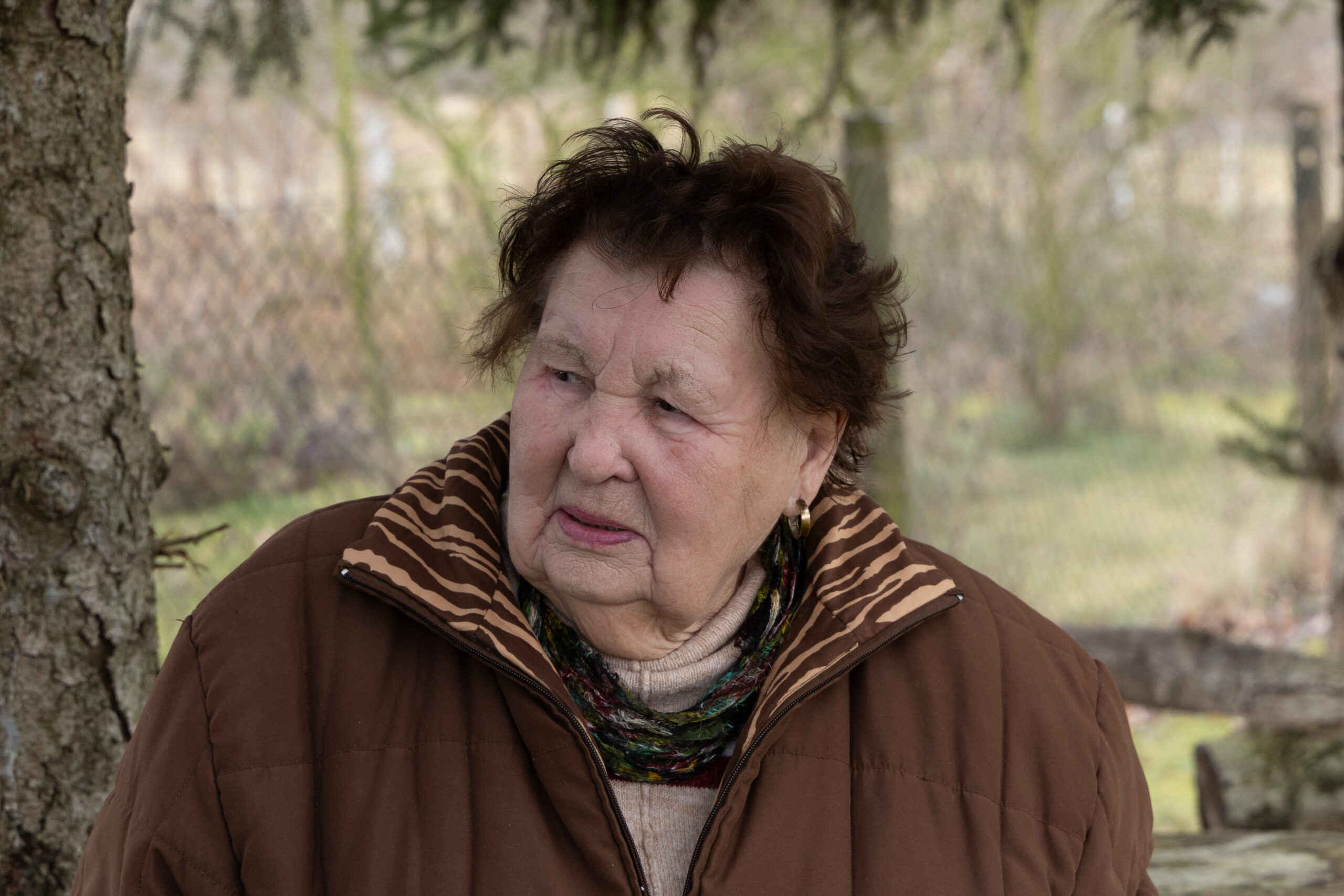
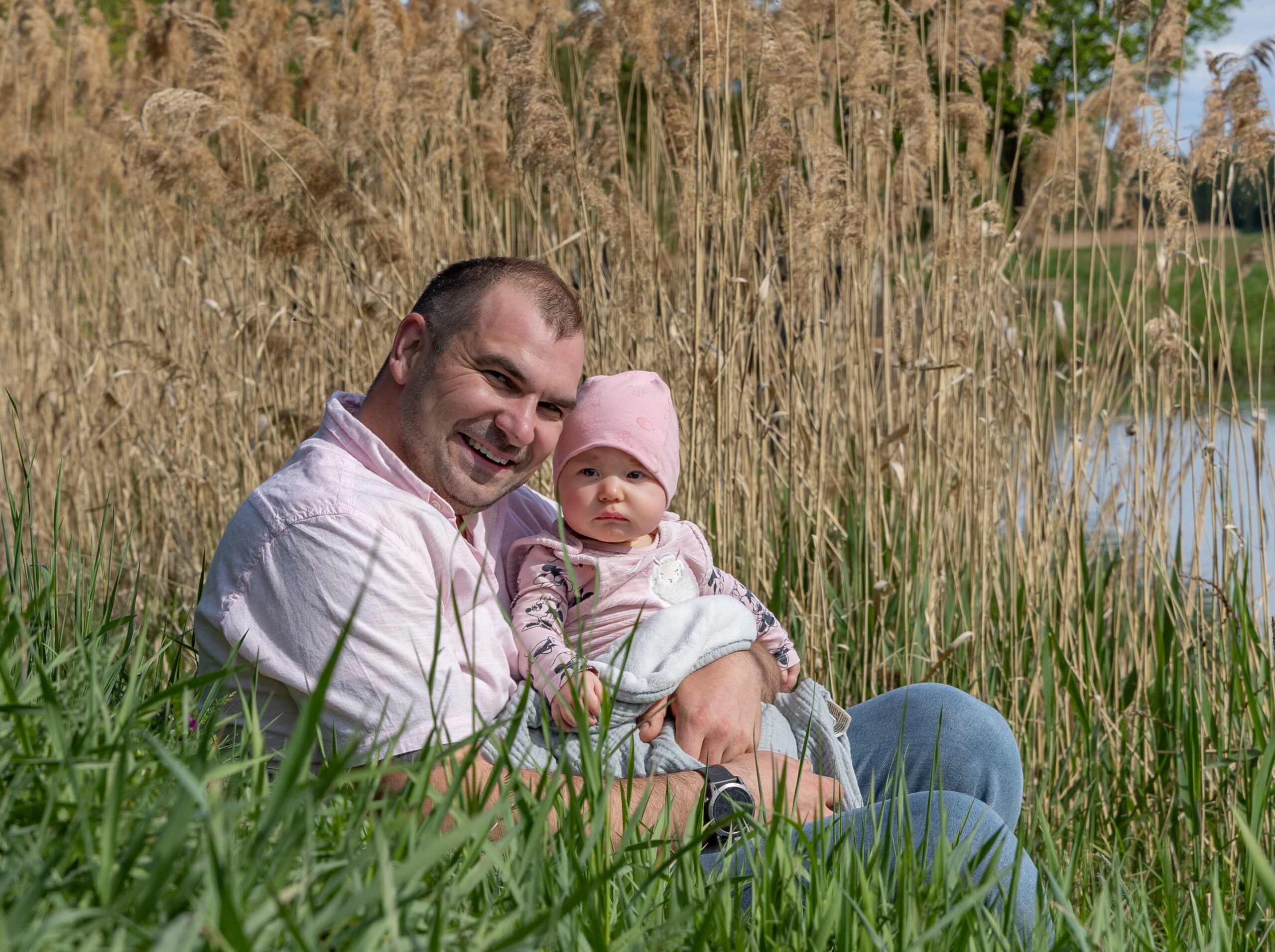
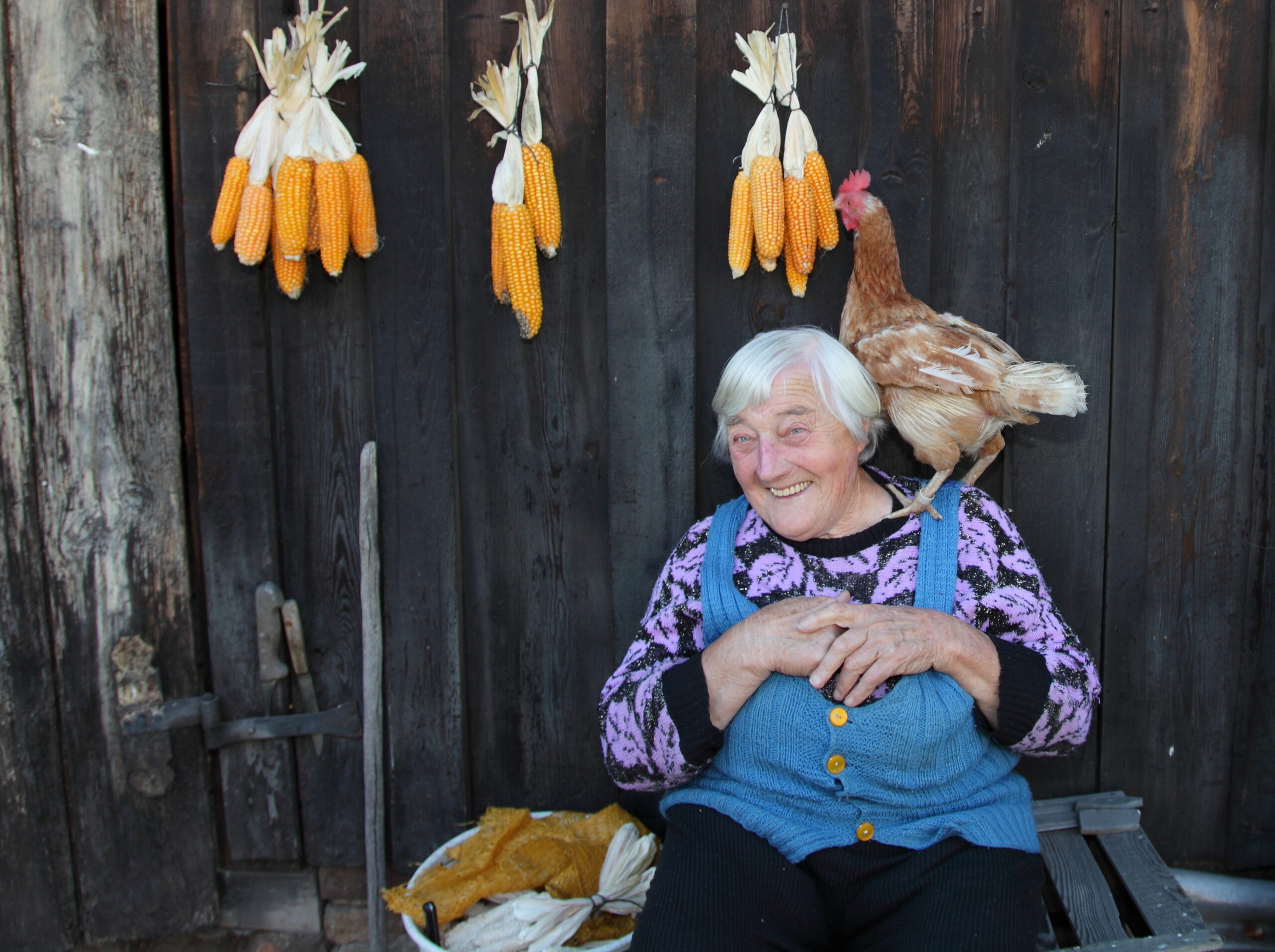
These ten Alt Zaucher women and men of all ages have their say in the chronicle, recounting their childhood and youth and talking about village cohesion in difficult times, mutual support and the cultivation of traditions:
What the reader can expect – a first look at the chronicle:
The Spreewald village of Alt Zauche, like all villages, has a history of lived life, with ups and downs, happiness and misfortune, human suffering and a life full of pride. Only at second glance do the special features that make up Alt Zauche become clear: A place that was once dominated by agriculture developed into a flourishing tourist resort over a hundred years ago. In August 1928, the Lübbener Kreisblatt praised Alt Zauche for its ability to “entertain its spa guests like no other place in the Spreewald”.
It has always been the people who have made their place of residence what it is today. The Alt Zaucher, especially the very active traditional association, thought it was time to finally compile and publish the numerous stories, events and sometimes only fragmentary facts about the village’s history. They found Thomas Mietk from the Luckau district archive open to their concerns, and he was able to retrieve some forgotten items from the old files. A very comprehensive village chronicle was created after almost two years of research, supplemented by archive finds, partly from material available in families and clubs – and from conversations with residents. The older ones in particular could still remember a time that had almost been forgotten: Klara Puschisch once recalled her childhood work in the oven: “Only we delicate children could fit through the narrow door!” Waltraud Hempel remembers the misery of the refugee treks in the winter of 1945: “I will never forget that the horses had icicles on their nostrils and eyes – you don’t want to see or even experience something like that again!” recalls the then nine-year-old. At the end of the war, most of the Alt Zauchers lived in the “Pusch” to be overrun by the front. What they found on their farms when they returned is still etched in their memories today. “The Russians and then the LPG were terrible,” remembers Charlotte Kilka, for example.
Village festivals determined the rhythm of the year, many an Alt Zaucher “peculiarity” was brought to light and recalled. Hempel’s drunken cows, for example, are just one of many events that are still present in the collective village memory.
Wearing traditional costume was a natural part of village life: Ethnologist Ute Henschel has researched the subject and contributed a corresponding chapter to the chronicle. Alfred Roggan, a specialist in the architectural history of the Spreewald, has devoted himself to the development of the village and brought out many an Alt Zaucher detail. The aforementioned archivist and editor Thomas Mietk has devoted a comprehensive section to recent history and brought long-forgotten facts back to light. In 1895, the Alt Zauch children were certified by the government: “The reading ability, grammar, spelling, arithmetic, history and geography are completely inadequate, only in singing were the performances of the Alt Zauch pupils tolerable”.
Many details make the chronicle worth reading; many family names have survived over the centuries to the present day. Many a historical fact will trigger memories when reading the chronicle and shed light on or even add to some things.
Peter Becker, 03.01.26

