
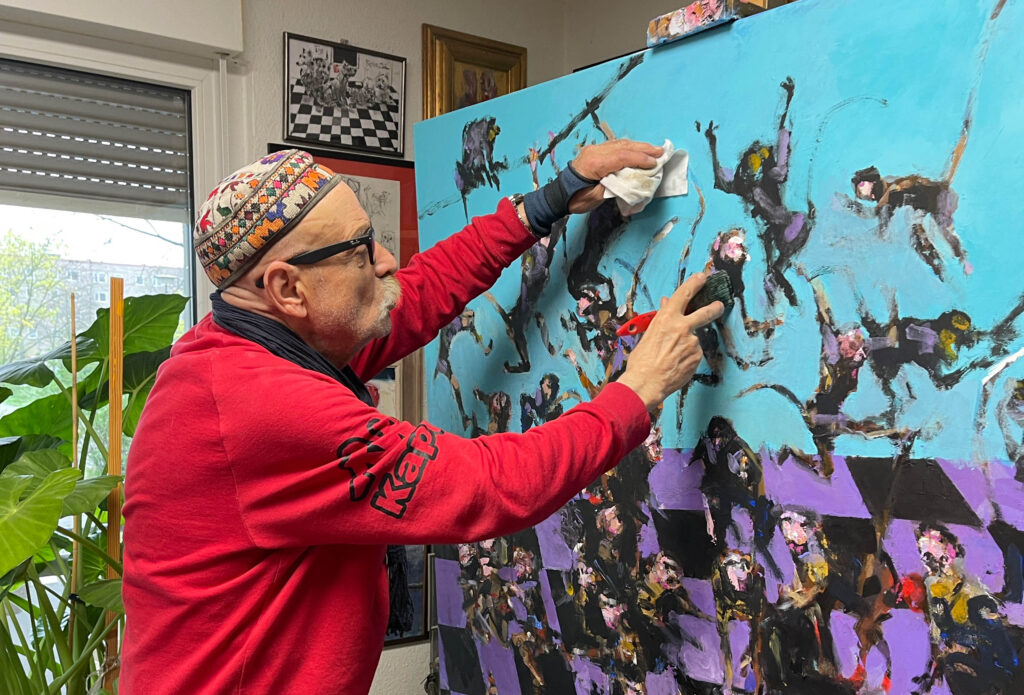
Günther Rechn – a Cottbus artist with a down-to-earth attitude and stature is no longer alive
Günter Rechn died on January 3, 2026 as a result of a traffic accident. His death leaves a huge gap in the Lusatian art scene.
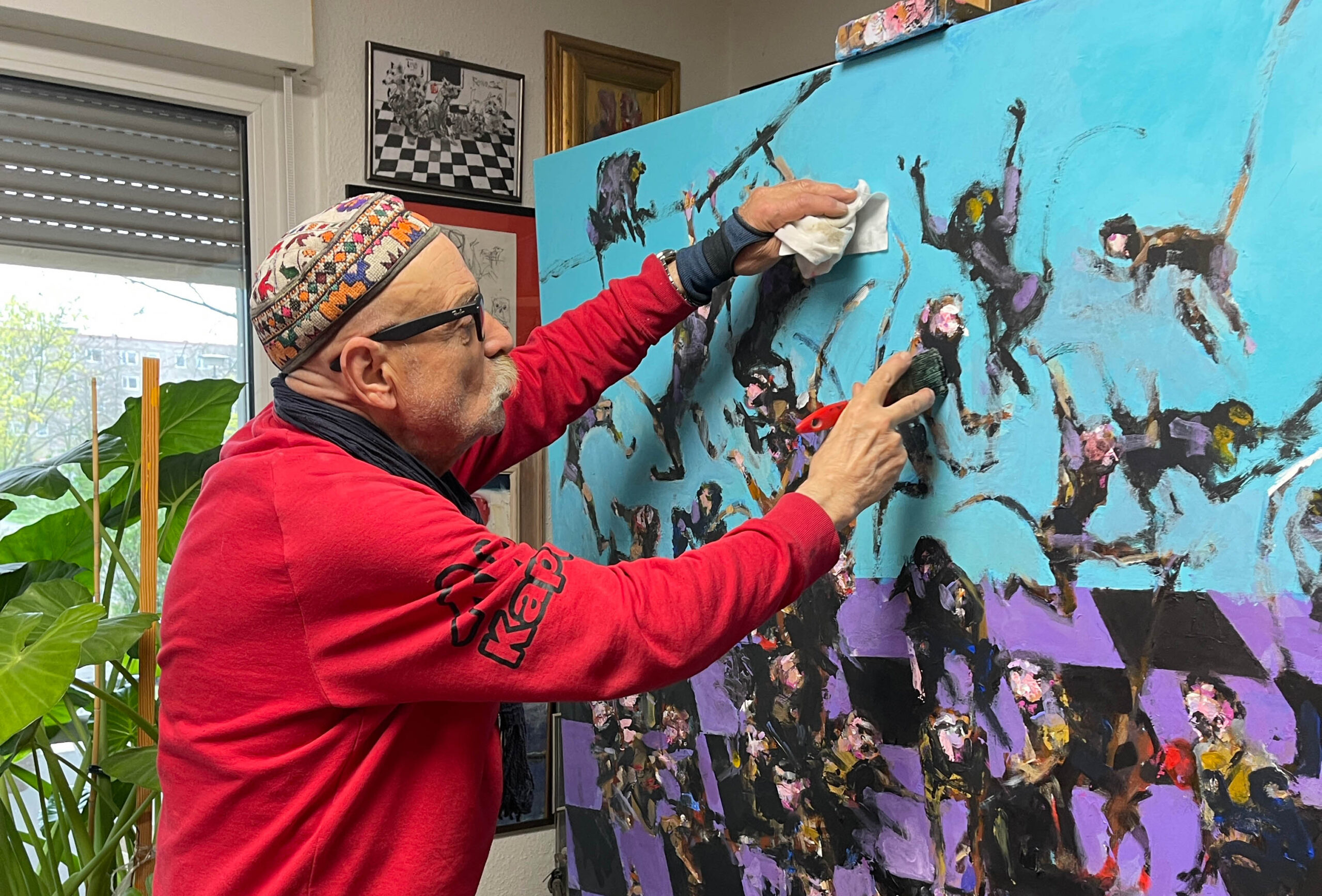
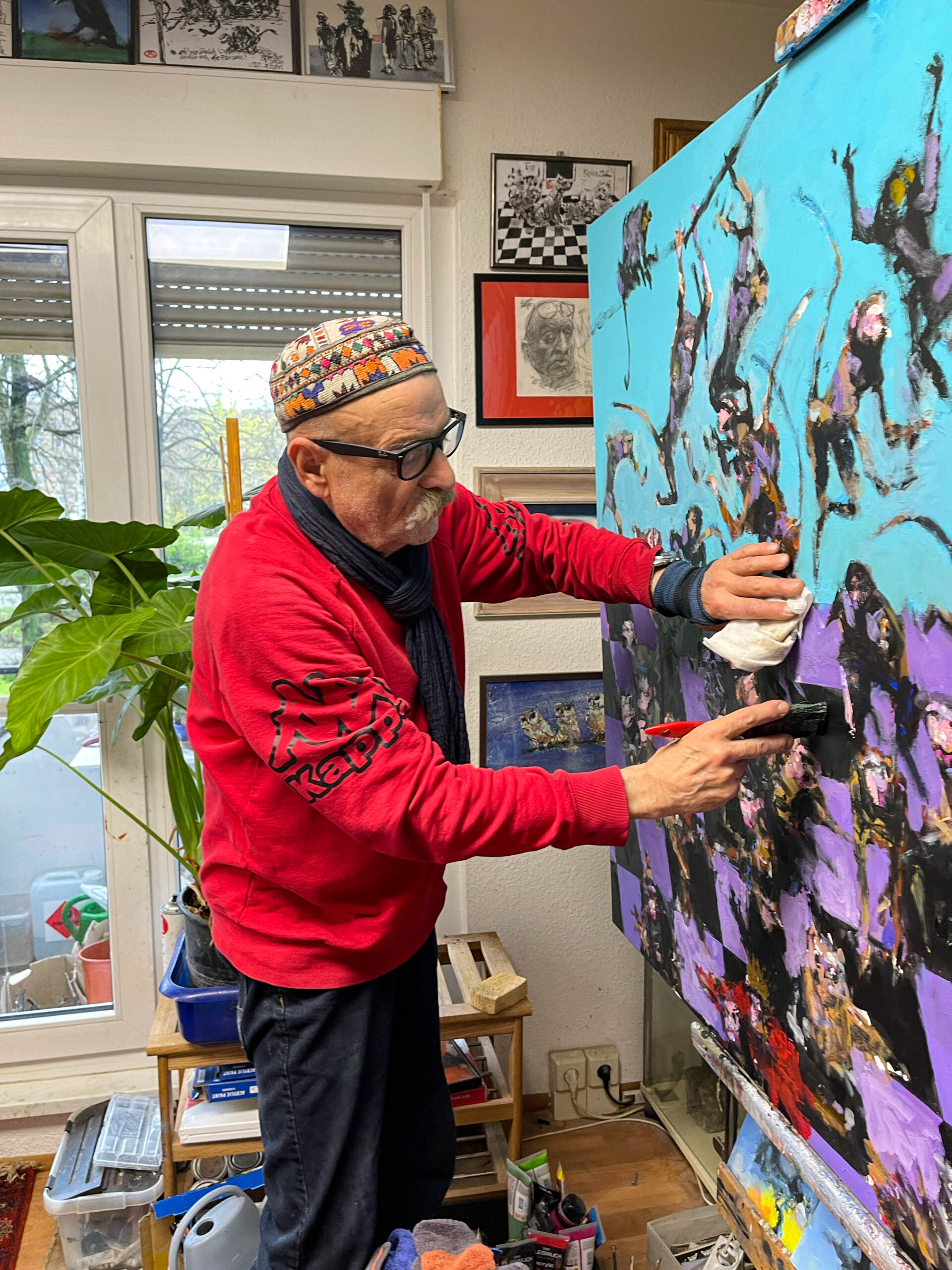
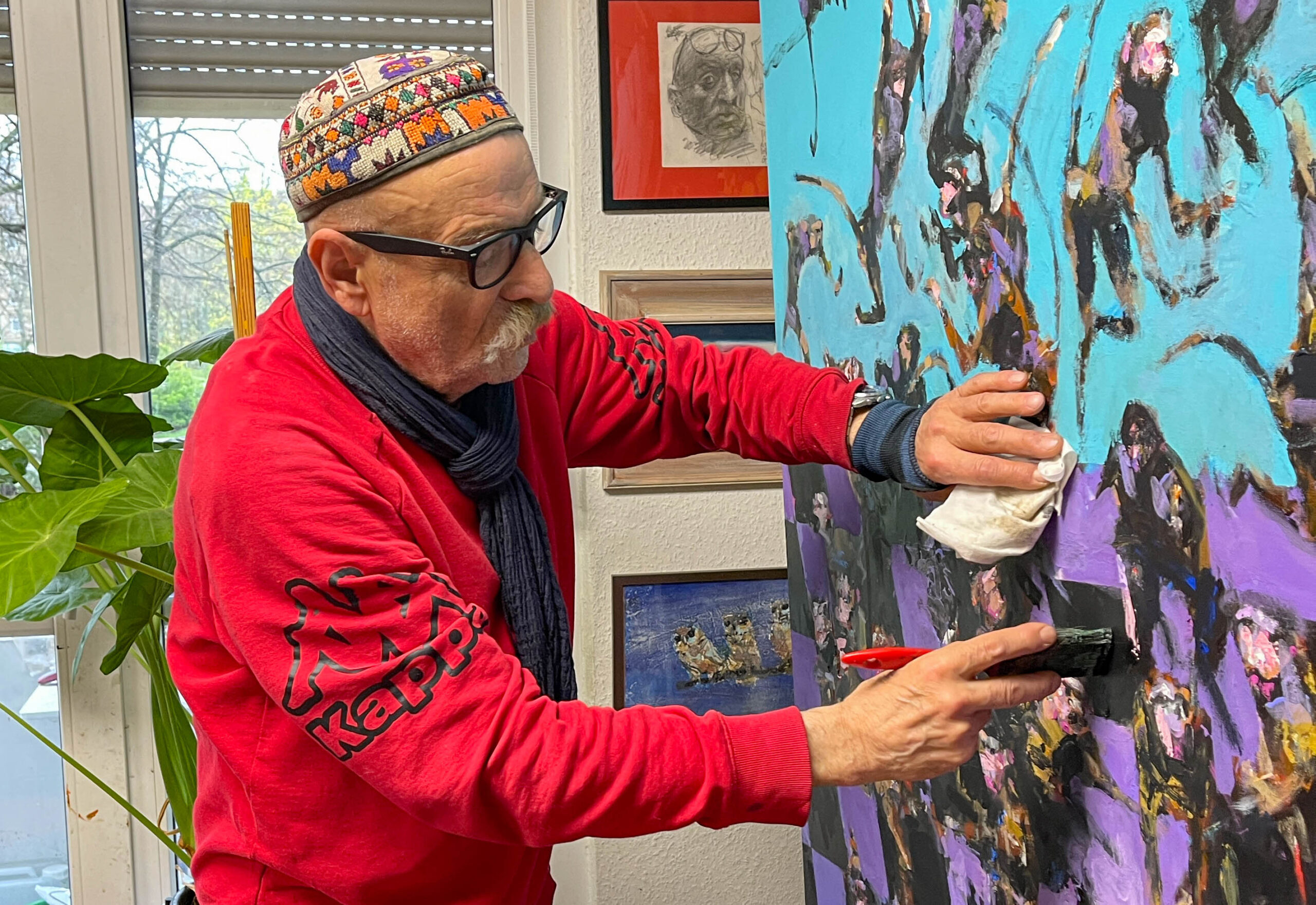
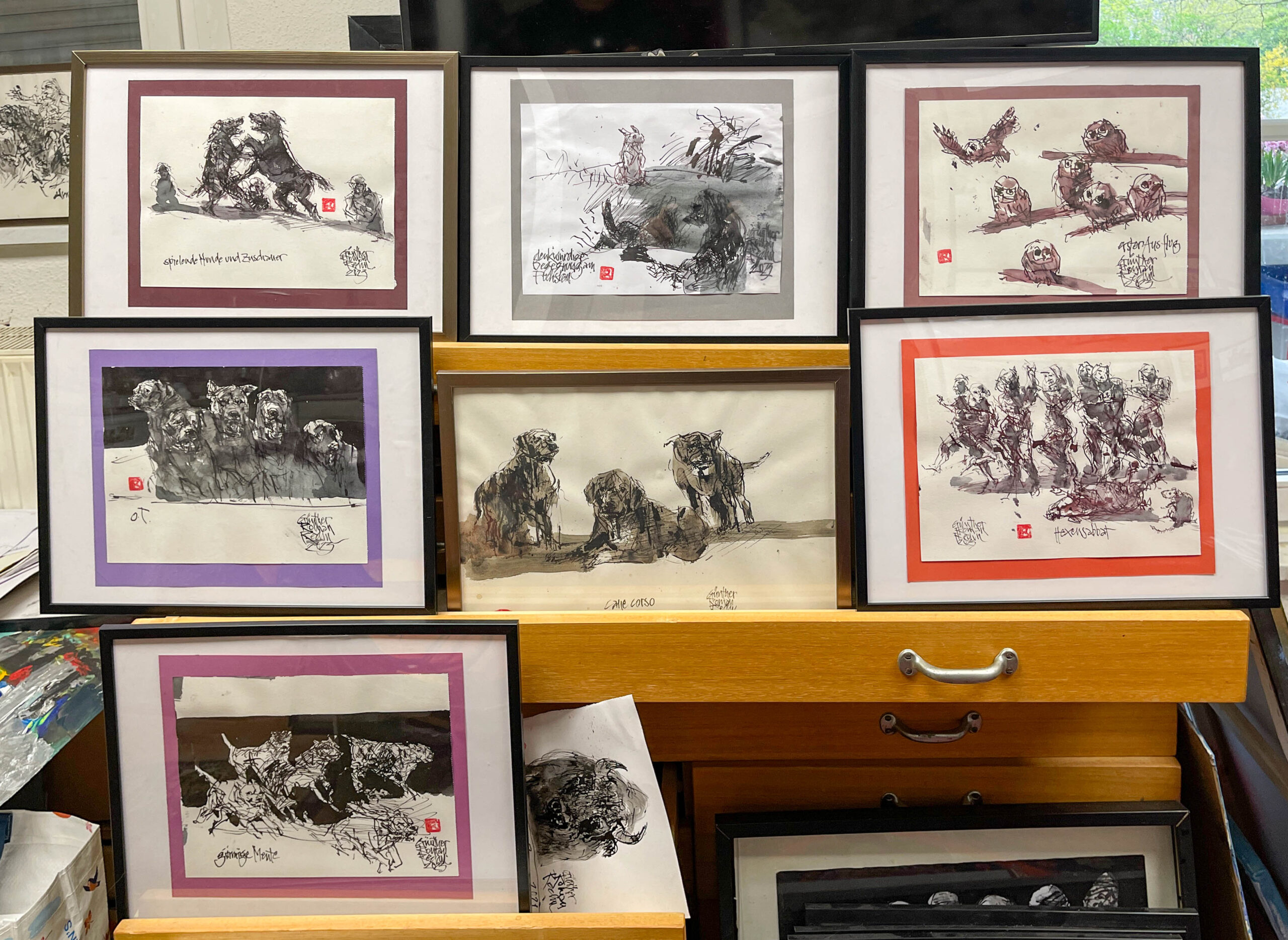
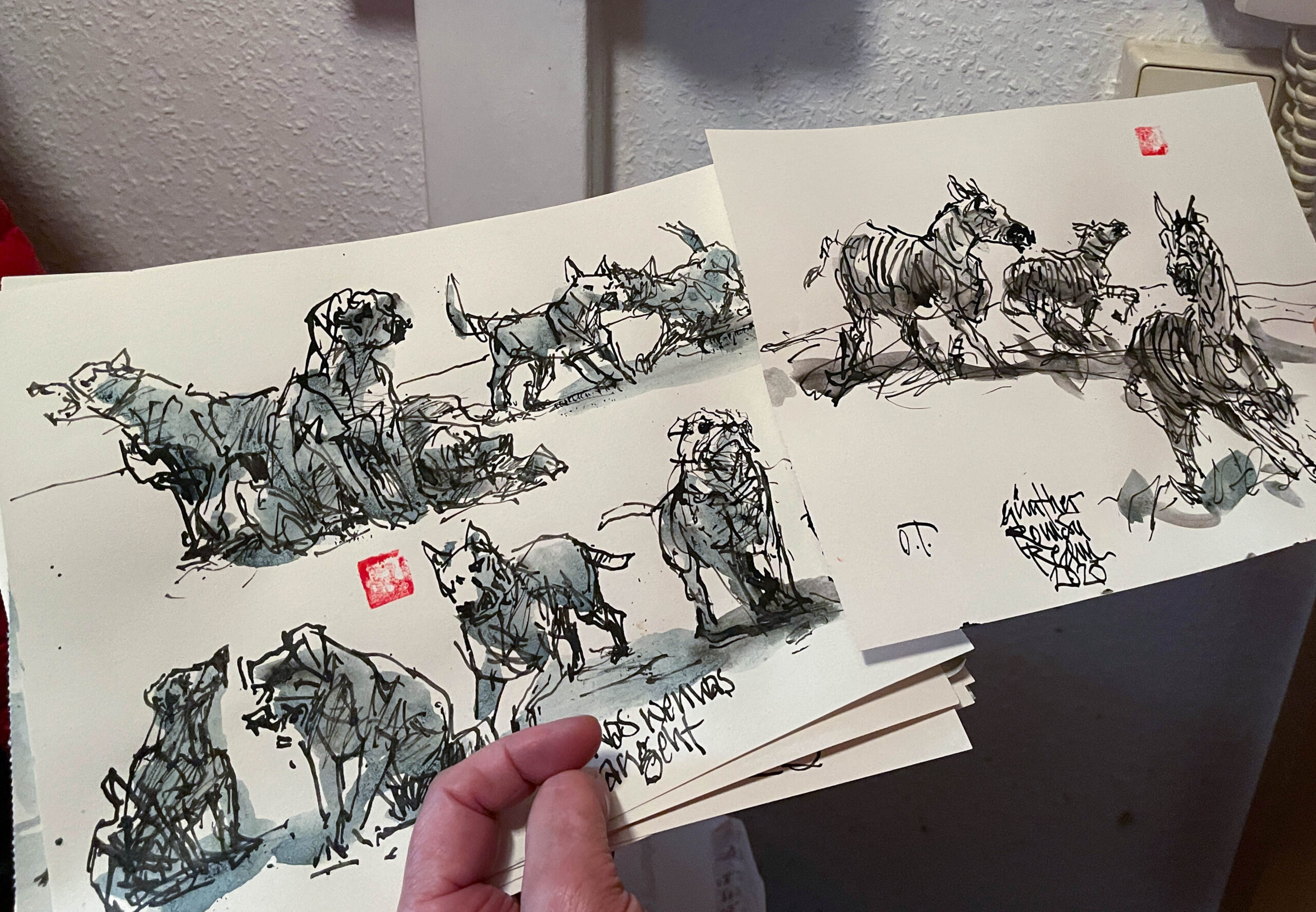
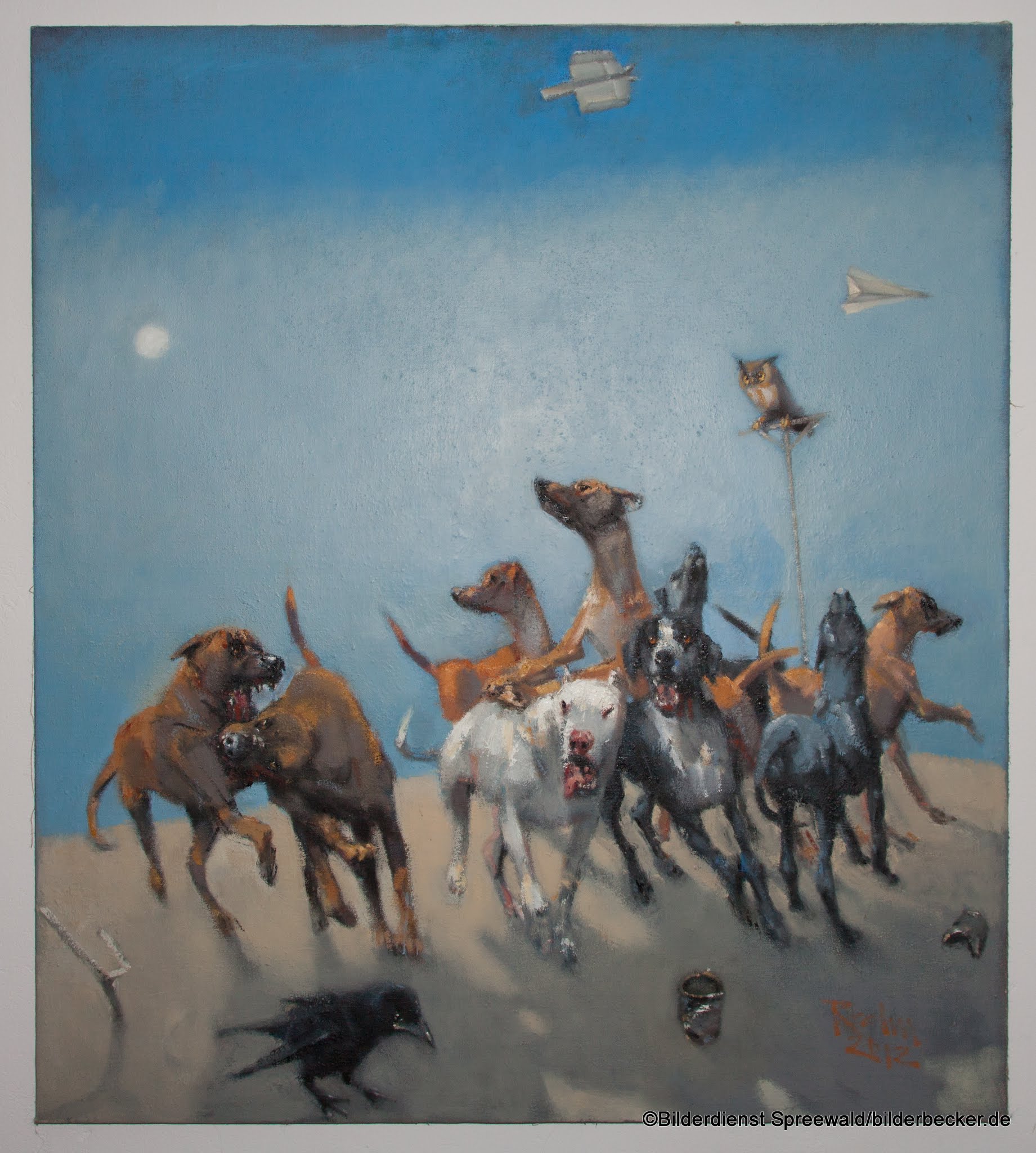
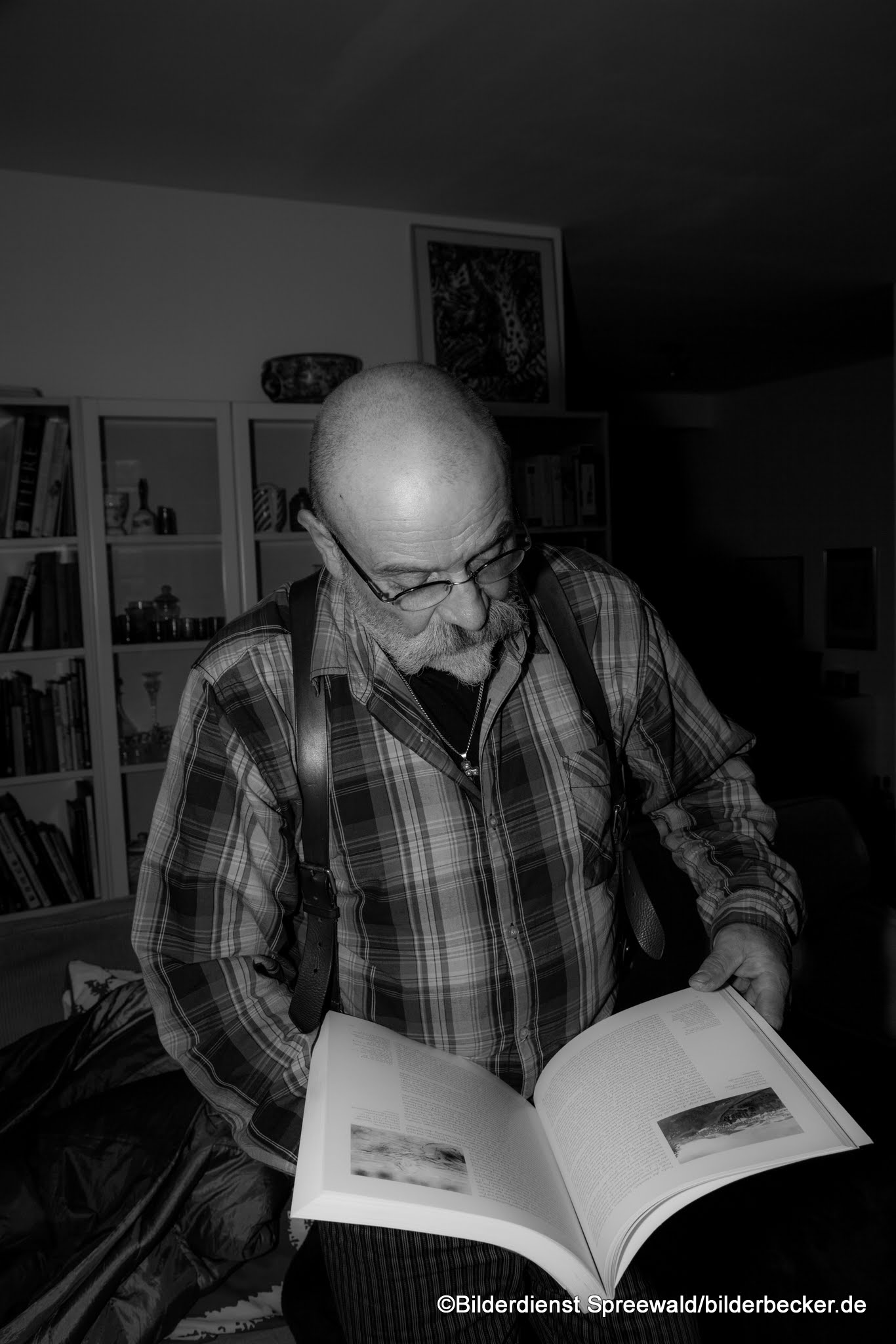
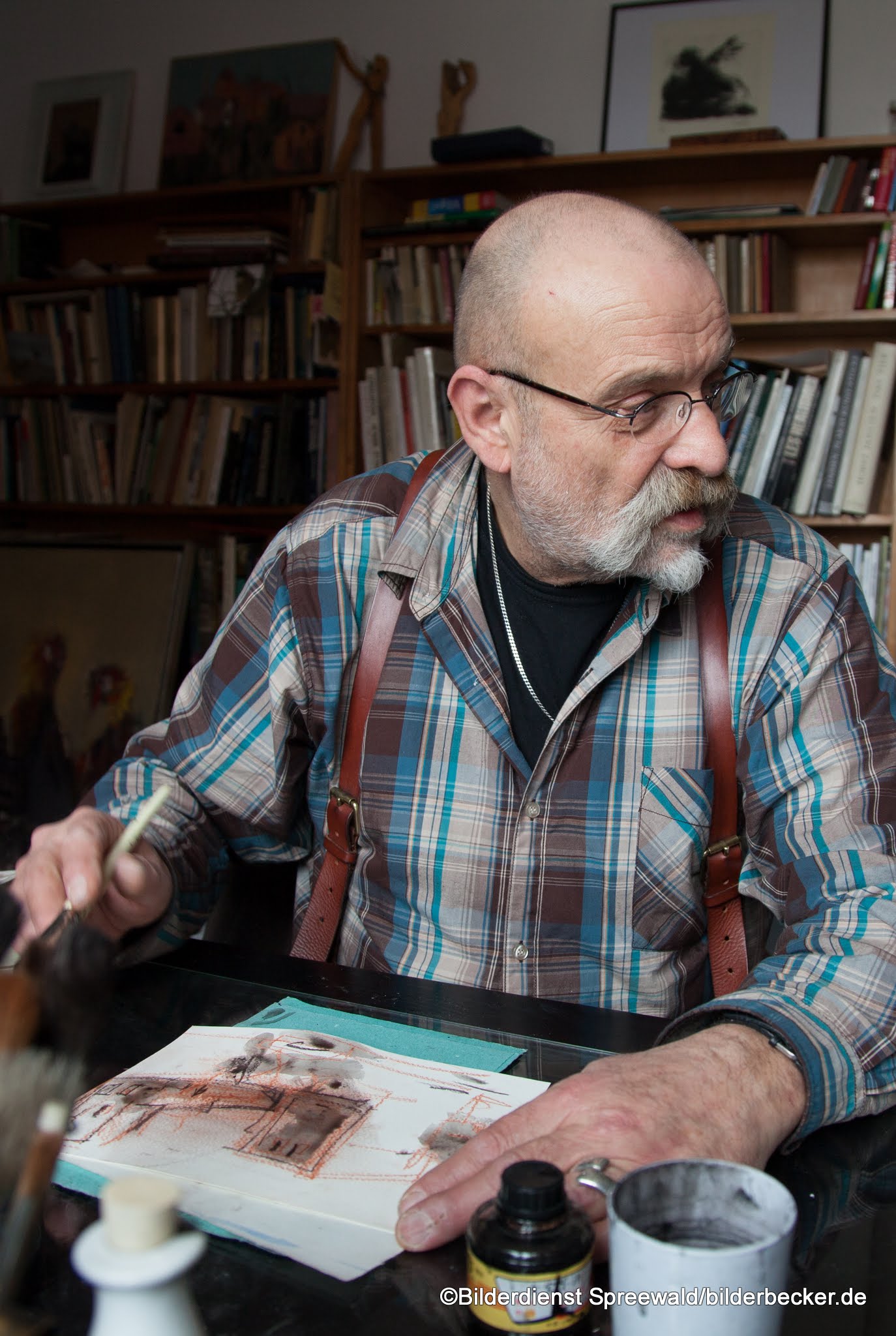
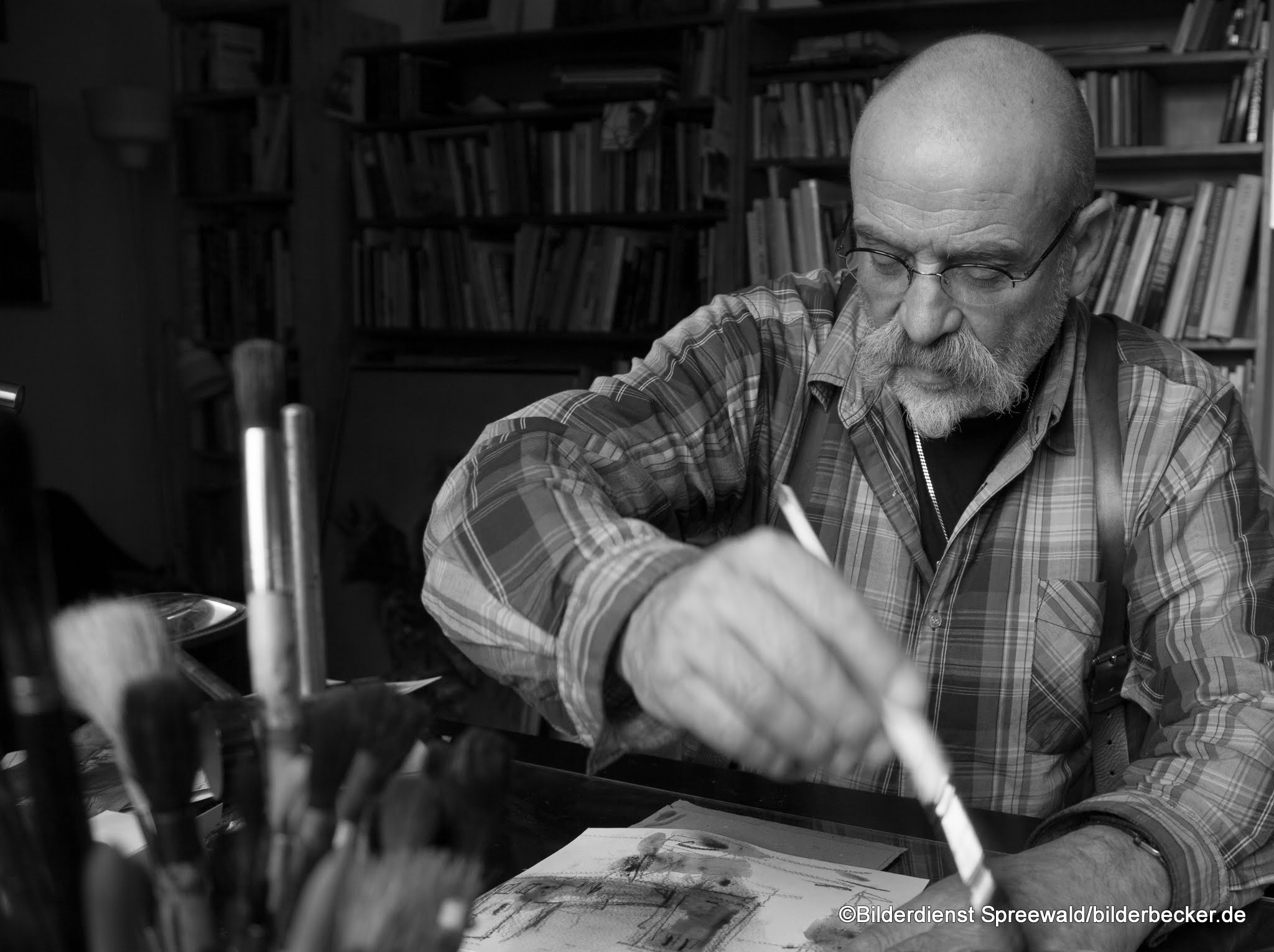
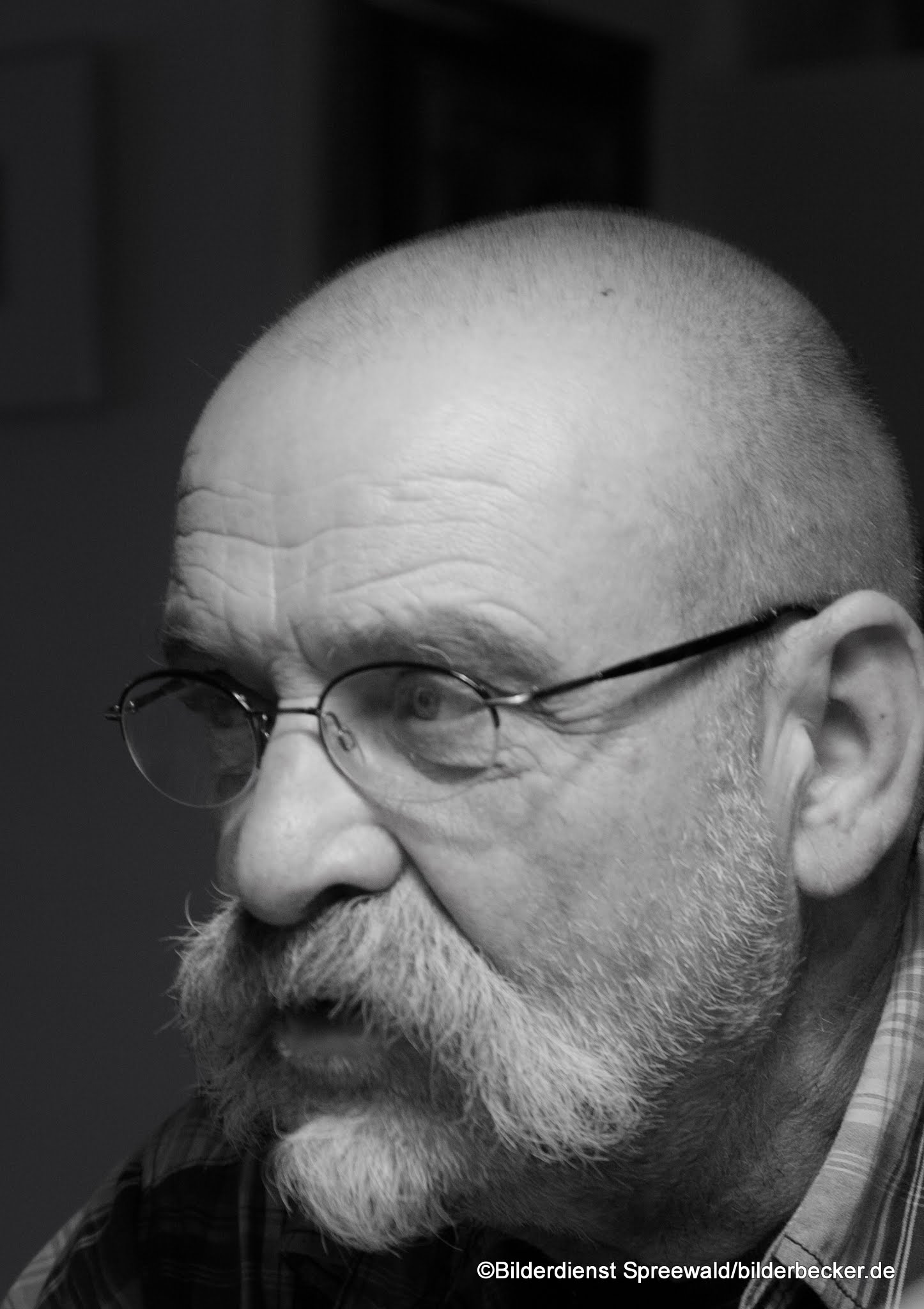
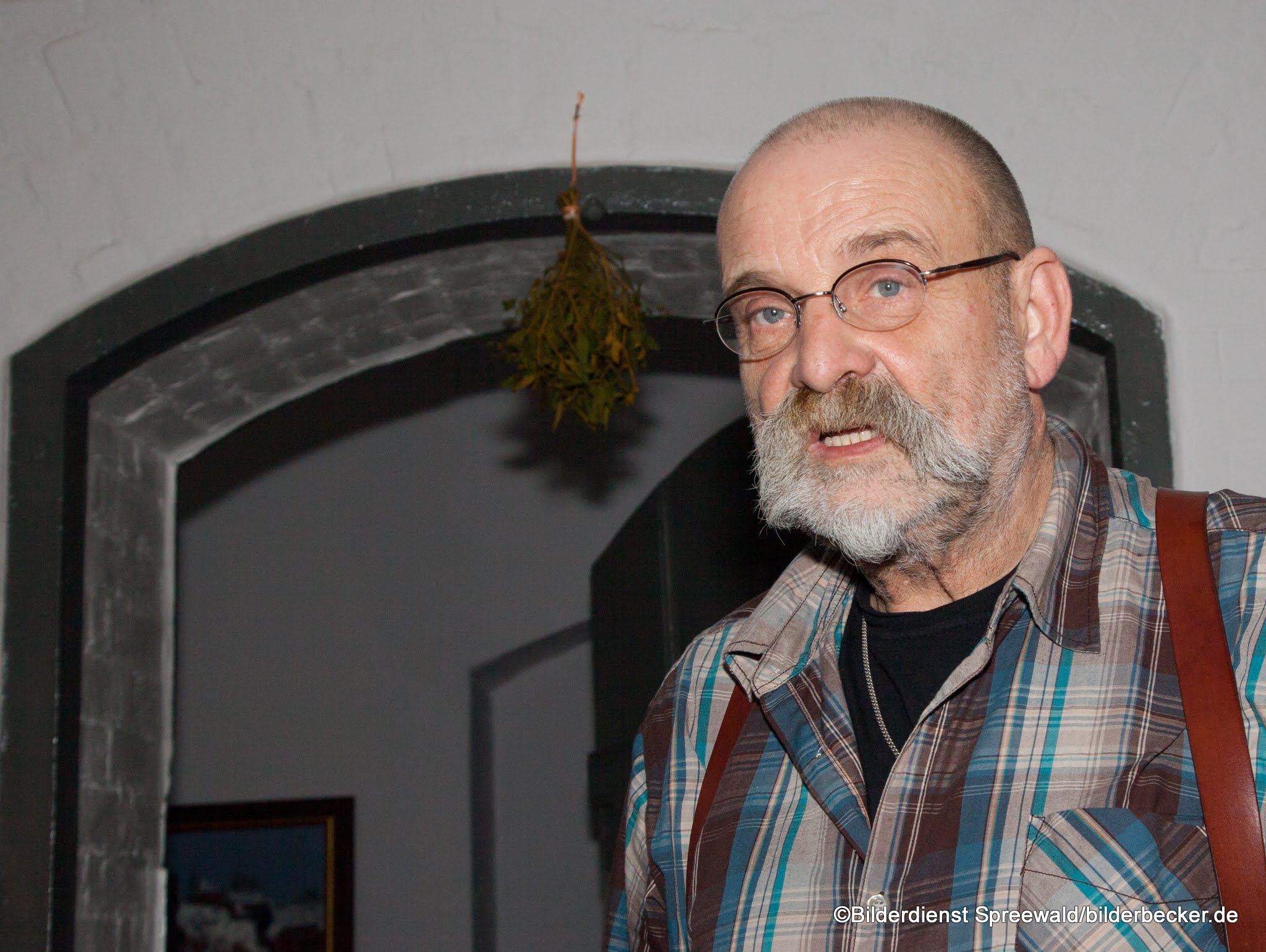
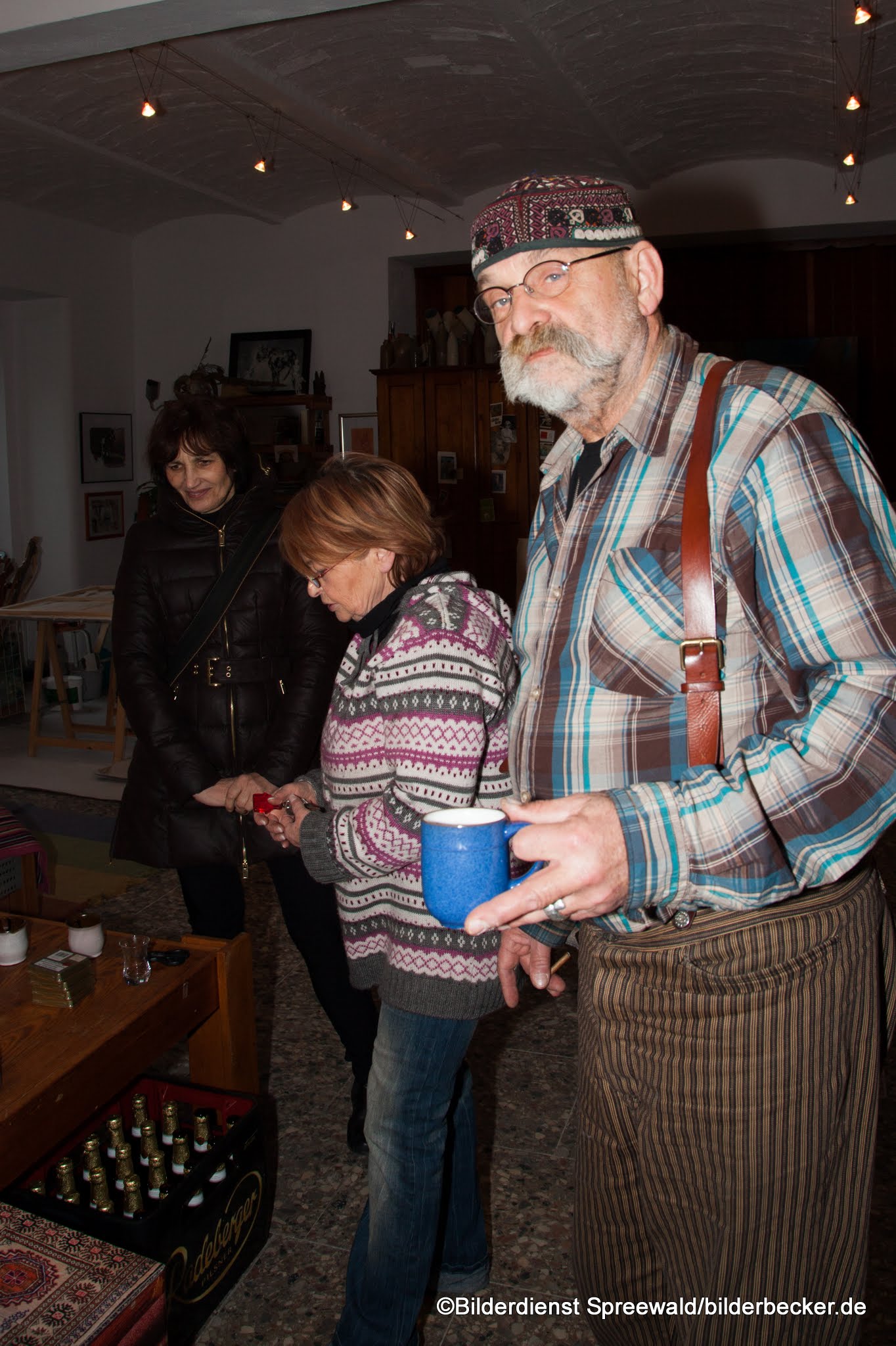
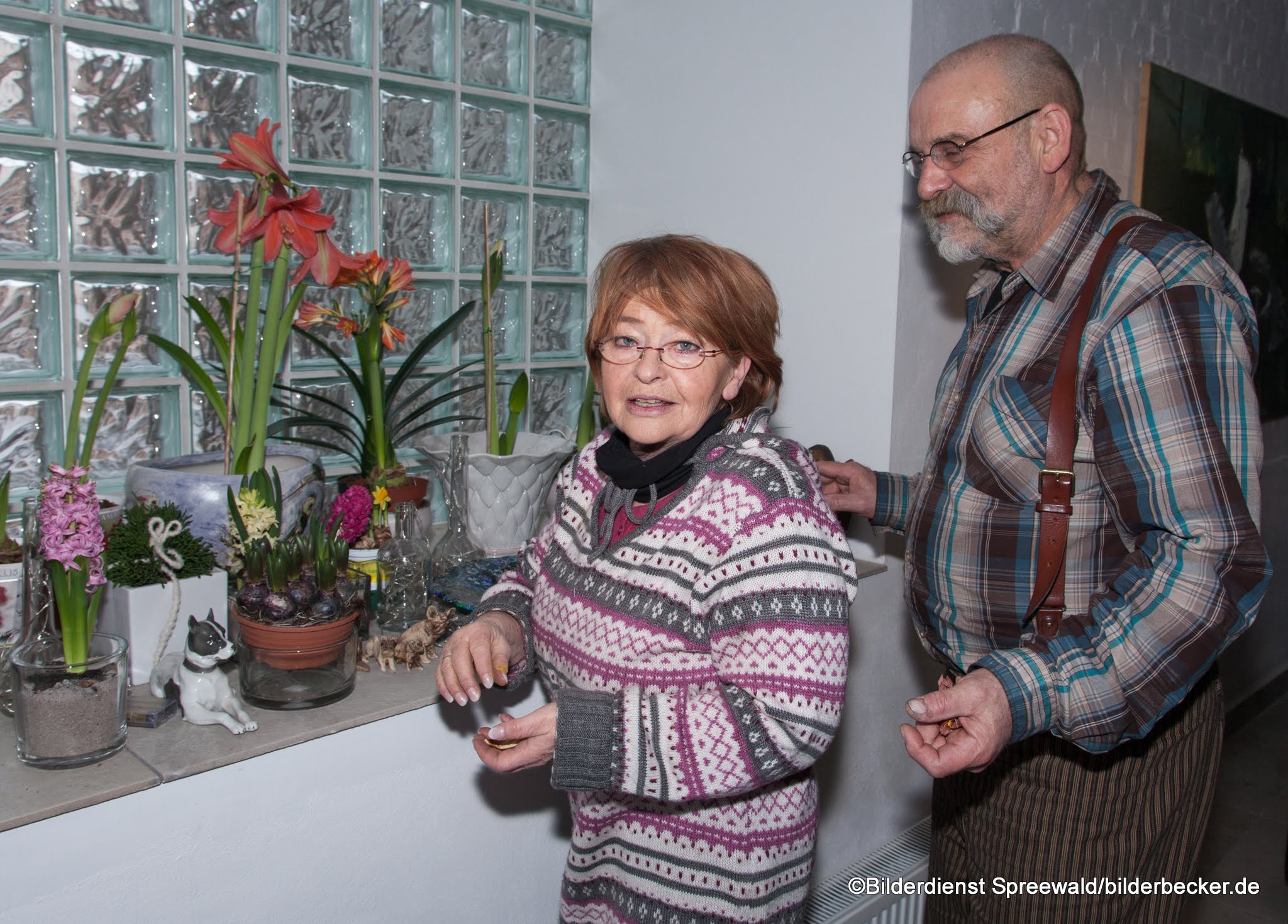
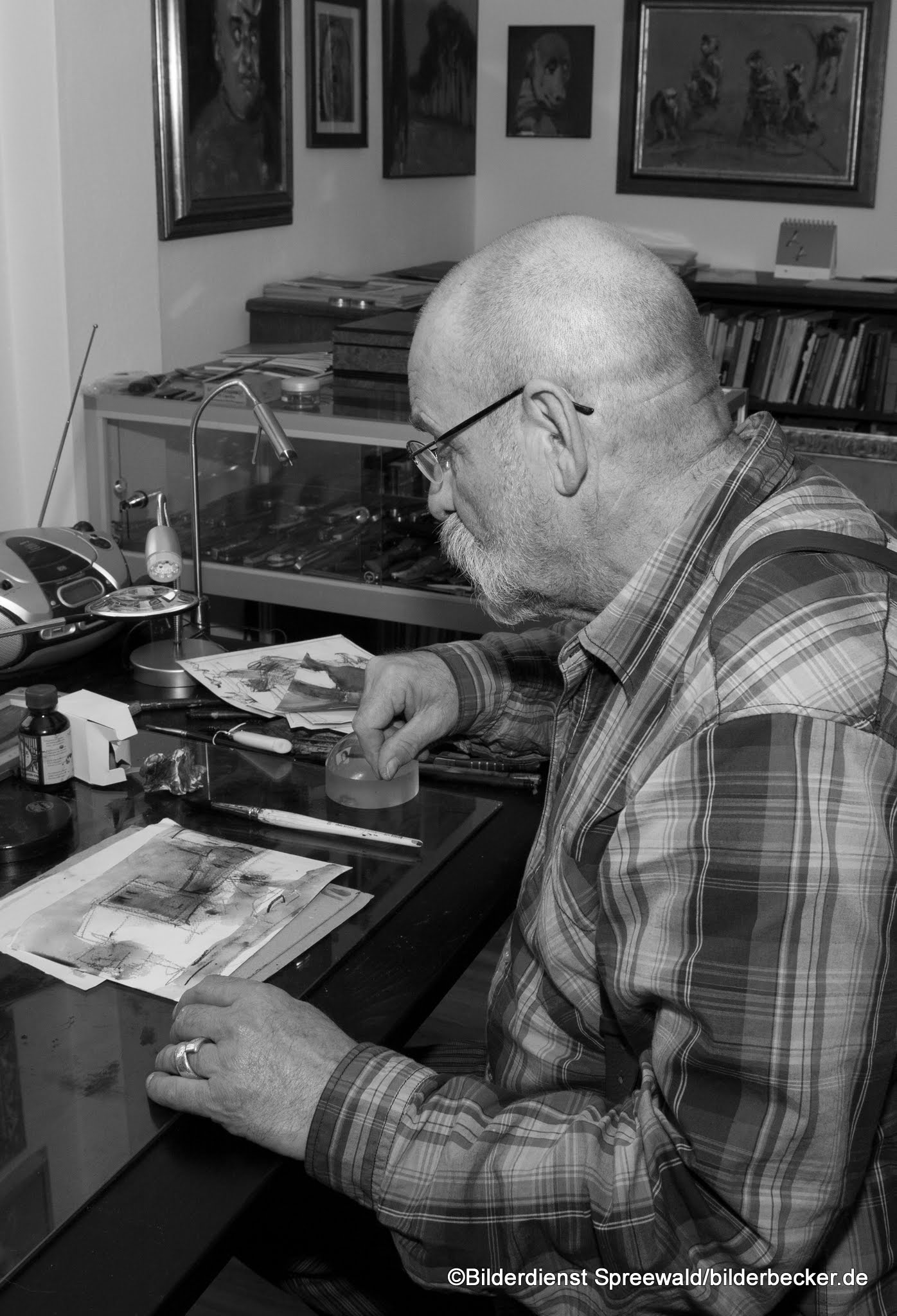
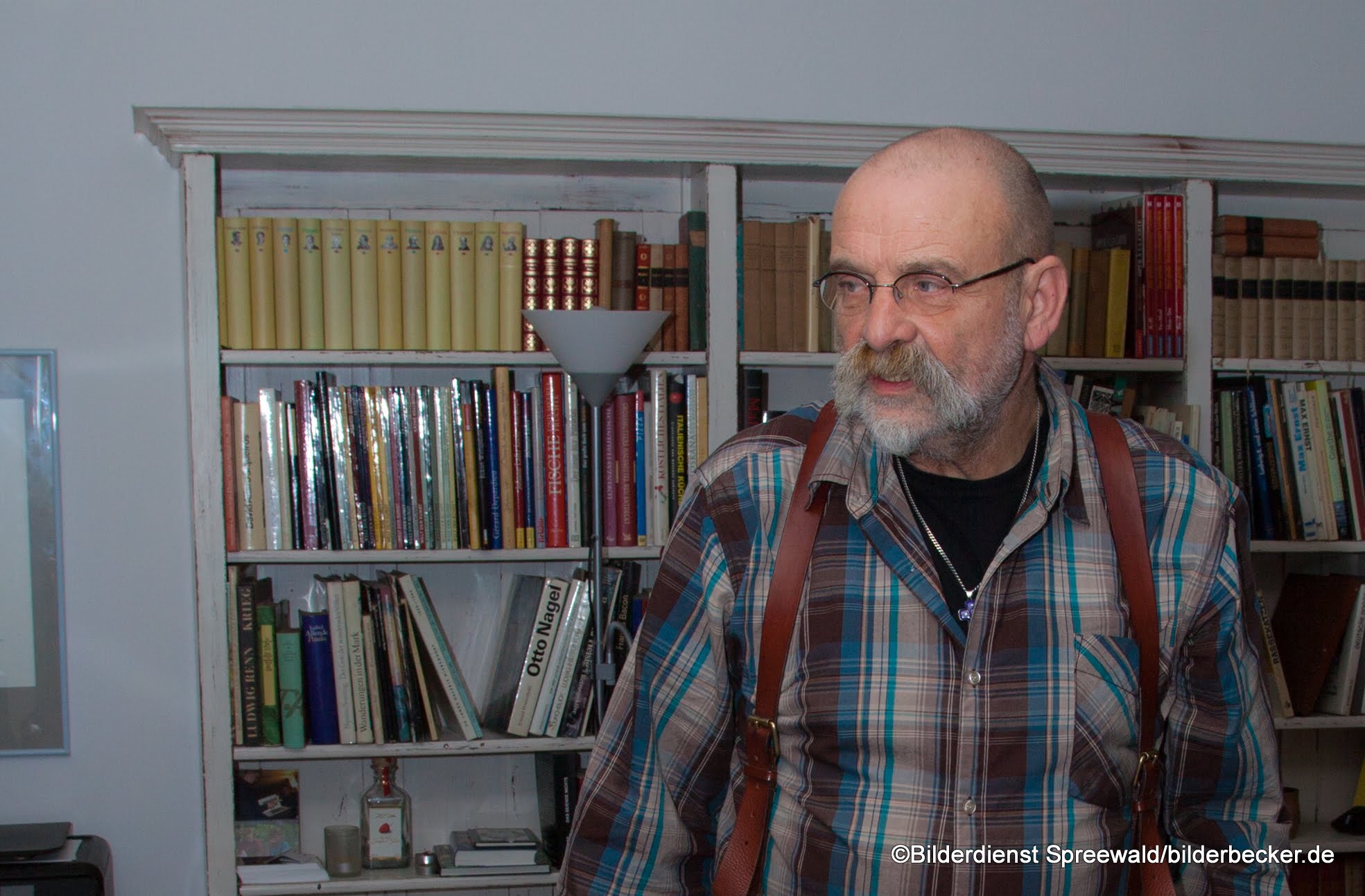
At first glance, Rechn’s works seemed to be dominated by the animal world. Dogs, cats, monkeys, owls … – pretty much all animals were represented in his works. This is less surprising when you know that Günther Rechn was a very animal-loving person: dogs were his companions and were always the focus of his artistic work. When he was up at night, unable to sleep, he created a large number of sketches, showing the animals in motion, interacting with other animals or remaining in tense silence in an extraordinarily skillful way. When he looked out of the window of his studio, he saw “Joey”. The herding dog usually sat stoically on the balcony and watched the squirrels – as if he suspected that his master was now busy with more important things, namely art, and didn’t want to be disturbed.
Günther Rechn, born in 1944, came to Lauta in Lusatia in 1973 after studying art in Halle. Highly motivated by his teachers Lothar Zitzmann and Willi Sitte, he wanted to create great works and send messages into the world – if it hadn’t been for the “brakemen”, as he called the functionaries of the party and its secret organ. Only works that conformed to the party line found favor – an impossible situation for the artist Günther Rechn, a curtailment of art that could not be accepted. Ultimately, however, it was precisely these restrictions that drove him and ultimately every artist who did not submit to them to artistic development – something that is neither taught nor intended in his studies. “Always leave something open!” This statement by his teacher Zitzmann, which received little attention at the time, suddenly took on significance for him: not showing things in the context of what is shown invites the viewer to interpret and draw conclusions. “The functionaries were often overwhelmed, they overlooked the subtle messages and allowed works to be published that they would probably not have released if they had known the facts,” Günther Rechn gloated in a conversation with the author a few years ago, a mischievous smile on his face. For GDR artists, it was almost like a competition to skillfully hold up a mirror to the regime by saying nothing, not showing anything, without presenting the message openly. Seen in this light, many artists, and Günther Rechn in particular, have created something very special, albeit somewhat different from the ideals of the art graduates of the past.
“But nobody should think that there are no problems today,” said Günther Rechn looking back. “Anything can be made and shown today, there are no limits – the only limit is the market,” he said, assessing the current situation. “There can no longer be any question of the state’s former support for the arts and artists.”
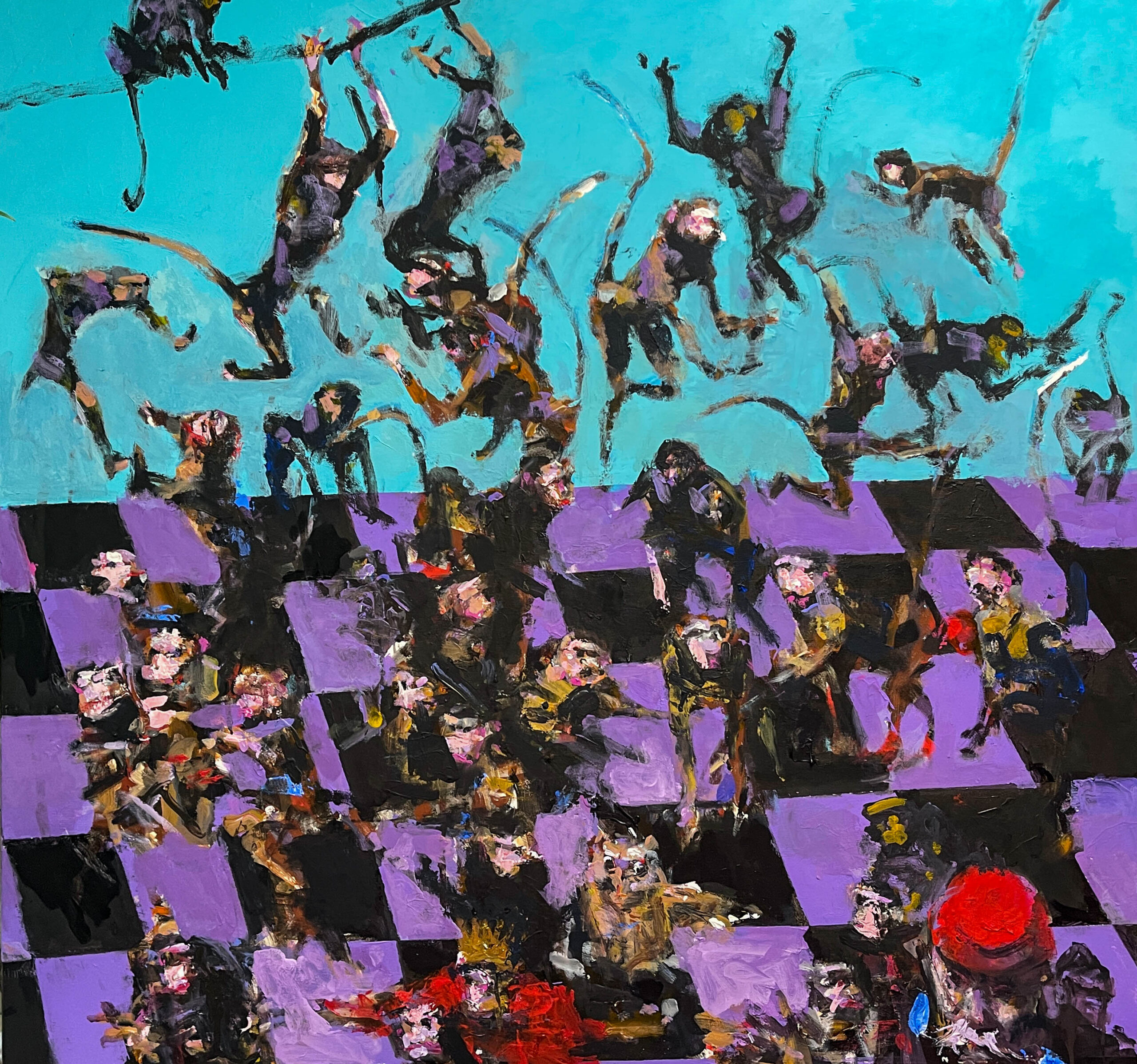
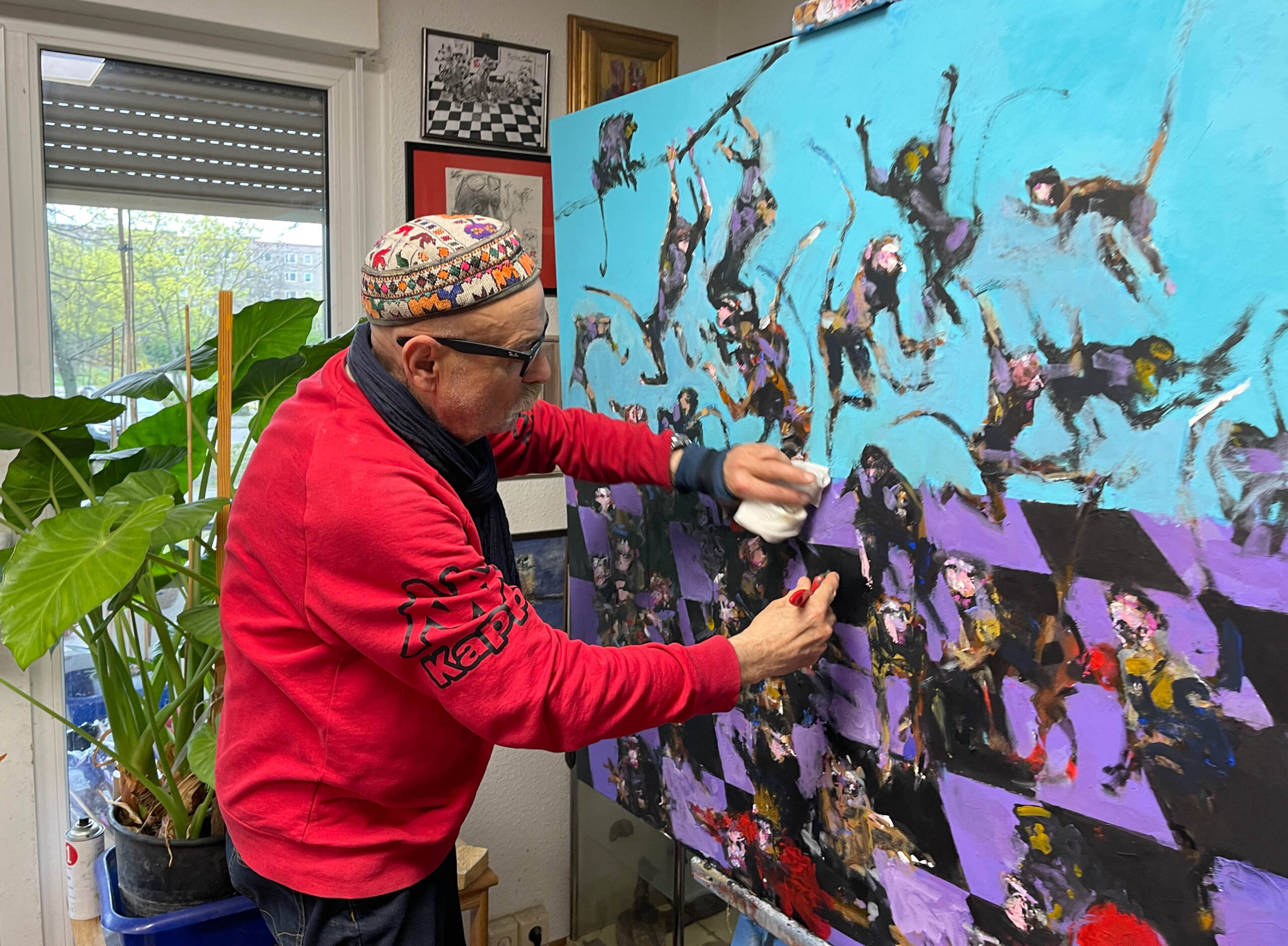
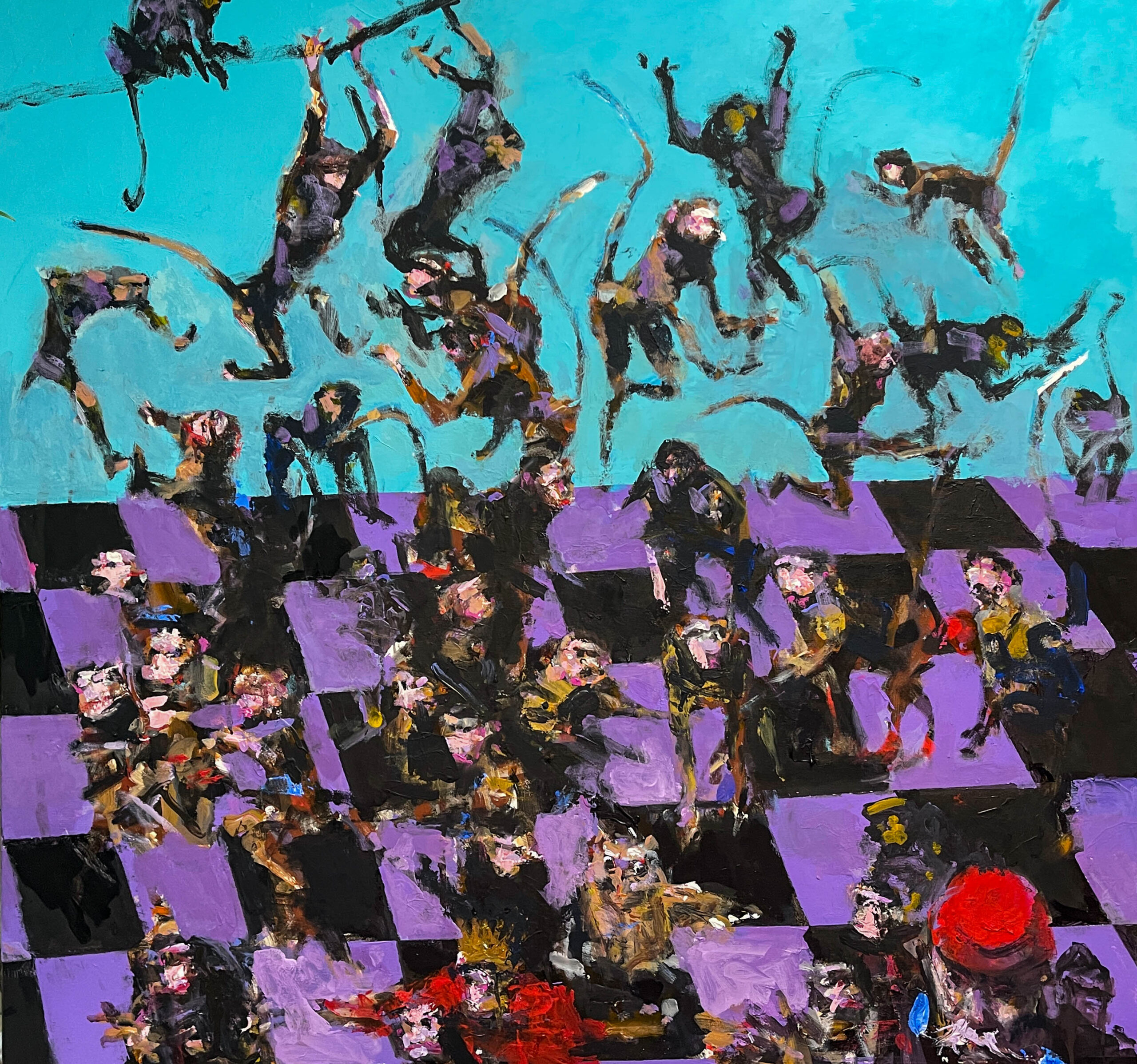
One of his latest works was called “Affentanz”. He sat with it for a long time, changing and repainting it again and again: “Actually, things should be very orderly on a chessboard, but the monkeys do what they want and don’t stick to any rules. Günther Rechn does not take himself out of the equation: he himself sits on a chessboard, appearing as someone who does not know whether he should join in the “monkey dance” or wait and see – the artist leaves the metaphor to the viewer.
Günther Rechn is one of the outstanding artists, not only in Lower Lusatia. He and his works have received numerous awards and been exhibited from Germany to Italy. He worked with a wide variety of techniques and liked to use paper because it is so versatile: “You can put information on it, create works of art on paper or, if everything is not so successful, you can still wrap fish in it.”
Decades-long companions, such as the Cottbus state actor Michael Becker, say of him: “For me, he was a prince of painters! His art is usable and friendly, not restricted to a particular genre. My apartment is full of his paintings, I couldn’t get enough of him. My goosebump painting is the ‘Ship of Fools’ – an overloaded boat floats in a direction that obviously none of the occupants can or want to influence.” Cottbus photographer Walter Schönenbröcher said of Günther Rechn: “A few years ago, I had the pleasure of meeting him at an art project for Lebenshilfe e. V., in which he took part with me and two other artists. We liked each other straight away and we’ve been friends ever since, and I also document his work and his creations photographically. Günther was a great painter and a very special person.”
In a laudatory speech, it was said: “The master of the art of drawing and nuances gives the animals their characteristics and lets us feel the heat of Mediterranean house walls. Rechn filters nature and the interpersonal with amusement and an alert eye. He hits the exact point where the drawing is at its most exciting and self-explanatory.” (Maike Rößiger, art historian)
Peter Becker, 05.01.26

