
Dörthe Ziemer and the visibility of the Sorbian language
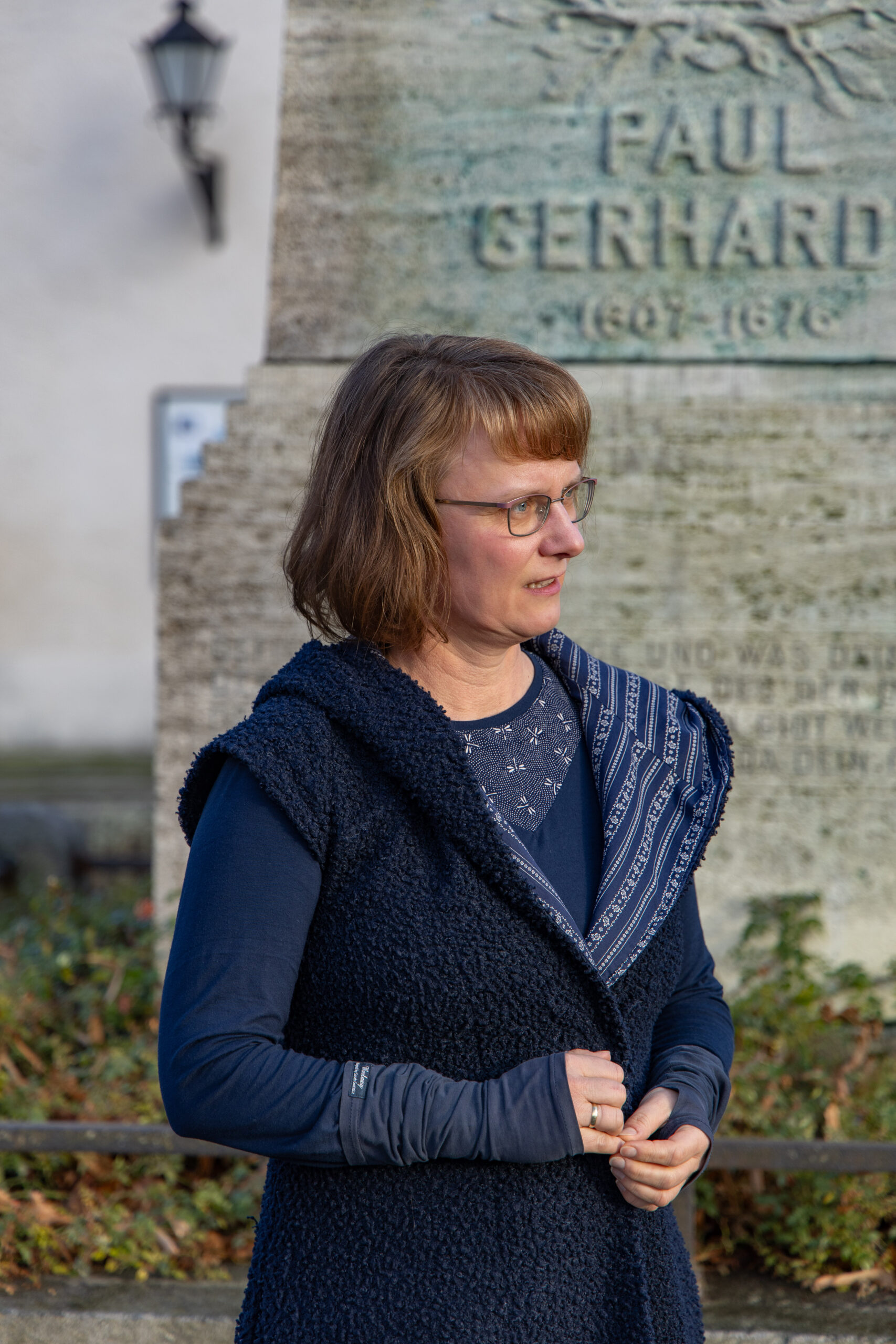
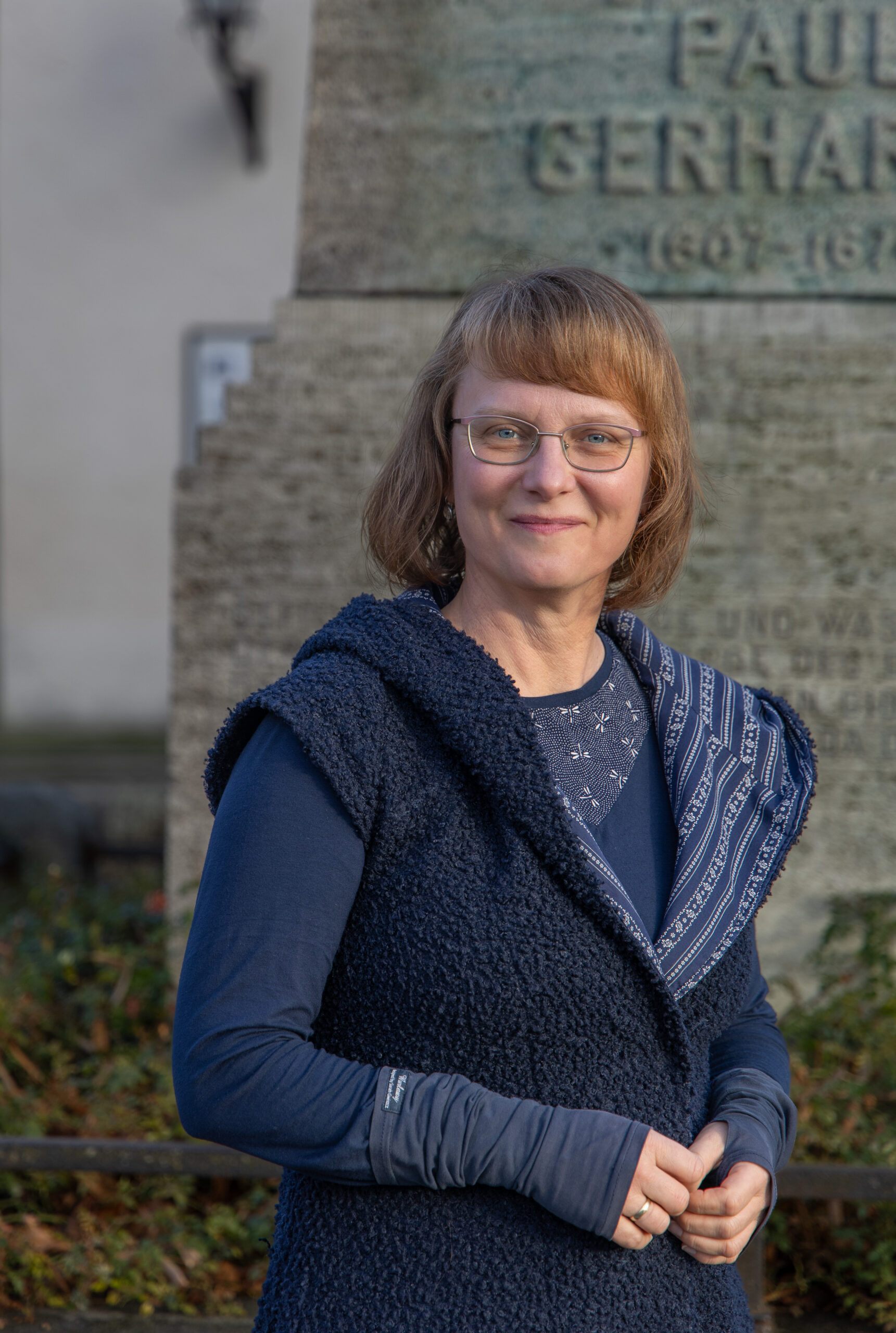
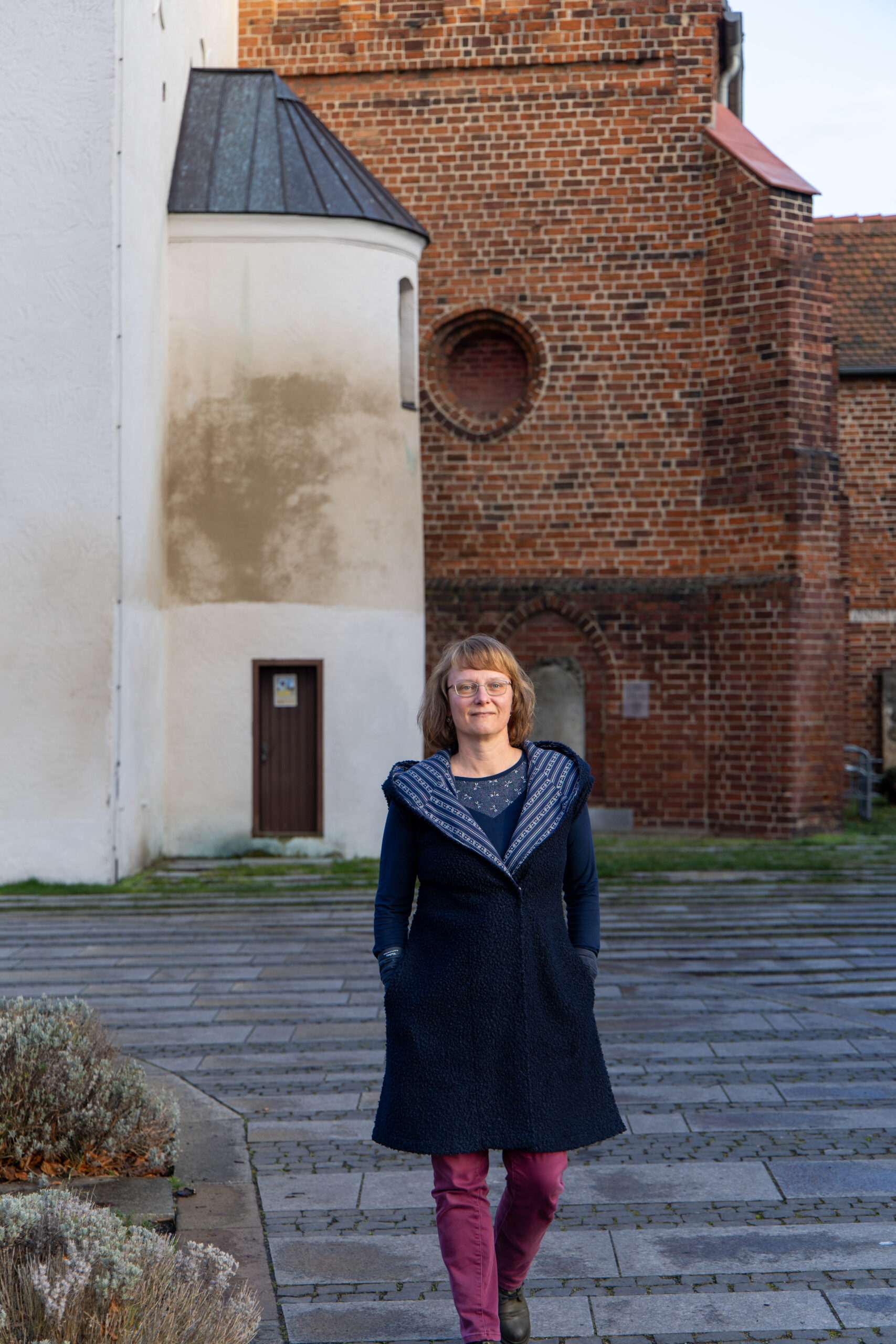
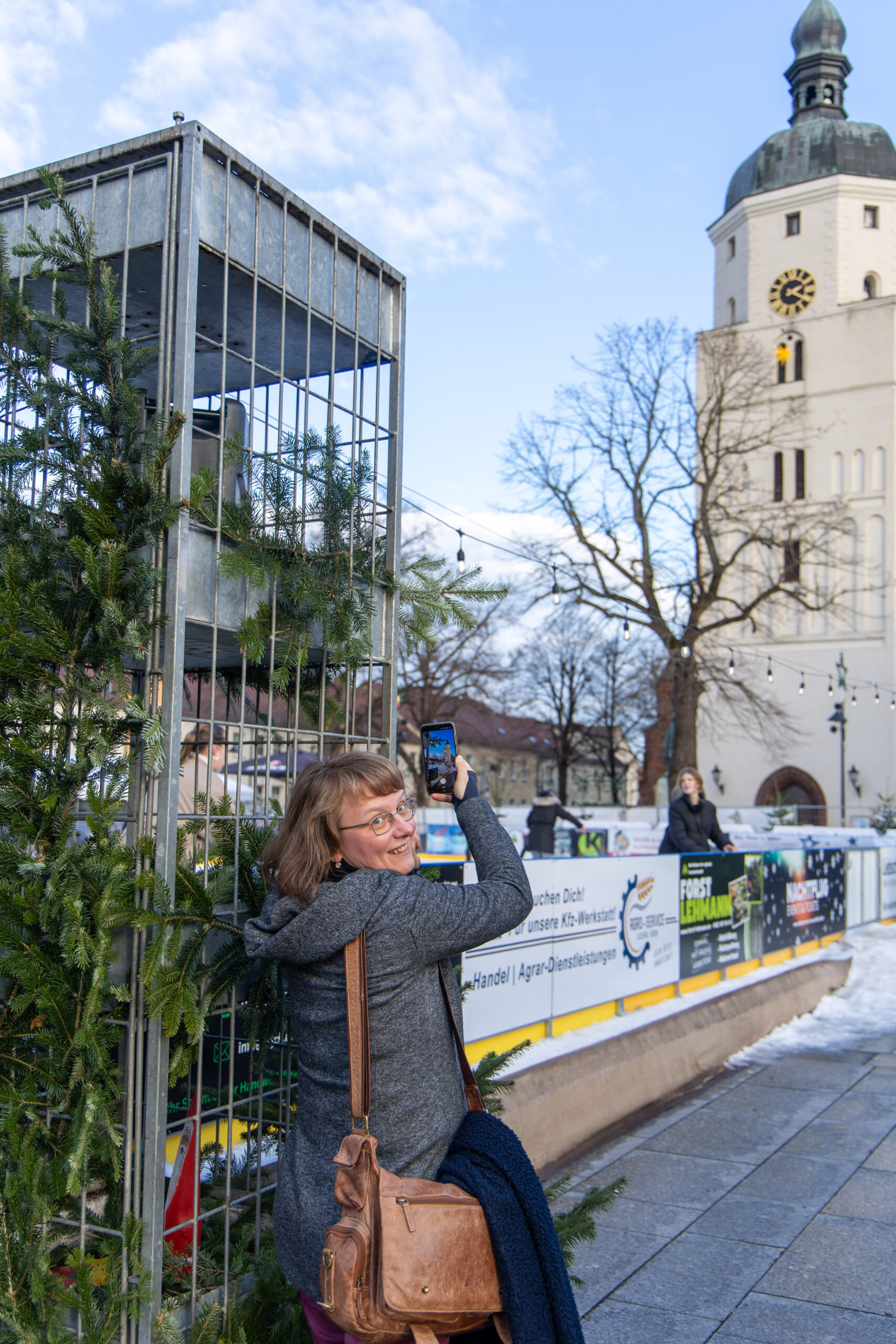
In the beginning, it was just a student exchange, albeit a somewhat special one: Dörthe was at a school in Moscow. The Russian language, Slavic in general, increasingly gained the upper hand, so that she studied Russian, German and Eastern European history at the Humboldt and Free University of Berlin and at Lomonosov University in Moscow after graduating from high school. After her studies and back in her home country, she even discovered Slavic roots in her own family – sensitized accordingly. Her grandmother spoke a slightly different German, a German that often does without articles. The Sorbian language was a thorn in the side of the Nazi ideologues, and the Sorbian/Wendish culture and language were simply banned from Lusatian schools. As a result, the children spoke more fluent German than their parents, who had to slowly get used to the foreign language. Incorrectness crept in, which today appears as Spreewald dialect.
Dörthe Ziemer has never lost sight of language and tradition, not even in her work as a journalist, including for the Lausitzer Rundschau. She was press spokeswoman for the town of Lübben for several years. She saw a wide range of tasks ahead of her here. Dörthe Ziemer: “Lübben is a town in the middle of Lower Lusatia, in the settlement area of the Sorbs/Wends (which the town explicitly acknowledged), but there is very little visible about it. My aim then, and still today, was to set an example. People should regularly remind themselves that their homeland was once shaped by the Slavic population and that their traces should be preserved.
Dörthe Ziemer wants Sorbian to become part of everyday life: “Northern Germans greet each other from morning to night with Moin, Moin. Why don’t we Lower Lusatians greet each other with Witaj?” After all, almost half of those surveyed in the latest Lusatia Monitor were in favor of this. She has resolved to do this for herself in her dealings with others. Such “everyday inserts”, as she calls them, must become more commonplace!
Dörthe Ziemer tries to incorporate Sorbian elements into numerous projects, some of which she has initiated herself. In their eyes, the upcoming structural change with its resources and opportunities holds great potential. “If it says ‘Krasse Lausitz’ on it, there must be something Sorbian inside – which region has something similar to offer?” is her opinion.
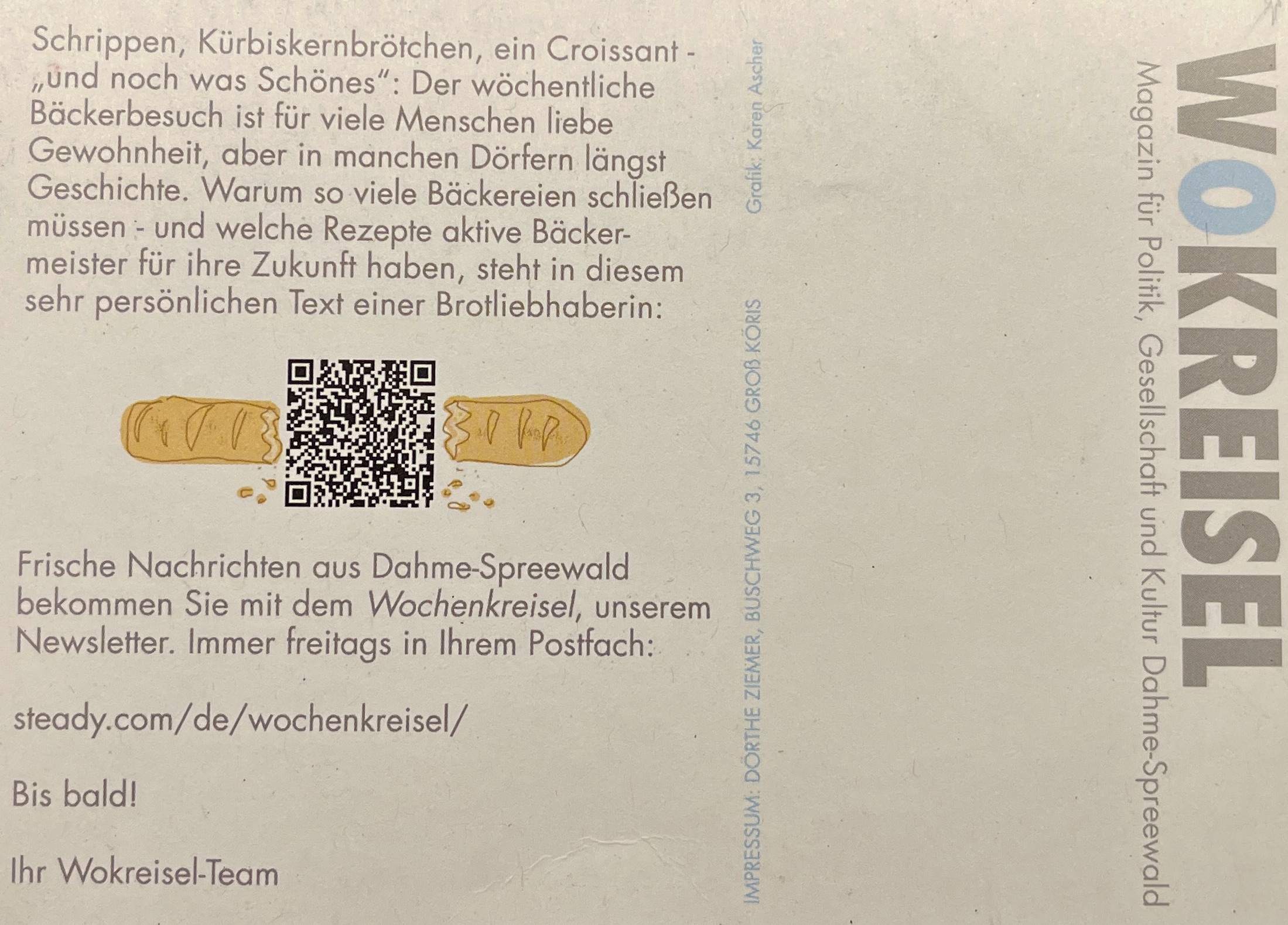
Dörthe Ziemer maintains an independent online magazine for society, politics and culture in the Dahme-Spreewald district. “It is a laboratory for constructive and non-profit financed local journalism. The editorial team is independent. All content is freely accessible,” says the website. The editor came up with the name “Wokreisel” for the magazine, deliberately so that people would ask what this name is made up of: Wokreisel is an artificial word made up of the German words Kreis and Kreisel and the Lower Sorbian word for circle (wokrejs).
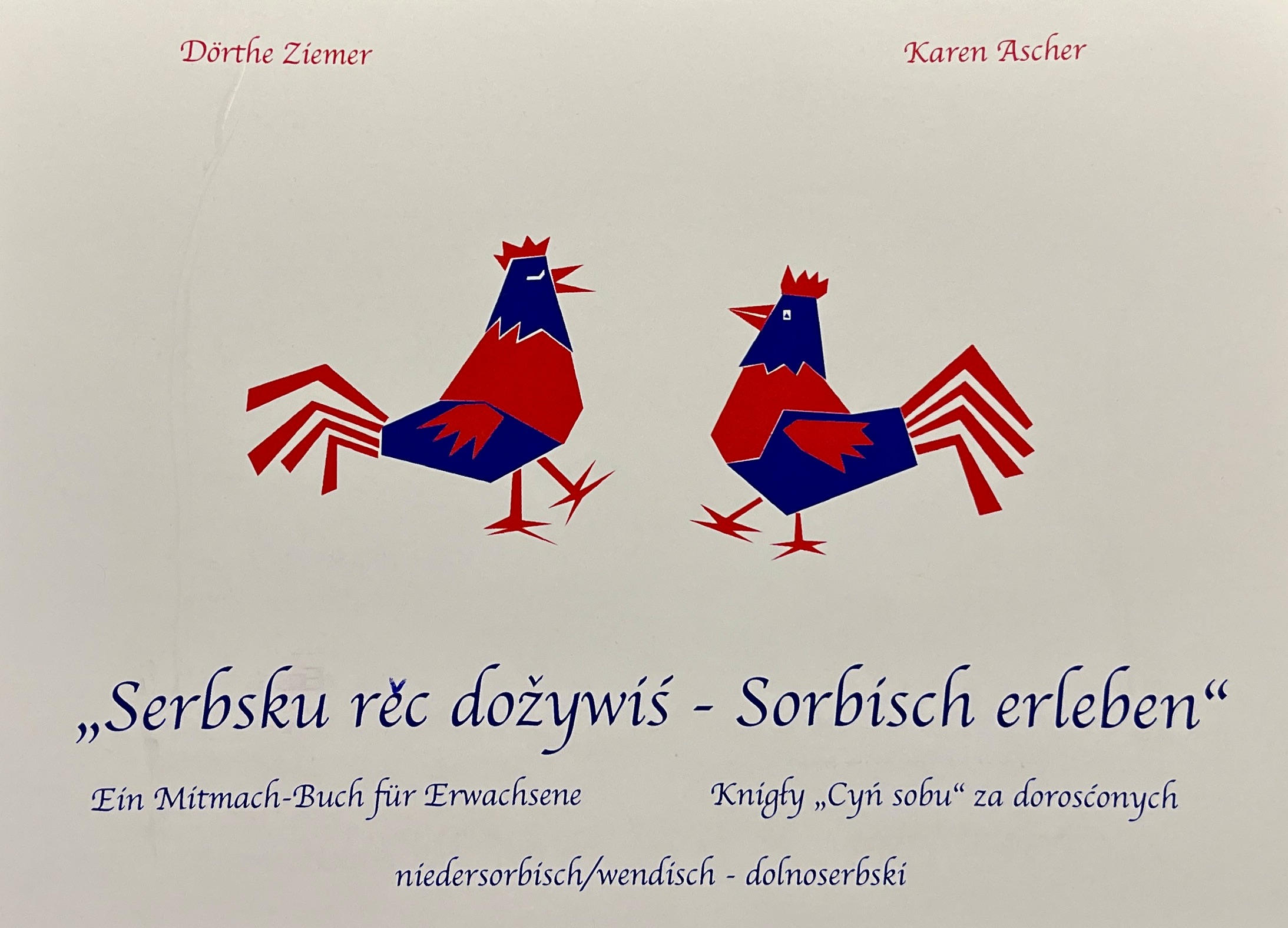
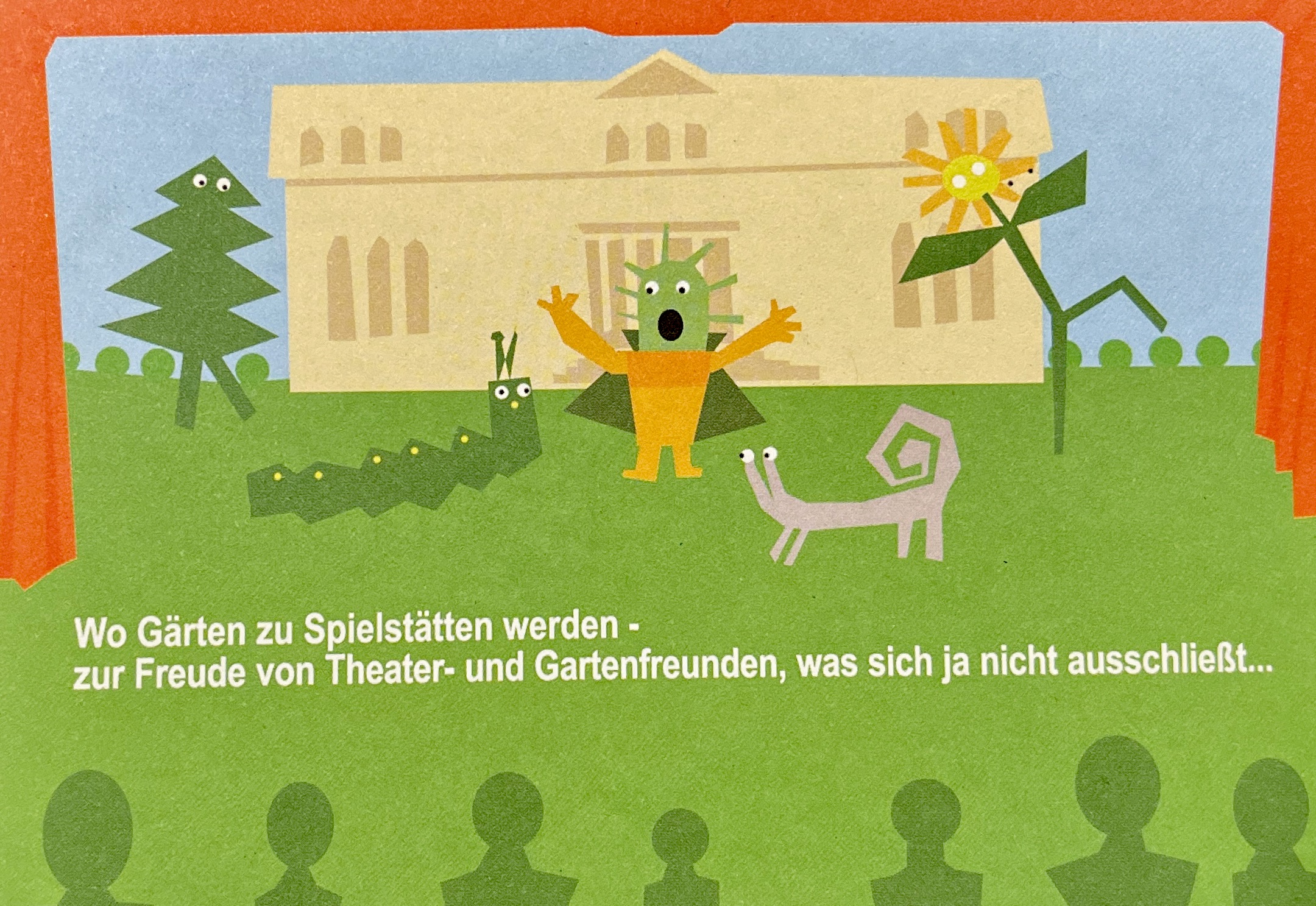
Together with the artist Karen Ascher, she has published a brochure that introduces the Sorbian language and culture in an entertaining way. The foreword says: “The book is not a textbook, but an introduction … ideal for relaxed vacation days and long winter evenings!” There are also postcards with information on hotspots in their home region, with a modern QR code, for further information in the “Wokreisel”.
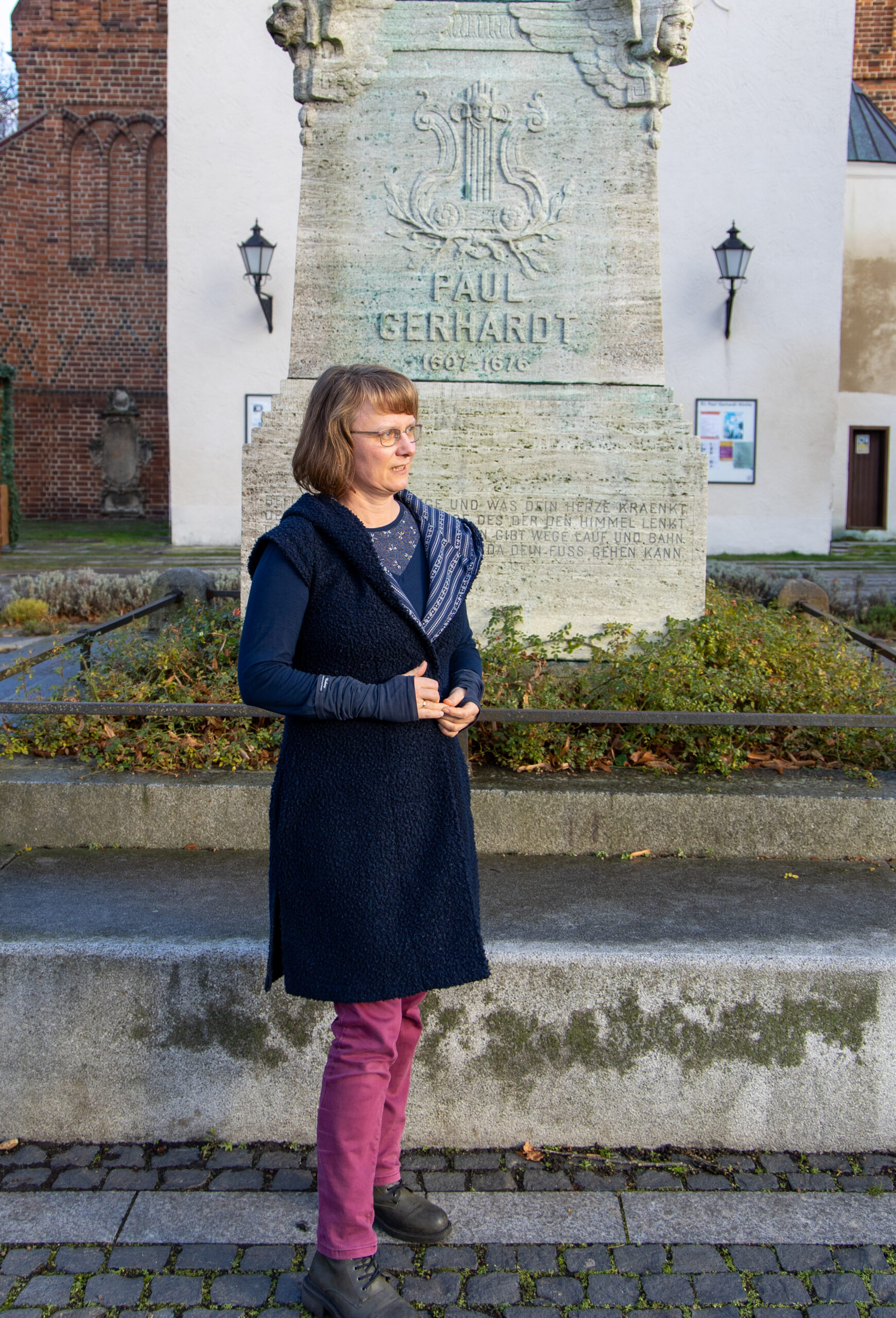
In addition to her many projects and journalistic tasks, the mother of two daughters also does voluntary work. She is on the board of the Paul Gerhardt Association and is currently helping to prepare for the 350th anniversary commemoration year. anniversary of Paul Gerhardt’s death next year. In Luckau she sings in the Cantemus chamber choir.
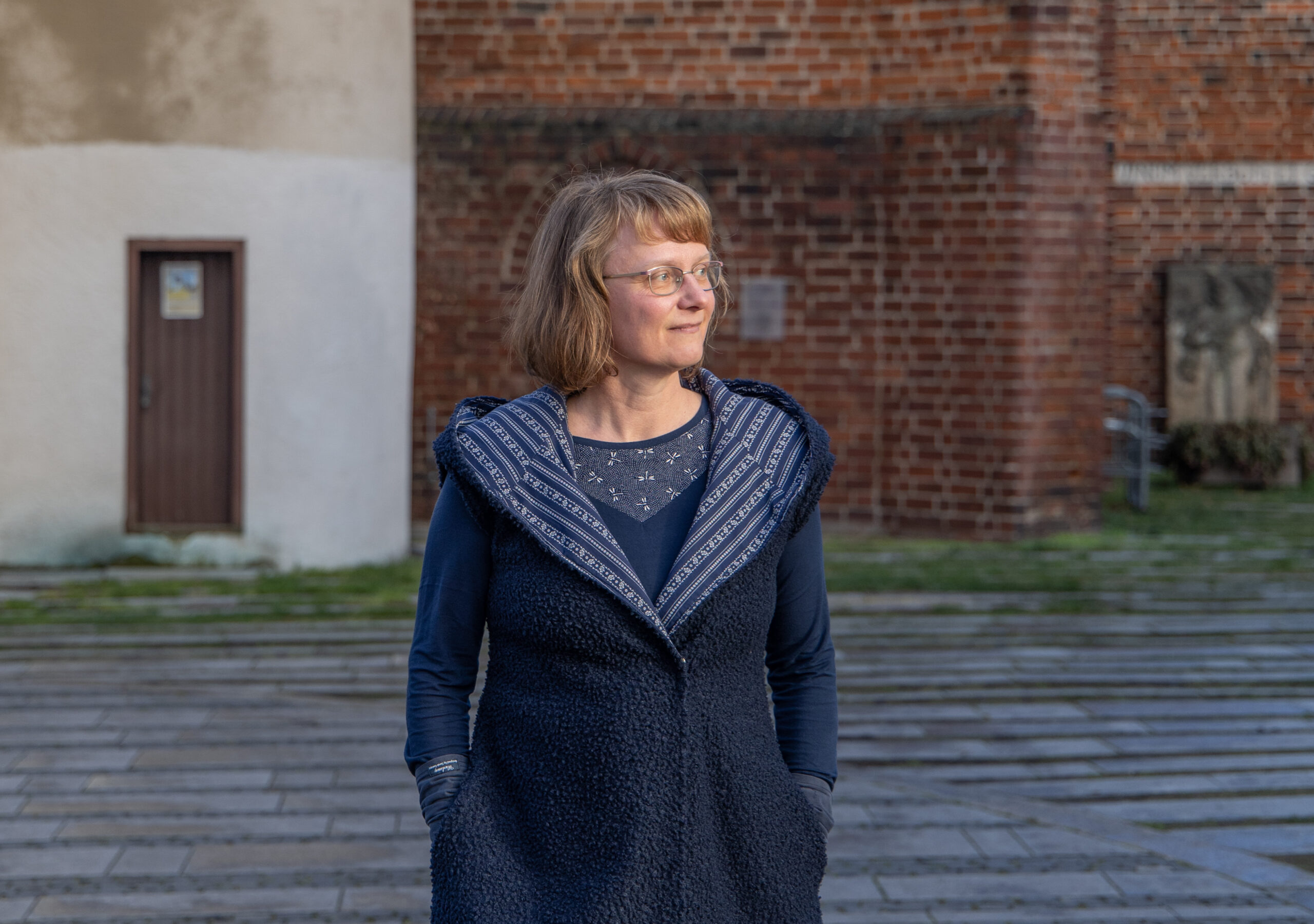
Her days are full, but her focus has been for decades and will probably always remain: showing pride in the Sorbian homeland, making it visible. Whenever it suits her, she wears fashion inspired by the traditional Lower Lusatian costume of Lübbenau designer Sarah Gwiszcz – also a clear commitment to making her home region visible.
Peter Becker, 03.12.25

