
Zampern and Zapust – the customs of winter driving
The winter months in the Spreewald were once some of the most barren and deprived in the lives of settlers in a region that was difficult to access. The food and fodder supplies for humans and pets gradually ran out, and sometimes all that was left of the home slaughter was some smoked and cured meat. There were hardly any fruit and vegetable stocks left. The longer the winter lasted, the more the supplies, including firewood, melted away. In addition, the rivers were occasionally impassable during thaws, especially for fetching hay from the barns or firewood. It is therefore not surprising that the Slavic ancestors, who believed in supernatural powers, once developed a custom that was supposed to contribute to the earlier end of winter – according to their firm belief. Winter was to leave the now inhospitable Spreewald as quickly as possible with a lot of noise and horrible figures to make way for spring.
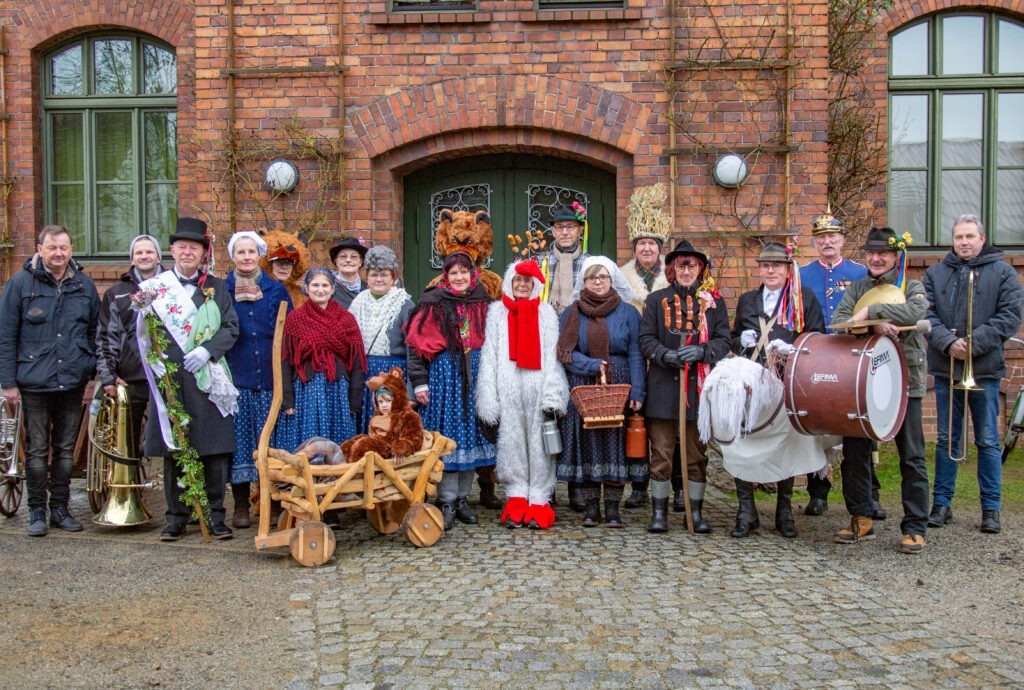
The Lübbenau Rubiško Association is the only association in the Spreewald to display the original Zamper figures from this pagan period: a bear being driven out of hibernation, the double person, still with the old wrinkled face at the front and already with the wrinkle-free freshness of the coming spring at the back. The pea straw bear is a shaggy creature with straw in its fur; it was startled from its lair so that it could disappear with the winter. A white rider is a symbol of courtship, the stork a symbol of spring. The sausage brothers have a more practical function, because in addition to eggs and money, sausages and bacon are also accepted and skewered on a fork.
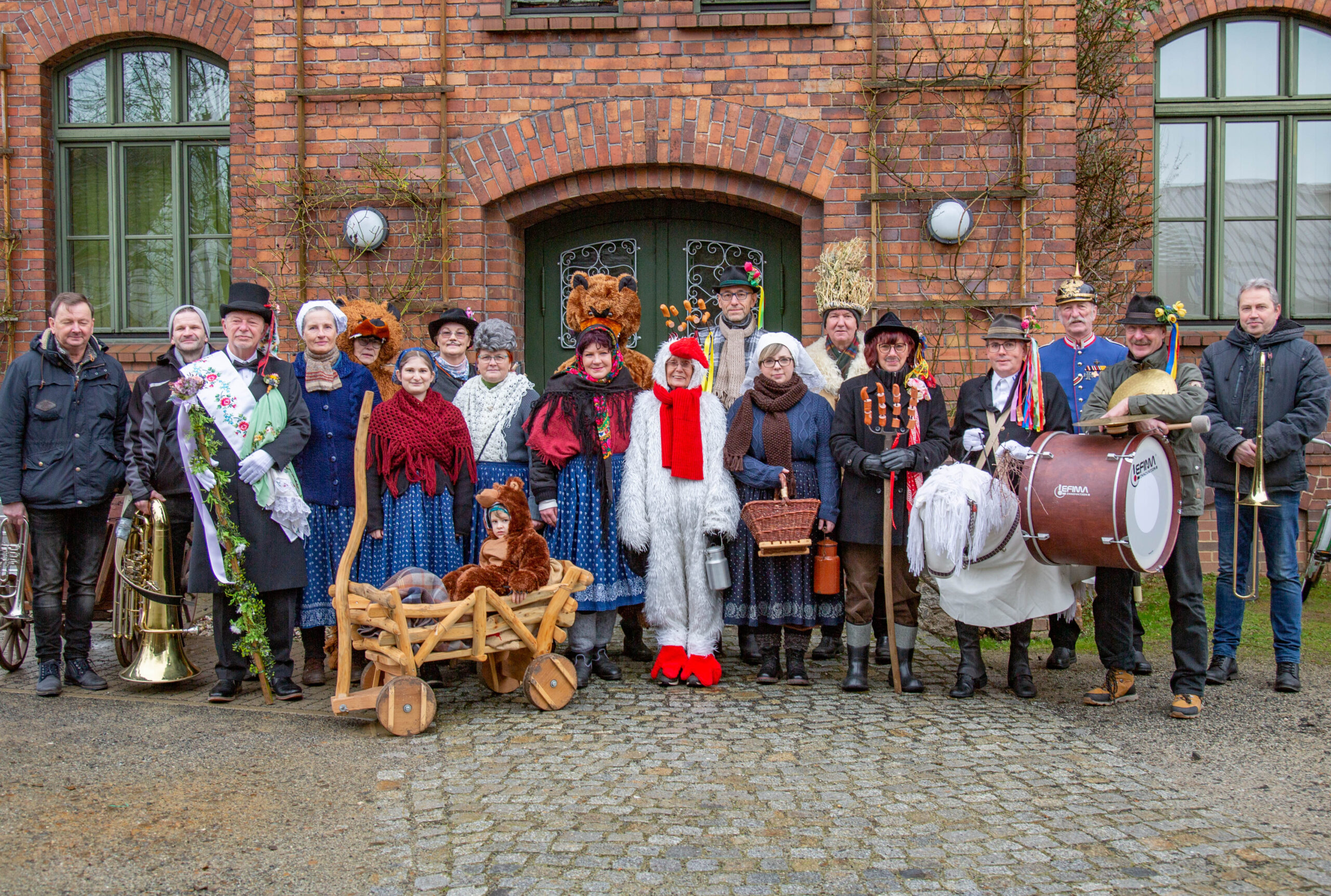
These horrible and noisy Zamper figures thus perform a kind of “service” for the entire village community and are rewarded with food, money or schnapps. In the evening, we meet up to eat pancakes together.


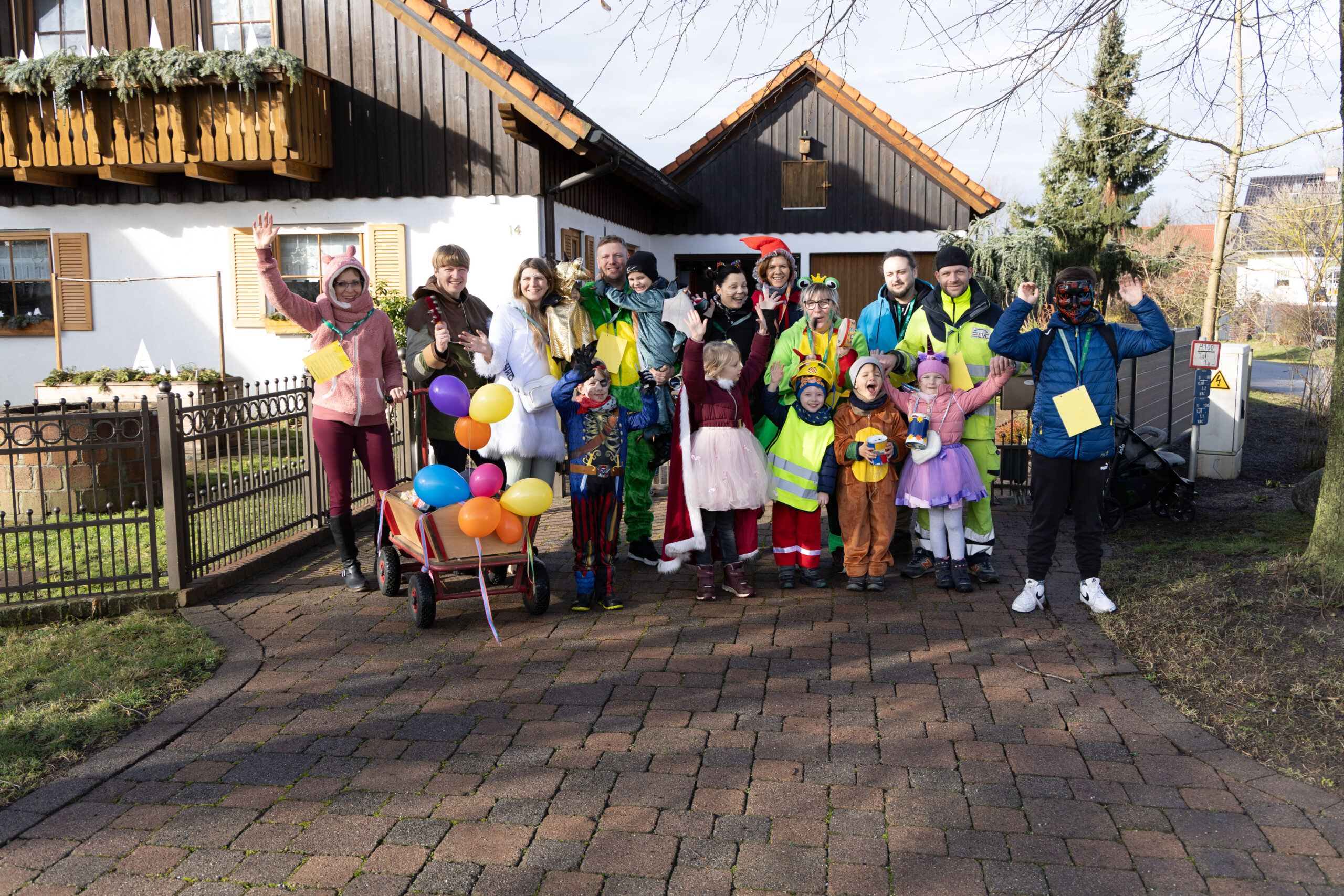
In many villages there was and still is a children’s village fair, because it was a good opportunity for them to make a lot of noise, dress up in scary costumes and even be rewarded for it. Paul Piesker (1927 – 2002) from Lehde in his childhood memories: “I had already worked out a barge route through the village in my head so that I could get to every house without making any detours. That’s not easy in Lehde with its many rivers. I couldn’t even imagine if there was thin ice on Zampertag – no barge, no sledge would have been possible. And I wouldn’t have been able to reach all the houses on foot. After the Zampern, my trousers hung tightly on the straps and my pockets were full of sweets and small change. I was a good Zamperer, I knew who preferred to listen to a song or a Zamper poem. And I could be so polite …!”
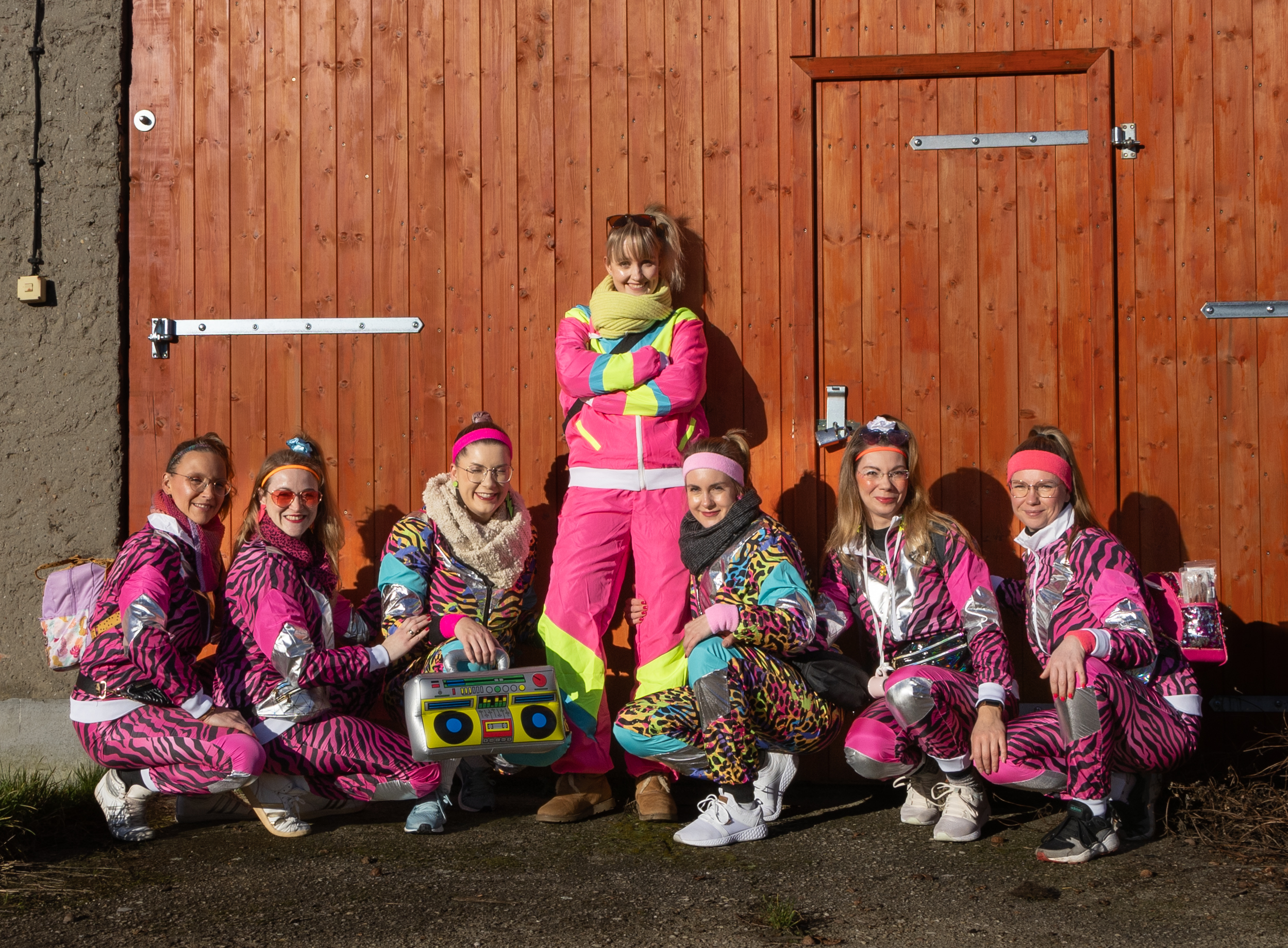
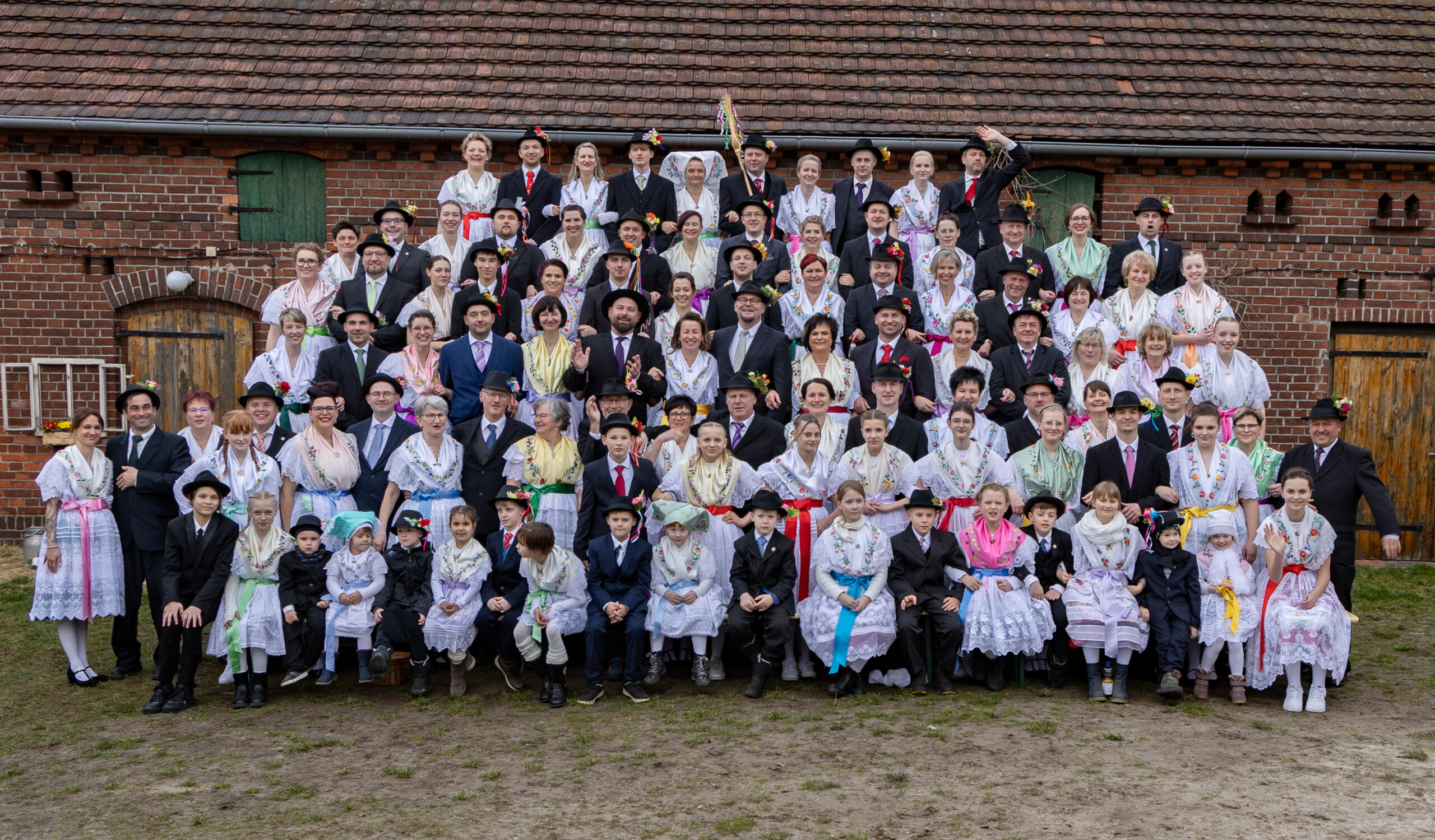
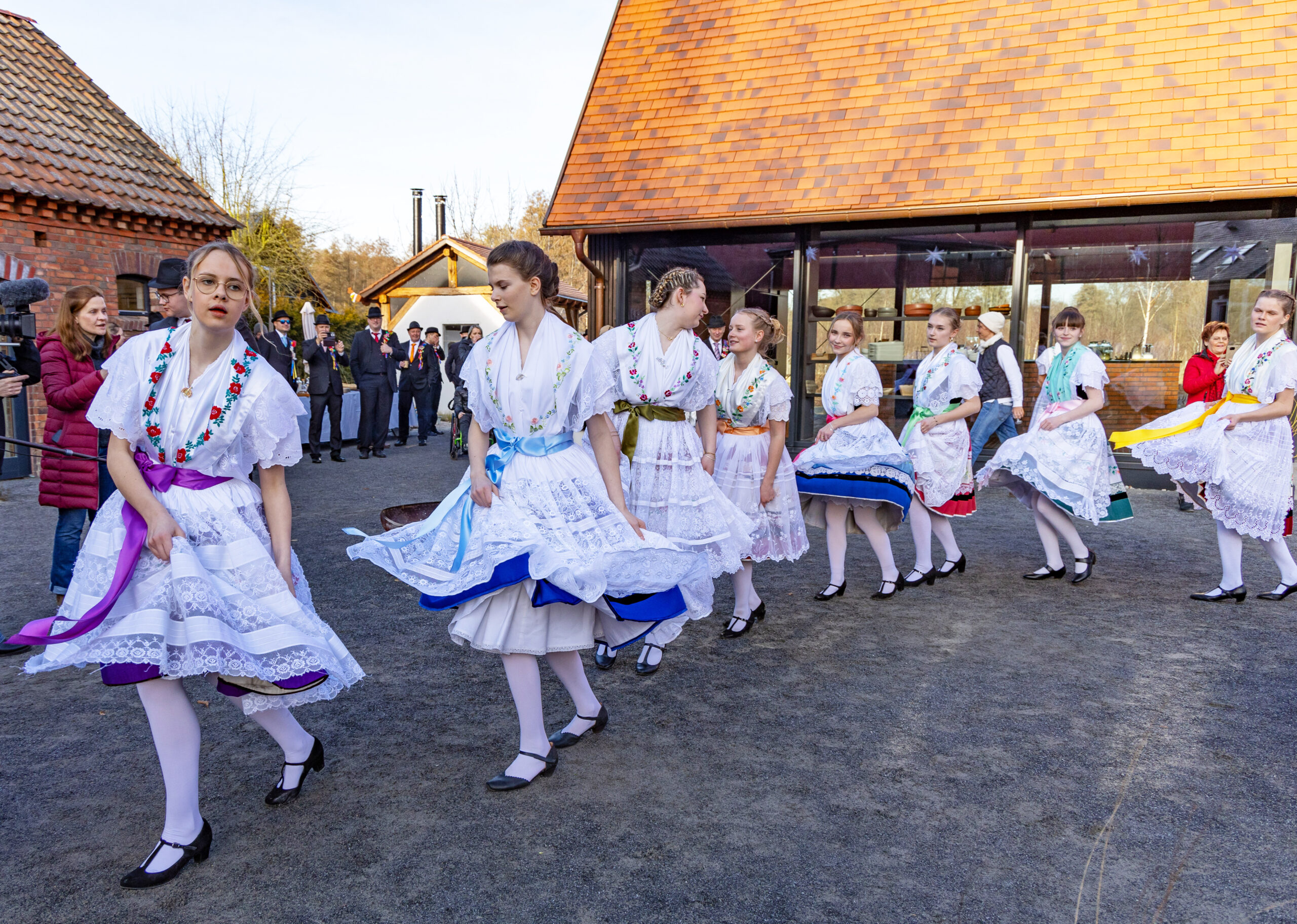
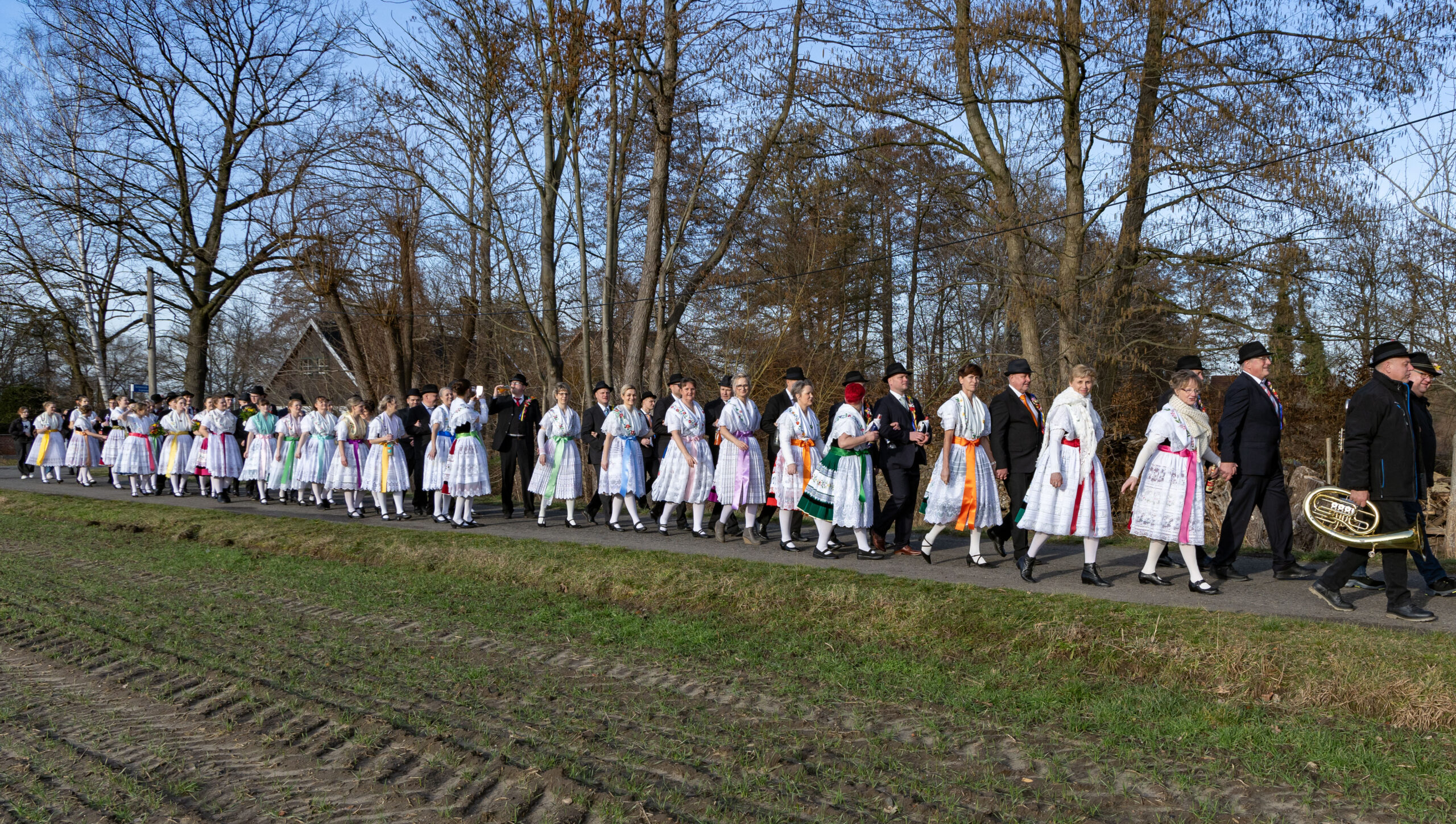
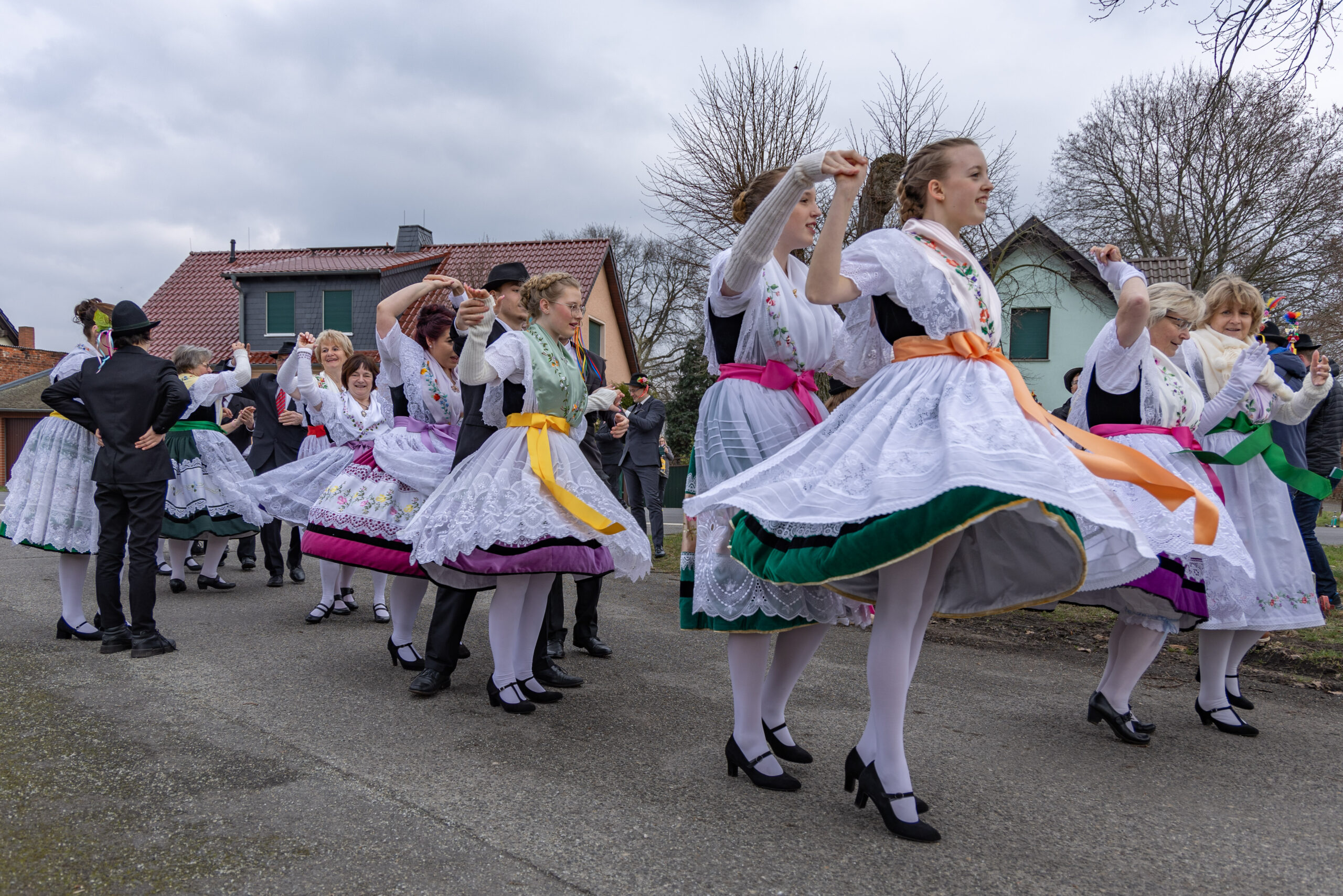
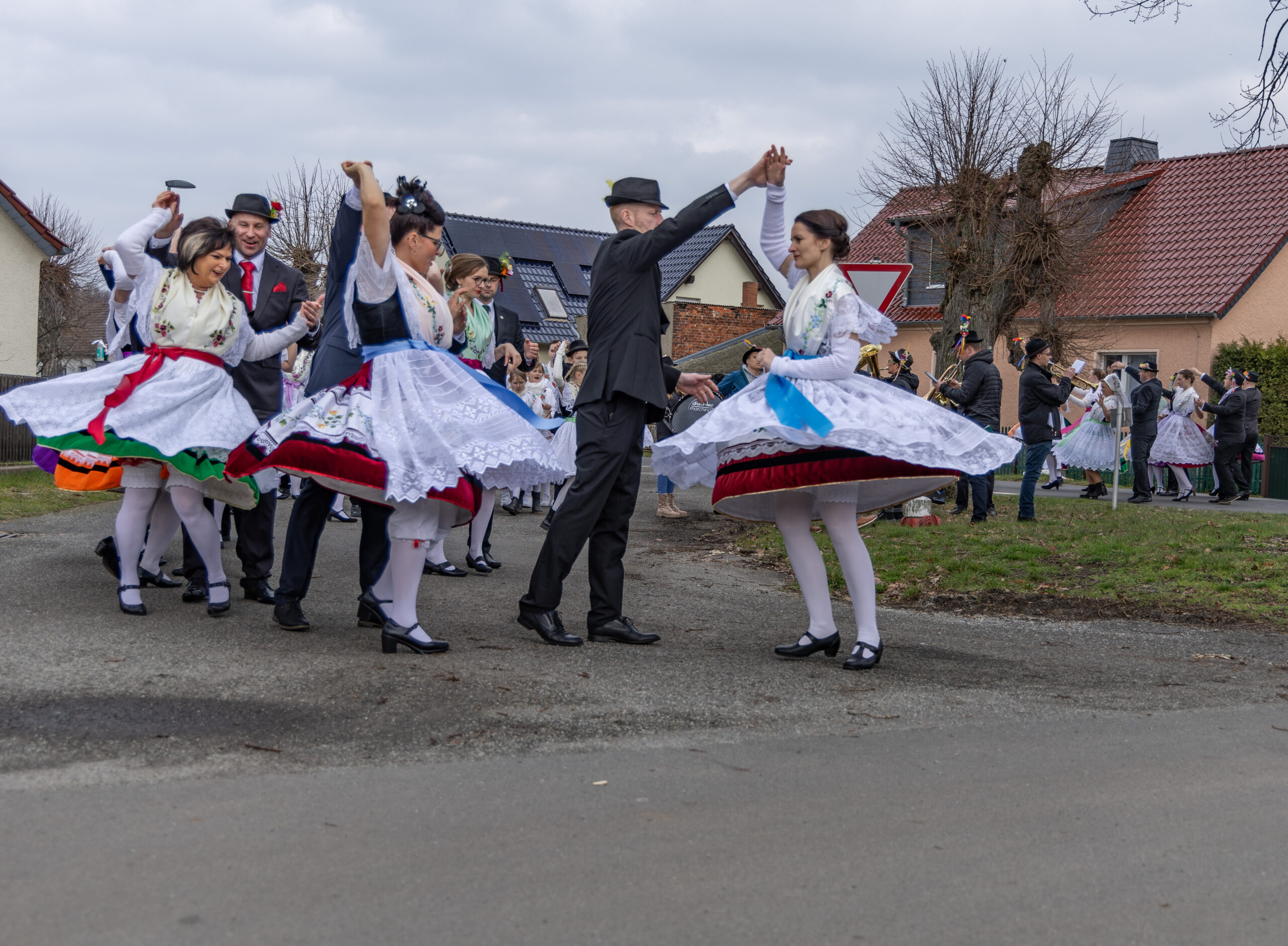
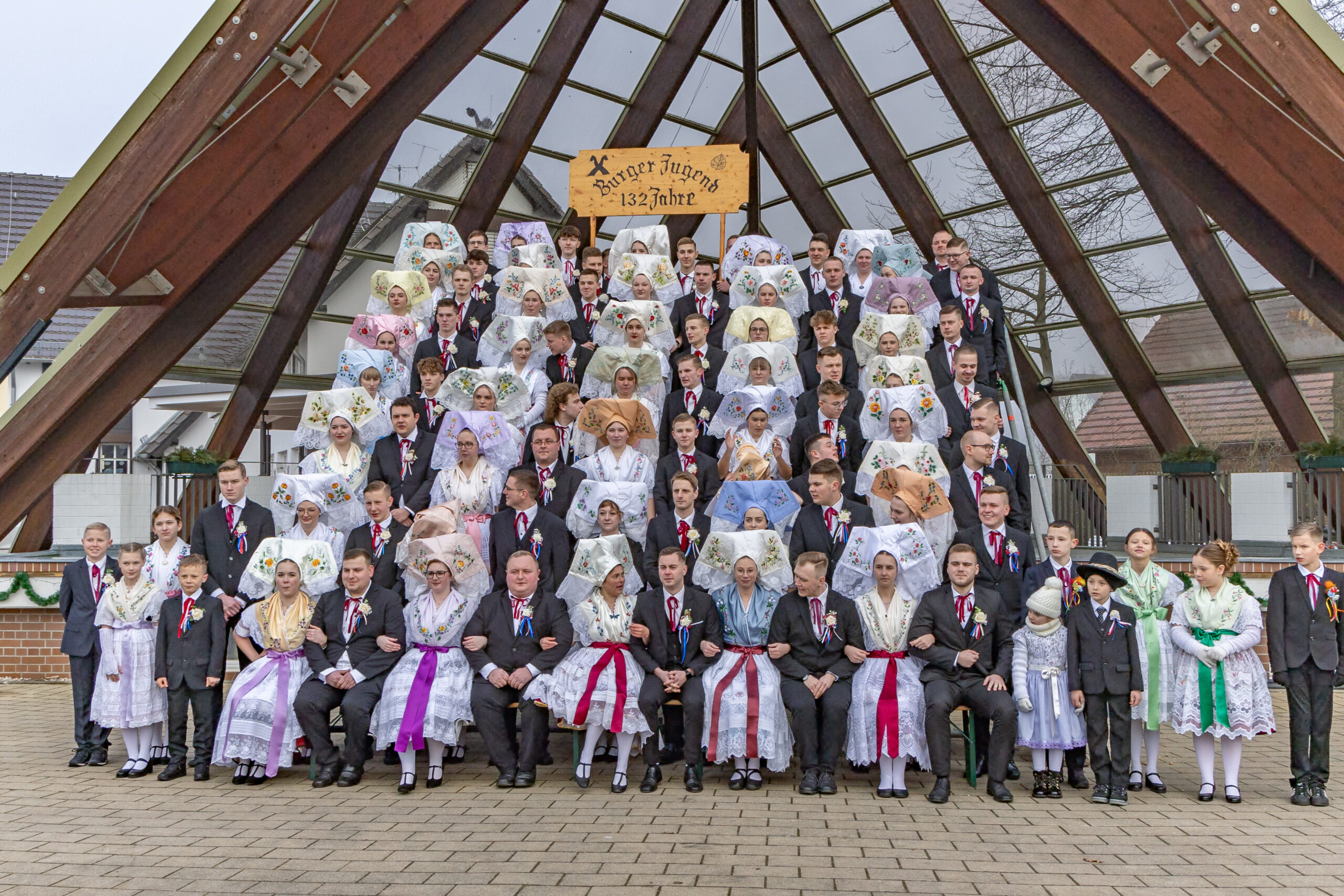
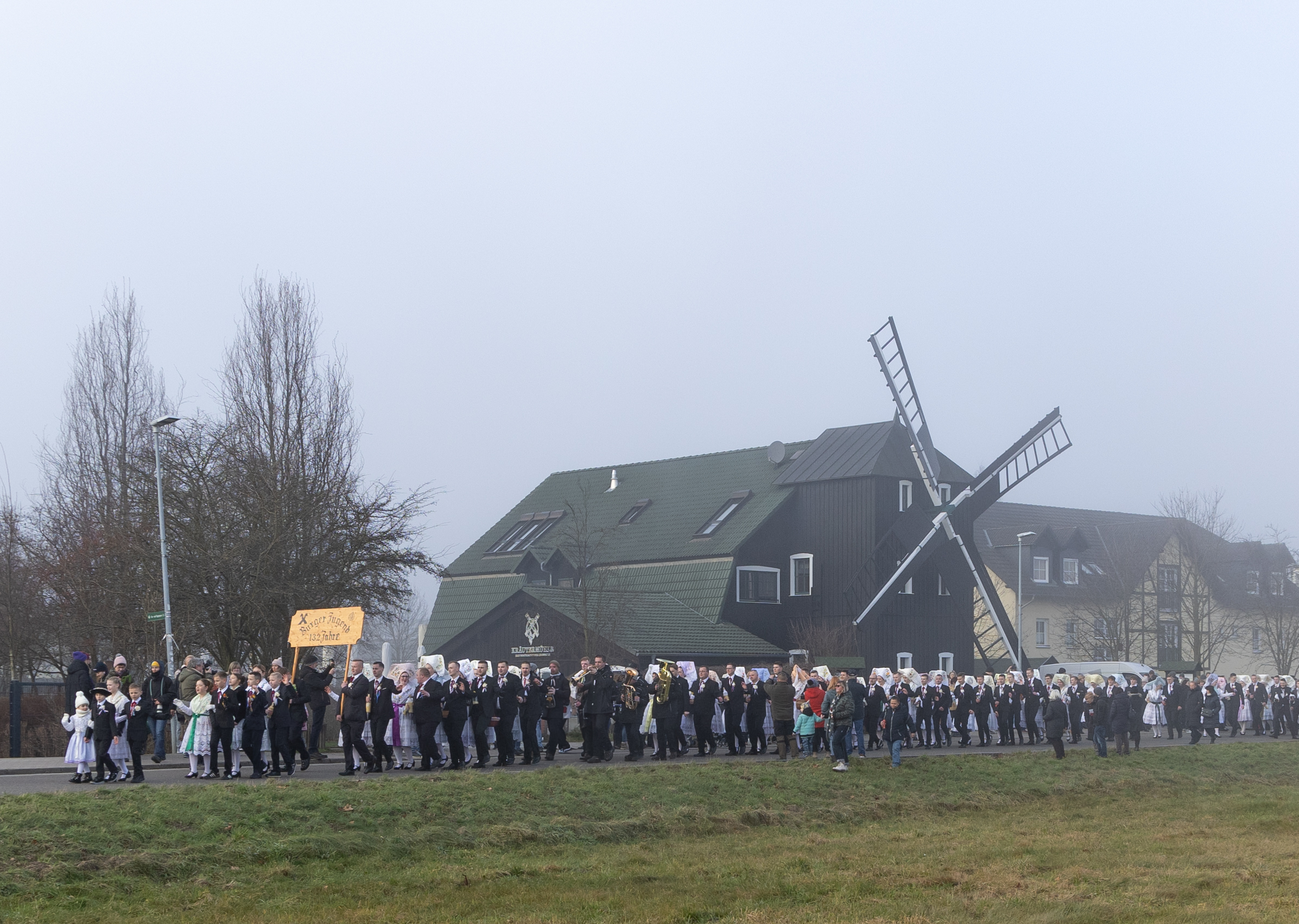
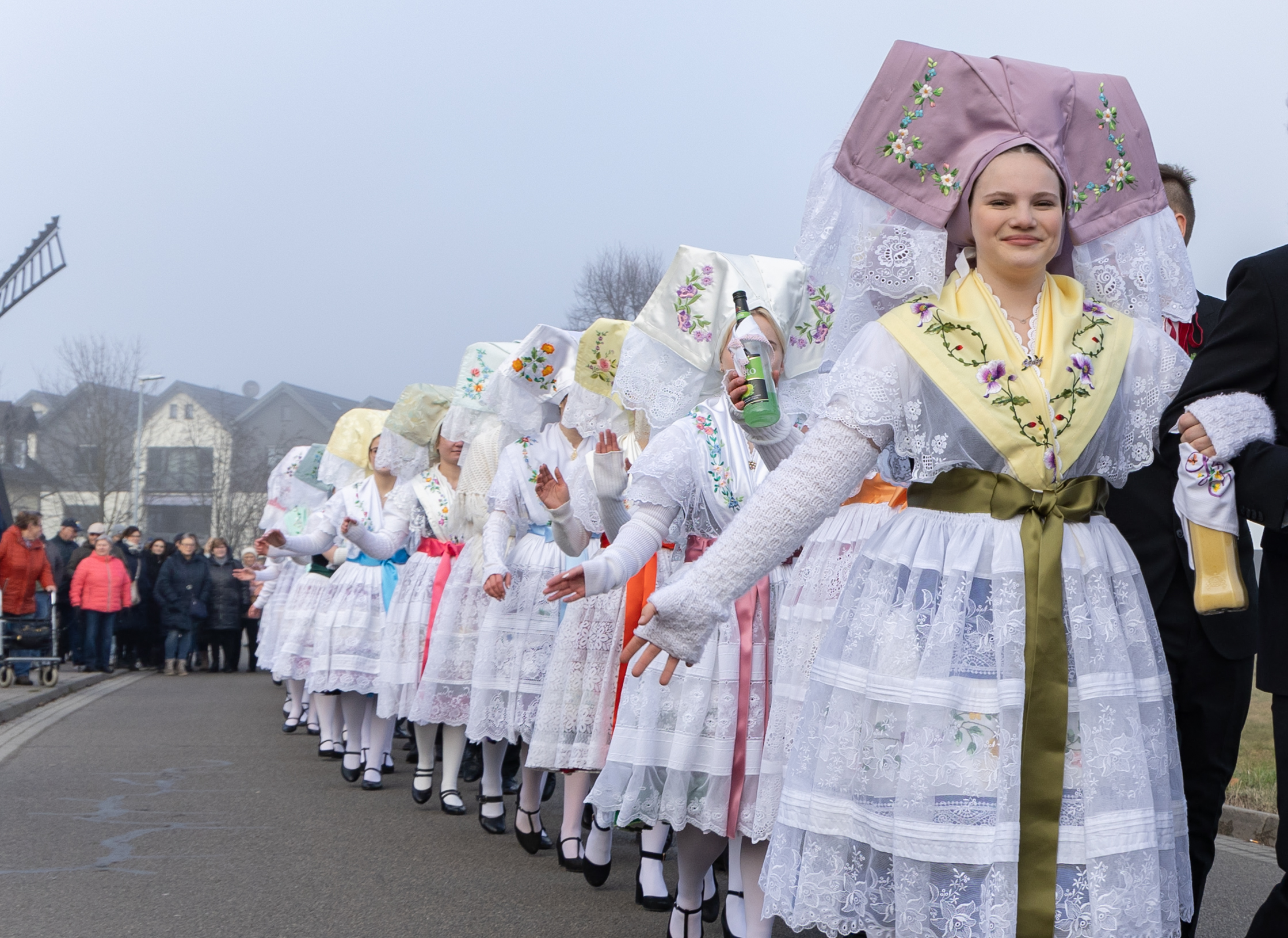
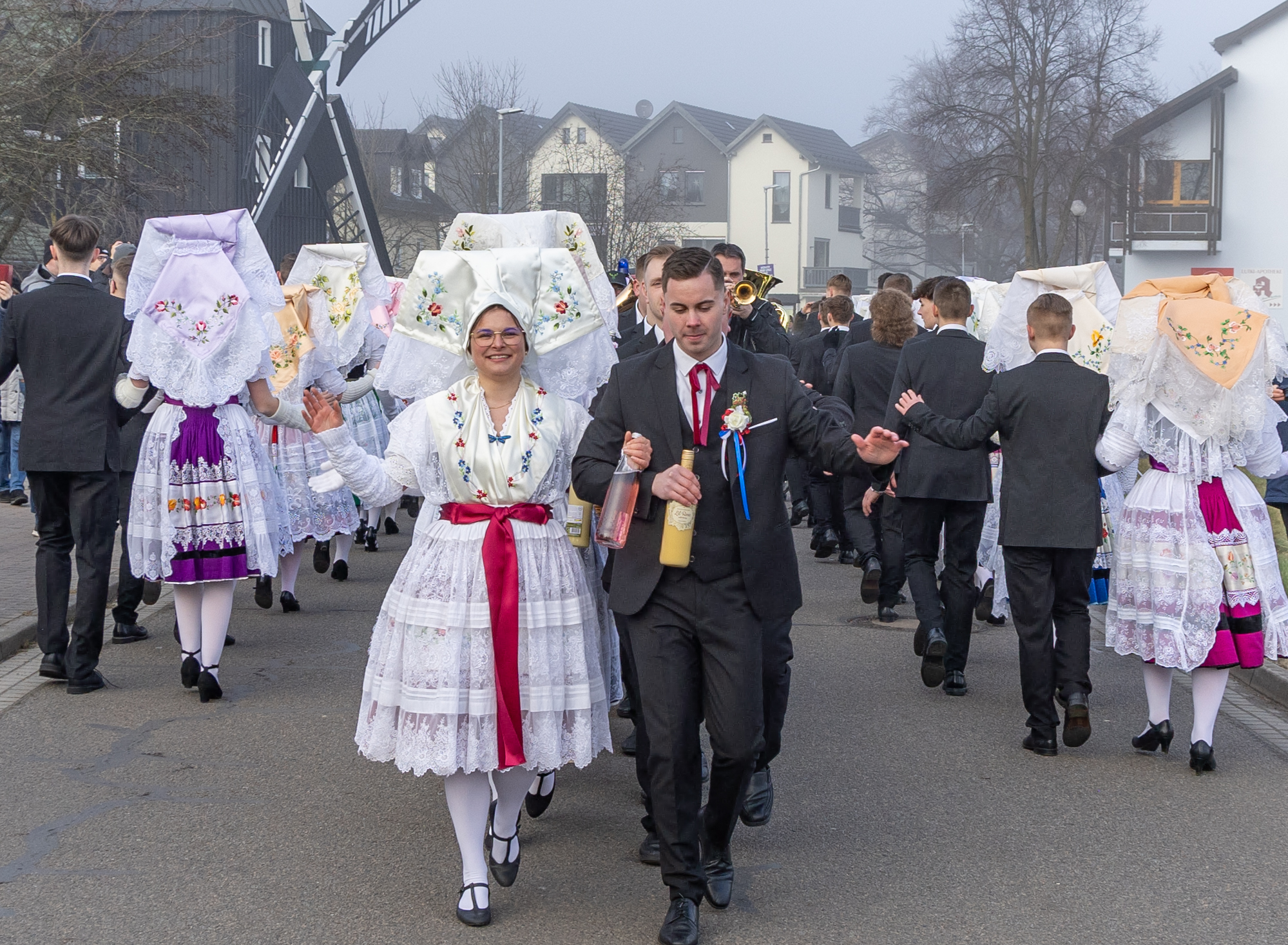
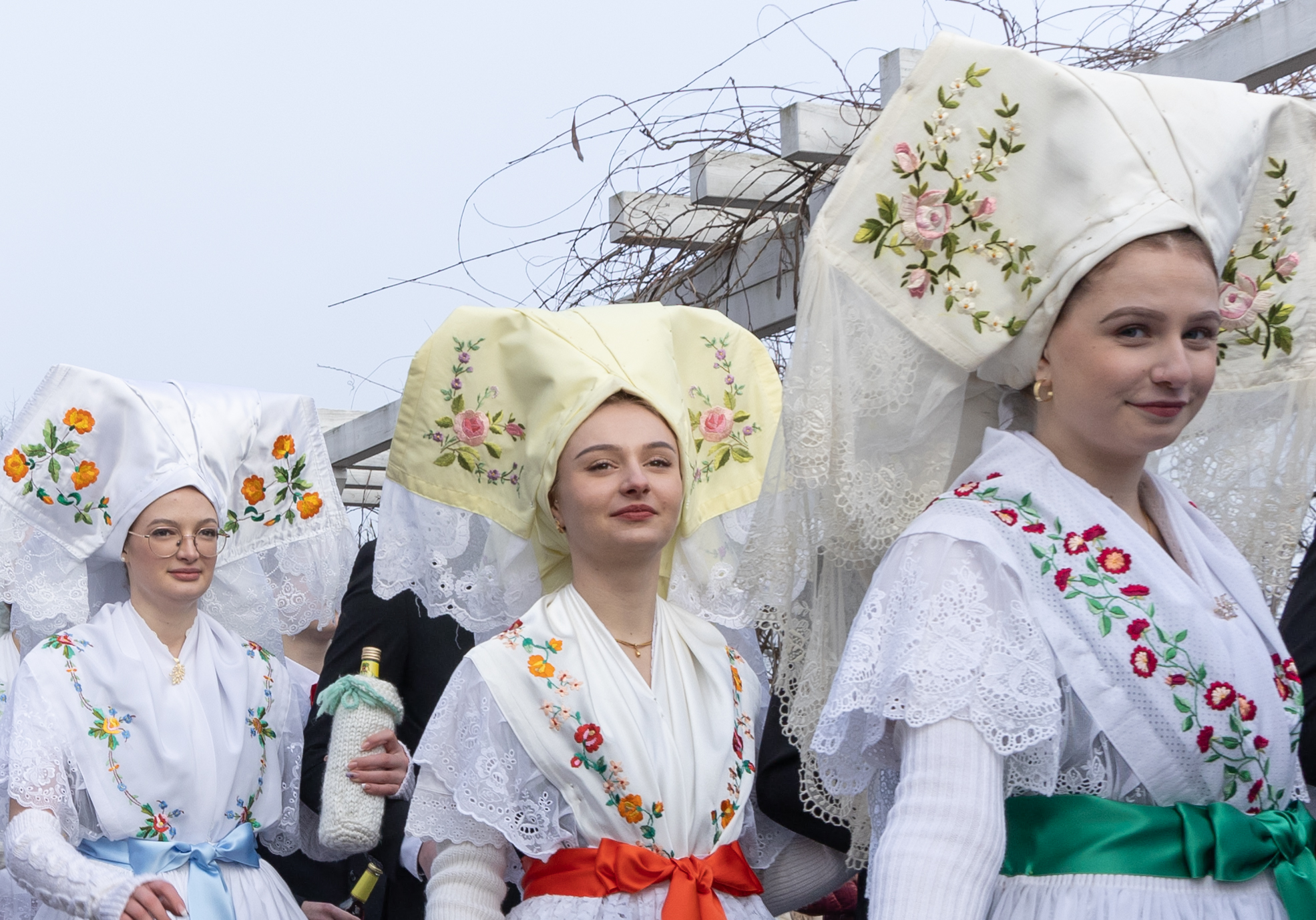
After the Zampern, the Zampergesellschaft thanks the donors in the form of a Sunday carnival procession. With music leading the way, the women in their festive costumes, the men in black suits and hats, the procession moves through the village. Today, deserving residents are honored with a bouquet of flowers, who in turn often thank them with coffee and pancakes. This carnival procession, also known as Zapust in Wendish/Sorbian, is one of the highlights, if not the highlight, in the life of the village community. Fastnacht has long been a festival for everyone, not just the Sorbs/Wends. Those who identify with the ancestral tradition are proud to take part in it. Newcomers and locals alike celebrate it; it no longer makes any difference which roots the individual has.

Dates 2025:
| Shrove Tuesday | Romping | |
| Lübbenau (Rubisco) | – | 15.02 |
| Leipe | – | 01.02. |
| Lehde | – | 01.02. |
| Raddusch | 23. 02. | 22.02. |
| Radduscher children’s fidget spinners | – | 15.02. |
| Stradow | 01.03. | – |
| Naundorf/Fleißdorf | 01.02. | – |
Explanation of the term: Zapust is the Sorbian/Wendish equivalent of Fasten or Fastnacht, the beginning of the pre-Easter fasting period.
Peter Becker, 27.01.25

